
 Save to Pinterest
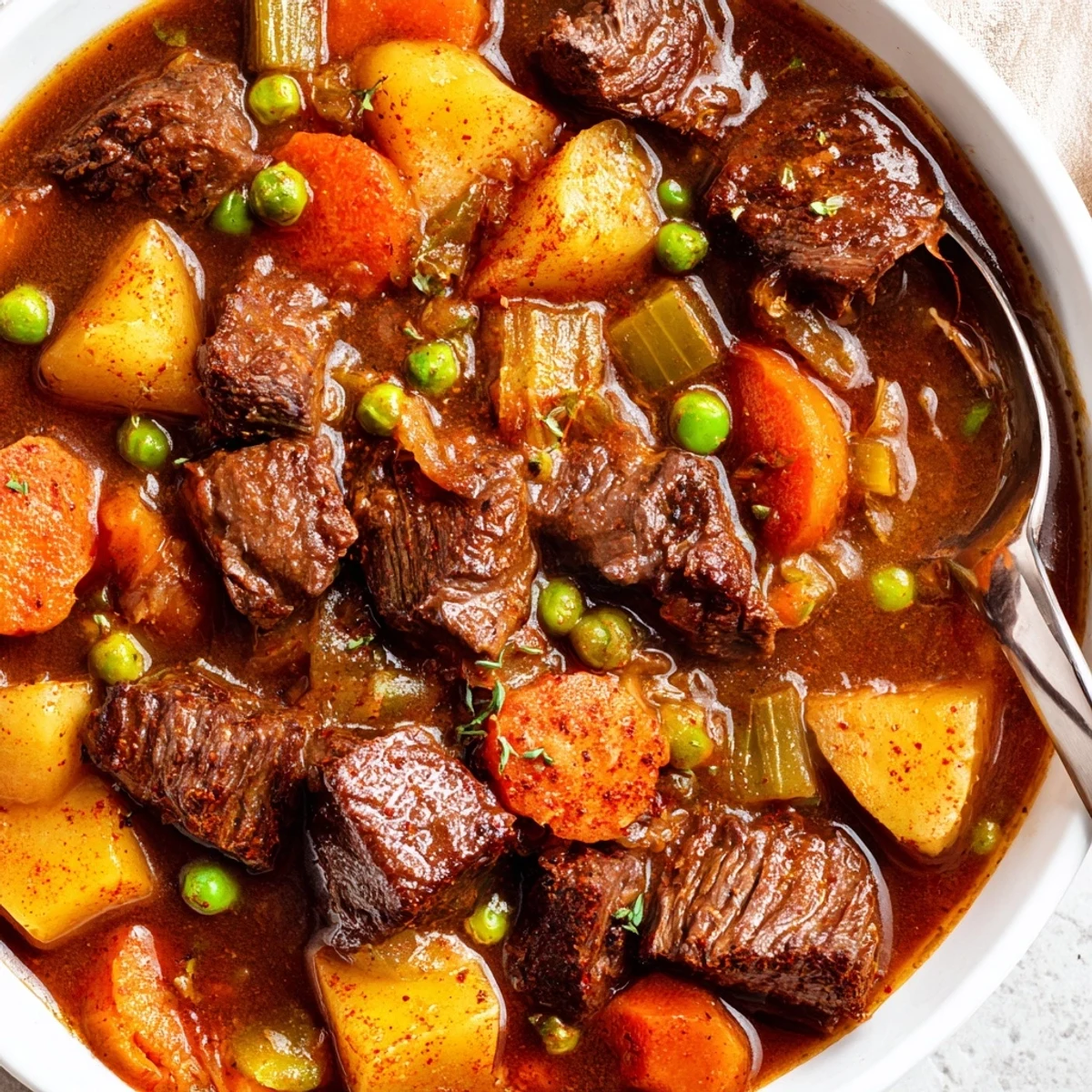
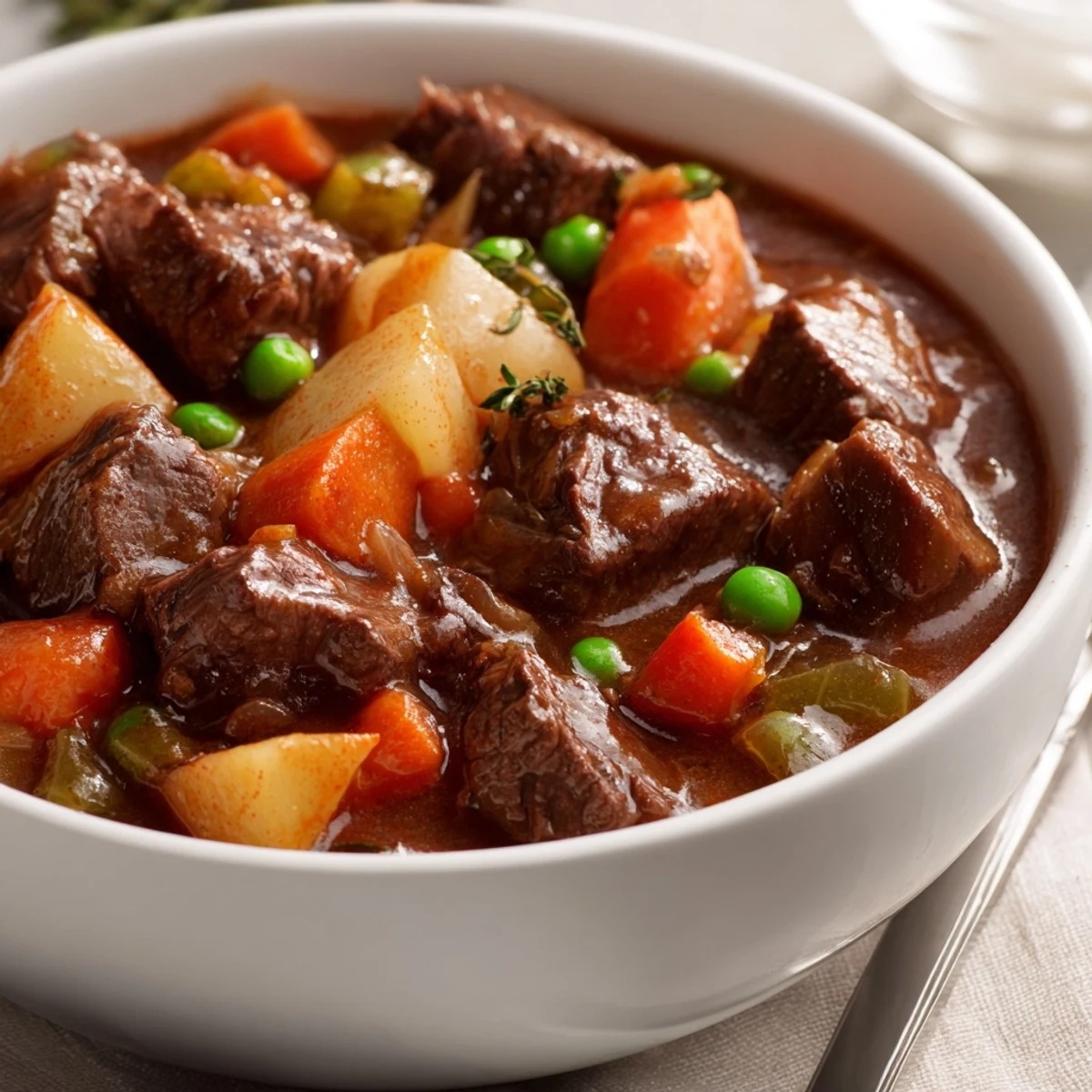
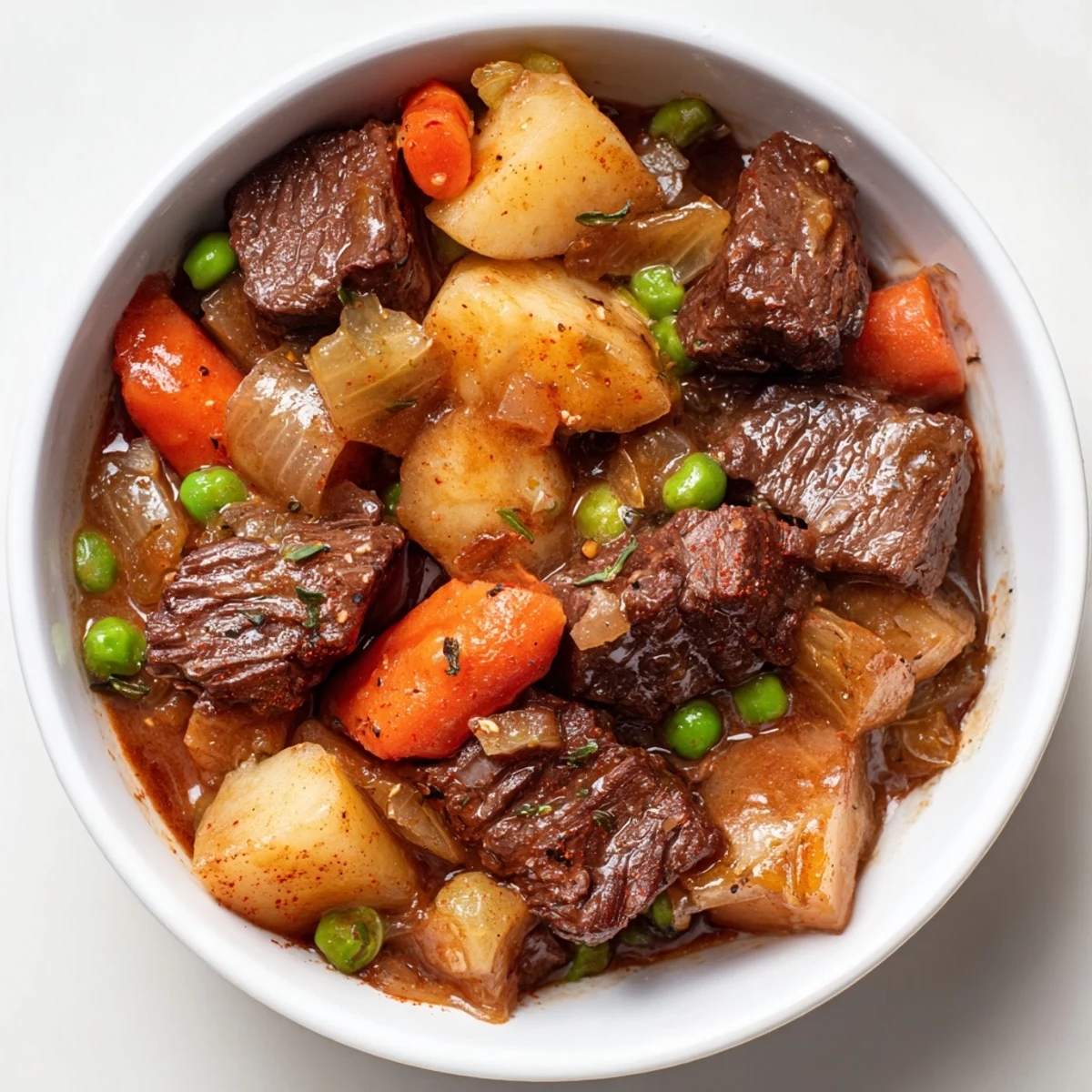
 Brown seasoned beef in batches, then sauté onion and garlic. Stir in flour and tomato paste, deglaze with red wine, return beef and add carrots, potatoes, celery, stock and herbs. Simmer low, covered, for about 2 hours until meat is tender. Finish with peas, adjust seasoning, and thicken as needed. Serves 6; makes a hearty, slow-simmered main best with bread or buttered noodles.
The window was fogged up and rain was hammering the roof the afternoon beef stew saved my sanity. I had a chunk of chuck in the fridge and zero motivation to do anything fancy. Two and a half hours later the whole kitchen smelled like something my grandmother would have been proud of. That pot taught me that some meals do not need technique so much as they need time.
My roommate walked in halfway through the simmer, lifted the lid without asking, and immediately burned his tongue because he could not wait. We ate standing at the counter with big chunks of bread, barely bothering with plates. That is the kind of food this is.
Ingredients
- Beef chuck (2 lbs, cut into 1.5 inch cubes): Chuck is the gold standard here because the marbling melts during the long cook and keeps everything tender.
- Carrots (4 medium, peeled and sliced): They add sweetness and hold their shape if you cut them thick enough.
- Potatoes (3 large, peeled and diced): Yukon Golds are my pick because they absorb broth without turning to mush.
- Celery (2 stalks, sliced): Quiet background flavor that you would absolutely miss if it were gone.
- Onion (1 large, chopped): The foundation of practically everything good in this pot.
- Garlic (3 cloves, minced): Fresh is nonnegotiable here.
- Frozen peas (1 cup, optional): Tossed in at the end for a pop of color and sweetness.
- Beef stock (3 cups): Low sodium lets you control the salt level yourself.
- Dry red wine (1 cup): Adds depth you simply cannot get otherwise, but extra stock works fine too.
- Tomato paste (2 tbsp): A small amount goes a long way toward richness.
- Vegetable oil (2 tbsp): Neutral oil lets the beef flavor shine.
- Salt (2 tsp, or to taste): Season in layers, not all at once.
- Black pepper (half tsp): Freshly cracked makes a real difference.
- Bay leaves (2): Remember to pull them out before serving.
- Dried thyme (1 tsp): Earthy and warm, it ties the whole broth together.
- Paprika (half tsp): A subtle smoky warmth in the background.
- All purpose flour (2 tbsp): This is your thickener, swap cornstarch if you need gluten free.
Instructions
- Get that sear:
- Heat oil in a Dutch oven over medium high heat, season the beef cubes, and brown them in batches so you never crowd the pan. Each piece should have a dark golden crust before you set it aside on a plate.
- Build the base:
- Drop the heat to medium and cook the onion and garlic until soft and fragrant, about three minutes. Stir in the flour and tomato paste and let them cook for a minute to toast away the raw edge.
- Bring it all together:
- Pour in the wine slowly, scraping up every caramelized bit stuck to the bottom because that is pure flavor. Return the beef, add the carrots, celery, potatoes, stock, bay leaves, thyme, and paprika, then give it a good stir.
- Let time do the work:
- Bring everything to a boil, then drop the heat to low, cover it, and let it barely bubble for two hours. Stir once in a while and resist the urge to crank the heat.
- Finish strong:
- Take off the lid, add the peas if you are using them, and simmer uncovered for another fifteen minutes until the stew thickens and a fork slides through the beef like butter. Pull the bay leaves, taste for salt and pepper, and serve it steaming hot.
 Save to Pinterest
 I once packed the leftovers into a thermos for a cold hike the next morning and it was the best trail lunch I have ever had. Food like this does not just fill you up, it follows you around.
Making It Your Own
Skip the wine entirely and use all beef stock if you are cooking for kids or avoiding alcohol. Sweet potatoes work beautifully in place of regular ones if you want a slightly different flavor profile. A handful of mushrooms added with the vegetables brings an earthy depth that regular beef stew never knew it needed.
Tools That Actually Matter
A heavy Dutch oven is the real hero here because it holds heat evenly and lets the stew bubble gently without hot spots. A wooden spoon is gentler on the fond building on the bottom of the pot than metal. Keep a ladle nearby because you will want to taste the broth more than once before it is done.
Storing and Reheating
Let the stew cool completely before refrigerating it in an airtight container. It stays good for up to four days and the flavors genuinely deepen overnight as the broth continues to develop.
- Freeze individual portions for up to three months for easy weeknight dinners.
- Reheat gently on the stove over low heat, adding a splash of stock if it has thickened too much.
- Always taste and adjust salt after reheating because cold dulls the perception of seasoning.
 Save to Pinterest
 Some recipes are just dinner, but this one is the reason people gather in the kitchen and linger a little longer. Make a big pot, share it freely, and let the leftovers surprise you tomorrow.
Recipe Questions & Answers
- → What cut of beef works best?
-
Beef chuck is ideal for its marbling and connective tissue, which break down during long, gentle simmering to yield tender, flavorful pieces. Avoid very lean cuts that can become tough.
- → How can I thicken the stew?
-
Toss a little flour with the browned meat before adding liquids, or stir a cornstarch slurry into hot broth at the end. Reducing the liquid uncovered also concentrates and thickens the sauce.
- → Can I skip the red wine?
-
Yes—swap equal parts wine for additional beef stock and add a splash of vinegar or Worcestershire for brightness. Deglazing with stock still lifts the browned bits and builds depth.
- → How long should it simmer for tender meat?
-
Simmer gently for about 2 hours, checking occasionally. Cooking time varies with cube size and cut; aim for meat that easily yields to a fork for best texture.
- → What are good make-ahead and storage tips?
-
Flavors often improve after resting overnight in the refrigerator. Cool completely, refrigerate up to 3 days or freeze in portions for 2–3 months. Reheat gently to preserve texture.
- → How do I make it gluten-free?
-
Use cornstarch or a gluten-free flour blend as the thickener and verify that any packaged stock or sauces are labeled gluten-free to avoid hidden gluten.