
 Save to Pinterest
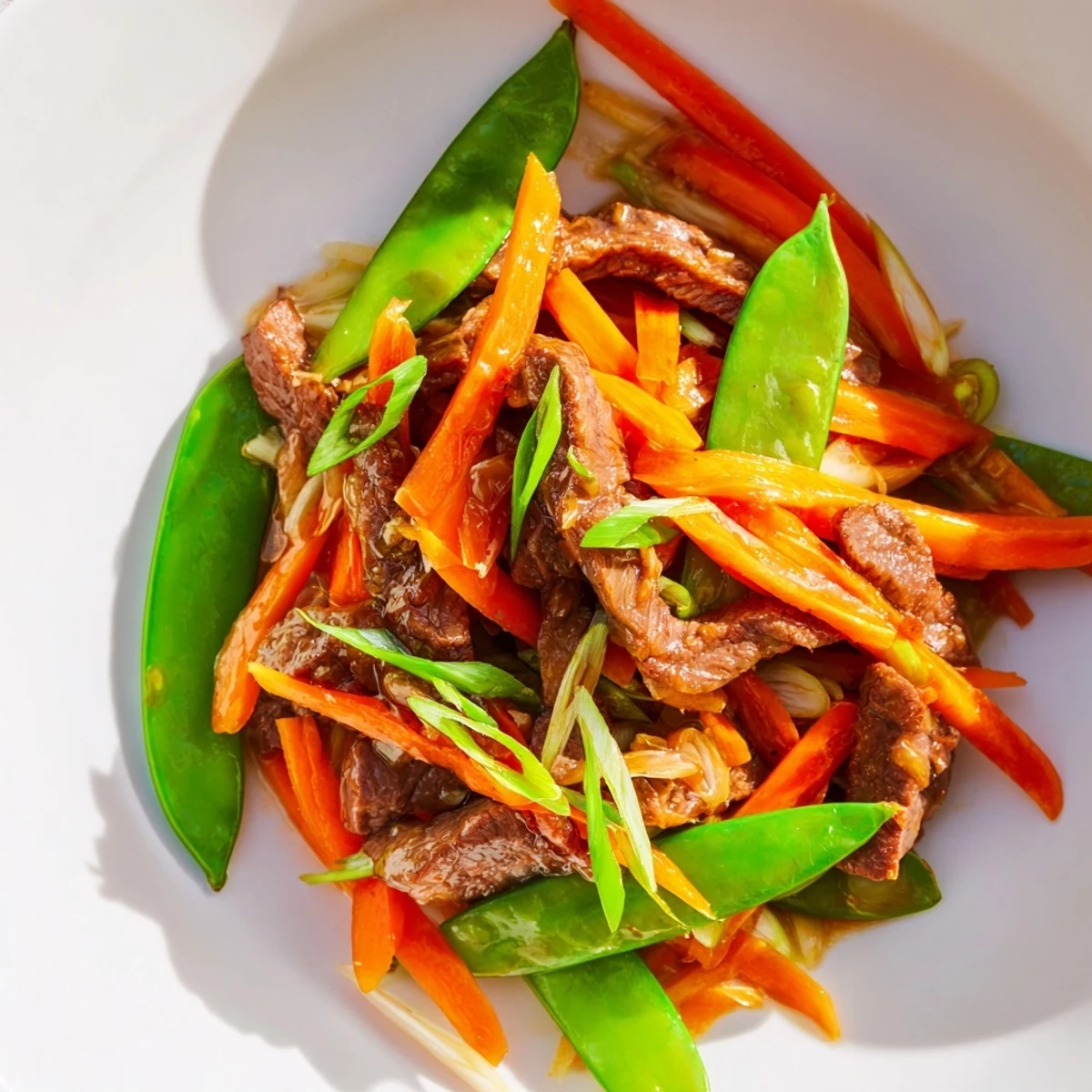
 This dish features tender strips of beef marinated and seared to perfection, combined with crisp snow peas and sweet julienned carrots. Aromatic garlic, fresh ginger, and spring onions enhance the flavors, all tossed together in a savory soy and oyster sauce blend. It’s a quick and easy option for a satisfying weeknight meal, delivering a harmonious balance of textures and flavors with minimal fuss.
The first time I attempted beef stir fry at home, I stood too far from the stove and everything turned soggy. My kitchen filled with smoke instead of that restaurant-style aroma I was chasing. It took three failed attempts before I understood that high heat and confidence are the real secret ingredients. Now this recipe is my weeknight victory lap.
Last Tuesday my roommate walked in mid-cook, threw her bag on the counter, and whispered please tell me thats for dinner. We ended up eating straight from the wok, standing over the stove because neither of us could wait another second for plates. She asked for the recipe before she even finished her first bite.
Ingredients
- 450 g (1 lb) flank steak or sirloin, thinly sliced against the grain: Freezing the beef for 20 minutes makes slicing against the grain so much easier and yields those tender restaurant-style strips
- 2 tbsp soy sauce for marinade: This starts building layers of flavor deep inside the beef before it even hits the pan
- 1 tbsp cornstarch for marinade: Creates a velvet coating that keeps the beef impossibly tender
- 1 tsp sesame oil for marinade: A tiny amount adds such a gorgeous nutty depth
- 200 g (7 oz) snow peas, trimmed: These stay crisp-tender and add such beautiful bright green color
- 2 medium carrots, peeled and julienned: The sweetness balances everything and they cook quickly when cut thin
- 3 spring onions, white and green parts separated: White parts build the aromatic base, green parts add fresh brightness at the end
- 2 cloves garlic, minced: Fresh garlic is non-negotiable for that authentic aroma
- 1 tbsp fresh ginger, grated: I use a microplane because paste incorporates better than chunks
- 3 tbsp soy sauce for sauce: The foundation of our savory glaze
- 2 tbsp oyster sauce: This is the secret ingredient that gives it that professional Asian restaurant depth
- 1 tbsp rice vinegar: Just enough acidity to cut through the richness and make flavors pop
- 1 tbsp brown sugar: Balances the saltiness and creates that gorgeous glossy finish
- 2 tbsp water: Helps dissolve the sugar and cornstarch for smooth sauce consistency
- 1 tsp cornstarch for sauce: Thickens everything just enough to coat each piece beautifully
- 2 tbsp vegetable oil: High smoke point is essential for stir fry cooking
Instructions
- Marinate the beef:
- In a bowl, combine the sliced beef with soy sauce, cornstarch, and sesame oil. Mix thoroughly and let it sit for at least 10 minutes while you prep everything else.
- Whisk the sauce:
- In a small bowl, combine soy sauce, oyster sauce, rice vinegar, brown sugar, water, and cornstarch until completely smooth.
- Sear the beef:
- Heat 1 tbsp oil in a large wok or skillet over high heat until smoking slightly. Add the beef in a single layer and sear for 1-2 minutes until browned but not fully cooked through, then remove to a plate.
- Build the aromatics:
- Add the remaining oil to the hot wok and stir fry the garlic, ginger, and white parts of the spring onions for 30 seconds until incredibly fragrant.
- Cook the vegetables:
- Add the carrots first and stir fry for 1 minute, then toss in the snow peas for another 2 minutes until just tender.
- Combine everything:
- Return the beef and any juices to the wok, pour in the sauce, and stir fry for 2-3 minutes until thickened and everything is coated.
- Finish and serve:
- Remove from heat immediately, scatter with the green onion tops, and serve hot while the sauce is still glossy.
 Save to Pinterest
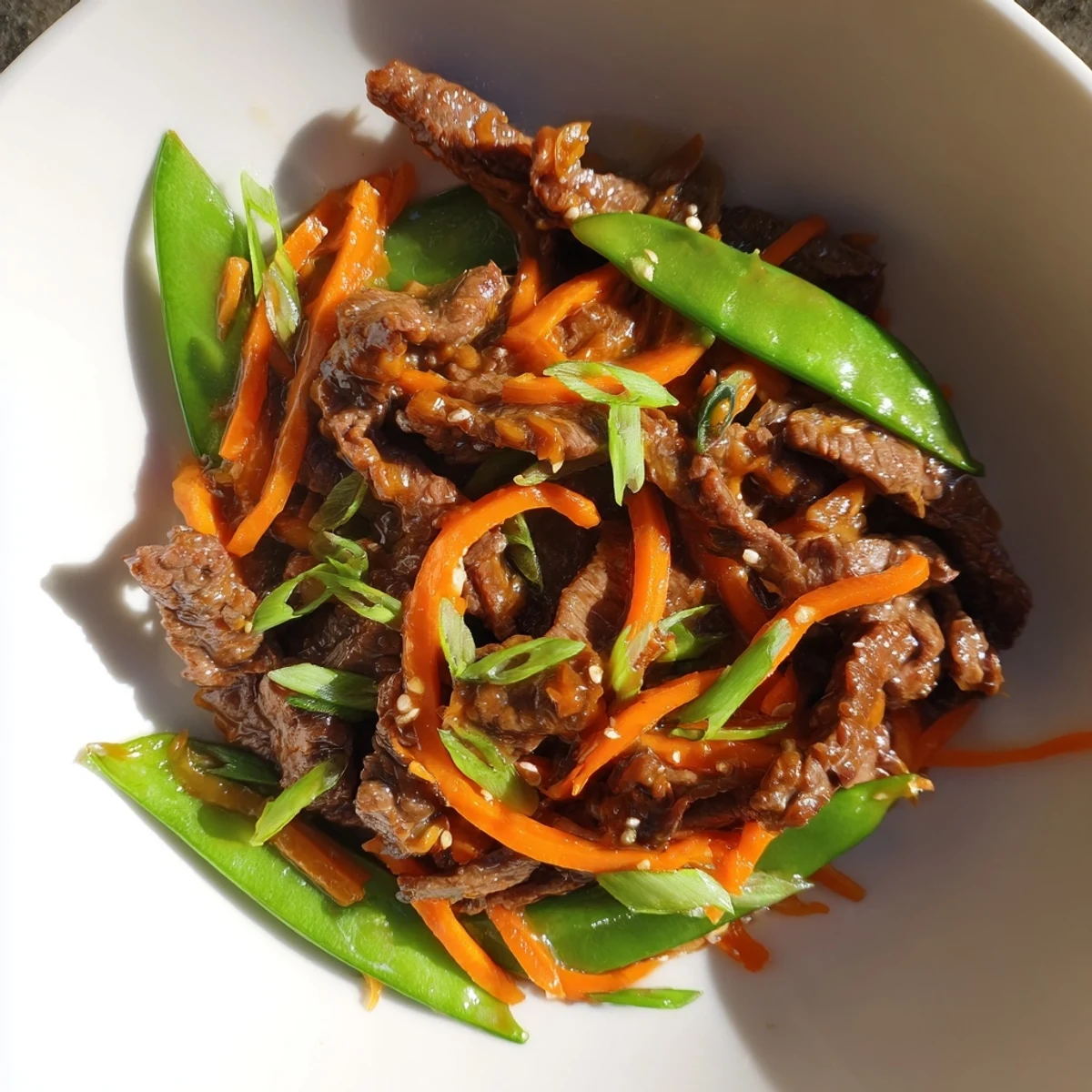
 This recipe became my go-to for potlucks after someone asked if I had ordered it from a local Chinese restaurant. I cook double batches now because friends request it specifically, and there is something deeply satisfying about feeding people food that makes them close their eyes and smile.
Getting The Right Texture
The difference between good and great stir fry comes down to timing. I learned through many slightly mushy attempts that carrots need about 30 seconds more time than snow peas. Now I add them in stages and each vegetable maintains its perfect crisp-tender bite instead of turning uniformly soft.
Perfecting The Sauce
My early sauce attempts were either too thin or became gloopy and unappealing. The breakthrough was whisking the cornstarch into the other sauce ingredients until completely smooth before adding it to the hot pan. Now it creates that restaurant-style glossy coating that clings beautifully to every single piece.
Serving Suggestions
While steamed jasmine rice is classic, I have discovered this over cold noodles for lunch the next day is honestly next level. The flavors intensify overnight and the sauce thickens even more. I always make extra rice because my partner eats the leftovers for breakfast with a fried egg on top.
- White rice absorbs the sauce best but brown rice works for added nutrition
- Noodles make this feel like a complete meal in one bowl
- A simple cucumber salad on the side adds refreshing contrast
 Save to Pinterest
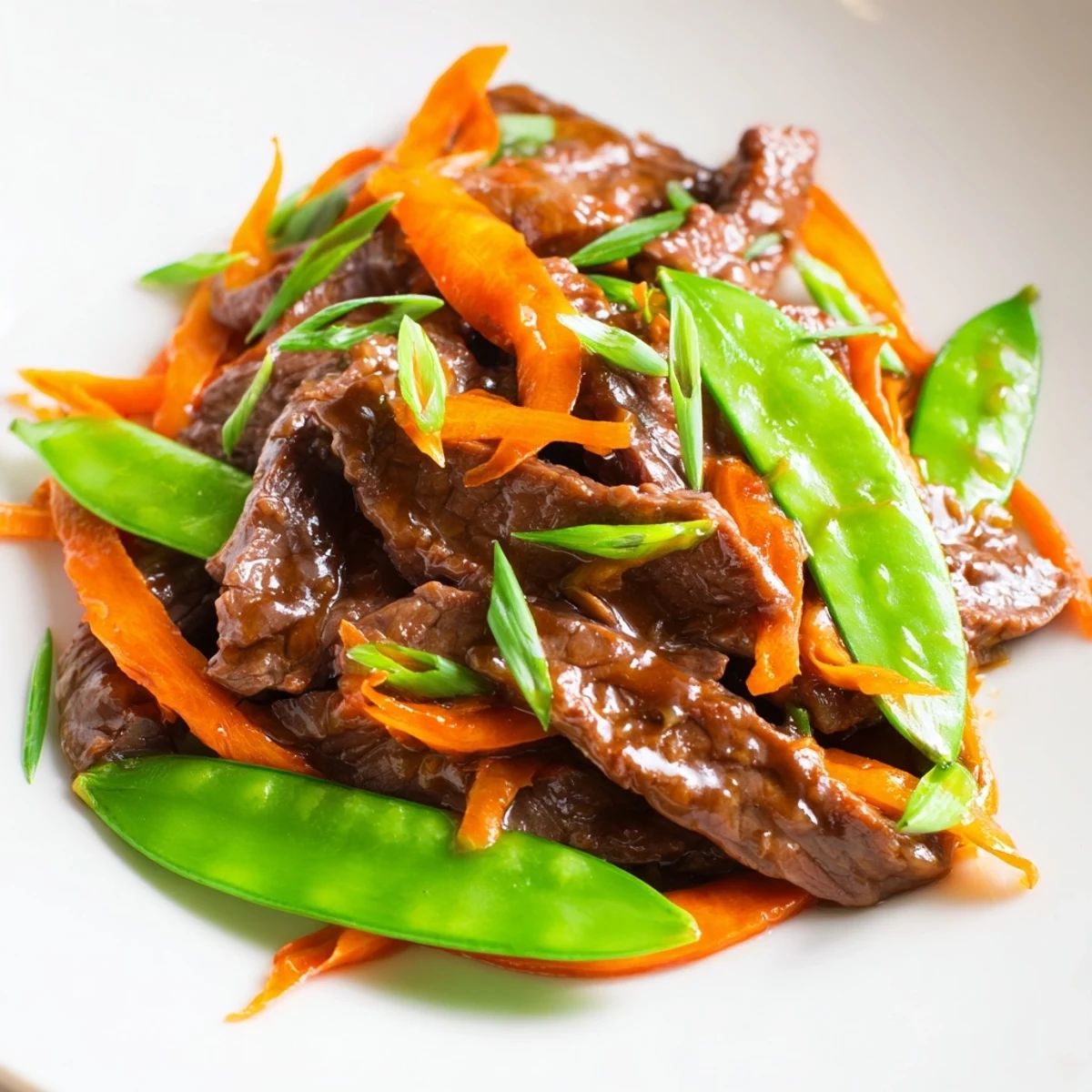
 There is something so satisfying about a stir fry that tastes even better than takeout but comes together in the time it would take for delivery to arrive.
Recipe Questions & Answers
- → What cut of beef works best for this dish?
-
Flank steak or sirloin, sliced thinly against the grain, provides tenderness and cooks quickly in the stir fry.
- → Can I substitute the snow peas with another vegetable?
-
Yes, snap peas are a great alternative and offer a similar crisp texture and mild sweetness.
- → How do I thicken the sauce naturally?
-
Cornstarch mixed with water creates a slurry that thickens the sauce beautifully when cooked briefly with the beef and vegetables.
- → What oils are best for stir frying?
-
Vegetable oils with a high smoke point like canola or sunflower oil work well for quick, high-heat cooking.
- → How can I add more heat to the dish?
-
Incorporate chili flakes or fresh sliced chili during the garlic and ginger stir-fry step to add a spicy kick.
- → Is this dish suitable for dairy-free diets?
-
Yes, it contains no dairy and uses ingredients naturally free of milk or cream.