
 Save to Pinterest
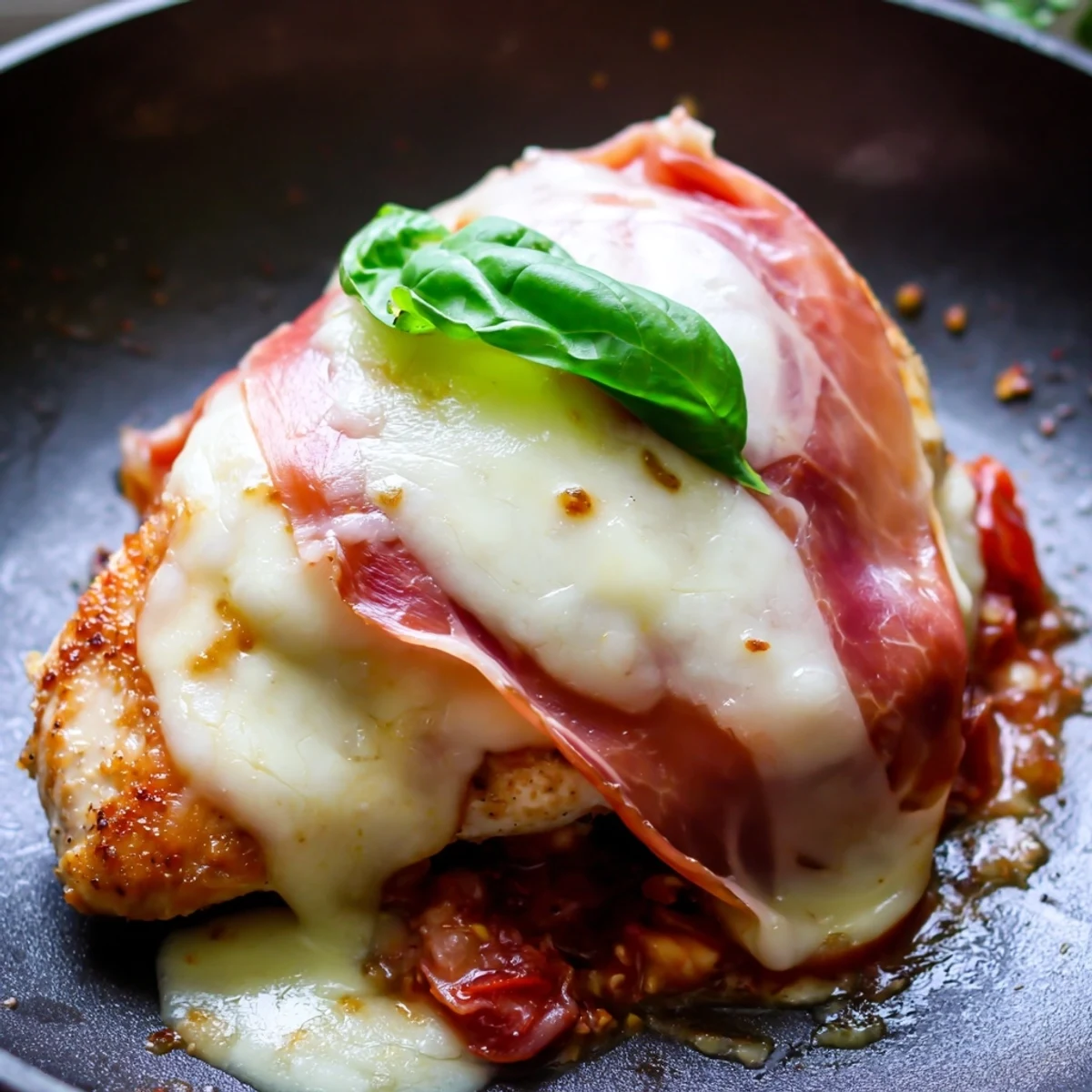
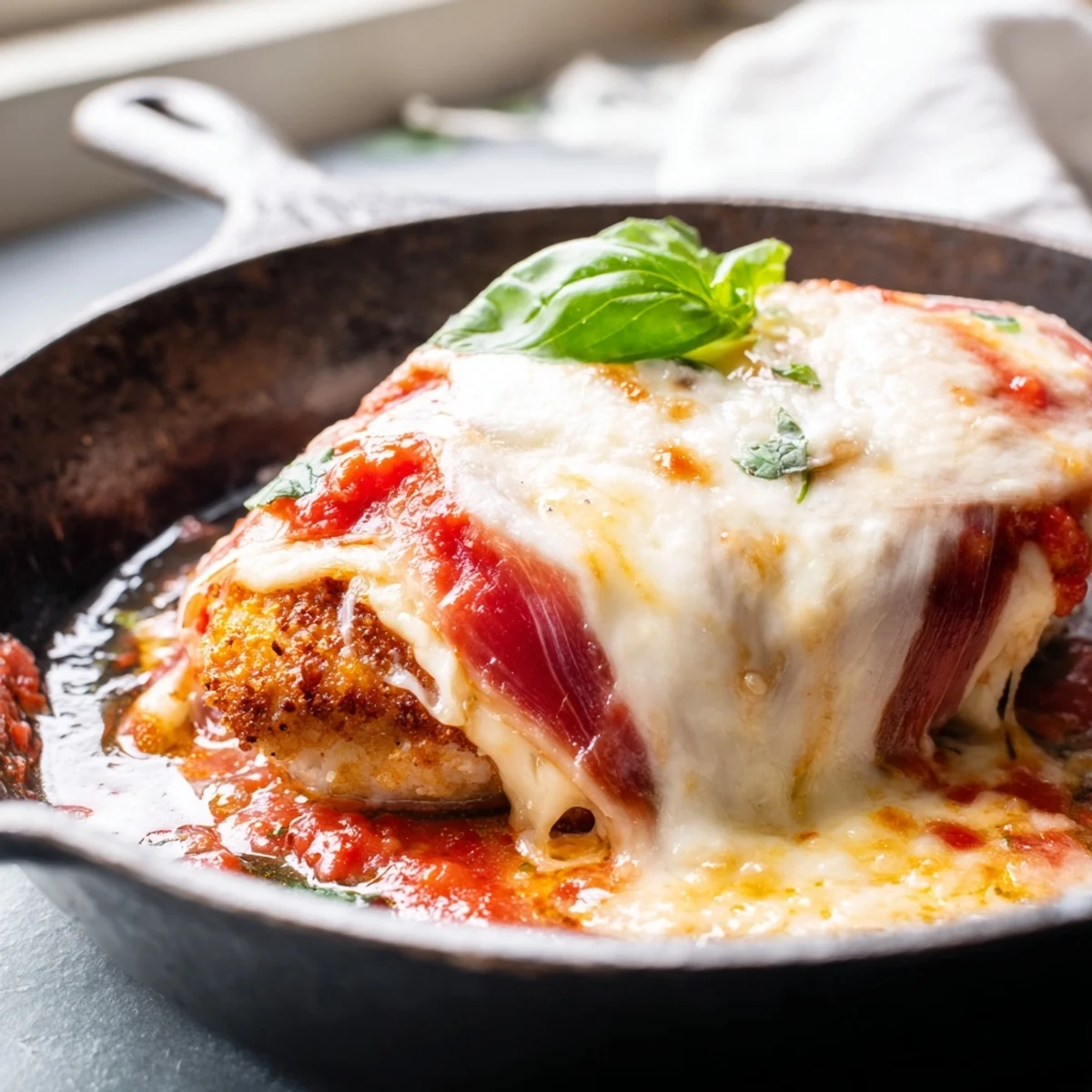
 Chicken Valdostana is a beloved Italian dish from the Aosta Valley region. It features tender, pan-seared chicken breasts topped with salty prosciutto di Parma and creamy melted Fontina cheese, all nestled in a rich white wine and tomato sauce.
The dish comes together in about 45 minutes, making it perfect for a weeknight dinner that feels special. Serve it over polenta, risotto, or with crusty bread to soak up every last bit of that flavorful sauce.
The sound of prosciutto crisping under a broiler is the kind of thing that makes you stop mid conversation and just listen. I first encountered Chicken Valdostana on a rainy Tuesday in a tiny trattoria where the owner refused to tell me what was in the sauce. It took me three attempts at home before I realized the secret was patience with the deglazing, not some mystery ingredient.
My neighbor Carla once smelled this through our shared hallway and knocked on my door with a bottle of wine and an empty plate. We ended up sitting on my kitchen floor eating straight from the skillet while her husband wondered where shed gone. Some dishes just pull people in like that.
Ingredients
- 4 boneless skinless chicken breasts: Pound them evenly so they cook uniformly and nothing dries out while waiting for thicker parts to finish.
- 4 slices prosciutto di Parma: The real deal matters here because the saltiness and silkiness of Parma prosciutto cannot be replicated by cheaper alternatives.
- 120 g Fontina cheese sliced: Fontina melts into a creamy, slightly nutty layer that binds everything together. If you cannot find it, mozzarella works in a pinch.
- 60 g all-purpose flour: Just enough for a light dredge that creates a golden crust when searing.
- 2 tbsp olive oil: Use a good quality oil since it forms the flavor base for the entire pan sauce.
- 80 ml dry white wine: A Pinot Grigio or Vermentino works beautifully. Avoid anything too sweet or oaky.
- 400 g canned crushed tomatoes: San Marzano if you can find them because their natural sweetness balances the saltiness of the prosciutto perfectly.
- 60 ml chicken broth: Adds depth to the sauce without overpowering the other flavors.
- 2 garlic cloves minced: Fresh is non negotiable here. The garlic needs to bloom in the pan oils gently.
- 1 small shallot finely chopped: Shallots give a softer, sweeter allium flavor than onion, which is exactly what this dish wants.
- Salt and black pepper to taste: Season in layers, a little on the chicken, a little in the sauce, and adjust at the end.
- 1 tsp dried oregano: Rub it between your palms before adding to wake up the essential oils.
- Fresh basil leaves for garnish: Tear them by hand rather than cutting to preserve their delicate aroma.
Instructions
- Preheat and prepare:
- Set your oven to 200 degrees Celsius (400 degrees Fahrenheit) and let it fully come to temperature while you prepare the chicken.
- Flatten and season the chicken:
- Place each breast between sheets of parchment paper and gently pound to about one and a half centimeters thick, then season both sides generously with salt and pepper.
- Create the crust:
- Dredge each piece in flour and tap off any excess so you get a light, even coating rather than a gummy layer.
- Build the golden sear:
- Heat olive oil in a large oven safe skillet over medium high heat and sear the chicken two to three minutes per side until you see a pale gold color, then remove and set aside on a plate.
- Wake up the aromatics:
- In the same skillet with all those lovely chicken bits, add the shallot and garlic, sauteing just until your kitchen smells incredible, about one minute.
- Build the sauce:
- Pour in the white wine and scrape up every last brown bit from the bottom of the pan, then add the crushed tomatoes, chicken broth, and oregano, letting it bubble and reduce for five minutes.
- Layer and assemble:
- Nestle the seared chicken breasts back into the sauce and drape each one with a slice of prosciutto followed by Fontina cheese, letting the edges overlap slightly.
- Finish in the oven:
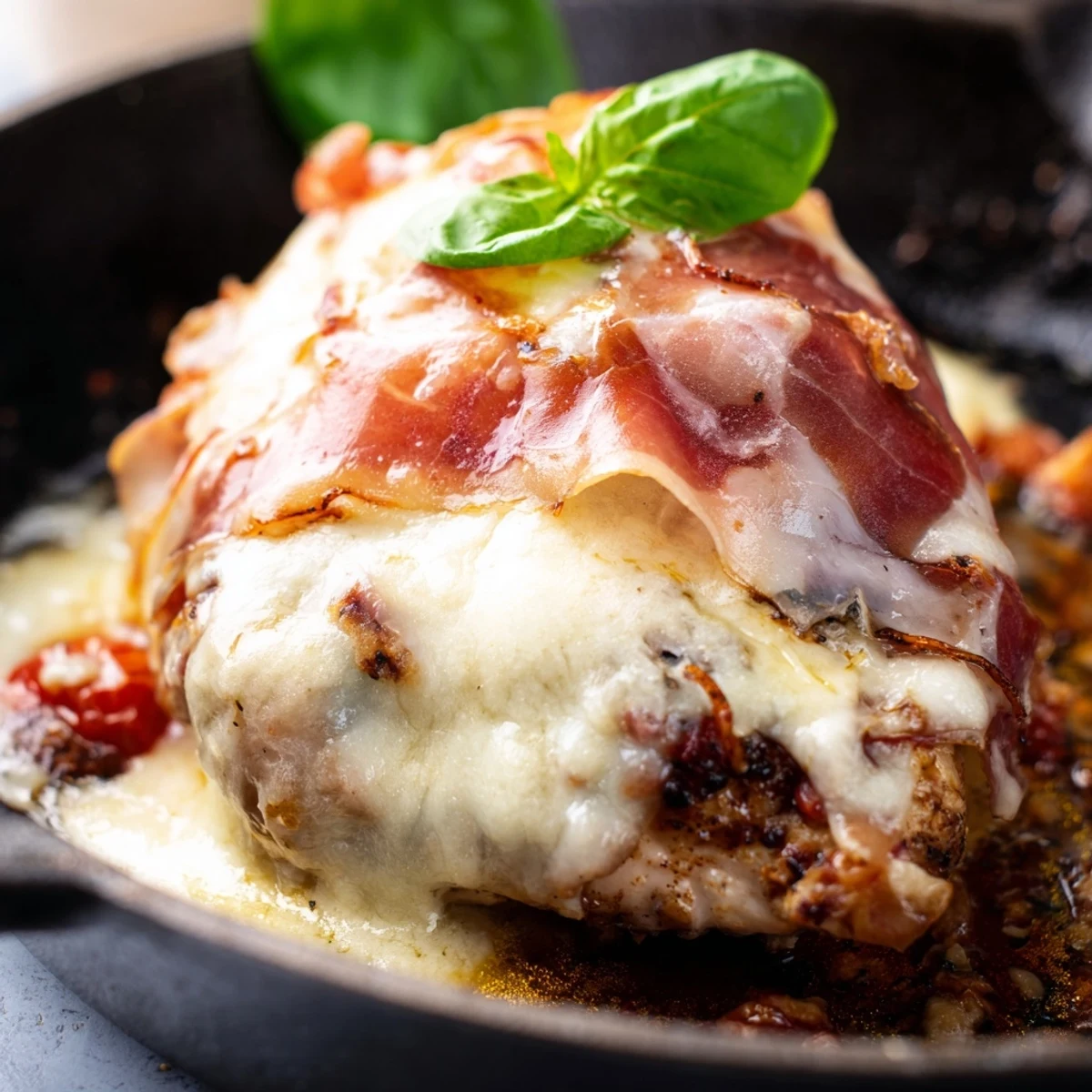
- Transfer the entire skillet into the oven for ten to twelve minutes until the cheese has melted into bubbling pools and the chicken is cooked through completely.
- Garnish and serve:
- Scatter torn fresh basil over the top and spoon extra sauce over each portion as you serve it hot from the skillet.
 Save to Pinterest
 The second time I made this, my daughter wandered into the kitchen, peered into the skillet, and declared it looked like chicken wearing a cheese sweater. Now that is the only name she calls it, and honestly, she is not wrong.
What to Serve Alongside
Creamy polenta is my favorite companion because it soaks up the tomato sauce like nothing else. Risotto works beautifully too, especially a simple lemon herb version that cuts through the richness. A chunk of crusty bread is really all you need if you want to keep things casual and let the chicken be the star.
Making It Gluten Free
Swap the all-purpose flour for a one to one gluten free blend and you will barely notice a difference in the final crust. I have also used cornstarch in a pinch, which creates an even lighter coating with a subtle crunch that some people actually prefer. Just check your chicken broth label since some brands sneak in wheat based thickeners.
Reheating and Storage Tips
Leftovers keep well in the fridge for up to three days and reheat gently in a covered skillet over low heat so the chicken stays tender. The microwave works but can make the breading soggy, so add a splash of broth before reheating. The sauce actually tastes better the next day when all the flavors have had time to mingle overnight.
- Store the chicken and sauce together in an airtight container to keep everything moist.
- Freeze individual portions for up to two months, just thaw overnight in the fridge before reheating.
- Always let the skillet rest for five minutes after coming out of the oven so the cheese settles and the juices redistribute.
 Save to Pinterest
 Some recipes become staples because they are easy, and others earn their place because they make people close their eyes when they take the first bite. Chicken Valdostana does both, and that is worth keeping in your back pocket forever.
Recipe Questions & Answers
- → What is Fontina cheese and can I substitute it?
-
Fontina is a semi-soft Italian cheese from the Aosta Valley with a mild, nutty flavor and excellent melting qualities. If unavailable, mozzarella, Gruyère, or provolone make good substitutes.
- → Can I make Chicken Valdostana ahead of time?
-
You can prepare the sauce and sear the chicken up to a day in advance. Assemble with prosciutto and cheese, then reheat in the oven at 180°C for about 15 minutes until heated through and the cheese melts.
- → What wine pairs best with Chicken Valdostana?
-
A dry white wine like Pinot Grigio or the same wine used in cooking works beautifully. For red wine lovers, a light-bodied Chianti or Barbera complements the tomato sauce and melted cheese nicely.
- → How do I know when the chicken is fully cooked?
-
The safest method is using a meat thermometer; the internal temperature should reach 74°C (165°F) at the thickest part. Visually, the juices should run clear and the meat should be opaque throughout with no pink center.
- → Is there a gluten-free version of this dish?
-
Yes, simply replace the all-purpose flour with a gluten-free flour blend or cornstarch for dredging. Cornstarch actually creates an especially crispy crust when seared in the skillet.
- → What side dishes go well with Chicken Valdostana?
-
Creamy polenta is the most traditional accompaniment, but risotto, roasted vegetables, a simple green salad, or crusty Italian bread all work wonderfully to complement the rich, saucy chicken.