
 Save to Pinterest
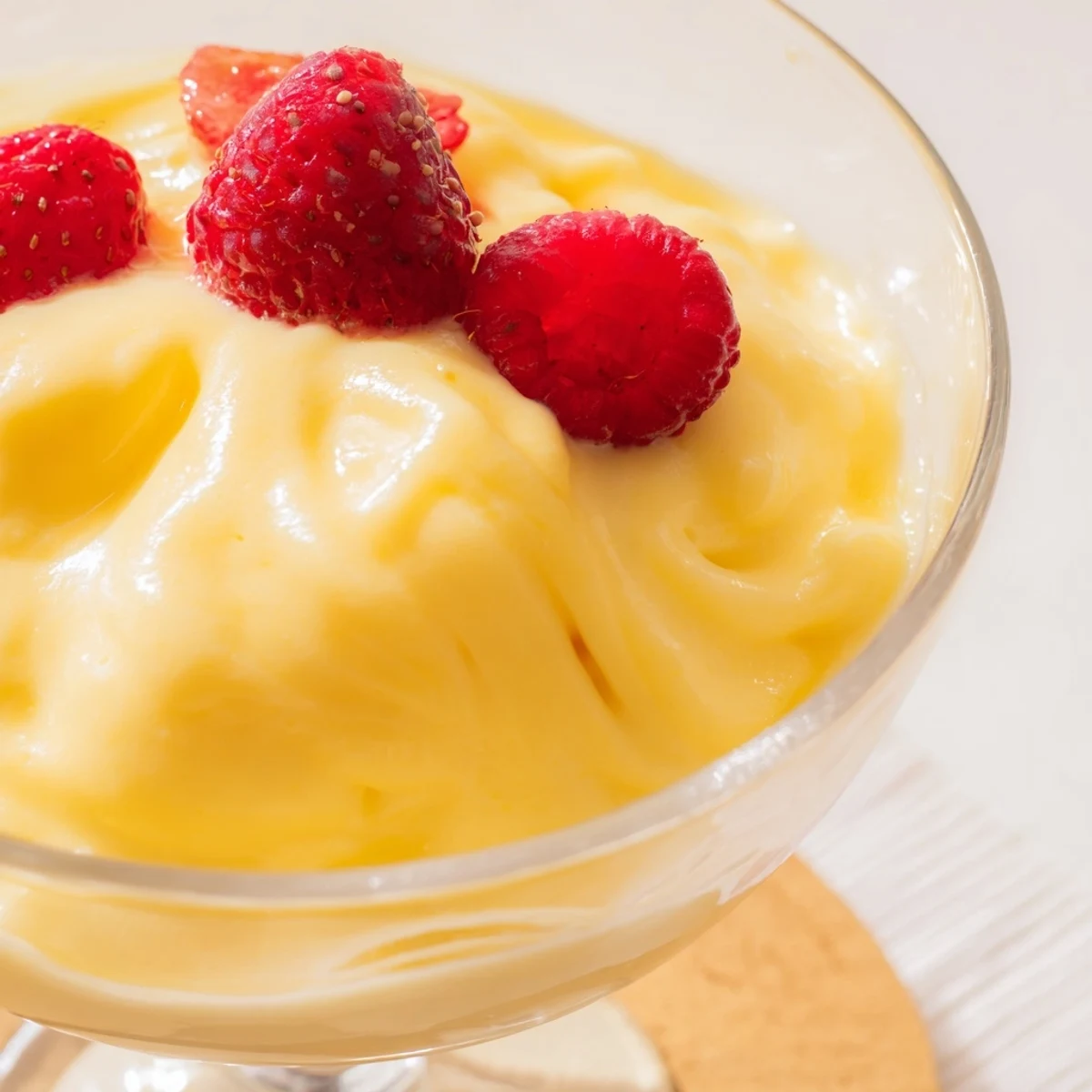
 Create a luxurious Italian dessert with just three simple ingredients. This traditional zabaglione transforms egg yolks, sugar, and Marsala wine into a silky, frothy custard that doubles in volume as you whisk it over gentle heat. The result is a warm, elegant dessert that's surprisingly simple to prepare yet impresses every time.
Perfect for entertaining or a special weeknight treat, this classic Italian delicacy comes together in just 20 minutes and requires no special equipment beyond a whisk and heatproof bowl. Serve it immediately in elegant glasses, perhaps topped with fresh berries or alongside crisp ladyfingers for the perfect finish.
The steam from a double boiler has a way of making the whole kitchen smell like comfort, and zabaglione taught me that patience really is a secret ingredient. I first attempted this Italian classic during a dinner party where I was desperately trying to impress someone, and my arm ached from whisking for what felt like an eternity. That evening I learned that the transformation from runny yolks to cloud-like custard feels almost magical, especially when you watch it triple in volume right before your eyes.
My Italian neighbor Nonna Maria watched me struggle through my first batch, gently correcting my whisking technique and showing me how to recognize that perfect ribbon stage. She explained that zabaglione was traditionally served to newlyweds because of its supposed restorative properties, but honestly, the way it coats the back of a spoon makes it feel restorative after any long day.
Ingredients
- 6 large egg yolks: Room temperature eggs whisk up faster and incorporate more air, giving you that signature fluffy texture
- 1/2 cup (100 g) granulated sugar: The sugar not only sweetens but helps stabilize the foam structure as it dissolves into the yolks
- 1/2 cup (120 ml) Marsala wine: This fortified wine provides the classic flavor, but dry sherry makes an excellent substitute if that is what you have on hand
- Fresh berries: The tartness of raspberries or strawberries cuts through the richness beautifully
- Ladyfingers or biscotti: Perfect for dipping into the warm custard, adding a lovely textural contrast
Instructions
- Set up your double boiler:
- Fill a medium saucepan with about two inches of water and bring it to a gentle simmer, not a rolling boil, because too much heat will scramble the eggs instead of cooking them gently
- Whisk the yolks and sugar:
- In a large heatproof bowl, whisk together the egg yolks and sugar until the mixture turns pale yellow and slightly thickens, which takes about two minutes of steady whisking
- Start the gentle cooking:
- Place the bowl over the simmering water, making absolutely sure the bottom does not touch the water, then gradually pour in the Marsala while whisking constantly
- The transformation:
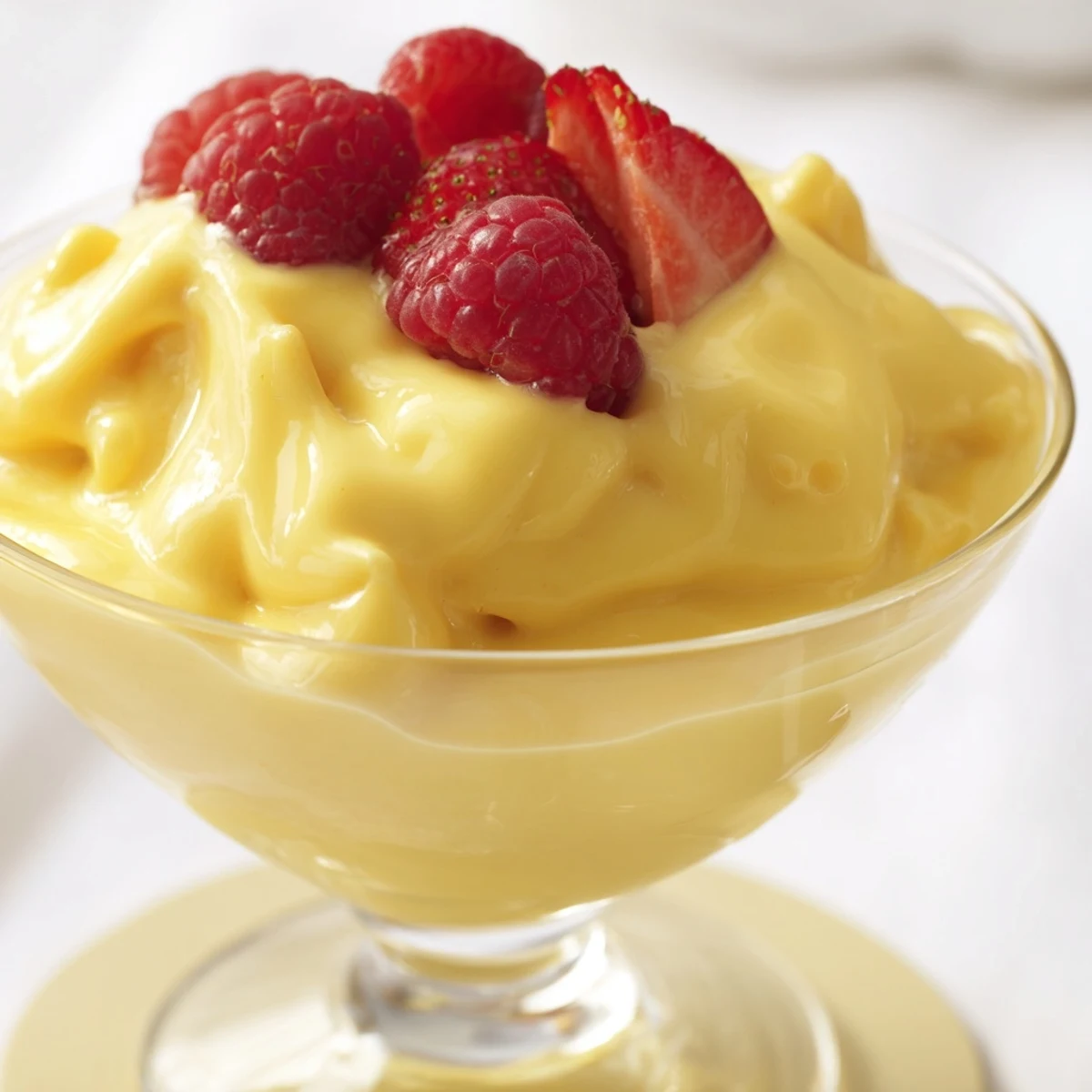
- Keep whisking for eight to ten minutes, watching the mixture triple in volume and form thick, soft ribbons that hold their shape when you lift the whisk
- Serve immediately:
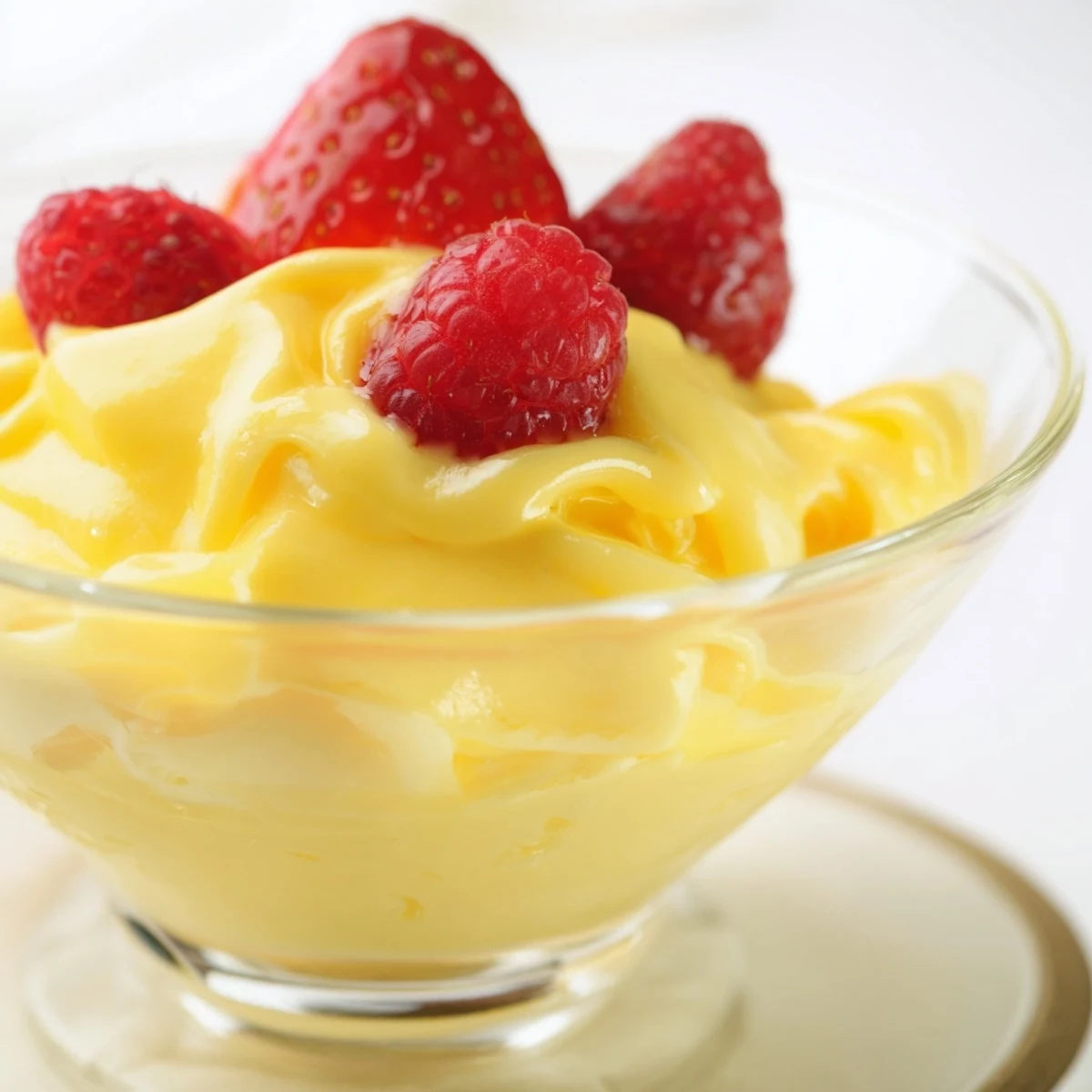
- Remove from heat the moment it reaches that perfect ribbon consistency and portion into dessert glasses or small bowls while still warm
- Add your finishing touches:
- Garnish with fresh berries or set out ladyfingers and biscotti for dipping, letting guests customize their own experience
 Save to Pinterest
 Years later, I made zabaglione for my own wedding anniversary, standing over the stove with that same focused determination, remembering how Nonna Maria had corrected my grip on the whisk. My husband watched, fascinated, as the simple ingredients transformed into something that felt like pure luxury served in humble dessert cups.
Making It Ahead
While zabaglione is traditionally served warm, I have discovered that it can be refrigerated for up to two hours if needed, though it will deflate slightly. Give it a gentle whisk before serving to reincorporate some air, and consider serving it chilled with a sprinkling of grated dark chocolate on top.
Flavor Variations
Try swapping Marsala for a sweet dessert wine like Moscato for a lighter, more floral version, or use orange juice with a teaspoon of orange extract for a non-alcoholic twist that still delivers plenty of flavor. A tablespoon of espresso dissolved in the wine creates a mocha variation that pairs perfectly with chocolate biscotti.
Serving Suggestions
Pour warm zabaglione over slices of pound cake or use it as a sauce for vanilla gelato, letting the heat of the custard slightly melt the ice cream into a creamy puddle. For an elegant brunch presentation, serve it alongside crisp Italian cookies and fresh fruit, allowing guests to dip and combine flavors according to their preferences.
- Small espresso cups make perfect serving vessels, giving each guest an elegant portion
- Grate a little fresh nutmeg over the top just before serving for an aromatic finish
- Leftovers can be gently reheated over low heat, whisking constantly to restore the texture
 Save to Pinterest
 There is something profoundly satisfying about making zabaglione, a reminder that sometimes the most elegant desserts come from the simplest ingredients treated with care and attention. Serve it warm to someone you love.
Recipe Questions & Answers
- → What makes zabaglione different from regular custard?
-
Zabaglione is lighter and airier than traditional custard because it's whisked over heat until it triples in volume, creating a frothy texture. Unlike baked custards, it's served warm and doesn't contain milk or cream, relying solely on eggs for richness.
- → Can I make zabaglione without Marsala wine?
-
Yes, you can substitute Marsala with dry sherry, port, or for a non-alcoholic version, use orange juice or grape juice. The flavor profile will change slightly, but the technique and texture remain the same.
- → Why must zabaglione be whisked constantly?
-
Constant whisking prevents the eggs from scrambling and ensures even heating, which creates the signature silky texture. The motion also incorporates air, making the mixture expand and become light and frothy rather than dense.
- → Is zabaglione served warm or cold?
-
Zabaglione is traditionally served warm immediately after preparation, as this is when its texture is most luxurious. However, it can be chilled if preferred—just note it will become denser and lose some of its airy quality.
- → What should I serve with zabaglione?
-
Fresh berries like strawberries or raspberries provide a tart contrast to the sweet custard. Crisp ladyfingers, biscotti, or even sponge cake are perfect for dipping. For an extra touch, sprinkle with grated chocolate or lemon zest.