
 Save to Pinterest
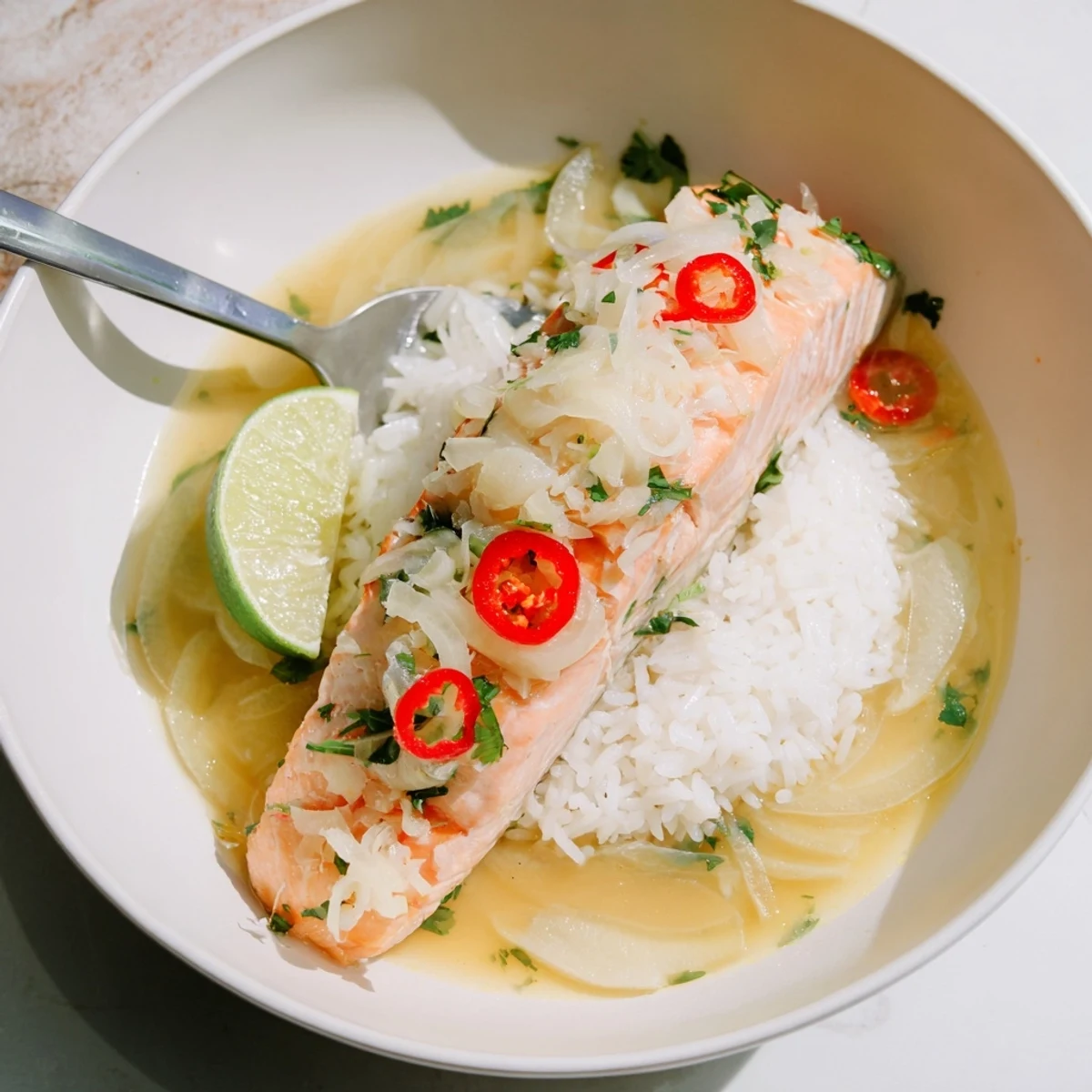
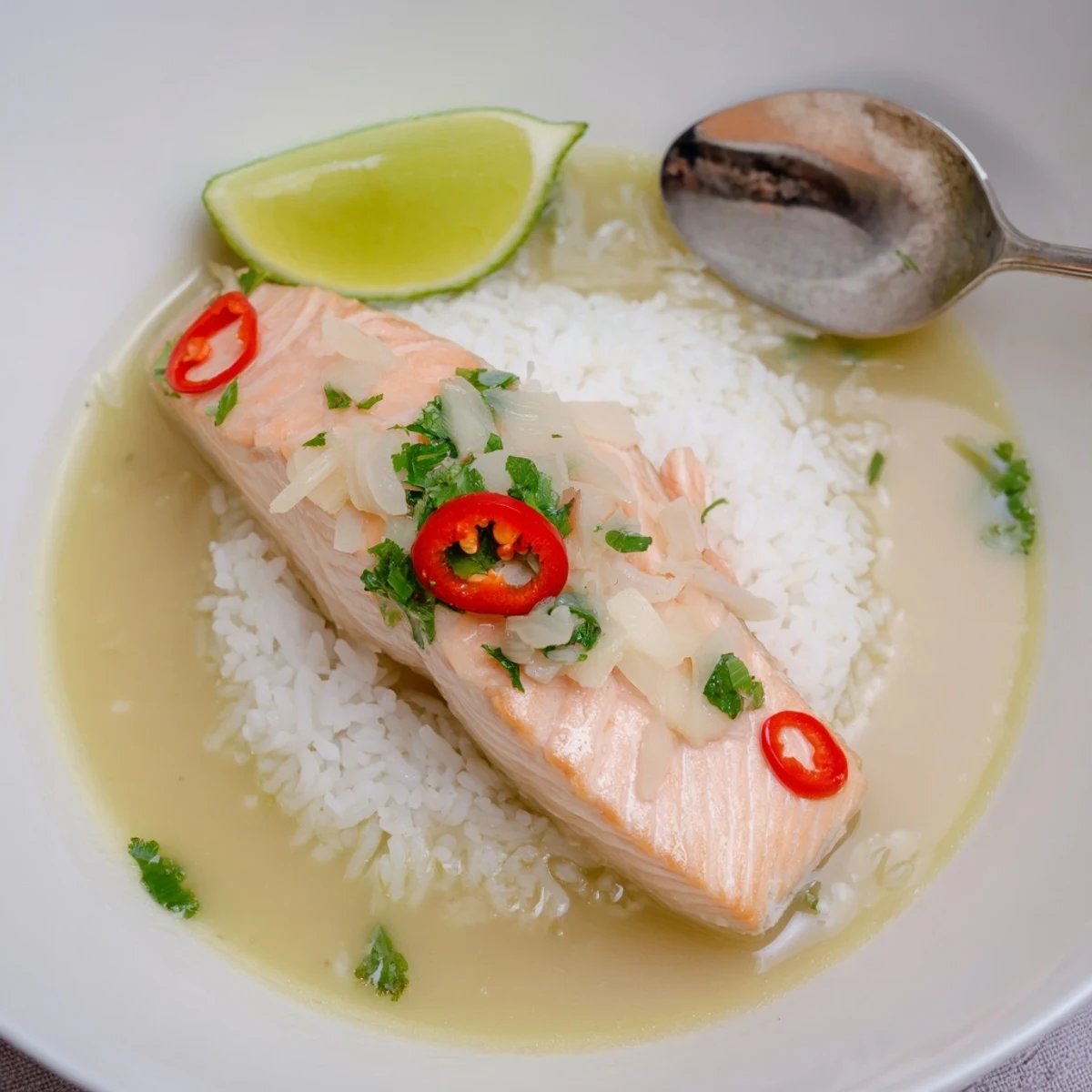
 Silky salmon fillets are gently poached in a fragrant coconut-lime broth with ginger, garlic and a touch of fish sauce and soy. A gentle simmer keeps fillets tender and moist—about 10–12 minutes—while lime zest and cilantro lift the flavors. Serve with jasmine rice or rice noodles; add snap peas or bell pepper to the poaching liquid for crunch. For a soy-free option, substitute coconut aminos and adjust seasoning to taste.
The first time I made coconut lime poached salmon, I didn&apost even plan on it. Rummaging through my fridge one rainy Tuesday, I found a lonely can of coconut milk and some tucked-away limes, begging for attention. As soon as the fragrant steam started rising in my kitchen, curiosity turned to delight. There&aposs something quietly joyful about watching tender salmon poach away in a bath of tropical aromas, even if you haven&apost got an audience.
One evening, I prepared this salmon for my partner after a long day, and the clinking of spoons soon gave way to animated chatter. We passed lime wedges back and forth and scraped every last bit of broth from our bowls. Even our skeptical friend, who claimed he didn&apost like "fishy things," gave a satisfied nod before asking for seconds. That dinner felt like an accidental celebration.
Ingredients
- Salmon fillets: Choose skinless fillets for easy poaching—if they&apose cold from the fridge, let them sit at room temperature for 10 minutes first to prevent curling.
- Small onion: Thinly sliced onion sweetens the base and mellows during poaching; aim for even slices so nothing burns.
- Garlic cloves: Two cloves, minced, bring punchy aroma without overpowering the sauce.
- Fresh ginger: Grated ginger wakes up the whole dish—don&apost skip it if you want that zingy undercurrent.
- Red chili (optional): Adding just a bit provides warmth, but you can leave it out or double it to suit your mood.
- Coconut milk: Full-fat gives a silky finish—shake the can well before pouring to mix in the cream.
- Chicken or vegetable broth: Adds depth; if you&aposre vegetarian, the veggie broth keeps things light and savory.
- Lime juice and zest: Freshly squeezed is a must here—the zest stirs right into the sauce for a tangy burst.
- Fish sauce: Just a splash for umami—it smells strong, but mellows beautifully once simmered.
- Soy sauce or tamari: Tamari makes it gluten-free; either way, the salty note balances the coconut sweetness.
- Sugar or honey: Tiny bit for balance—you can use whichever you have on hand.
- Fresh cilantro: Sprinkle over at the end for a bright, herbal finish.
- Lime wedges: Everyone loves adding more lime juice tableside.
- Spring onions: Thinly sliced on top for crunch and color.
- Jasmine rice or rice noodles (optional): For soaking up extra sauce (never a bad idea—trust me).
Instructions
- Sauté aromatics:
- In a large, deep skillet over medium heat, pour in a splash of oil, then tumble in the onion, garlic, ginger, and red chili. Stir gently and listen for the sizzle—the kitchen should smell sweet and spicy in about 3–4 minutes.
- Make the poaching liquid:
- Pour in coconut milk, broth, lime zest, and juice, then add fish sauce, soy sauce or tamari, and sugar. Stir everything together and let the mixture come just to a gentle simmer—you want lazy, slow-moving bubbles.
- Poach the salmon:
- Gently lay the salmon fillets into the pan, nestling them down into the liquid. Cover and let them poach on low-medium heat for 10–12 minutes, until the flesh turns opaque and flakes apart with a fork.
- Season to taste:
- Remove the lid, give the broth a quick taste, and decide if it needs a little more lime, soy, or fish sauce. Adjust as needed for that perfect bright, salty kick.
- Garnish and serve:
- Ladle the broth and salmon over warm rice or noodles, then top with cilantro, spring onions, and squeeze extra lime juice over everything. Serve right away while it&aposs still steaming and fragrant.
 Save to Pinterest
 Somehow, this salmon dish has managed to be more than a recipe for me—it became my go-to move when I wanted to take care of friends or turn a basic dinner into something that feels like a small treat. Watching faces light up after that first citrusy bite has made each batch a little more special.
Letting Aromas Lead the Way
As the onion and garlic hit the pan, there&aposs a hush in the kitchen broken only by the gentle sizzle. Whenever I notice the sweet-spicy aroma drifting out into the hallway, I know I&aposm on track—no timer needed.
Freshness Makes the Difference
Cilantro and spring onions make the final dish brighter, so I chop them right before serving. Once, I swapped in parsley and felt the sauce missed a green spark—fresh herbs take it over the top every time.
Serving and Pairing Ideas
Jasmine rice is my favorite base, but rice noodles soak up the broth just as well if you want a lighter dinner. Pairing it with a tangy salad makes everything feel even fresher, especially in warmer weather.
- Add steamed snap peas or bell peppers for extra color.
- A squeeze of lime at the table sharpens every bite.
- Don&apost be shy about grabbing a spoon to finish the broth.
 Save to Pinterest
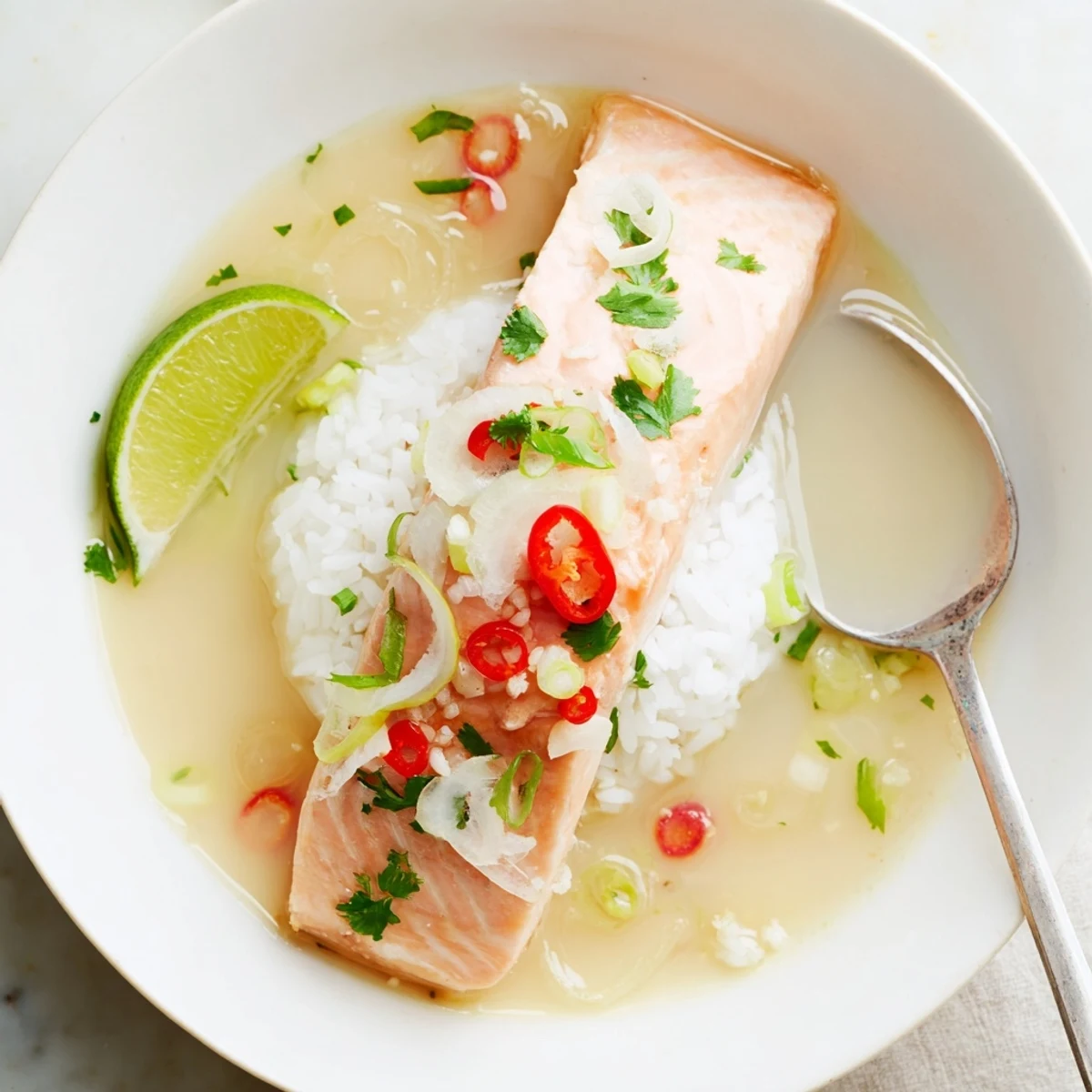
 This coconut lime poached salmon brings my kitchen to life any day of the week. If you try it, I hope it brings as much quiet satisfaction to your table as it does to mine.
Recipe Questions & Answers
- → What cut of salmon works best?
-
Use skinless fillets about 6 oz each and similar thickness so they cook evenly. Thicker portions may need a minute or two more in the poaching liquid.
- → How can I tell when the salmon is done?
-
Salmon is ready when it flakes easily with a fork and is opaque through most of the fillet; an instant-read thermometer registers about 125–130°F for medium doneness. Remove from heat promptly to avoid overcooking.
- → How do I control the spice level?
-
Adjust the sliced red chili amount or omit it for no heat. For more warmth, add chili flakes, a drizzle of sambal, or extra sliced chilies while poaching.
- → How do I prevent the coconut milk from splitting?
-
Keep the poaching liquid at a gentle simmer rather than a rolling boil and maintain low to medium heat while cooking. Stir gently and avoid prolonged high heat to keep the broth smooth.
- → What are good side dishes to serve with this?
-
Steamed jasmine rice, rice noodles, or lightly sautéed greens pair well. Fresh cilantro, spring onions, and lime wedges brighten the plate; a crisp white wine like Sauvignon Blanc complements the flavors.
- → Can I add vegetables to the poaching liquid?
-
Yes—add sliced bell pepper, snap peas or baby bok choy to the liquid and cook just until tender so they keep color and texture. Vegetables also infuse the broth with extra flavor.