 Save to Pinterest
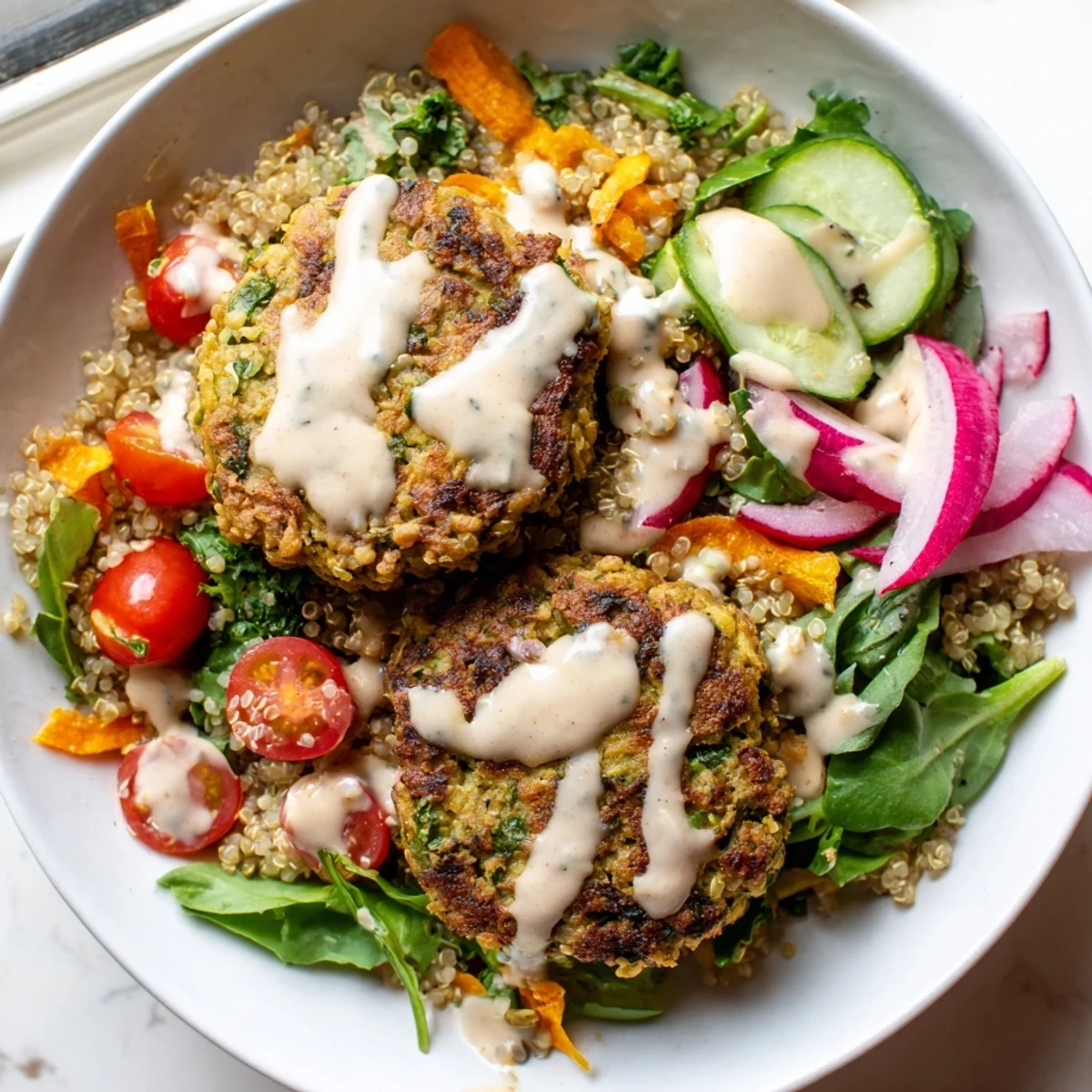
 This falafel grain bowl brings together the best of Middle Eastern flavors in one satisfying meal. Pan-fried chickpea falafel patties seasoned with cumin and coriander sit atop a bed of fluffy quinoa or brown rice, surrounded by crisp cucumber, juicy cherry tomatoes, shredded carrot, and mixed greens.
A generous drizzle of creamy tahini-lemon dressing ties everything together. Each component can be prepped in advance, making it an excellent choice for meal prep or a nourishing weeknight dinner that serves four.
My apartment smelled like a falafel shop for three days straight, and honestly I was not mad about it. It all started when I found a forgotten can of chickpeas buried behind some mystery spices and decided enough was enough with boring weeknight dinners. That first batch of crispy little patties, piled over grains with whatever vegetables were hanging around, turned a random Tuesday into something worth remembering.
I made this for my neighbor Sarah after she helped me carry groceries up four flights of stairs in the rain. She sat on my kitchen floor eating straight from the bowl and declared it the best vegetarian thing she had ever tasted, which from a committed meat eater meant a lot.
Ingredients
- Chickpeas (1 1/2 cups cooked): Canned works perfectly fine, just drain and rinse them well so your falafel does not taste tinny.
- Onion (1/2 small, roughly chopped): Any color onion will do, but red gives a slightly sweeter note.
- Garlic (2 cloves): Fresh is best here, and you can add an extra clove if you like things punchy.
- Fresh parsley and cilantro (1/4 cup each): These herbs are what make falafel taste like falafel, so do not skip or skimp on them.
- Ground cumin (1 tsp) and coriander (1/2 tsp): Toasting these spices for thirty seconds in a dry pan before adding them wakes up their flavor immensely.
- Baking powder (1/2 tsp): This little secret keeps the falafel light inside instead of dense and heavy.
- Flour (1/4 cup): All purpose works great, or use chickpea flour to keep everything gluten free.
- Salt (1/2 tsp) and black pepper (1/4 tsp): Seasoning matters here more than you might expect.
- Olive oil (3 tbsp for frying): A good generous coating in the pan is what creates that golden crust.
- Quinoa or brown rice (1 cup uncooked): Quinoa cooks faster and adds protein, but brown rice has a nutty chew that is deeply satisfying.
- Water or vegetable broth (2 cups): Broth adds another layer of flavor to otherwise plain grains.
- Cherry tomatoes (1 cup, halved): Their little bursts of sweetness balance the earthy falafel beautifully.
- Cucumber (1, diced): Peel it or leave the skin on for color and texture.
- Mixed greens (2 cups): Arugula is my favorite because its peppery bite holds up to the bold dressing.
- Carrot (1 medium, shredded): A box grater makes quick work of this and adds a lovely pop of orange.
- Red onion (1/4, thinly sliced): Soak the slices in cold water for five minutes if you find raw onion too sharp.
- Pickled turnips or radishes (1/4 cup, optional): These add a tangy crunch that takes the whole bowl to another level.
- Tahini (3 tbsp): Stir it well before measuring because it separates in the jar.
- Lemon juice (2 tbsp): Fresh squeezed only, the bottled stuff tastes flat here.
Instructions
- Cook your grains:
- Rinse the quinoa or rice under cold water until it runs clear. Combine with broth or water and salt in a saucepan, bring it to a boil, then drop the heat to low, cover it, and let it do its thing until tender. Fluff with a fork and let it cool slightly while you handle everything else.
- Build the falafel mixture:
- Throw the chickpeas, onion, garlic, herbs, spices, baking powder, flour, salt, and pepper into a food processor. Pulse until it looks like coarse wet sand that just holds together when you pinch it, stopping before it turns into hummus.
- Shape and fry:
- Roll the mixture into small balls or flatten them into patties using about two tablespoons each. Heat olive oil in a large skillet over medium heat and cook them three to four minutes per side until deeply golden and crisp on the outside.
- Whisk the dressing:
- Stir together tahini, lemon juice, olive oil, water, minced garlic, salt, and pepper in a small bowl until it turns smooth and creamy. Add another splash of water if it seems too thick to drizzle.
- Assemble your bowls:
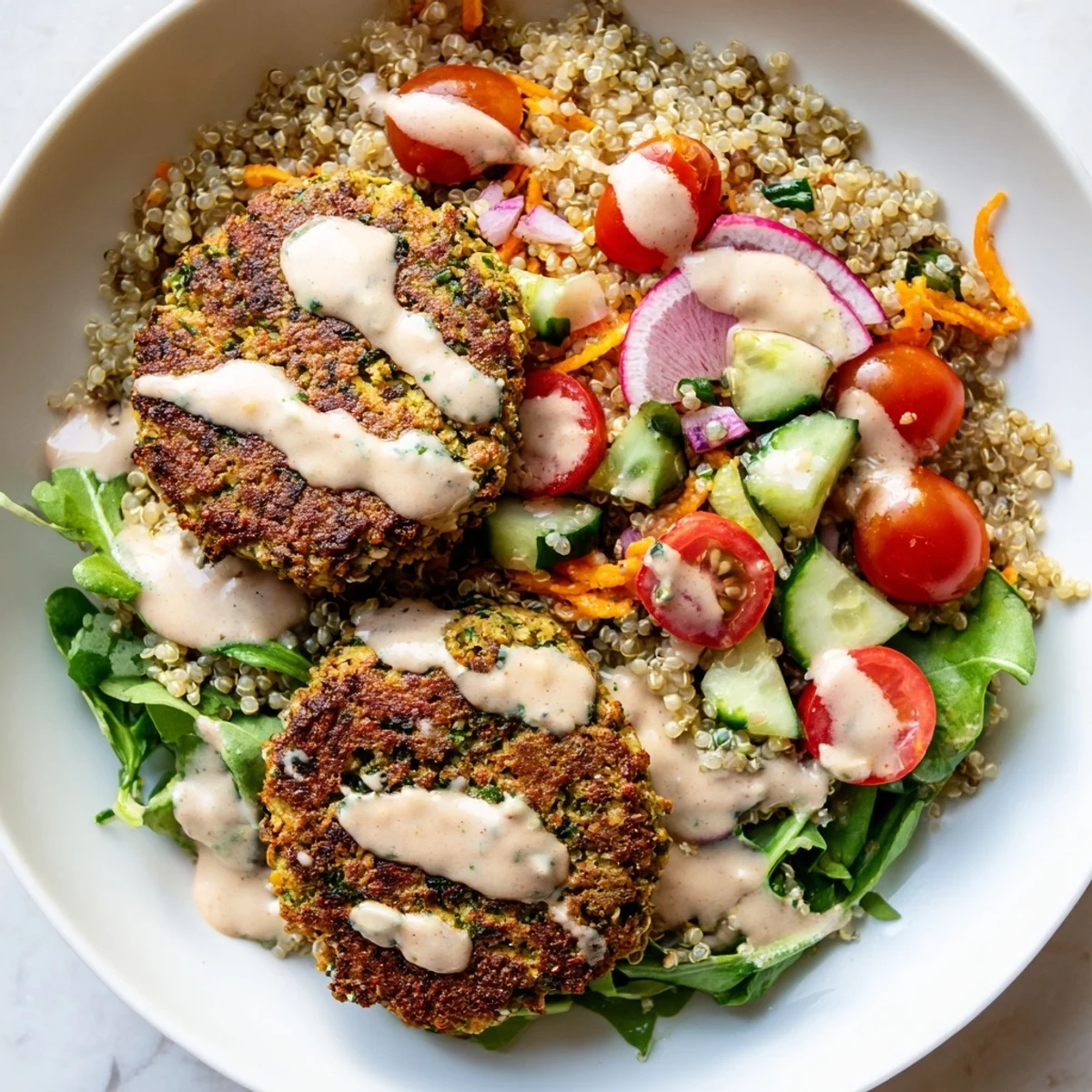
- Divide the grains among four bowls and arrange greens, tomatoes, cucumber, carrot, red onion, and pickled vegetables over the top. Nestle the warm falafel right in the middle and finish with a generous drizzle of that tahini dressing.
 Save to Pinterest
 Somewhere between the second and third batch I made this week, I realized I had stopped thinking of it as a recipe and more as a fridge clearing ritual that always ends well.
Mixing Things Up
Farro or bulgur can stand in for quinoa if you want a chewier, more substantial base. Crumbled feta, a handful of kalamata olives, or a heavy shower of zaatar on top will shift the whole bowl toward something even more boldly Mediterranean.
Keeping Things Gluten Free
Chickpea flour is the easy swap here and actually gives the falafel a slightly nuttier flavor that I have come to prefer. Just double check your baking powder and any packaged broth to make sure neither has hidden gluten lurking in the ingredient list.
Storing and Reheating
The components keep beautifully separated in airtight containers for up to four days, making this an ideal meal prep situation.
- Store the falafel separately so it stays crisp instead of going soggy against the grains.
- Reheat falafel in a dry skillet for two minutes per side to bring back that just cooked crunch.
- Make extra dressing because you will definitely run out before you want to.
 Save to Pinterest
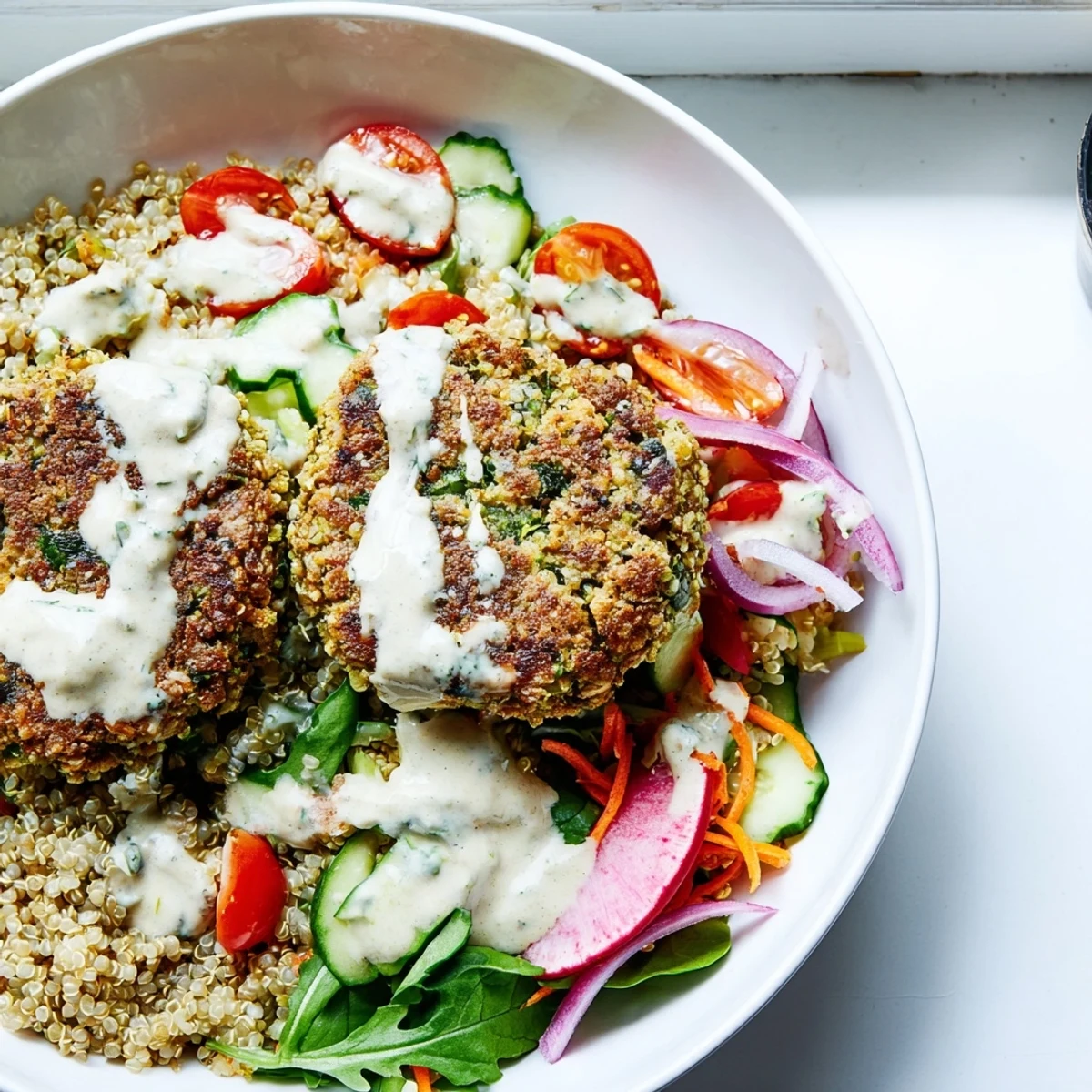
 There is something deeply satisfying about building a bowl that looks this vibrant and knowing it came together with humble pantry staples and a little heat. Make it once and it will become part of your regular rotation without even trying.
Recipe Questions & Answers
- → Can I bake the falafel instead of pan-frying?
-
Yes, you can bake the falafel at 375°F (190°C) for about 20–25 minutes, flipping halfway through, until golden and crisp. Brush or spray them lightly with olive oil before baking for better browning.
- → What grains work best as the base?
-
Quinoa and brown rice are both excellent choices. You can also use farro, bulgur, couscous, or even freekeh. Each grain brings a slightly different texture and nutritional profile to the bowl.
- → How should I store leftovers?
-
Store each component separately in airtight containers in the refrigerator for up to 3 days. Keep the dressing in its own container and drizzle it on just before serving to maintain the best texture and freshness.
- → Can I make the falafel mixture ahead of time?
-
Absolutely. The uncooked falafel mixture can be prepared and stored in the refrigerator for up to 24 hours before shaping and cooking. You can also freeze the shaped patties for up to 3 months.
- → Is there a nut-free alternative to tahini dressing?
-
Tahini is seed-based and naturally nut-free, making it safe for most nut allergies. If you need a sesame-free option, try a simple lemon-olive oil vinaigrette or a dairy-free yogurt-based dressing with garlic and herbs.
- → What can I add for extra protein?
-
You can boost protein by adding roasted chickpeas, a dollop of hummus, crumbled feta cheese, or a handful of toasted pumpkin seeds. Each serving already provides 13 grams of protein from the falafel and grains alone.