
 Save to Pinterest
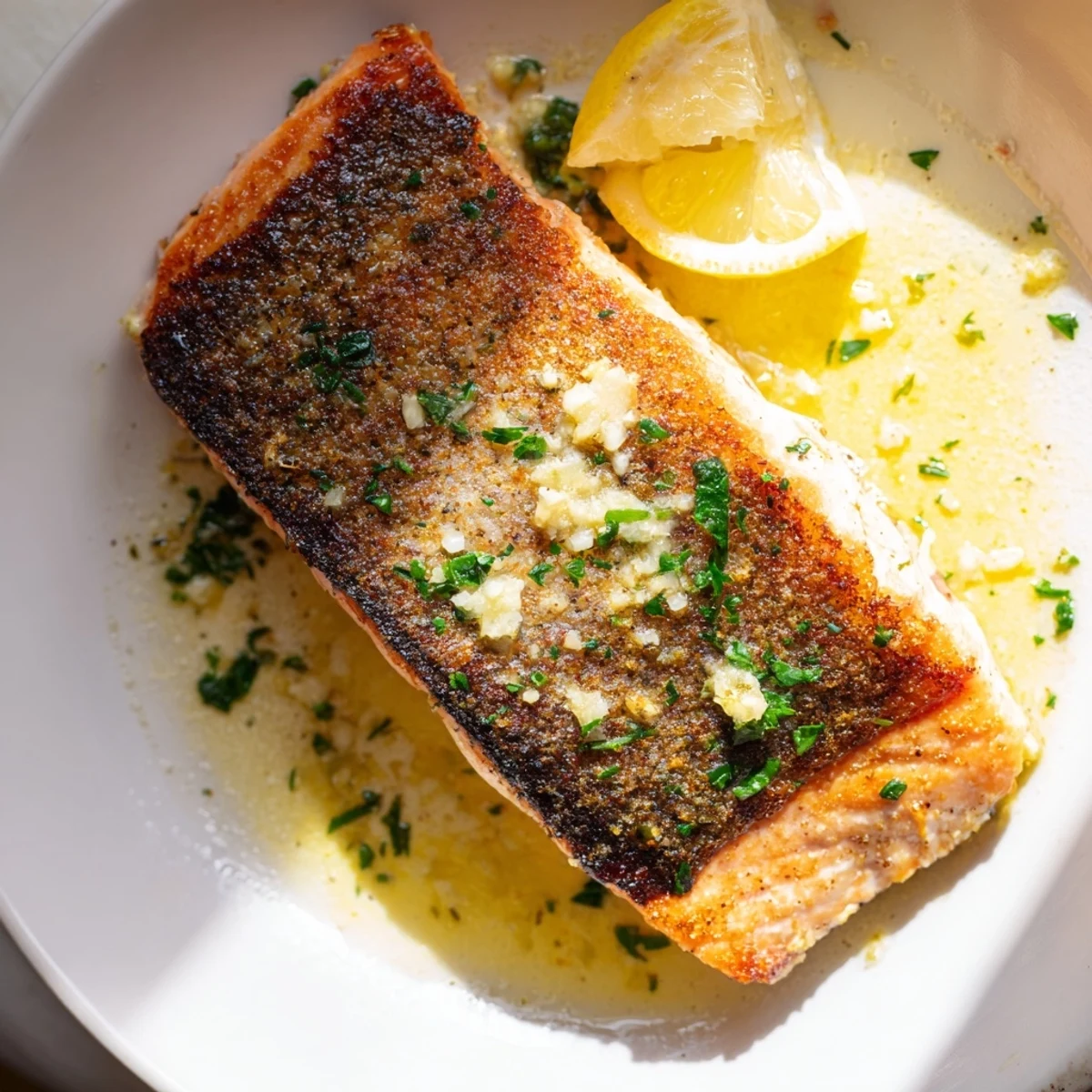
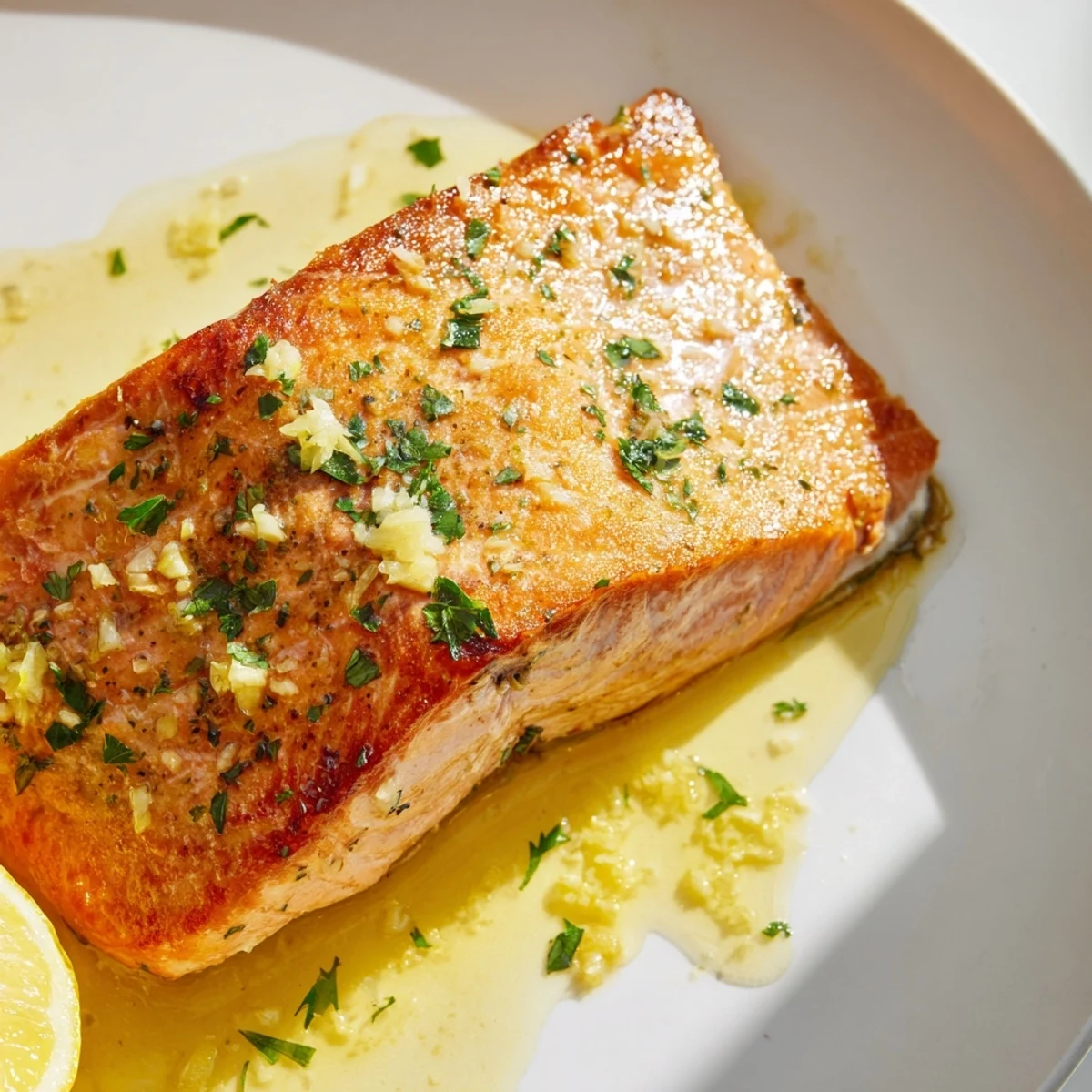
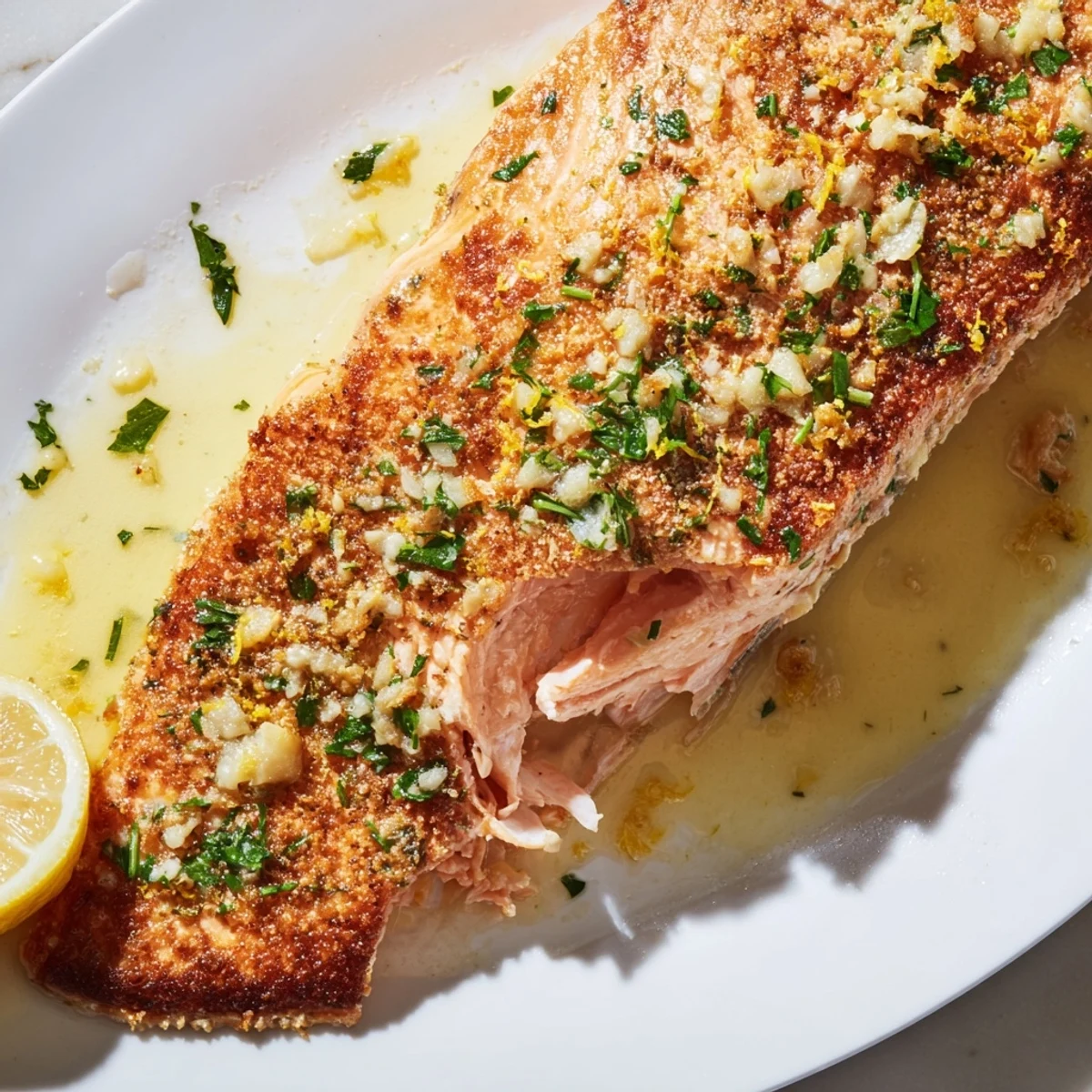
 This garlic butter salmon brings together succulent pan-seared fillets with a rich, aromatic butter sauce infused with minced garlic, fresh lemon juice, and chopped parsley.
Ready in just 25 minutes from start to finish, it's an ideal weeknight meal that delivers restaurant-quality results with minimal effort. The salmon develops a beautiful golden crust while staying moist and flaky inside.
Serve it alongside steamed vegetables, fluffy rice, or a crisp green salad for a complete, satisfying dinner that's naturally low-carb and gluten-free.
The sound of butter hitting a hot pan on a Tuesday evening is something I have come to associate with sanity. Salmon was never something I grew up eating, so discovering how easy it is to cook well felt like unlocking a door I assumed was locked. The garlic butter version specifically came from a rainy night when I had nothing planned and a lone fillet staring at me from the fridge. What happened next ruined me for all other salmon preparations.
I made this for my neighbor once when she brought over a bottle of wine unannounced. We stood in the kitchen eating straight from the pan with forks, leaning against the counter, not even bothering with plates. She now texts me every Friday asking if I am making the salmon again.
Ingredients
- Salmon fillets: Four pieces around 170 grams each, skin-on holds together better during pan frying but skinless works fine if that is what you have.
- Unsalted butter: Four tablespoons total, split between searing and finishing, because the second batch carries the garlic and lemon flavor directly into the fish.
- Garlic: Four cloves minced fine so they melt into the butter rather than sitting in chunks.
- Fresh lemon juice and zest: The zest goes in during cooking for depth and the juice gets squeezed on at the end for brightness.
- Fresh parsley: Chopped and added right before serving, it cuts through the richness in a way dried parsley simply cannot.
- Salt and black pepper: Season both sides generously before the fish hits the pan.
Instructions
- Dry and season the fish:
- Pat each fillet thoroughly with paper towels until the surface feels barely damp, then sprinkle salt and pepper on both sides like you mean it.
- Start the sear:
- Melt two tablespoons of butter in a large nonstick skillet over medium high heat until it foams and just starts to turn golden at the edges.
- Cook skin side down first:
- Lay the fillets gently into the pan starting away from you and let them cook undisturbed for four to five minutes until the bottom is deeply golden and you can see the color changing up the sides.
- Flip and build the sauce:
- Turn each fillet over, then drop in the remaining butter, the minced garlic, and the lemon zest, tilting the pan slightly so the melted butter pools and you can spoon it repeatedly over the fish for two to three minutes.
- Finish with lemon and parsley:
- Squeeze fresh lemon juice directly over the fillets, scatter the chopped parsley on top, and pull the pan off the heat the moment the thickest part of the fish flakes when you press it gently with a fork.
 Save to Pinterest
 There is a specific kind of quiet that happens when everyone at the table is too busy eating to talk. That silence is how I know I got the butter and garlic ratio right.
Ways to Serve It
Over a bed of steamed rice the butter pools underneath and seasons every grain. With roasted asparagus or green beans on the side you get something that feels like a restaurant plate with almost no effort.
If You Prefer to Bake It
Arrange the seasoned fillets in a baking dish with the butter, garlic, and zest scattered around them, then slide it into an oven at 200 degrees Celsius for twelve to fifteen minutes. The result is slightly more gentle and evenly cooked, which some people actually prefer.
A Few Things to Keep in Mind
A splash of dry white wine added with the garlic transforms the butter into something closer to a pan sauce and is absolutely worth trying once you have made the basic version.
- Let the salmon rest for a minute before serving so the juices redistribute instead of running onto the plate.
- A fish spatula with a thin flexible blade makes flipping dramatically easier than a thick one.
- Check for pin bones by running your finger along the center of each fillet before cooking.
 Save to Pinterest
 Some dinners are about feeding people and some are about the pleasure of standing over a pan, watching butter foam and garlic sizzle, knowing something wonderful is about to happen. This one is both.
Recipe Questions & Answers
- → How do I know when the salmon is fully cooked?
-
The salmon is done when it flakes easily with a fork and turns opaque throughout. For a 170g fillet, this typically takes 4–5 minutes on the first side and 2–3 minutes after flipping. The internal temperature should reach 63°C (145°F) for optimal doneness.
- → Can I use frozen salmon fillets instead of fresh?
-
Yes, frozen salmon works well. Thaw it completely in the refrigerator overnight for the best texture. Pat the fillets thoroughly dry with paper towels before seasoning and cooking to ensure a proper golden sear.
- → What's the best way to prevent the salmon from sticking to the pan?
-
Use a quality nonstick skillet and ensure it's fully heated before adding the butter. Also, make sure the salmon fillets are patted completely dry with paper towels before placing them in the pan. Pressing down gently when you first lay them in helps ensure even contact with the surface.
- → Can I bake this garlic butter salmon instead of pan-searing?
-
Absolutely. Place the seasoned salmon fillets in a baking dish with the garlic butter mixture and bake at 200°C (400°F) for 12–15 minutes. Basting halfway through with the melted butter keeps everything moist and flavorful.
- → What side dishes pair well with garlic butter salmon?
-
Steamed asparagus, roasted broccoli, or sautéed green beans complement the richness beautifully. For a heartier meal, serve over jasmine rice, quinoa, or creamy mashed potatoes. A fresh arugula salad with lemon vinaigrette also works wonderfully to balance the buttery flavors.
- → How should I store and reheat leftovers?
-
Store leftover salmon in an airtight container in the refrigerator for up to 2 days. To reheat, gently warm it in a skillet over low heat with a small pat of butter, or bake at 160°C (325°F) for about 10 minutes. Avoid microwaving, as it can dry out the fish and make it tough.