
 Save to Pinterest
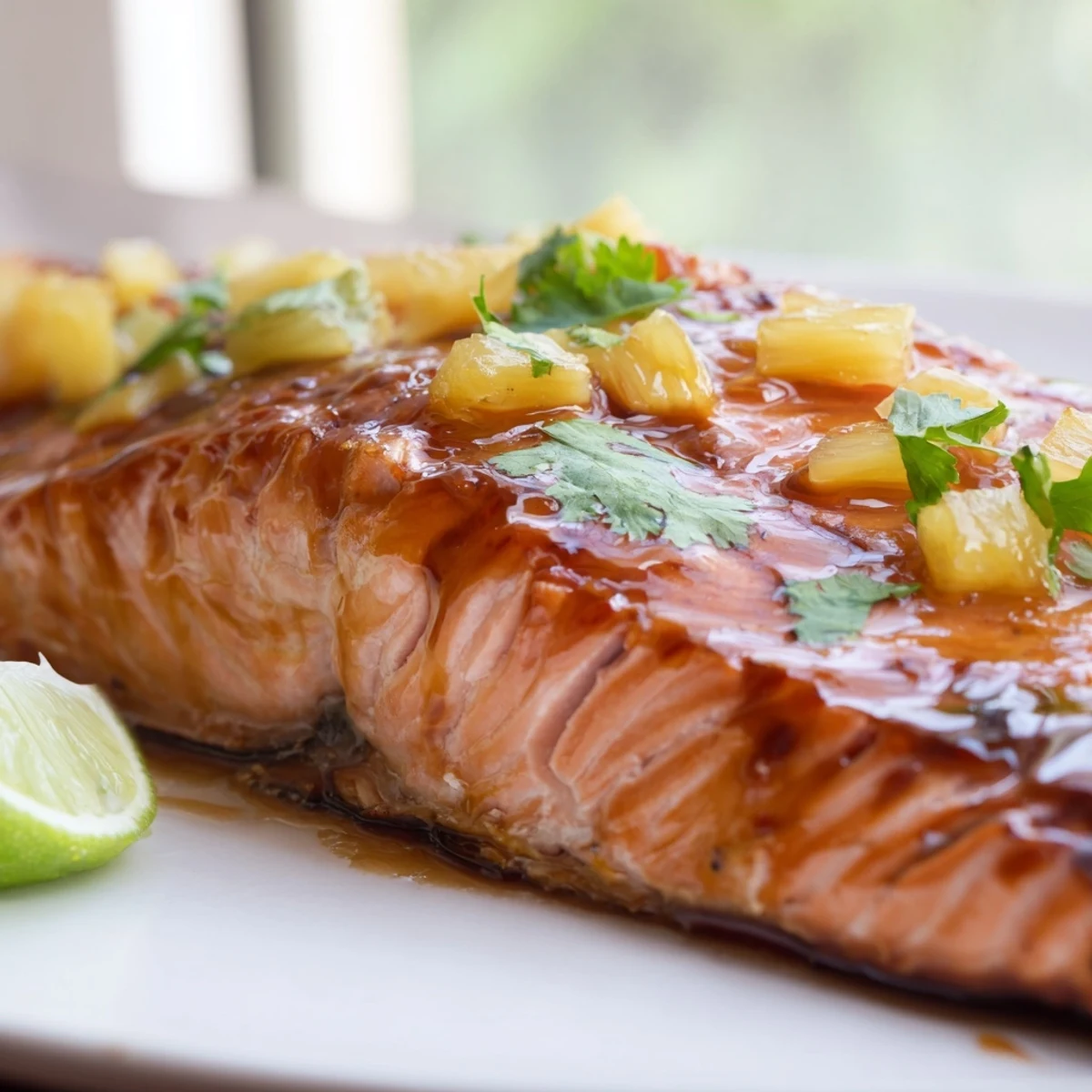
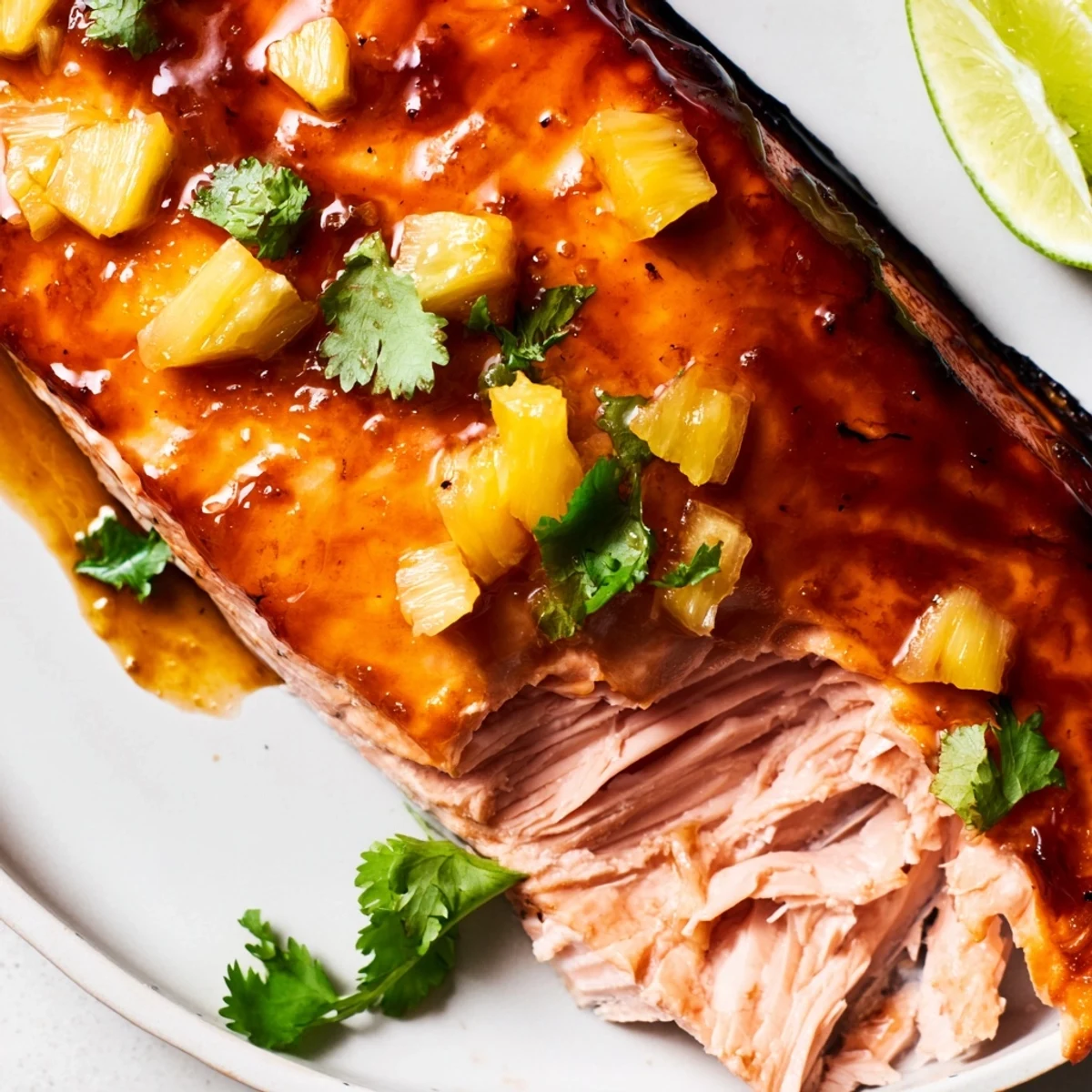
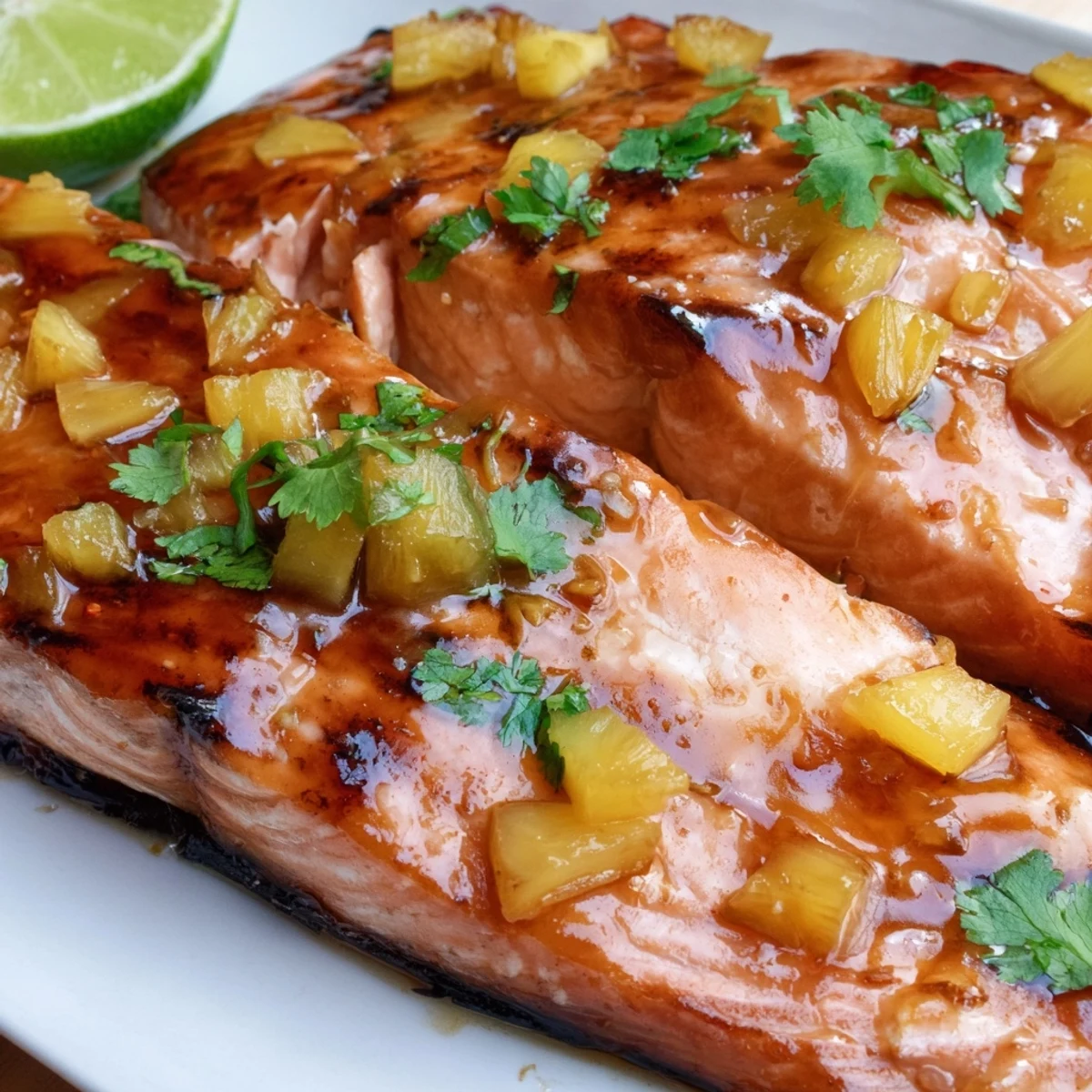
 This honey pineapple glazed salmon brings together the natural sweetness of honey with the bright, tropical acidity of pineapple juice, creating a glossy, caramelized coating over tender, flaky fillets.
Ready in just 30 minutes with minimal prep, it's an ideal weeknight dinner that feels special enough for entertaining. The glaze thickens beautifully on the stovetop before being brushed over the salmon and finished in the oven.
Serve alongside steamed rice and sautéed greens for a complete, balanced meal that's both pescatarian and gluten-free friendly.
The oven hummed to 200 degrees while outside a summer storm rattled the kitchen windows, and something about that contrast made me crave brightness on a plate. I had a jar of honey, half a pineapple sitting on the counter, and four salmon fillets that needed cooking before the evening slipped away. The glaze came together faster than the rain could soak the garden, and by the time the first drops hit the glass, the whole kitchen smelled like the tropics had crashed into my pantry.
My neighbor walked over during a barbecue last July, carrying a plate of grilled pineapple that changed the way I thought about fruit and fire together. That smoky sweetness lingered in my memory, and a week later I stood at my stove reducing pineapple juice and honey until it coated the back of a spoon like liquid amber.
Ingredients
- 4 salmon fillets, about 150 g each, skin on: Skin on matters here because it protects the delicate flesh from drying out while the glaze does its work above.
- Salt and freshly ground black pepper: A simple seasoning layer underneath the glaze gives the fish a foundation so the sweetness does not overwhelm.
- Half cup pineapple juice: Fresh squeezed if you have a pineapple, but a good quality bottled juice works beautifully when you are short on time.
- Quarter cup honey: The honey caramelizes in the oven and creates those gorgeous sticky edges that make everyone reach for seconds.
- 2 tablespoons soy sauce, gluten free if needed: This adds depth and saltiness that balances the tropical sweetness in a way plain salt cannot.
- 1 tablespoon freshly grated ginger: Skip the powdered stuff here, because fresh ginger gives the glaze a warmth that blooms on your tongue.
- 1 tablespoon rice vinegar or apple cider vinegar: A splash of acid keeps the glaze from tasting cloying and lifts the whole dish.
- 2 garlic cloves, minced: Garlic and ginger together are the quiet backbone of this sauce, so do not be tempted to leave either one out.
- 1 tablespoon cornstarch mixed with 2 tablespoons water: This slurry is what transforms a thin syrup into a glossy glaze that actually clings to the fish.
- 2 tablespoons fresh cilantro or parsley, chopped: Cilantro brings a citrusy freshness that pairs naturally with pineapple, but parsley is wonderful if cilantro tastes like soap to you.
- Half cup fresh pineapple, finely diced: Little bursts of raw fruit on top add texture and a bright contrast to the caramelized glaze below.
- Lime wedges for serving: A squeeze of lime at the very end wakes up every flavor on the plate.
Instructions
- Get the oven ready:
- Preheat your oven to 200 degrees Celsius, which is 400 Fahrenheit, and line a baking tray with parchment paper so cleanup is effortless later.
- Season the salmon:
- Pat the fillets dry with a paper towel, then season both sides with salt and pepper and place them skin side down on the tray.
- Build the glaze:
- In a small saucepan, combine the pineapple juice, honey, soy sauce, ginger, vinegar, and garlic, then bring it to a gentle simmer over medium heat, stirring now and then so the honey does not catch.
- Thicken it up:
- Once the mixture is bubbling, whisk in the cornstarch slurry and keep stirring for two to three minutes until the glaze coats your spoon and looks like warm caramel.
- Glaze the first coat:
- Brush half the glaze generously over each fillet, saving the rest for later, and watch how it pools in golden puddles around the fish.
- Bake until flaky:
- Slide the tray into the oven for ten to twelve minutes, until the salmon flakes easily when you press it gently with a fork and the edges turn a deep sticky amber.
- Finish and serve:
- Pull the tray out, brush on the remaining glaze while the fish is still hot so it melts into every crevice, then scatter cilantro and diced pineapple over the top and serve with lime wedges.
 Save to Pinterest
 I served this to my sister on a night she was convinced she hated salmon, and she paused mid bite to say nothing, which is the highest compliment in my family.
Pairing Ideas That Actually Work
Coconut rice is the obvious partner here because the creamy richness absorbs the extra glaze like a sponge, but plain steamed jasmine rice works just as well on a busy Tuesday.
A Quick Note on Spice
A pinch of chili flakes stirred into the glaze transforms the whole dish into something sweet and dangerously addictive, and I started adding them after a friend dared me to liven it up at a dinner party.
Storing and Reheating
Leftover salmon keeps well in the fridge for up to two days, though the glaze loses some of its gloss when reheated.
- Reheat gently in a low oven rather than a microwave to keep the fish tender.
- The glaze can be made a day ahead and stored in a jar in the fridge, then warmed before using.
- Always check your soy sauce label if cooking for someone with gluten sensitivity.
 Save to Pinterest
 This is the kind of recipe that makes an ordinary Tuesday feel like you treated yourself, and that is really all any of us need from a weeknight dinner.
Recipe Questions & Answers
- → Can I use frozen salmon fillets for this dish?
-
Yes, frozen salmon works well. Thaw it completely in the refrigerator overnight before cooking, and pat the fillets dry with paper towels to ensure the glaze adheres properly.
- → How do I know when the salmon is fully cooked?
-
The salmon is done when it flakes easily with a fork and reaches an internal temperature of 63°C (145°F). Avoid overcooking, as the fish will continue to cook slightly after removing it from the oven.
- → What can I substitute for soy sauce to keep it gluten-free?
-
Use tamari or coconut aminos as a gluten-free alternative to regular soy sauce. Both provide the same savory umami flavor without the gluten content.
- → Can I make the honey pineapple glaze ahead of time?
-
Absolutely. Prepare the glaze up to 3 days in advance and store it in an airtight container in the refrigerator. Reheat it gently on the stovetop or in the microwave before brushing it onto the salmon.
- → What sides pair best with glazed salmon?
-
Steamed jasmine or coconut rice complements the sweet-tangy glaze beautifully. Add sautéed bok choy, roasted asparagus, or a crisp Asian-inspired slaw for a well-rounded plate.
- → Can I cook this on the stovetop instead of baking?
-
Yes, pan-sear the salmon skin-side down in an oven-safe skillet for 4 minutes, then flip, add the glaze, and finish in a 200°C oven for 6-8 minutes. This method gives a nice crust while keeping the fish moist inside.