
 Save to Pinterest
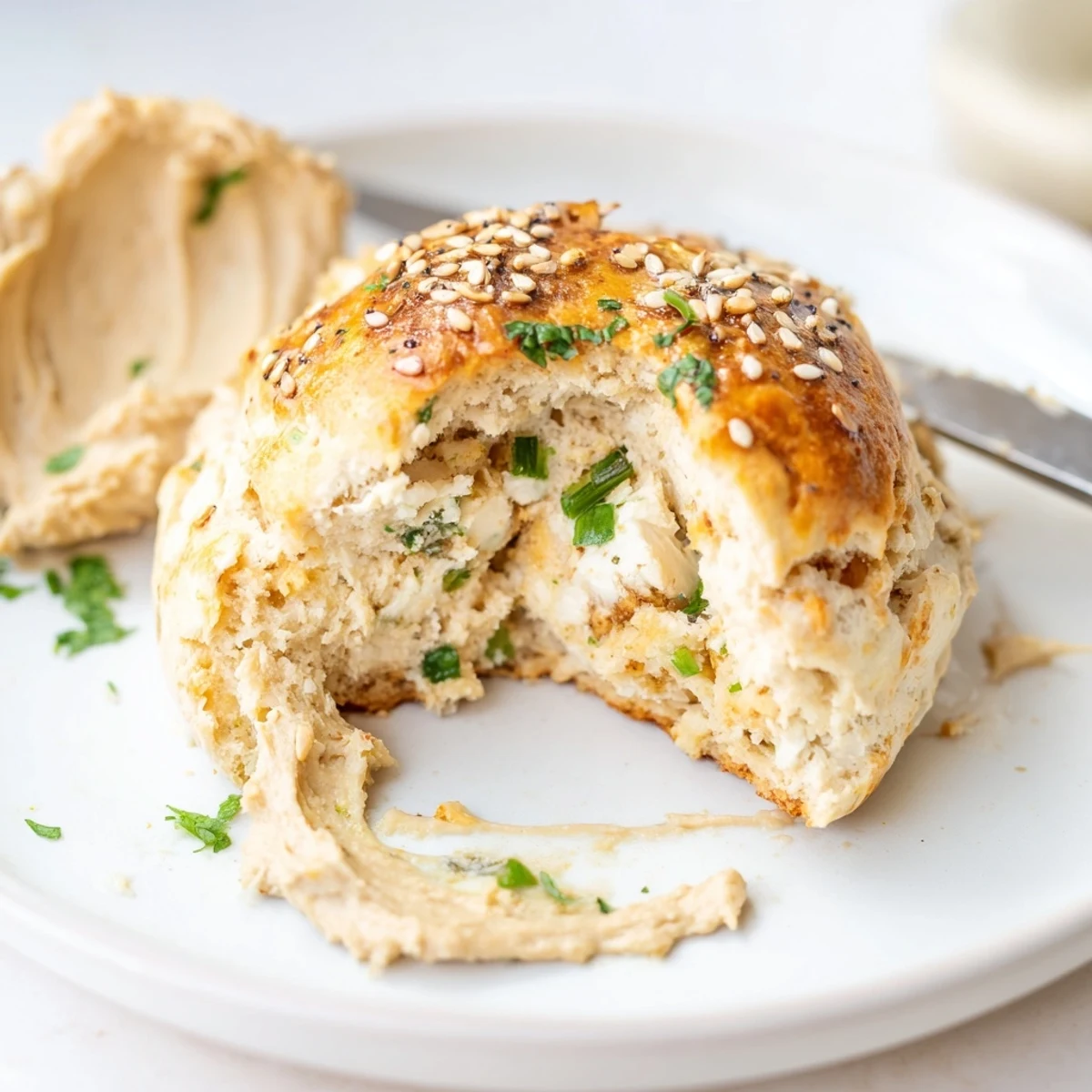
 These humous scones blend all-purpose flour, baking powder and a creamy hummus base with cold butter to create a tender, flaky crumb. Gently mix wet and dry ingredients, pat to a 1-inch thickness, cut rounds and bake at 200°C (400°F) for 18–20 minutes until golden and risen. Fold in herbs, feta or sesame for variation; use plant milk and a flax egg for a vegan version. Serve warm with yogurt or extra hummus.
One rainy Tuesday afternoon I found myself staring at a half empty tub of hummus in the fridge and wondering what on earth to do with it before it went bad. The idea of folding it into scone dough sounded either brilliant or completely unhinged. Forty minutes later I was pulling golden, fragrant biscuits out of the oven and questioning why I had not tried this sooner.
I brought a basket of these to a potluck brunch and watched three skeptical friends hover near the plate until every last crumb vanished. My friend Raj asked if I had ordered them from a shop and refused to believe the secret ingredient was the same hummus sitting in his own refrigerator right now.
Ingredients
- All purpose flour (250 g): Spoon and level it gently because packed flour makes dense, heavy scones nobody enjoys.
- Baking powder (2 tsp): Check the expiry date because old baking powder silently ruins everything and you will never know why.
- Baking soda (1/2 tsp): Works with the slight acidity in hummus to give a little extra lift you can actually taste.
- Salt (1/2 tsp): Do not skip this even though hummus is already seasoned because the dough needs its own backbone of flavor.
- Hummus (100 g): Use your favorite store bought or homemade and avoid overly runny varieties which make the dough too wet.
- Milk (80 ml): Dairy or plant based both work beautifully so use whatever you normally drink at home.
- Cold unsalted butter (60 g): Freeze it for ten minutes before cubing so it stays firm and creates those gorgeous flaky pockets.
- Large egg (1): Brings structure and richness and helps the tops brown up golden in the oven.
- Fresh parsley or chives (2 tbsp, optional): Adds a fresh pop of color and a mild oniony brightness that pairs wonderfully with the earthy hummus.
- Crumbled feta cheese (30 g, optional): Salty little pockets of cheese hidden inside a warm scone are never a bad idea.
- Toasted sesame seeds (1 tbsp, optional): A sprinkle on top gives a nutty crunch that ties the Middle Eastern thread together nicely.
Instructions
- Get the oven hot:
- Preheat your oven to 200 degrees Celsius (400 degrees Fahrenheit) and line a baking tray with parchment paper so nothing sticks later.
- Whisk the dry team:
- In a large bowl whisk together the flour, baking powder, baking soda, and salt until evenly distributed and lump free.
- Rub in the butter:
- Toss in the cold cubed butter and use your fingertips to rub it through the flour until the mixture looks like coarse sand with a few pea sized bits remaining.
- Blend the wet ingredients:
- In a separate smaller bowl whisk the hummus, milk, and egg together until smooth and creamy with no streaks of hummus hiding in the corners.
- Bring it all together:
- Pour the wet mixture into the dry ingredients and use a spatula or your hands to fold gently until the dough just barely holds together.
- Fold in the extras:
- If you are using herbs, feta, or sesame seeds, fold them in now with two or three gentle turns and then stop mixing immediately.
- Shape and cut:
- Turn the dough onto a lightly floured surface, pat it into a round about 2.5 cm (1 inch) thick, and cut out scones with a 6 cm cutter pressing straight down without twisting.
- Finish the tops:
- Arrange the scones on the prepared tray and brush the tops lightly with a splash of milk and a sprinkle of extra sesame seeds or herbs if you like.
- Bake until golden:
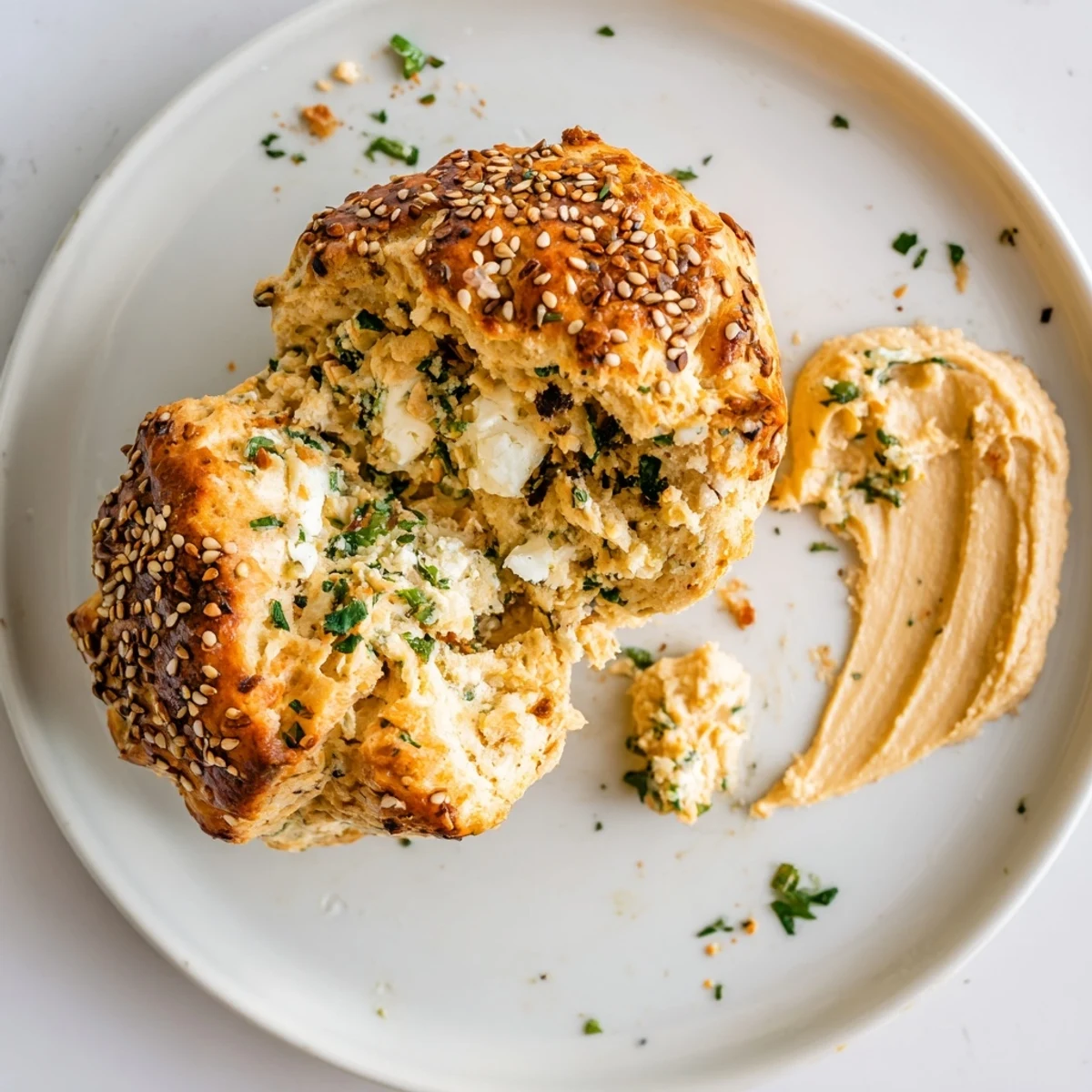
- Bake for 18 to 20 minutes until the tops are deeply golden and the scones have puffed up proudly and your kitchen smells incredible.
- Cool just slightly:
- Let them rest on the tray for five minutes before serving warm because impatient fingers will crumble them apart.
 Save to Pinterest
 The second time I made these I was half on a phone call with my sister and completely forgot the egg. They still baked up fine, just a touch crumblier, and she laughed when I told her the mishap became my favorite way to make them now.
Serving Ideas Worth Trying
Split them warm and pile with scrambled eggs and a drizzle of hot sauce for a breakfast that feels special without any real effort. A smear of extra hummus on top sounds redundant but somehow makes every bite more satisfying and complete.
Making Them Your Own
Try roasted red pepper hummus instead of plain for a subtle sunset colored scone that tastes faintly sweet and smoky. Chopped olives, a pinch of zaatar, or even a handful of sun dried tomatoes folded into the dough can take these in a hundred different delicious directions.
Storing and Reheating
Leftover scones keep well in an airtight container at room temperature for two days and reheat beautifully in a low oven for five minutes. You can also freeze the unbaked cut scones on a tray and then transfer them to a bag for fresh baked scones whenever the craving hits.
- Freeze them unbaked rather than baked for the best texture when you reheat.
- Add one or two extra minutes to the baking time if cooking straight from frozen.
- Label the freezer bag with the date and oven temperature so future you does not have to guess.
 Save to Pinterest
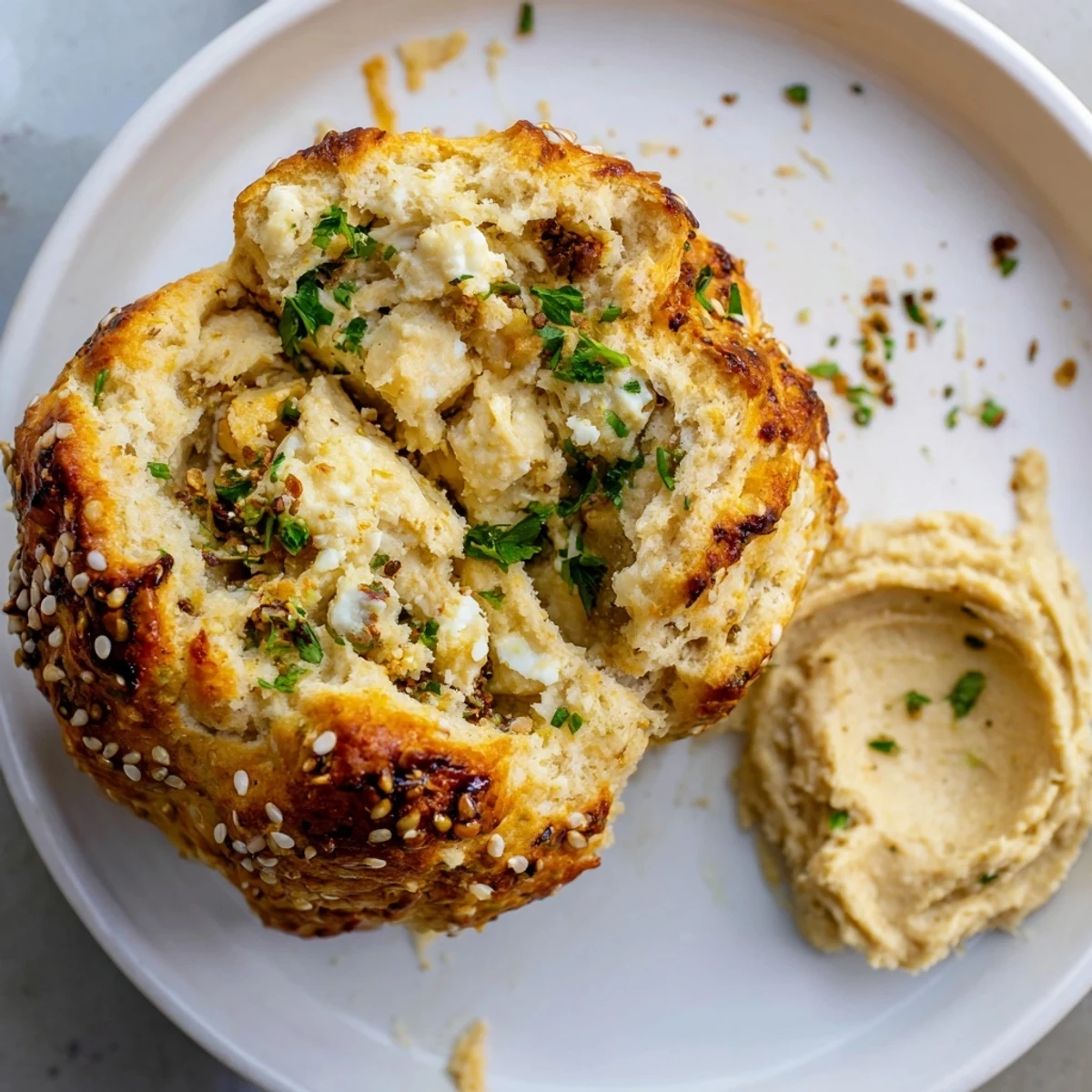
 Keep a batch of these in your back pocket for unexpected guests, lazy weekend mornings, or any day that needs a small warm comfort pulled fresh from the oven. They are proof that the best recipes often come from the most unexpected places.
Recipe Questions & Answers
- → Can I make them dairy-free?
-
Yes. Use a plant-based milk and replace the egg with a flaxseed 'egg' (1 tbsp ground flaxseed + 3 tbsp water). Use a vegan butter or coconut oil to keep the tender, flaky texture.
- → How should I store and reheat leftovers?
-
Store cooled scones in an airtight container at room temperature for up to 2 days, or refrigerate for up to 4 days. Reheat in a low oven (160°C/325°F) for 8–10 minutes to restore crisp edges and warmth.
- → Why use cold butter and not melt it?
-
Cold butter creates small pockets of fat that steam in the oven, producing a flaky, layered crumb. Rubbing butter into the dry mix until coarse crumbs ensures tender scones rather than a dense loaf.
- → Can I change the hummus flavor?
-
Absolutely. Flavored hummus—such as roasted red pepper or garlic—adds distinct notes. Adjust salt and mix-ins (feta, herbs, sesame) to balance stronger hummus varieties.
- → Is overworking the dough a concern?
-
Yes. Overmixing develops gluten and yields tougher scones. Combine until just brought together, pat gently to shape, and avoid heavy kneading for the best texture.
- → Can I freeze the scones or dough?
-
Freeze baked scones wrapped tightly for up to 2 months; reheat from frozen in a low oven. You can also flash-freeze cut rounds on a tray, then store in a bag and bake from frozen—add a few extra minutes to the bake time.