
 Save to Pinterest
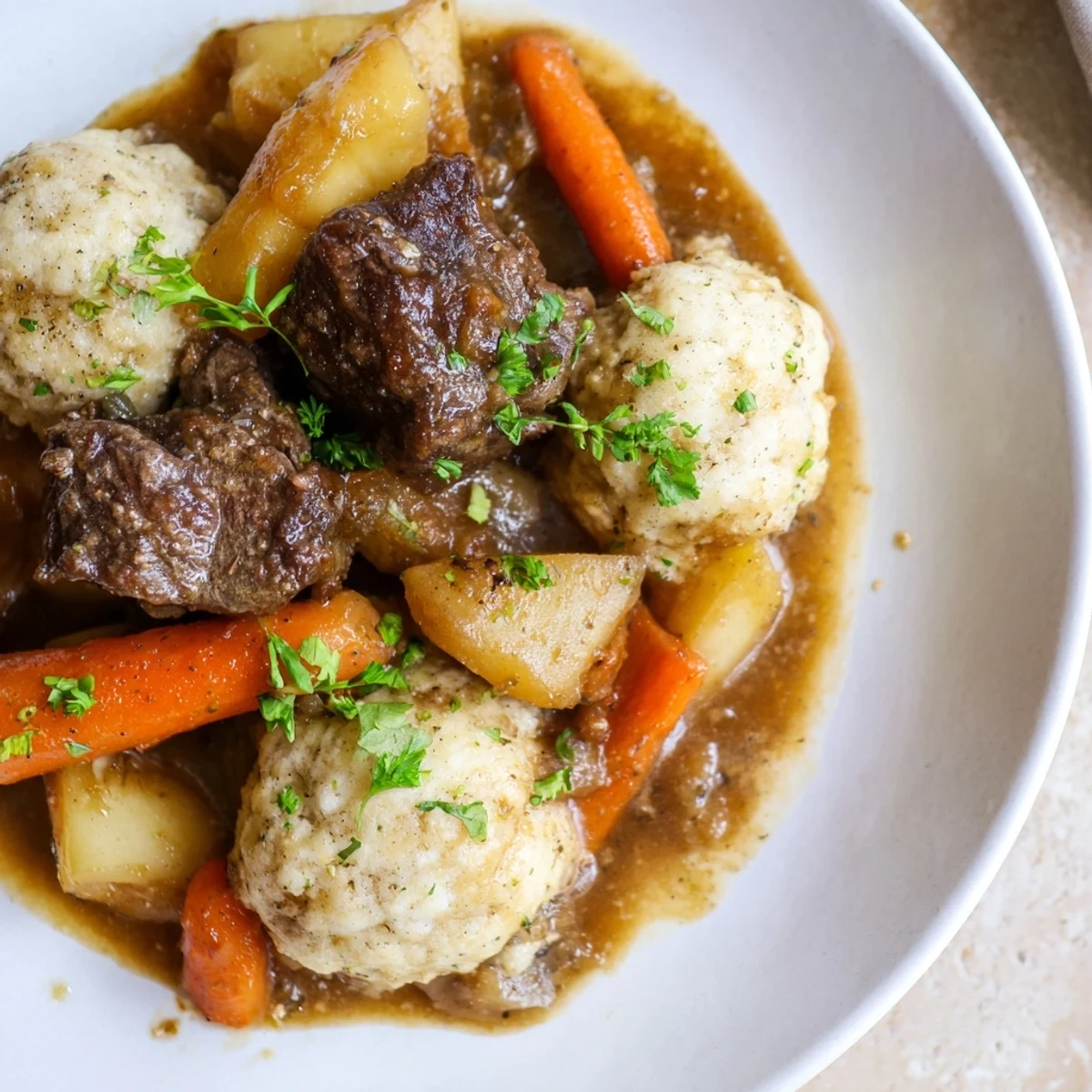
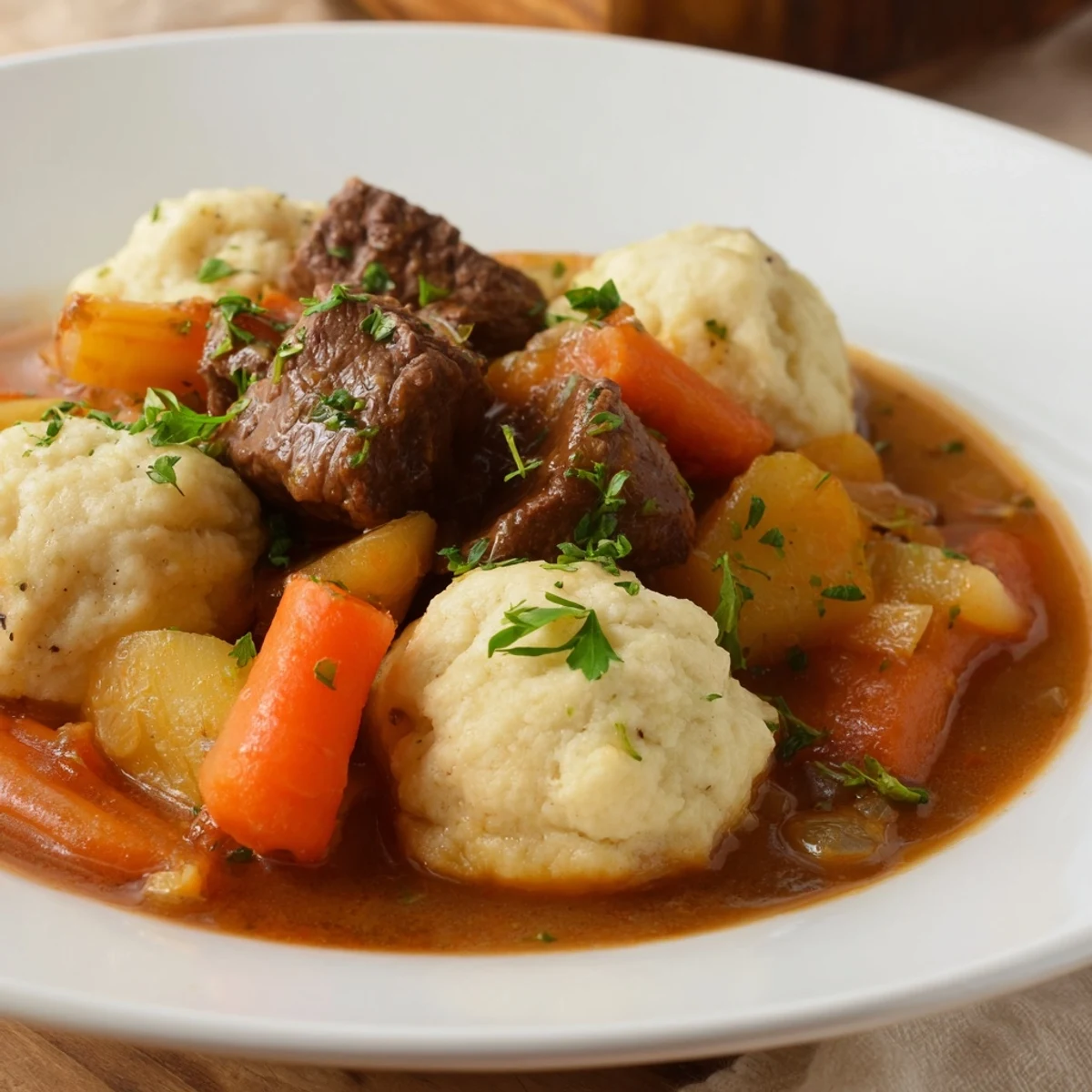
 This classic Irish dish features tender, slow-simmered beef combined with hearty root vegetables and a savory broth. Fluffy dumplings are gently cooked atop the stew, absorbing the rich flavors and adding light texture. The blend of Guinness, Worcestershire sauce, and fresh herbs gives depth and warmth, making it a perfect comforting dish for cooler days. It yields six satisfying servings, great for sharing.
The first time I made this stew was during a particularly brutal February when my apartment felt like an icebox. I had friends coming over for what I called 'emergency comfort food night,' and something about the smell of Guinness and slow-cooked beef filling every corner of the room made the freezing weather feel almost cozy. We ended up eating huddled around the pot on the stove, dumplings steaming into our faces, talking for hours until the stew was nearly gone and someone finally noticed we'd never actually sat down at the table.
I once forgot to add the tomato paste until the last twenty minutes of cooking, and honestly, the depth of flavor suffered noticeably. Now I always make sure to cook it with the beef and vegetables right at the beginning, letting that slight caramelization happen before any liquid hits the pot. It's those tiny moments of paying attention that transform a decent stew into one that has people asking for the recipe before they've even finished their first bowl.
Ingredients
- Beef chuck: Chuck roast has the perfect fat content for slow cooking, breaking down into meltingly tender pieces while keeping everything succulent
- Guinness stout: The dark beer adds an incredible depth and slight bitterness that balances the sweetness of root vegetables, but extra beef stock works perfectly if you prefer not to use alcohol
- Tomato paste: This little tube of concentrated umami is what gives the broth its rich, slightly thickened body and beautiful deep color
- Parsnips and carrots: These root vegetables sweeten naturally as they cook, creating that classic balance against the savory beef and bitter beer
- Cold butter for dumplings: Keeping the butter ice-cold when you rub it into the flour is what creates those fluffy, tender dumpling textures
Instructions
- Brown the beef properly:
- Heat your oil until it shimmers, then work in batches to give each cube of beef a good sear on all sides. Dont overcrowd the pot or the beef will steam instead of brown, and that's where all the flavor lives.
- Build your flavor foundation:
- Sauté your onion until translucent, add the garlic for just one minute so it doesn't burn, then stir in the tomato paste and let it cook for a couple minutes until it darkens slightly and smells intensely rich.
- Let it simmer slowly:
- Pour in your stock and Guinness, add all your seasonings and vegetables, bring everything to a bubble, then drop the heat to low. Cover tightly and let it do its thing for an hour and a half, stirring occasionally and checking that it's maintaining a gentle simmer.
- Make the dumpling dough:
- Whisk together your flour, baking powder, and salt, then rub in that cold butter with your fingertips until the mixture looks like coarse crumbs. Stir in the milk and parsley just until combined—overworking the dough makes tough dumplings.
- Add the dumplings:
- Remove the lid from your simmering stew and drop tablespoonfuls of dough directly onto the surface, spacing them slightly apart. Cover again and let steam for 25 minutes without peeking—lifting the lid too early can cause the dumplings to collapse.
 Save to Pinterest
 This recipe became my go-to bring-something meal when friends had babies or were going through tough times. There's something about a pot of stew that says 'I care about you' more eloquently than almost any other food I can think of—maybe it's the time involved, or maybe it's just that particular combination of warmth, sustenance, and comfort that feels like a hug in edible form.
Making It Your Own
Once I made this entirely without Guinness and used red wine instead, and while it was delicious, it definitely had a different character—more elegant, less rustic. The key is understanding that each substitution shifts the personality of the dish, so think about what mood you're trying to create. Sometimes I add pearl onions or button mushrooms in the last thirty minutes of cooking for extra texture and flavor interest.
Serving Suggestions
A hunk of crusty bread is absolutely non-negotiable for mopping up that incredible broth. I like to set out some good Irish butter and maybe a simple green salad dressed with nothing but lemon and olive oil to cut through all that richness. A glass of the same stout you used in the stew (if you did) creates this beautiful full-circle experience that feels incredibly intentional.
Make-Ahead Magic
This stew is one of those rare gifts that tastes even better on day two, giving you permission to make it when you actually have time and eat it when life gets busy. The flavors continue to develop and deepen overnight in the refrigerator, and the dumplings, while best fresh, can be quickly reheated with a splash of water to bring them back to life.
- The stew portion freezes beautifully for up to three months—just make the dumplings fresh when you reheat it
- If you're planning to freeze, undercook the vegetables slightly since they'll continue cooking during reheating
- Always reheat gently on the stove rather than in the microwave to maintain the best texture
 Save to Pinterest
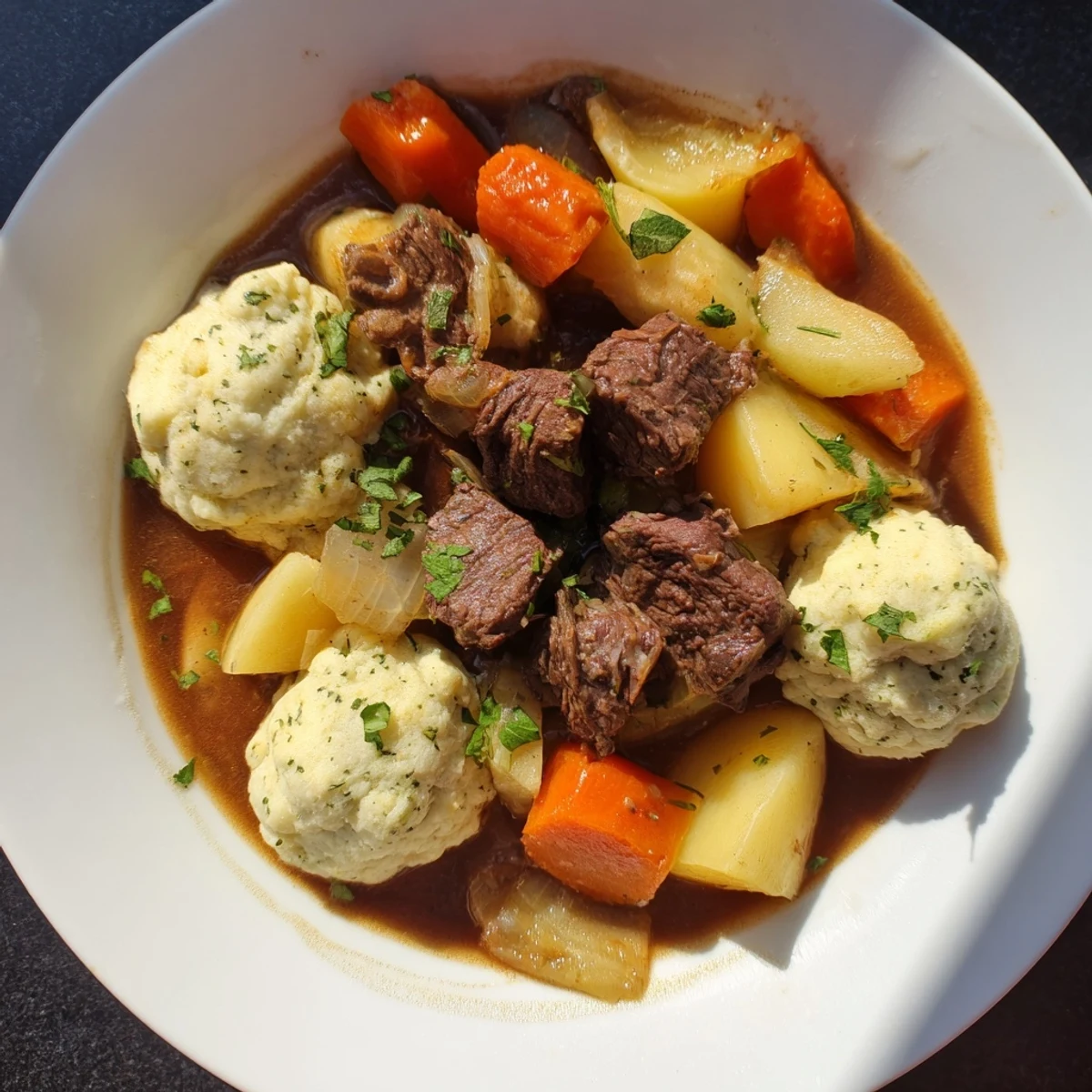
 There's nothing quite like lifting that lid after the dumplings have cooked, seeing those puffed-up golden pillows floating on a sea of rich, dark broth, and knowing you created something that will nourish more than just hunger. That's the kind of cooking memory that sticks with you through seasons of life.
Recipe Questions & Answers
- → What cut of beef works best for this dish?
-
Beef chuck is ideal due to its marbling and ability to become tender during slow cooking, adding rich flavor.
- → Can I substitute Guinness with another liquid?
-
Yes, you can replace Guinness with extra beef stock or a similar stout beer to maintain depth of flavor.
- → How do the dumplings develop their texture?
-
The dumplings are gently dropped on the simmering stew, allowing steam to puff them up into a light and tender finish.
- → Are there alternatives for the root vegetables used?
-
Parsnips can be swapped with turnips or rutabaga to vary sweetness and texture while keeping the dish hearty.
- → What is the best way to ensure tender beef?
-
Browning the beef before simmering locks in flavor, and cooking low and slow helps break down connective tissues for softness.