
 Save to Pinterest
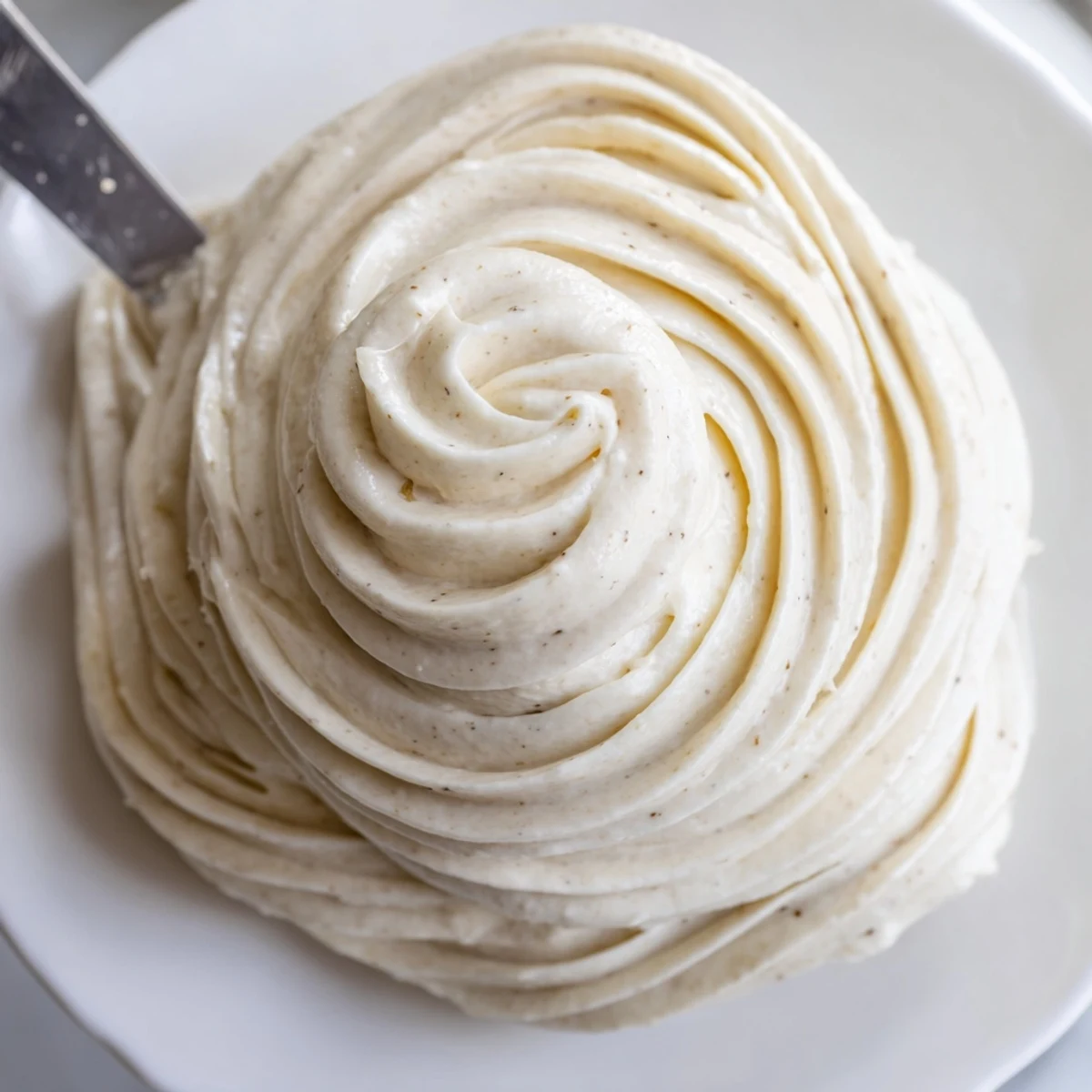
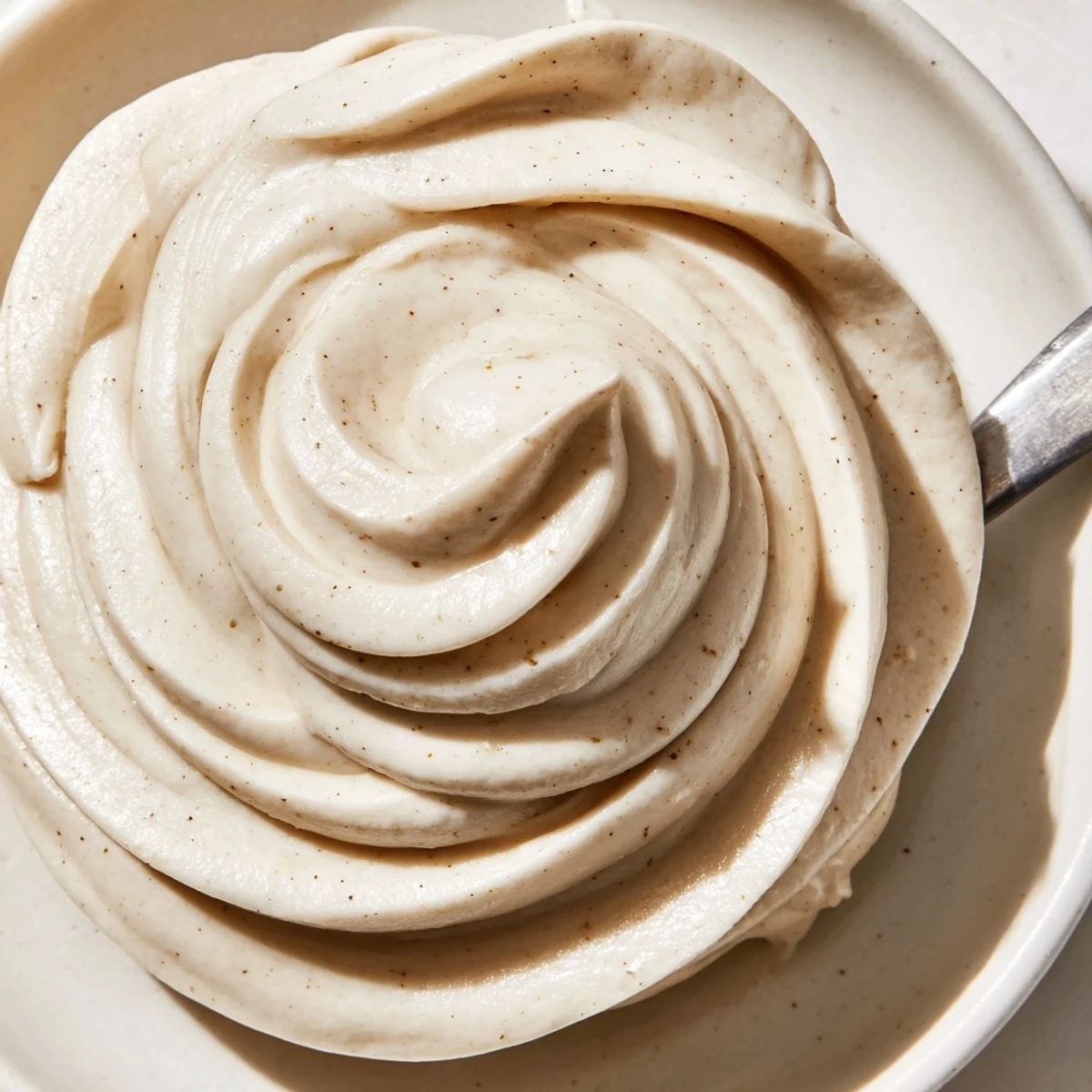
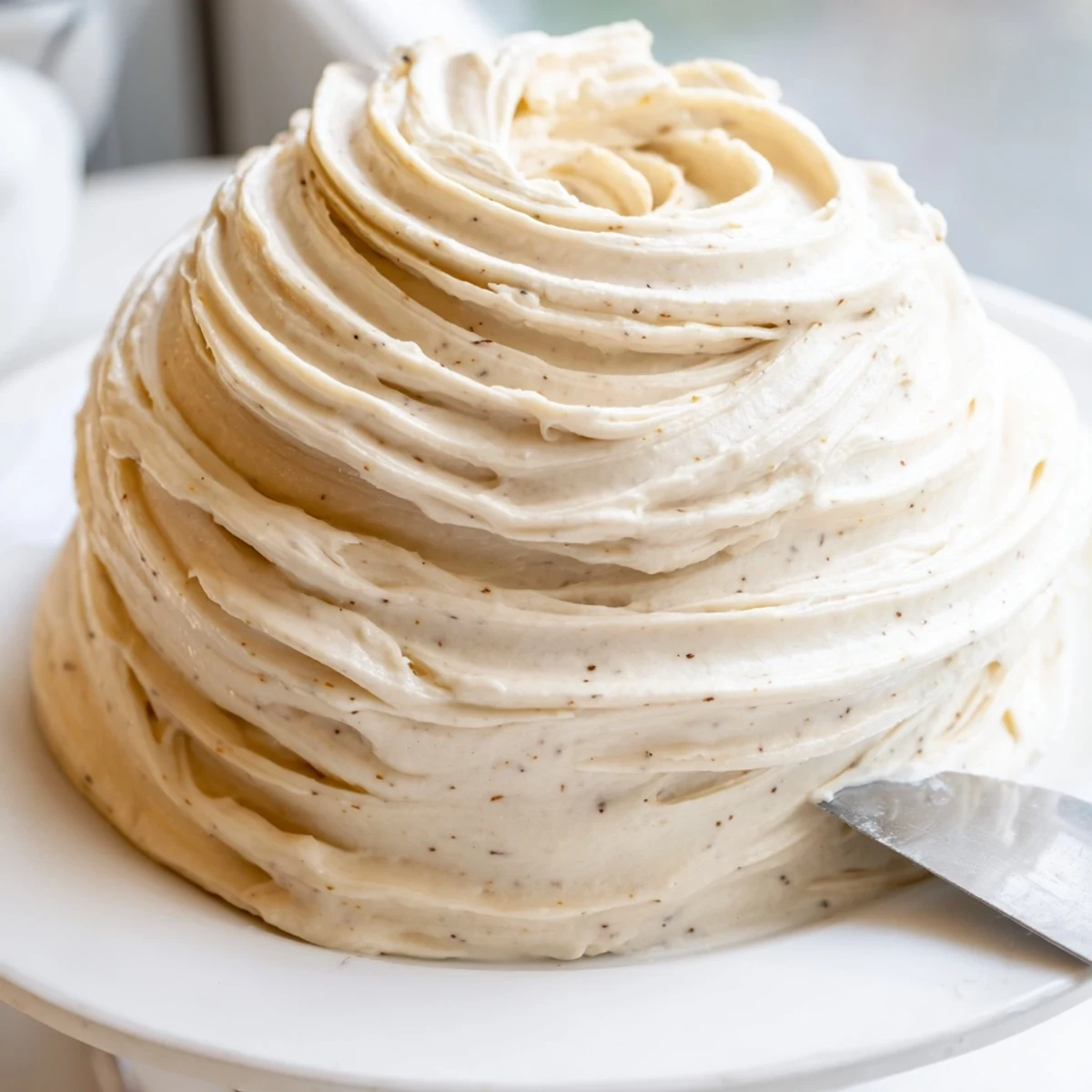
 This Italian meringue buttercream delivers a silky, luxurious texture by combining a hot sugar syrup whipped into egg whites with creamy butter. The result is a stable, velvety frosting that holds up beautifully on layered cakes and cupcakes.
Reaching 118°C on a candy thermometer is essential for the syrup—this ensures the egg whites cook and stabilize properly. Once the meringue is glossy and cool, room-temperature butter is added gradually until the mixture becomes impossibly smooth and fluffy.
Flavor it with vanilla, chocolate, fruit purée, or coffee. It keeps well refrigerated and simply needs a brief rewhip at room temperature before use.
The sound of sugar syrup hitting 118 degrees on a candy thermometer is something between a whisper and a promise, and once you hear it enough times, it lives in your kitchen memory forever. Italian meringue buttercream is the frosting that separates a good cake from one people genuinely remember, the kind that melts on your tongue without leaving that heavy, greary film behind. It took me three attempts before I stopped panicking when the mixture curdled, which, as it turns out, is just part of the process. This recipe makes enough to generously frost a 9 inch layer cake or two dozen cupcakes.
My second attempt at this buttercream happened the night before my sisters birthday, and I stood in the kitchen at eleven oclock watching the mixture separate into what looked like scrambled eggs floating in soup. I almost threw the whole bowl away, but something stubborn kept the mixer running, and ten minutes later it transformed into the most beautiful, glossy frosting I had ever made. That cake was nothing special, a simple vanilla sponge from a box, but people kept asking about the frosting.
Ingredients
- Granulated sugar (200 g): The foundation of your sugar syrup, use plain white sugar for the cleanest flavor and clearest syrup.
- Water (60 ml): Just enough to help the sugar dissolve evenly before it starts cooking.
- Egg whites (100 g, about 3 large): Room temperature whites whip to greater volume, so plan ahead and separate them at least thirty minutes before you start.
- Cream of tartar (1/4 tsp, optional): This adds a small but helpful layer of stability to your meringue, especially useful if your eggs are on the older side.
- Unsalted butter (340 g): This must be truly at room temperature, pliable but not melting, because cold butter will cause the meringue to seize and butter that is too soft will make everything soupy.
- Vanilla extract (1 tsp): A good quality vanilla extract adds warmth without competing with the subtle sweetness of the meringue.
- Fine salt (a pinch): Just enough to balance the sweetness and round out the butter flavor.
Instructions
- Make the sugar syrup:
- Combine the sugar and water in a medium saucepan over medium heat, stirring gently just until the sugar dissolves and the liquid looks completely clear. Stop stirring after that point because any sugar crystals on the side of the pan will cause trouble later.
- Cook the syrup to 118 degrees:
- Increase the heat to medium high and let the syrup cook undisturbed until your candy thermometer reads 118 degrees Celsius (244 degrees Fahrenheit). Keep a close eye on it during the last few minutes because the temperature climbs quickly at the end.
- Start whipping the egg whites:
- While the syrup cooks, begin whipping the egg whites with cream of tartar in your stand mixer on medium speed until they hold soft, droopy peaks. Timing is everything here, you want the whites ready just as the syrup reaches temperature.
- Combine the syrup and meringue:
- With the mixer on medium, slowly pour the hot syrup in a thin stream down the side of the bowl, avoiding the whisk so it does not splatter. This cooks the egg whites gently and creates a stable, safe meringue.
- Whip until cool:
- Turn the mixer to high and let it run for about ten minutes until the meringue is thick, glossy, and the outside of the bowl feels completely cool to the touch. Patience here prevents melted butter later.
- Add the butter gradually:
- With the mixer on medium, drop in the butter cubes one at a time, waiting until each cube disappears before adding the next. The mixture will likely look curdled or soupy at some point, and this is completely normal, just keep the mixer running.
- Finish with vanilla and salt:
- Add the vanilla extract and a small pinch of fine salt, then beat until the buttercream is smooth, creamy, and holds its shape. Taste it and adjust the vanilla if you want a stronger flavor.
 Save to Pinterest
 The moment this buttercream became more than just a recipe for me was when I used it to frost my daughters first birthday cake, a tiny three layer creation that wobbled slightly on the plate. Watching her smash fistfuls of it into her face while the adults kept sneaking extra slices of the frosted edges reminded me why the extra effort matters.
Getting the Temperature Right
A candy thermometer is non negotiable here because guessing the syrup temperature will almost always end in disappointment. Clip it to the side of your pan early so you get an accurate reading throughout, and make sure the bulb is submerged in the syrup but not touching the bottom of the pan. If you cook the syrup too far, the meringue will be stiff and difficult to combine with butter, and if you undercook it, the meringue will be too wet and the final frosting will be loose. The window between just right and too far is surprisingly narrow, so stay close and pay attention during those final minutes.
Flavor Variations Worth Trying
The base buttercream is wonderfully adaptable once you master the technique, and some of my favorite versions came from late night experiments with whatever I had in the pantry. Adding four ounces of melted and cooled dark chocolate creates a rich mocha frosting that pairs beautifully with devil food cake, and a few tablespoons of raspberry puree folded in at the end turns it into something elegant enough for a spring gathering. Coffee extract, lemon curd, and even a splash of bourbon have all worked well in small amounts. Start with a tablespoon of whatever flavoring you choose, taste, and adjust gradually because it is much easier to add more than to fix an overpowering flavor.
Storing and Reusing Leftovers
This buttercream keeps remarkably well if you store it properly, which is a good thing because the recipe makes a generous amount. It will hold at cool room temperature for up to two days, and in the refrigerator for up to a week in an airtight container. When you are ready to use refrigerated buttercream, let it come fully to room temperature and then rewhip it for a minute or two until it returns to its original fluffy texture.
- If you need a stiffer consistency for detailed piping work, beat in a few tablespoons of sifted icing sugar until it reaches the firmness you want.
- Leftover buttercream freezes beautifully for up to three months, just thaw it overnight in the refrigerator before rewarming and rewhipping.
- Always give it a taste after rewarming because cold can mute the vanilla flavor slightly.
 Save to Pinterest
 Once you get comfortable with the rhythm of hot syrup and whipping egg whites, this buttercream becomes almost meditative to make. It is the kind of recipe that teaches you to trust the process, and the reward is a frosting that makes every cake feel like a celebration.
Recipe Questions & Answers
- → Why does my buttercream look curdled or soupy?
-
This is completely normal. If the mixture looks curdled after adding butter, simply keep beating—it will emulsify and come together into a smooth, creamy frosting. If it appears too soupy, the butter may be too warm. Chill the bowl for 10–15 minutes, then whip again until it firms up.
- → Can I make Italian meringue buttercream ahead of time?
-
Yes, it stores beautifully. Refrigerate in an airtight container for up to one week, or freeze for up to two months. When ready to use, bring it to room temperature and rewhip with a stand mixer or hand mixer until smooth and fluffy again.
- → What temperature should the butter be?
-
The butter must be at room temperature and softened but still cool to the touch. If the butter is too cold, it will leave lumps in the buttercream. If too warm or melted, the frosting will become soupy. Cubing the butter before adding helps it incorporate evenly.
- → Why do I need a candy thermometer?
-
Precision is critical for Italian meringue. The sugar syrup must reach exactly 118°C (244°F) to properly cook the egg whites and create a stable meringue. Without this temperature, the syrup won't set the proteins correctly, and the buttercream may not hold its structure.
- → Can I flavor or color this buttercream?
-
Absolutely. After the buttercream is fully whipped, add melted and cooled chocolate, fruit purée, coffee extract, or any flavoring you like. For coloring, use gel food colors rather than liquid, as they won't thin the consistency. Add flavors and colors gradually and whip to combine.
- → How is Italian meringue buttercream different from Swiss or American?
-
Italian meringue buttercream uses hot sugar syrup poured into whipping egg whites, creating the most stable and silky texture. Swiss meringue heats egg whites and sugar together over a double boiler before whipping. American buttercream simply beats butter with powdered sugar, making it sweeter and less refined in texture.