
 Save to Pinterest
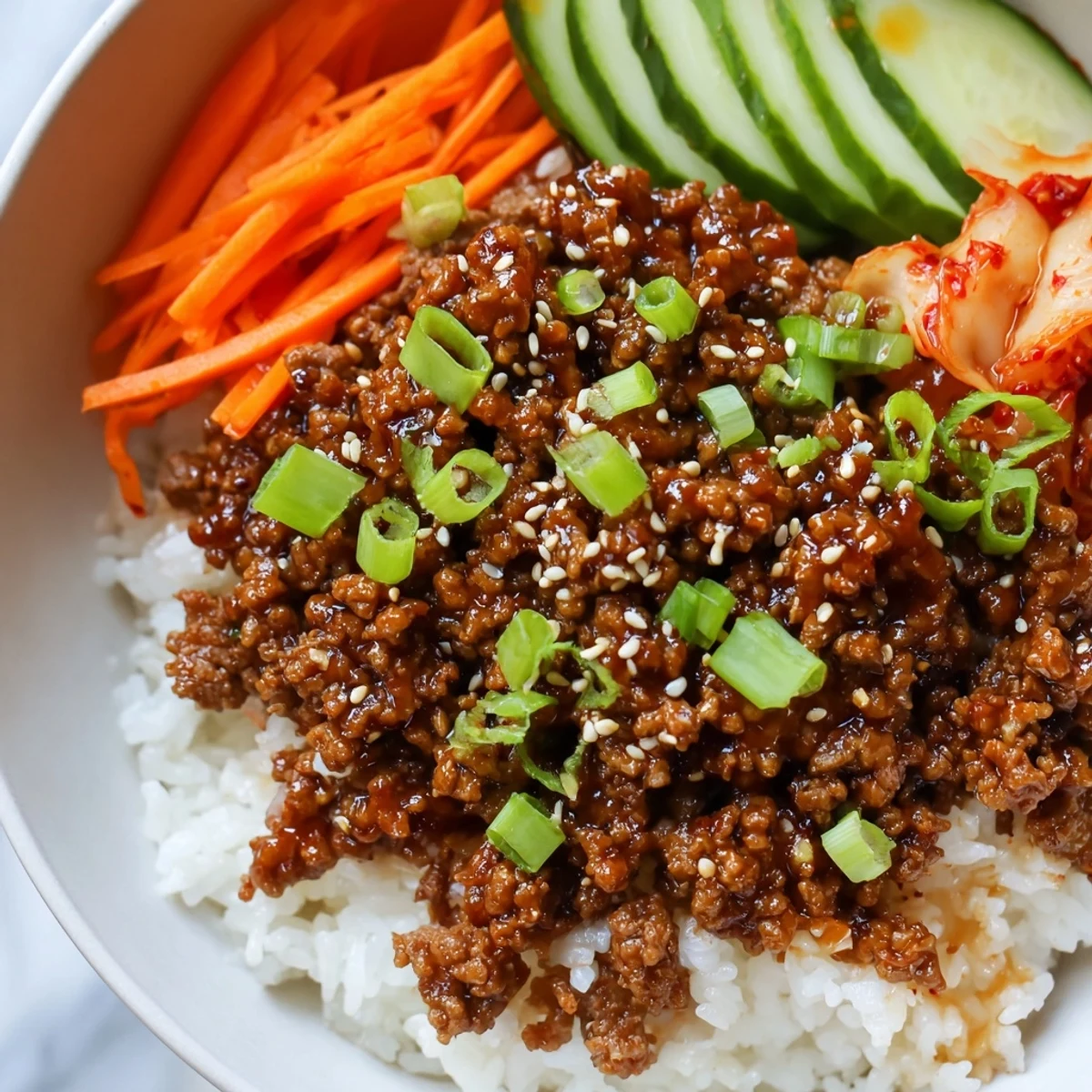
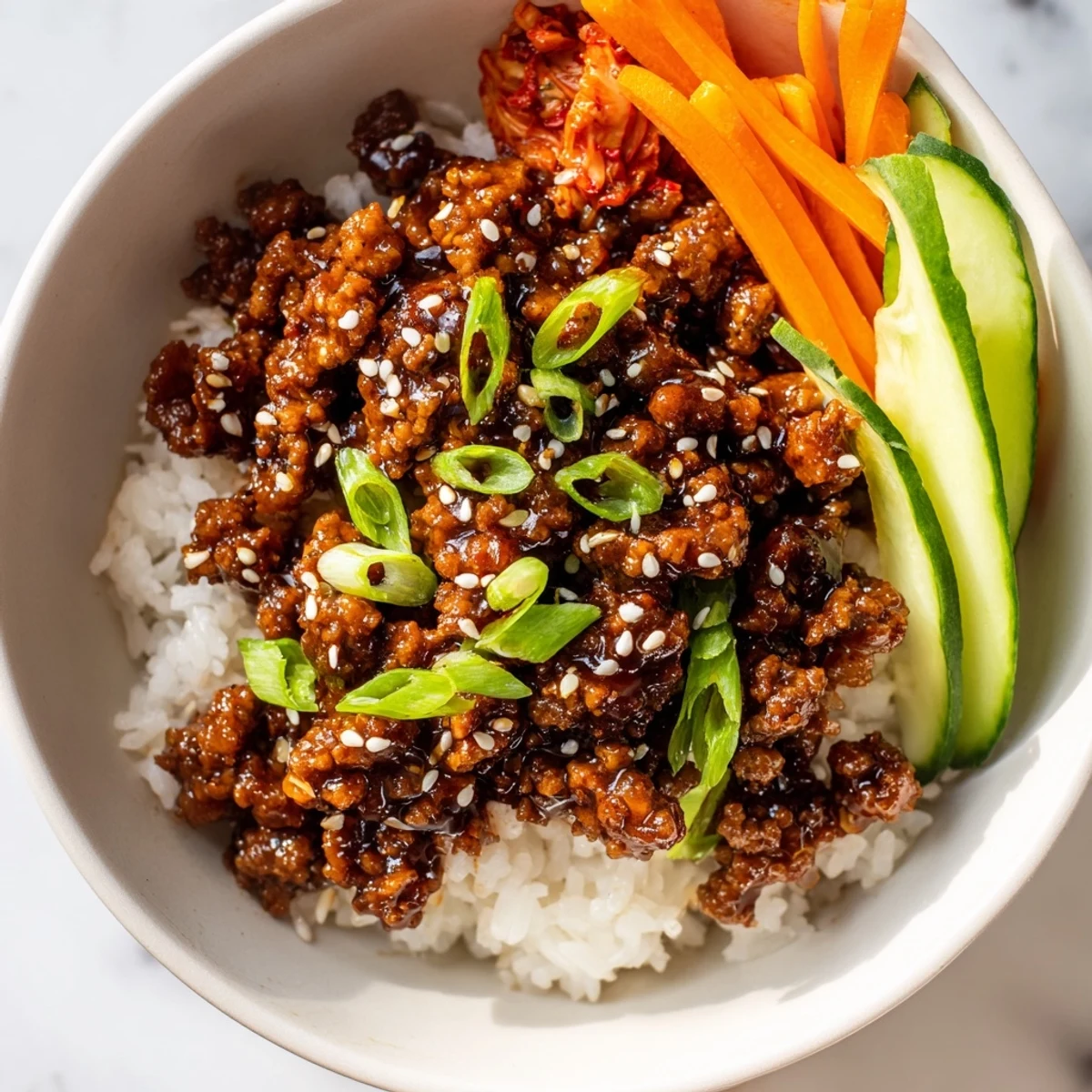
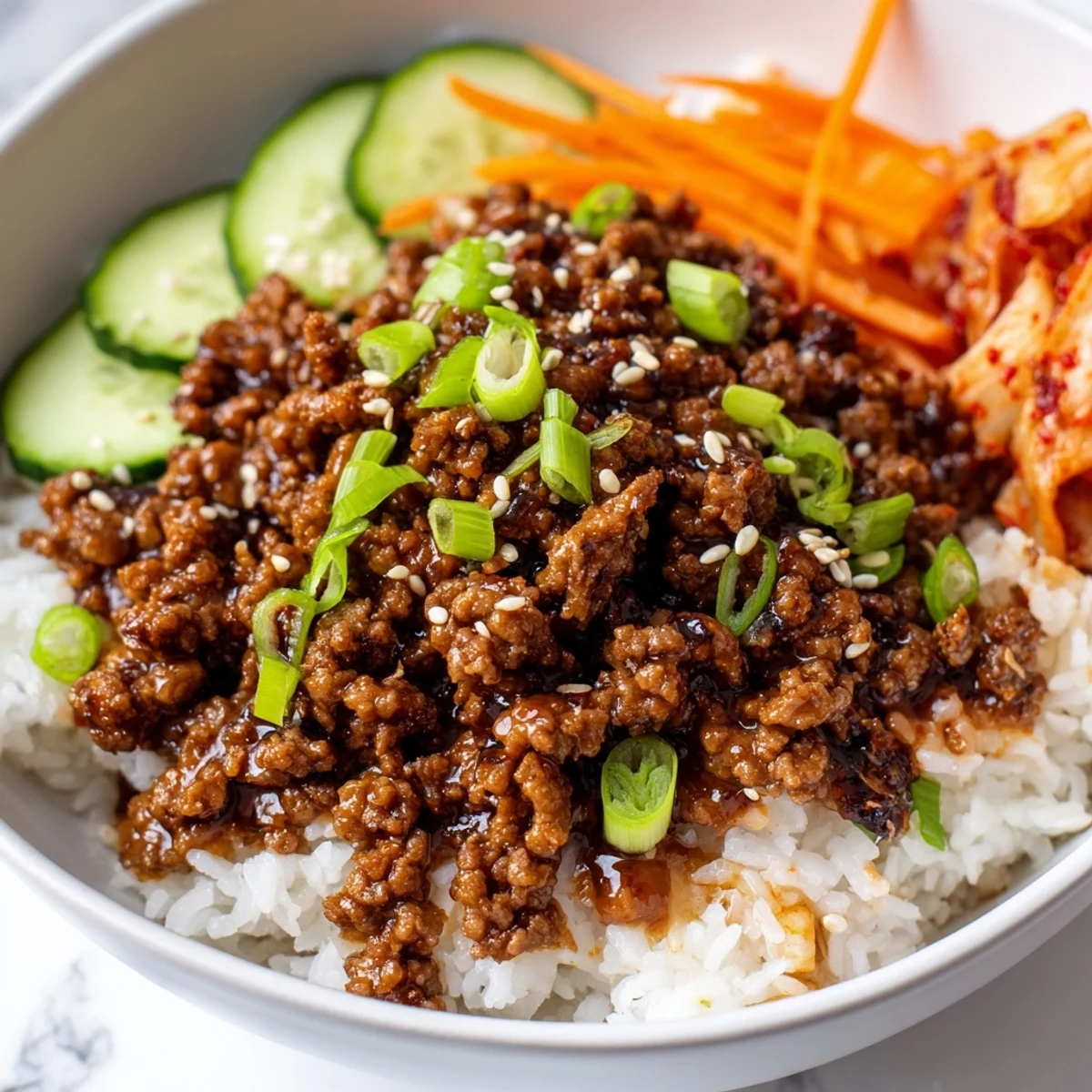
 This Korean ground beef bowl brings together lean browned beef and a bold sauce made from soy sauce, brown sugar, sesame oil, garlic, ginger, and gochujang. The sweet, savory, and spicy glaze coats every bite of meat perfectly.
Served over fluffy jasmine or short-grain rice and finished with green onions, sesame seeds, julienned carrot, and cucumber for crunch, it delivers a satisfying balance of textures and flavors in under 30 minutes.
The sizzle of ground beef hitting a hot skillet on a Tuesday evening is one of those sounds that instantly makes a kitchen feel alive, and this Korean inspired bowl has been my go-to rescue meal on chaotic weeknights for years. A friend who spent a semester in Seoul scribbled the sauce ratios on a napkin at a coffee shop, and I carried that crumpled paper home like a treasure map. Ten minutes of prep and fifteen at the stove later, the whole apartment smells like toasted sesame and caramelized soy. Its the kind of dish that turns a random weekday into something worth remembering.
One rainy October, my neighbor knocked on my door right as I was finishing a batch of this, and we ended up standing in my tiny kitchen eating out of the skillet with wooden spoons because neither of us wanted to wait for bowls. She brought over a jar of homemade kimchi the next week, and now I cannot make this without thinking of that wet evening and the steam fogging up my kitchen window.
Ingredients
- 1 lb (450 g) lean ground beef: Lean beef browns beautifully without leaving too much grease behind, though you can drain it if things get puddly.
- 2 cups cooked jasmine or short-grain rice: Short-grain rice gives that satisfying cling, but jasmine works wonderfully if thats what your pantry offers tonight.
- 1/4 cup low sodium soy sauce: Low sodium lets you control the saltiness without sacrificing that deep, savory backbone.
- 2 tbsp brown sugar: This is what creates the glossy, slightly caramelized coating that makes every bite irresistible.
- 1 tbsp sesame oil: Toasted sesame oil is the soul of this dish, so do not skip it or substitute with neutral oil.
- 3 cloves garlic, minced: Fresh garlic makes a difference here; the pre-minced jarred version loses the sharp sweetness that balances the sauce.
- 1 tbsp grated fresh ginger: Freeze your ginger and grate it straight from frozen for a fine paste that melts right in.
- 1/2 to 1 tsp crushed red pepper flakes: Start with half a teaspoon and taste before adding more, since the heat builds as the sauce simmers.
- 2 tsp rice vinegar: A splash of acidity lifts the whole dish and keeps the sweetness from feeling heavy.
- 1 tbsp gochujang (optional): This Korean chili paste adds a fermented depth that regular chili flakes cannot replicate.
- 2 green onions, sliced: Slice them on a sharp diagonal for a restaurant-worthy finish.
- 1 tbsp toasted sesame seeds: Toast them in a dry pan for thirty seconds and watch carefully, because they go from golden to burnt in a heartbeat.
- 1 carrot, julienned: Thin matchsticks of raw carrot add crunch and a bright pop of color.
- 1 small cucumber, thinly sliced: English cucumbers work best since you do not need to peel or seed them.
- Kimchi (optional, for serving): Fermented kimchi adds a tangy punch that cuts through the richness of the beef beautifully.
Instructions
- Whisk the sauce together:
- In a small bowl, combine the soy sauce, brown sugar, sesame oil, minced garlic, grated ginger, red pepper flakes, rice vinegar, and gochujang if you are using it. Whisk until the sugar dissolves and everything looks unified, then set it aside so the flavors start mingling while you cook.
- Brown the beef:
- Heat a large skillet over medium-high heat and add the ground beef, breaking it apart with a spatula or wooden spoon as it cooks. Let it sit undisturbed for a minute here and there so those golden crispy bits form, then stir again until no pink remains, about five to seven minutes.
- Cover everything in sauce:
- Pour your prepared sauce over the browned beef and stir well so every crumb gets coated. Let it simmer for two to three minutes until the sauce thickens slightly and turns glossy, watching closely so it does not reduce too far.
- Build your bowls:
- Divide the warm cooked rice among four bowls, creating a soft bed for the beef. Spoon the saucy ground beef mixture generously over each portion of rice.
- Finish with fresh toppings:
- Scatter sliced green onions, toasted sesame seeds, julienned carrot, and thin cucumber slices over each bowl. Add kimchi on the side if you have it, and serve immediately while everything is hot and vibrant.
 Save to Pinterest
 This bowl became my daughter's requested birthday dinner two years running, beating out pizza and cake for sheer enthusiasm, which tells you everything about its comfort factor. There is something about the combination of warm rice, saucy beef, and crisp vegetables that makes people feel genuinely cared for without any fuss.
Making It Your Own
The beauty of a rice bowl is its flexibility, and once you memorize the sauce ratio, you can swap nearly everything else. Try ground pork with a squeeze of lime, or crumbled tofu for a plant-based version that still hits all the savory notes. In summer, I pile on quick-picked radishes and shredded lettuce, while winter calls for roasted broccoli and a fried egg on top.
Getting the Rice Right
Rice seems simple, but it can make or break a bowl, and I learned this the hard way after serving slightly crunchy rice to dinner guests who politely chewed in silence. Rinse your rice under cold water until it runs clear, then cook it according to the package directions and let it rest covered for five minutes before fluffing. Day-old rice also works beautifully here if you have leftovers from another meal.
Serving and Storing Like a Pro
Keep the components separate if you are planning to save leftovers, because rice absorbs sauce overnight and turns into something closer to congee by morning. The beef mixture will keep in an airtight container in the refrigerator for up to four days and reheats gently in a skillet or microwave. Fresh toppings should be prepped and stored separately to maintain their crunch.
- Freeze the cooked beef mixture in portion-sized containers for up to three months, then thaw overnight in the refrigerator before reheating.
- Double the sauce recipe and keep the extra in a jar in the fridge for stir-fries, marinades, or dipping sauces throughout the week.
- Remember that the flavors deepen as it sits, so tomorrow's leftovers might actually taste better than tonight's fresh batch.
 Save to Pinterest
 Some recipes earn a permanent spot in your rotation not because they are fancy, but because they show up for you when you need them most. This Korean ground beef bowl is exactly that kind of reliable, joyful cooking, and I hope it finds its way into your kitchen on the nights you need it.
Recipe Questions & Answers
- → Can I use a different protein instead of ground beef?
-
Ground chicken or turkey work well as leaner alternatives. For a plant-based version, crumbled tofu or a meat substitute can absorb the sauce just as effectively.
- → How spicy is this Korean ground beef bowl?
-
The heat level is fully adjustable. The red pepper flakes and optional gochujang let you control the spice. Start with half a teaspoon of flakes and taste before adding more.
- → What type of rice works best for this bowl?
-
Short-grain white rice or jasmine rice are ideal because of their slightly sticky texture, which pairs well with the saucy beef. Brown rice also works if you prefer a nuttier flavor.
- → Can I make this ahead of time?
-
The cooked beef and sauce mixture stores well in the refrigerator for up to four days. Reheat gently in a skillet and prepare fresh rice and toppings when ready to serve.
- → How can I make this gluten-free?
-
Replace the soy sauce with tamari, which is a gluten-free alternative with a similar umami flavor. Double-check that your gochujang brand is also certified gluten-free.
- → What toppings pair well with this dish?
-
Kimchi adds a tangy fermented kick, while a fried egg on top brings extra richness. Pickled radishes, sliced avocado, or steamed broccoli also complement the flavors nicely.