 Save to Pinterest
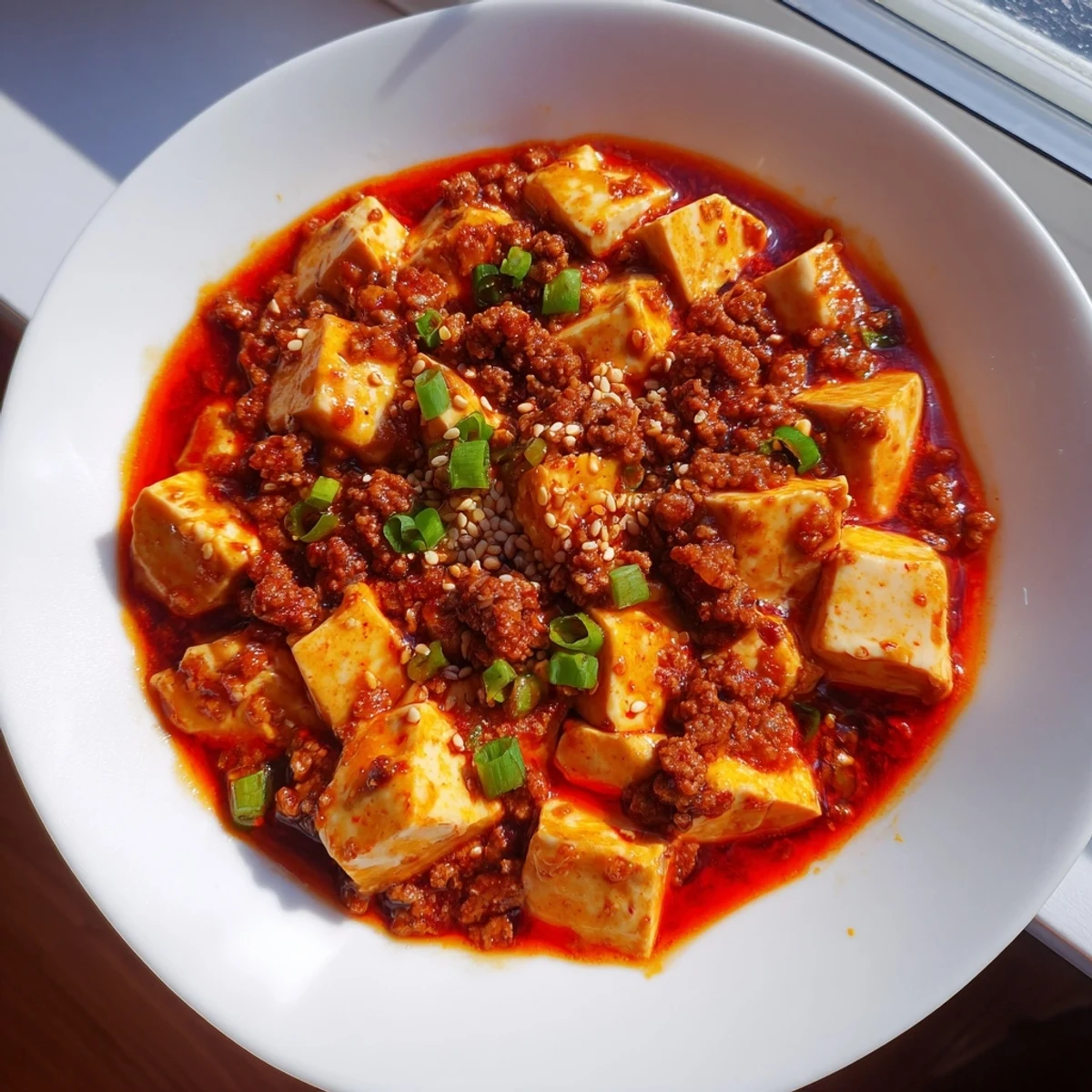
 This comforting fusion brings together the bold, numbing spice of Sichuan mapo tofu with the satisfying chew of Japanese udon noodles. Ground pork (or plant-based mince) simmers with soft tofu in a rich, aromatic sauce featuring fermented chili bean paste, garlic, ginger, and toasted Sichuan peppercorns.
The dish comes together in just 35 minutes, making it perfect for busy weeknights. The sauce thickens beautifully, coating each thick udon noodle while the tofu absorbs all those complex flavors. Adjust the heat level to your preference and finish with crunchy toppings for texture contrast.
Enjoy this hearty bowl on its own or pair with a crisp lager or light sake to cut through the spice.
The first time I tasted mapo tofu with udon noodles was at a tiny fusion spot in Tokyo where the chef proudly explained his grandmother's Sichuan heritage met his Japanese upbringing. That spicy, numbing sauce clinging to thick chewy noodles made complete sense, like two old friends finally meeting. I went home and immediately started experimenting, burning through three batches of doubanjiang before getting the balance right. Now it's the dish I make when I want something that feels like a hug but still wakes up my palate.
Last winter, during that brutal week where nobody wanted to leave the house, I made a triple batch of this for my roommates. We sat around the coffee table in our thickest socks, blowing on steaming bowls and passing around extra chili oil like it was liquid gold. One roommate who claimed she hated spicy food ended up licking her bowl clean and asked for the recipe the next morning. That's when I knew this wasn't just dinner, it was the kind of meal that brings people together even when the world outside feels cold.
Ingredients
- Soft tofu: Silken tofu falls apart too easily, while firm tofu won't absorb that beautiful sauce the way you want
- Ground pork: Plant-based mince actually works beautifully here since it soaks up flavors like a sponge
- Fresh udon noodles: Dried udon will work in a pinch, but fresh ones have that bounce that makes this dish special
- Sichuan peppercorns: Lightly crushing them releases their citrusy aroma without making the dish overwhelmingly numbing
- Doubanjiang: This fermented bean paste is the soul of mapo tofu, worth seeking out at an Asian market
- Cornstarch slurry: Add it gradually and watch closely, the sauce goes from perfect to gloppy in seconds
Instructions
- Get everything ready before you turn on the stove:
- Mise en place isn't fancy chef talk, it's the difference between gracefully sliding tofu into sauce and frantically chopping ginger while something burns
- Toast those peppercorns like you mean it:
- Watch them closely, smelling for that moment when they release their floral citrusy aroma, then remove them immediately
- Build your flavor foundation:
- The aromatics and doubanjiang need time to bloom in the oil, creating that red fragrant base that makes mapo tofu unmistakable
- Cook the meat until it's really browned:
- Those crispy edges add texture that keeps each bite interesting, plus they hold onto the sauce better
- Treat the tofu gently:
- Fold it in with a spoon or paddle, letting it simmer undisturbed so it doesn't break apart into mush
- Nail the sauce consistency:
- The cornstarch slurry should create something glossy and coating, not thick enough to stand a spoon in
- Cook udon separately and time it right:
- Fresh udon needs literally 2 minutes, so wait until the sauce is almost done before dropping them in boiling water
- Bring it all together at the end:
- Pile noodles into bowls first, then ladle that spicy tofu over the top so every strand gets coated
 Save to Pinterest
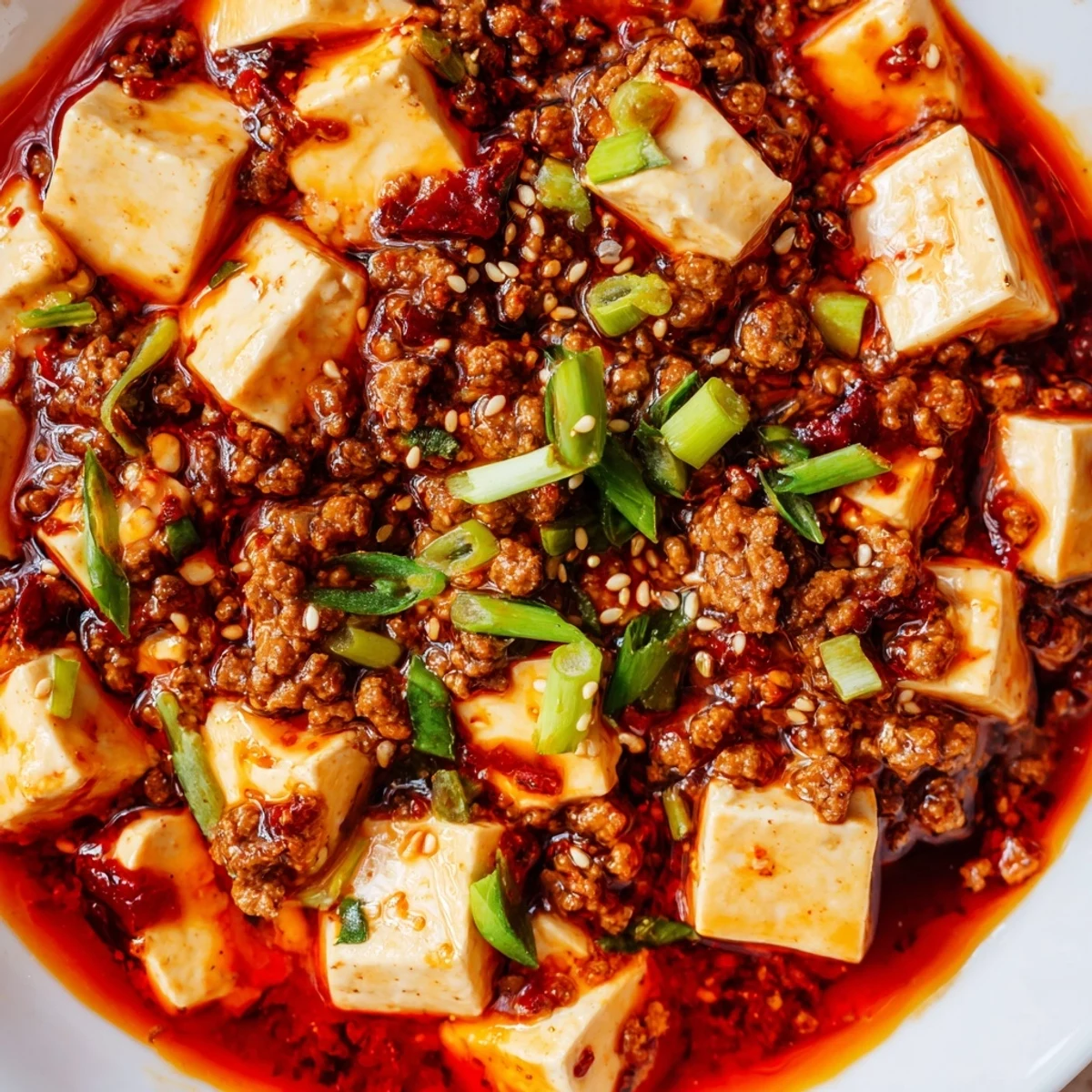
 My friend Ben once tried to make this using regular chili flakes instead of doubanjiang and ended up with something that was spicy but completely missed the point. He came over afterward, slightly defeated, and I showed him how the real version should taste, layer by layer. Now he buys doubanjiang in bulk and texts me photos every time he makes it, usually with some creative twist he's discovered. That's what I love about this dish, it teaches you about flavor balance while still leaving room to make it your own.
Getting The Heat Right
Everyone's spice tolerance sits somewhere different, and I've learned that building heat gradually is smarter than going all in at once. Start with the doubanjiang amount listed, taste after it's bloomed in the oil, and decide from there if you need more fire. Remember that the numbing sensation from Sichuan peppercorns builds up slowly, so what seems mild at first might become plenty intense halfway through the bowl.
Noodle Alternatives That Work
While udon is my absolute favorite here, I've discovered through happy accidents that other noodles bring their own charm to the party. Thick rice noodles work beautifully for a gluten-free version, and even spaghetti has saved me on desperate pantry nights. The key is choosing something substantial enough to stand up to that bold sauce, delicate noodles just get overwhelmed.
Make Ahead Magic
The tofu component actually tastes better the next day, after the spices have had time to marry and mellow. I often make a double batch, storing the mapo tofu separately from freshly cooked noodles for quick lunches throughout the week. Just add a splash of water when reheating since the sauce tightens up in the fridge.
- Don't freeze the tofu, it turns into a completely different texture that's not pleasant here
- Keep garnishes separate until serving, soggy sesame seeds are sad
- If taking this to work, pack noodles and sauce separately and combine when eating
 Save to Pinterest
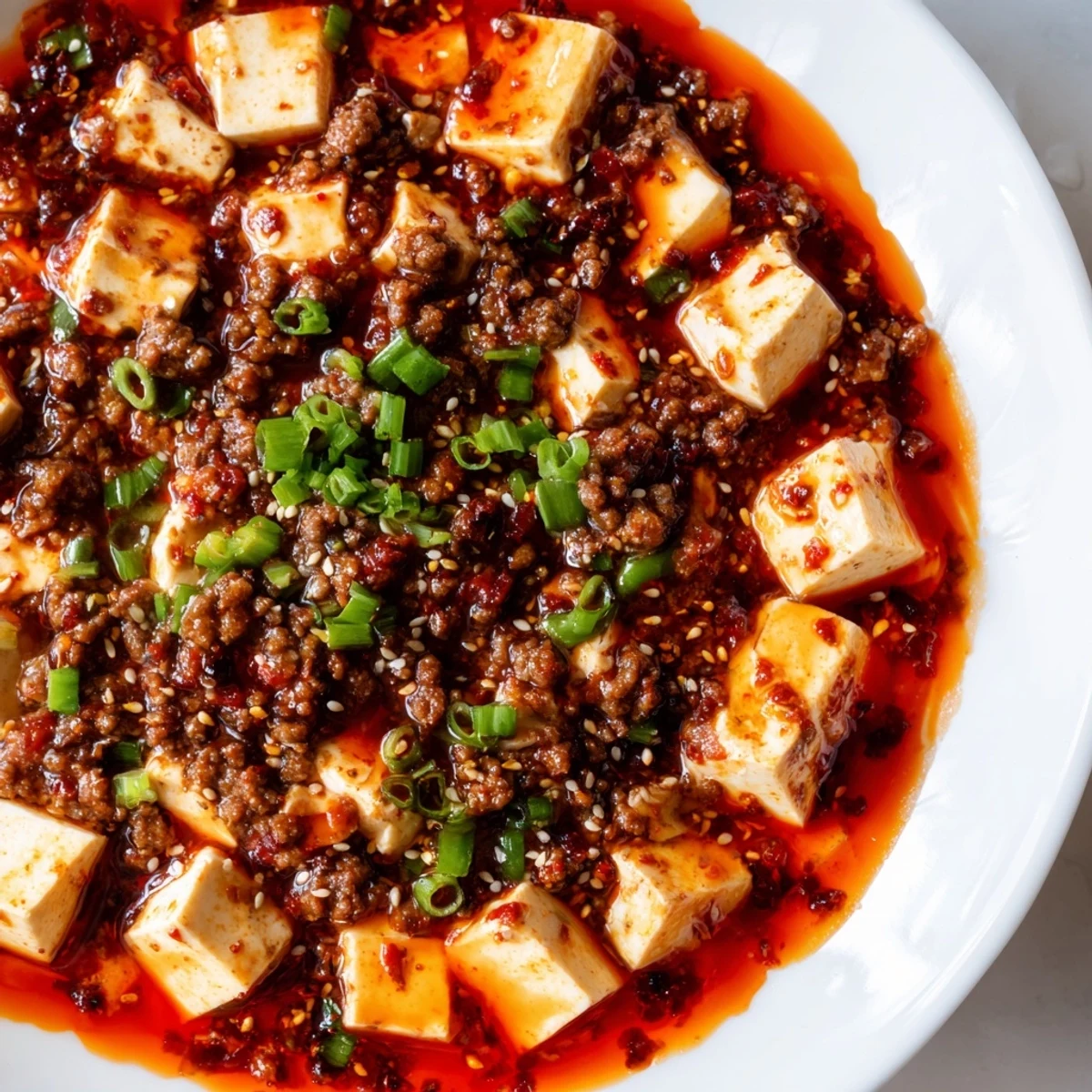
 This dish has become my go-to for dinner parties because it looks impressive but secretly comes together while everyone's hanging out in the kitchen. There's something magical about watching people take that first bite, eyes widening at the numbing spice, then reaching for more. Hope it brings as much warmth to your table as it has to mine.
Recipe Questions & Answers
- → Can I make this vegetarian?
-
Absolutely. Substitute ground pork with plant-based mince and swap oyster sauce for mushroom sauce. The flavors remain just as satisfying and authentic.
- → How spicy is this dish?
-
Medium heat level with a numbing sensation from Sichuan peppercorns. Adjust by adding more or less doubanjiang and chili oil to suit your preference.
- → What type of tofu works best?
-
Soft or silken tofu creates the creamiest texture and absorbs the sauce beautifully. Handle gently when stirring to prevent breaking apart.
- → Can I use dried udon noodles?
-
Yes, dried udon works well. Cook according to package directions, usually 8-10 minutes in boiling water, then drain before topping with the spicy tofu mixture.
- → How do I store leftovers?
-
Keep the sauce and tofu separate from noodles for best results. Refrigerate in airtight containers for up to 3 days. Reheat gently and cook fresh noodles when serving.