
 Save to Pinterest
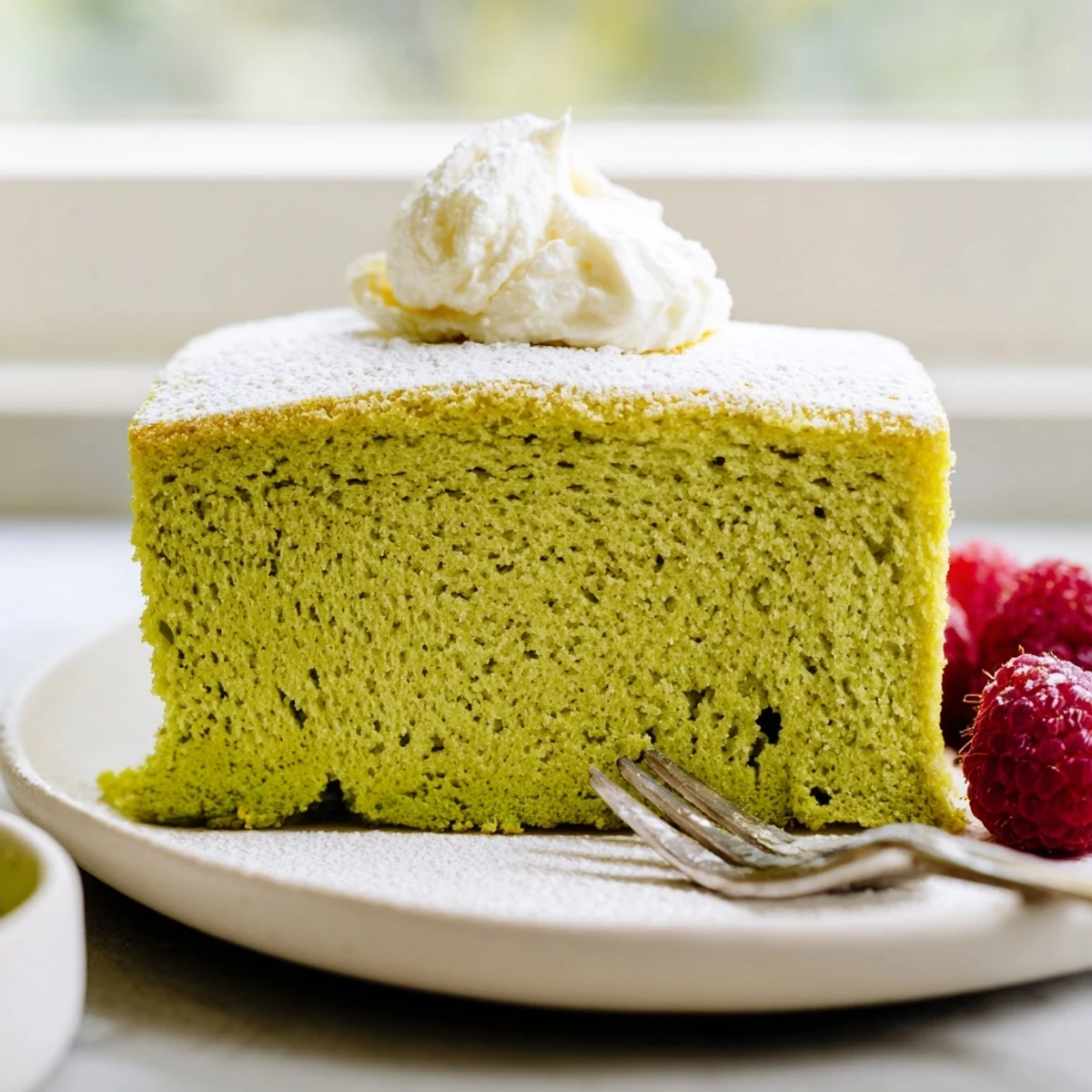
 This Japanese-inspired matcha sponge delivers a delicate, moist crumb with the earthy elegance of premium green tea powder. Sifted dry ingredients ensure a smooth batter, while the gentle folding method preserves its signature airiness.
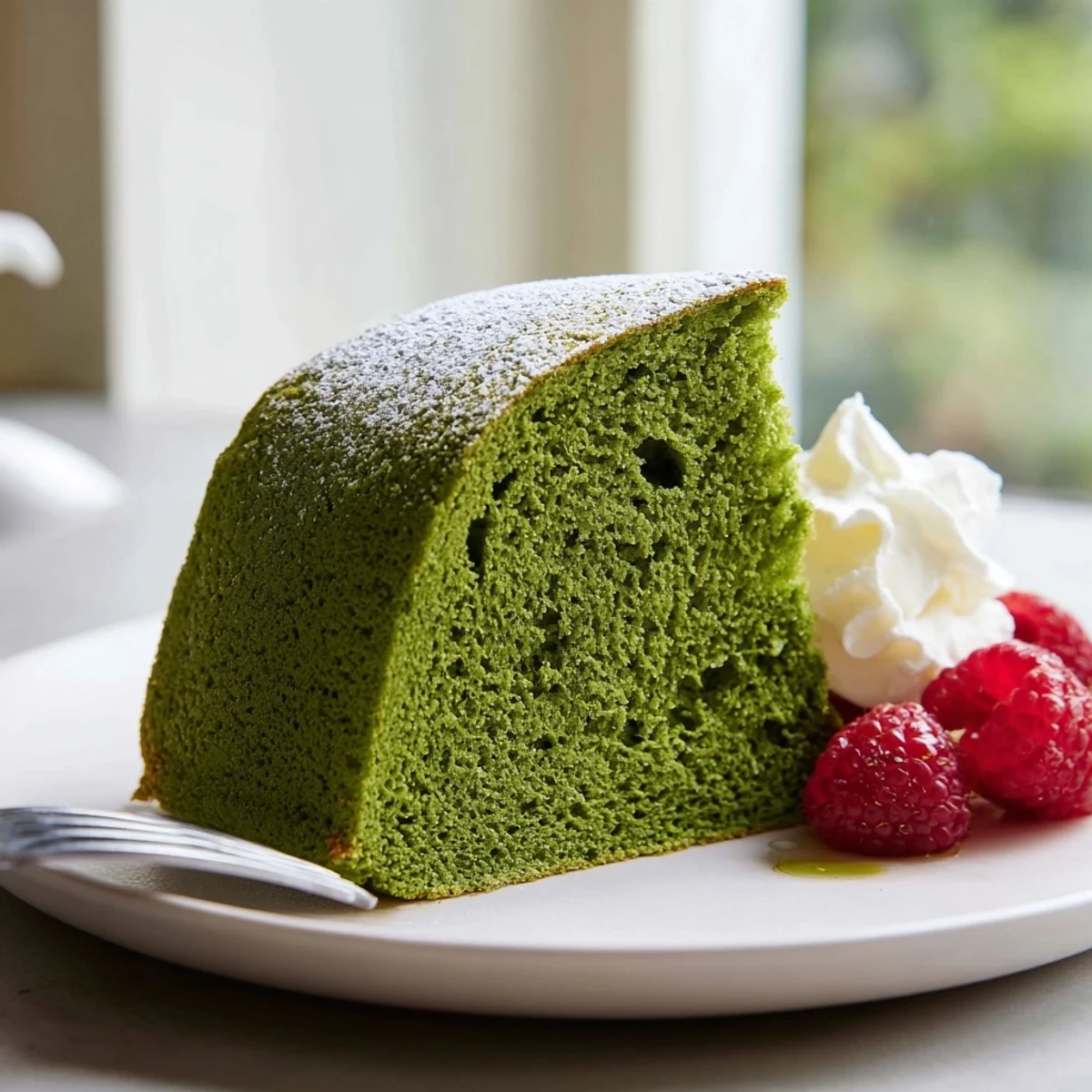
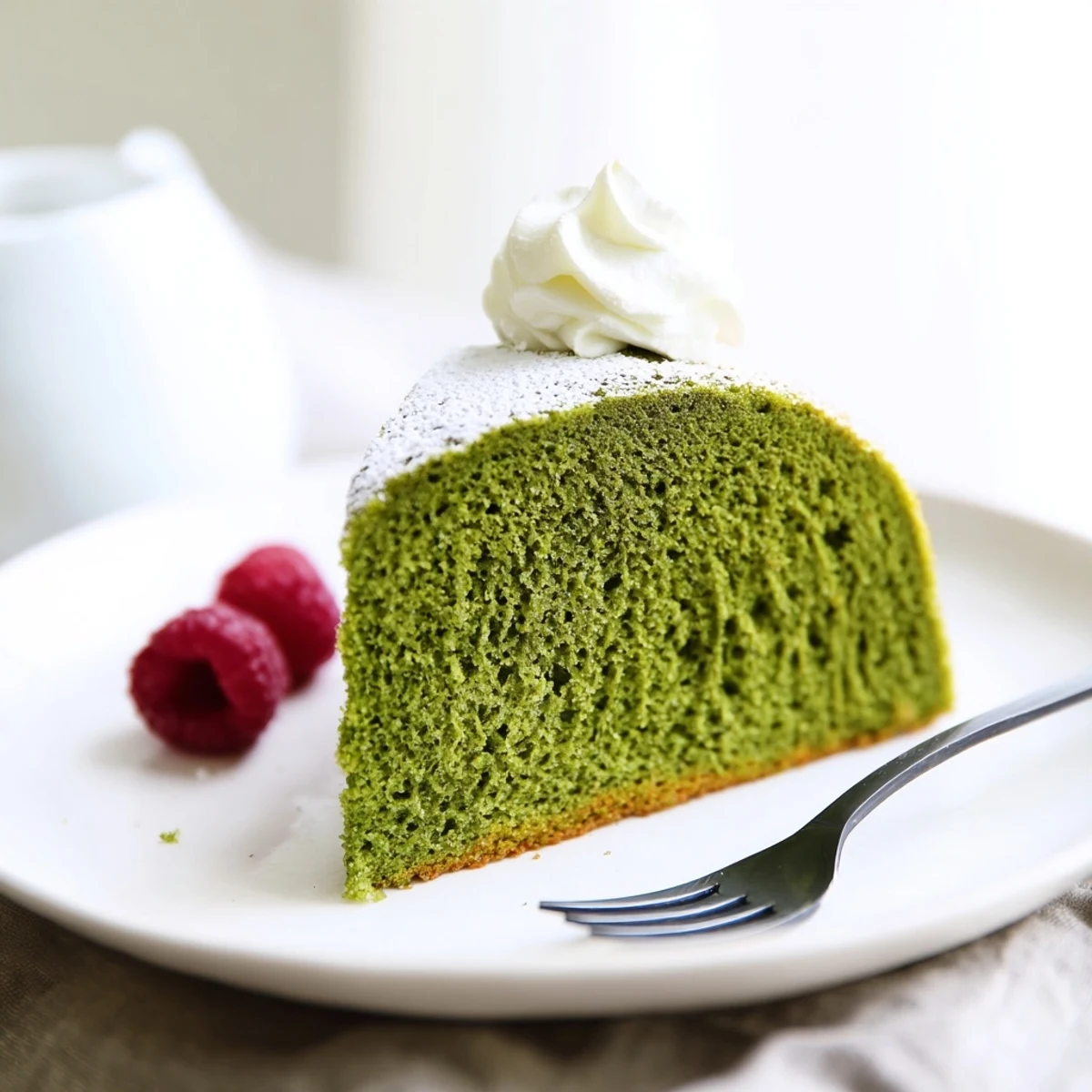
Baked at 350°F for just over 30 minutes, it emerges golden-edged with a vibrant green interior. Finished with a dusting of powdered sugar and served alongside fresh berries or softly whipped cream, it's a refined yet approachable treat.
The rain was hammering against the kitchen window the afternoon I first pulled a matcha cake from the oven, and the contrast between that grey world outside and the vivid green sponge cooling on my counter felt almost theatrical. I had bought the matcha powder on a whim during a trip to the Asian grocery store, drawn in by its electric color and the faint grassy smell that promised something completely different from my usual vanilla and chocolate routine. That first attempt was far from perfect, a little sunken in the middle and slightly overbaked around the edges, but the taste was enough to make me a believer. Now it is the cake I reach for whenever I want something that surprises people.
My friend Elena took one bite at a Sunday gathering and sat silently for a moment before declaring it tasted like a garden, which I still think is the best description of matcha I have ever heard. I have since made it for birthdays, potlucks, and once at midnight for no reason at all, and it never fails to bring people into the kitchen asking what smells so incredible.
Ingredients
- All purpose flour (1 1/2 cups, 180 g): The backbone of the sponge, sifted well to keep the crumb light and tender.
- Matcha green tea powder (2 tbsp): Use culinary grade for baking, and spring for a brighter green if you can, since the color tells half the story.
- Baking powder (1 tsp): Gives the cake its gentle rise alongside the eggs.
- Salt (1/4 tsp): A small pinch that sharpens every other flavor in the bowl.
- Granulated sugar (3/4 cup, 150 g): Just enough sweetness to soften the matcha without burying it.
- Whole milk, room temperature (1/2 cup, 120 ml): Room temperature matters here because cold milk will seize the melted butter on contact.
- Unsalted butter, melted and slightly cooled (2/3 cup, 150 g): Let it cool so it does not cook the eggs when mixed in, but keep it liquid.
- Large eggs, room temperature (3): Room temperature eggs trap more air when whisked, which translates to a fluffier crumb.
- Vanilla extract (1 tsp): Adds a warm background note that rounds out the green tea flavor.
- Powdered sugar, whipped cream, or fresh berries (optional): Simple finishing touches that make the cake feel special without much work.
Instructions
- Prepare the oven and pan:
- Heat the oven to 350°F (175°C) and grease an 8 inch round cake pan before lining the bottom with parchment paper so nothing sticks.
- Sift the dry ingredients:
- In a medium bowl, sift the flour, matcha powder, baking powder, and salt together until evenly blended and free of lumps, then set aside.
- Whisk eggs and sugar:
- In a large bowl, beat the eggs and sugar vigorously until the mixture turns pale yellow and falls in thick ribbons from the whisk, about two to three minutes.
- Add butter and vanilla:
- Pour in the melted butter and vanilla extract, folding gently until the mixture looks glossy and cohesive.
- Combine wet and dry:
- Alternate adding the sifted dry ingredients and the milk into the wet mixture, starting and ending with the dry, stirring just until each addition disappears into the batter.
- Bake the cake:
- Scrape the batter into the prepared pan, smooth the top with a spatula, and bake for 30 to 35 minutes until a toothpick slipped into the center comes out clean.
- Cool and finish:
- Let the cake rest in the pan for ten minutes, then turn it out onto a wire rack to cool completely before dusting with powdered sugar and serving with cream or berries if you like.
 Save to Pinterest
 I carried a slice of this cake to my neighbor across the hall one rainy evening, and she stood in her doorway holding the plate with both hands, telling me it reminded her of a tea shop she visited in Kyoto years ago. That is the quiet magic of matcha baked into something simple.
Choosing the Right Matcha
Not all matcha is created equal, and the powder you choose will shape both the color and flavor of your cake more than any other ingredient. Culinary grade works beautifully for baking and costs far less than ceremonial grade, which is better reserved for drinking. If you open the bag and it smells flat or dull, the cake will taste flat and dull too, so trust your nose before you measure.
Serving Suggestions
This sponge pairs wonderfully with a pot of green tea or even a glass of cold sparkling wine if you are feeling celebratory. A dollop of barely sweetened whipped cream on the side tames the earthiness for anyone trying matcha for the first time. Fresh berries, especially strawberries and raspberries, bring a tart brightness that plays beautifully against the grassy notes.
Storing and Making Ahead
The cake keeps well at room temperature under a dome or in an airtight container for up to three days, and the matcha flavor actually deepens as it sits. You can also freeze the cooled, undecorated sponge wrapped tightly in plastic for up to a month, then thaw it overnight on the counter before serving.
- Wrap the cake in two layers of plastic if freezing to prevent freezer burn from seeping in.
- Dust with powdered sugar only right before serving so it does not melt into the surface.
- Let the cake come fully to room temperature before slicing for the softest, most even texture.
 Save to Pinterest
 Every time I bake this cake the kitchen fills with a fragrance that is unlike anything else I make, warm and green and quietly comforting. Share it with someone who has never tasted matcha before and watch their face light up with surprise.
Recipe Questions & Answers
- → Can I use culinary grade matcha powder instead of ceremonial grade?
-
Yes, culinary grade matcha works perfectly for baking. Its slightly bolder, more robust flavor actually holds up better during the baking process, ensuring the green tea taste remains pronounced in the finished sponge.
- → Why did my matcha cake turn out dense instead of fluffy?
-
Overmixing the batter is the most common culprit. Once you combine the wet and dry ingredients, fold gently and stop as soon as no flour streaks remain. Additionally, ensure your eggs are at room temperature for maximum aeration when whisking with sugar.
- → How should I store leftover matcha sponge?
-
Wrap the cooled cake tightly in plastic wrap or store in an airtight container at room temperature for up to two days. For longer storage, refrigerate for up to five days, bringing it to room temperature before serving for the best texture.
- → Can I make this dairy-free?
-
Absolutely. Substitute the whole milk with an equal amount of oat or soy milk, and replace the unsalted butter with a neutral-flavored dairy-free butter alternative. The texture may be slightly different but will still be delicious.
- → What pairs well with a slice of matcha sponge?
-
A cup of sencha or hojicha tea naturally complements the earthy matcha notes. For a Western pairing, try it with a glass of sparkling wine or a light dessert wine. Fresh berries and softly whipped cream also make excellent accompaniments.
- → How can I intensify the matcha flavor?
-
Add one extra tablespoon of matcha powder to the dry ingredients for a more concentrated taste. You can also brush the warm sponge with a light matcha syrup made from dissolved matcha and a touch of sugar for an additional flavor layer.