 Save to Pinterest
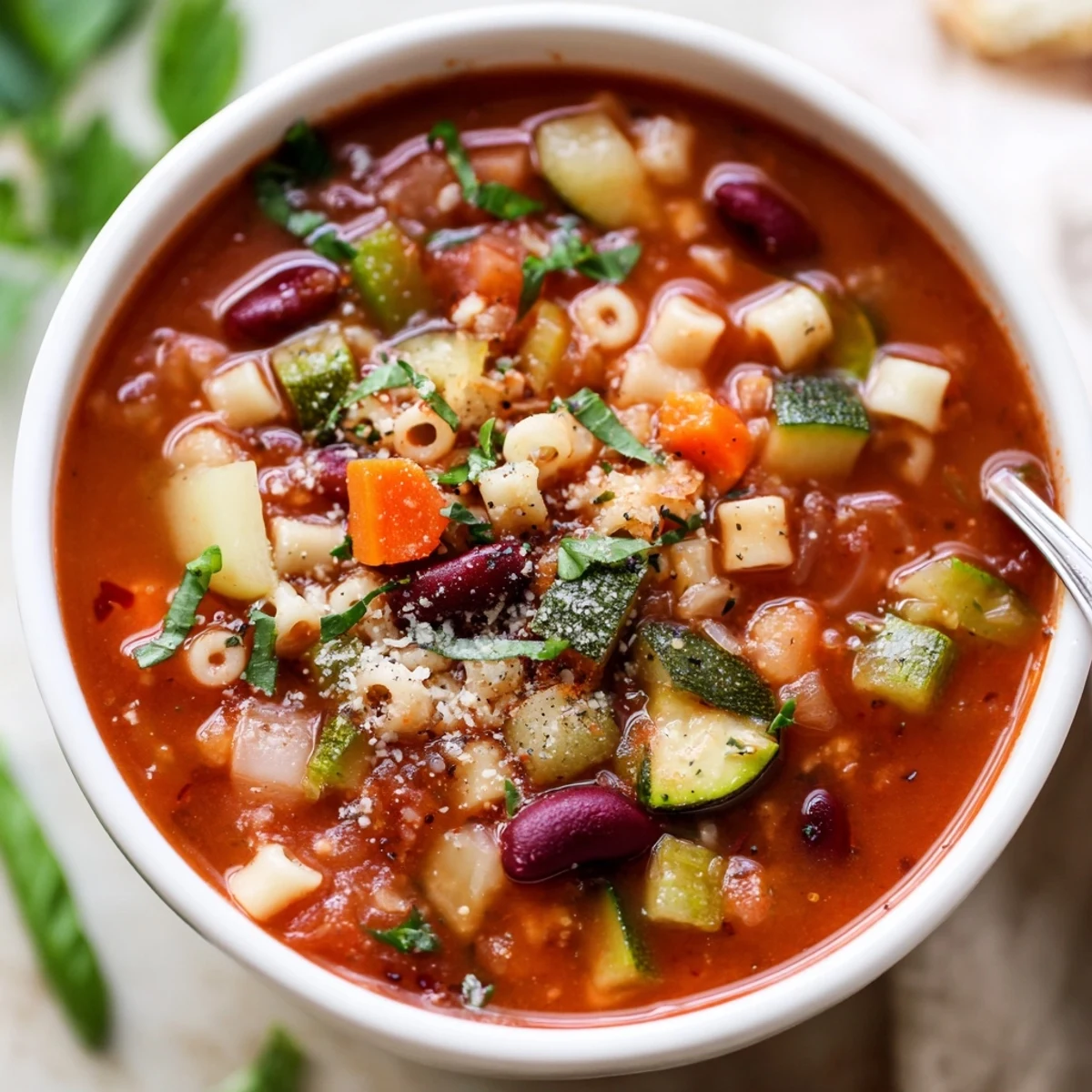
 This hearty Italian minestrone combines diced carrots, celery, onion, zucchini, potato and green beans with cannellini and kidney beans in a tomato-scented vegetable broth. Simmer 40 minutes, add small pasta and cook until tender. Serve hot with chopped parsley and grated Parmesan or a plant-based alternative. Serves 6 and tastes even better the next day.
The rain was hammering against the kitchen window that Tuesday evening, and I had a fridge full of vegetables staring back at me with no particular plan in sight. Minestrone was never something I set out to make. It just happened when the produce drawer overflowed and the craving for something warm won over everything else. That first pot changed my entire relationship with soup season.
My neighbor Lucia stopped by once while I was mid simmer, peeked into the pot, and declared it smelled like her grandmothers house in Calabria. She stayed for two bowls and left with the recipe scribbled on the back of an envelope.
Ingredients
- Olive oil: Use a good quality extra virgin here because it forms the flavor backbone of everything that follows.
- Onion, carrots, and celery: This classic soffritto trio is non negotiable, and dicing them small ensures they melt into the broth beautifully.
- Garlic: Fresh cloves only, minced finely so no one bites into a harsh chunk.
- Zucchini: Adds a lovely softness and slight sweetness that balances the acidity of the tomatoes.
- Potato: A waxy variety holds its shape better during the long simmer.
- Green beans: Trim them well and chop into bite sized pieces so every spoonful feels complete.
- Diced tomatoes: The canned kind actually work better than fresh here because they bring a deep, consistent tang.
- Vegetable broth: A rich, well seasoned broth makes all the difference, so taste yours before adding salt.
- Cannellini and red kidney beans: Rinsing canned beans thoroughly removes the starchy liquid and prevents cloudiness.
- Small pasta: Ditalini is traditional and catches bits of vegetables in every tube like a tiny treasure chest.
- Dried oregano and basil: Rub them between your palms before adding to wake up the essential oils.
- Bay leaf: Do not forget to remove it before serving, a lesson I learned the crunchy way.
- Salt and pepper: Season gradually and taste often because the beans and broth vary in saltiness.
- Fresh parsley: Optional technically, but the bright pop of green at the end elevates everything.
- Parmesan cheese: A generous shower at the table turns a great bowl into an unforgettable one.
Instructions
- Build the flavor base:
- Warm the olive oil in your largest pot over medium heat until it shimmers, then toss in the onion, carrots, and celery. Stir them around for about five minutes until they soften and release a sweet, savory aroma that fills the whole kitchen.
- Add the hearty vegetables:
- Drop in the garlic, zucchini, and potato, stirring occasionally for three minutes so everything gets lightly coated in that fragrant oil.
- Bring in the tomatoes and green beans:
- Pour the diced tomatoes with all their juices right into the pot and add the green beans, giving everything a good stir so nothing sticks to the bottom.
- Create the broth:
- Pour in the vegetable broth and add both kinds of beans along with the oregano, basil, bay leaf, salt, and pepper. Bring it all to a rolling boil, then immediately drop the heat to a gentle simmer for fifteen minutes so the flavors have time to marry.
- Cook the pasta:
- Tip in the small pasta and let it cook for about ten minutes, stirring now and then so nothing settles and sticks. You want the pasta tender but still holding its shape.
- Finish and serve:
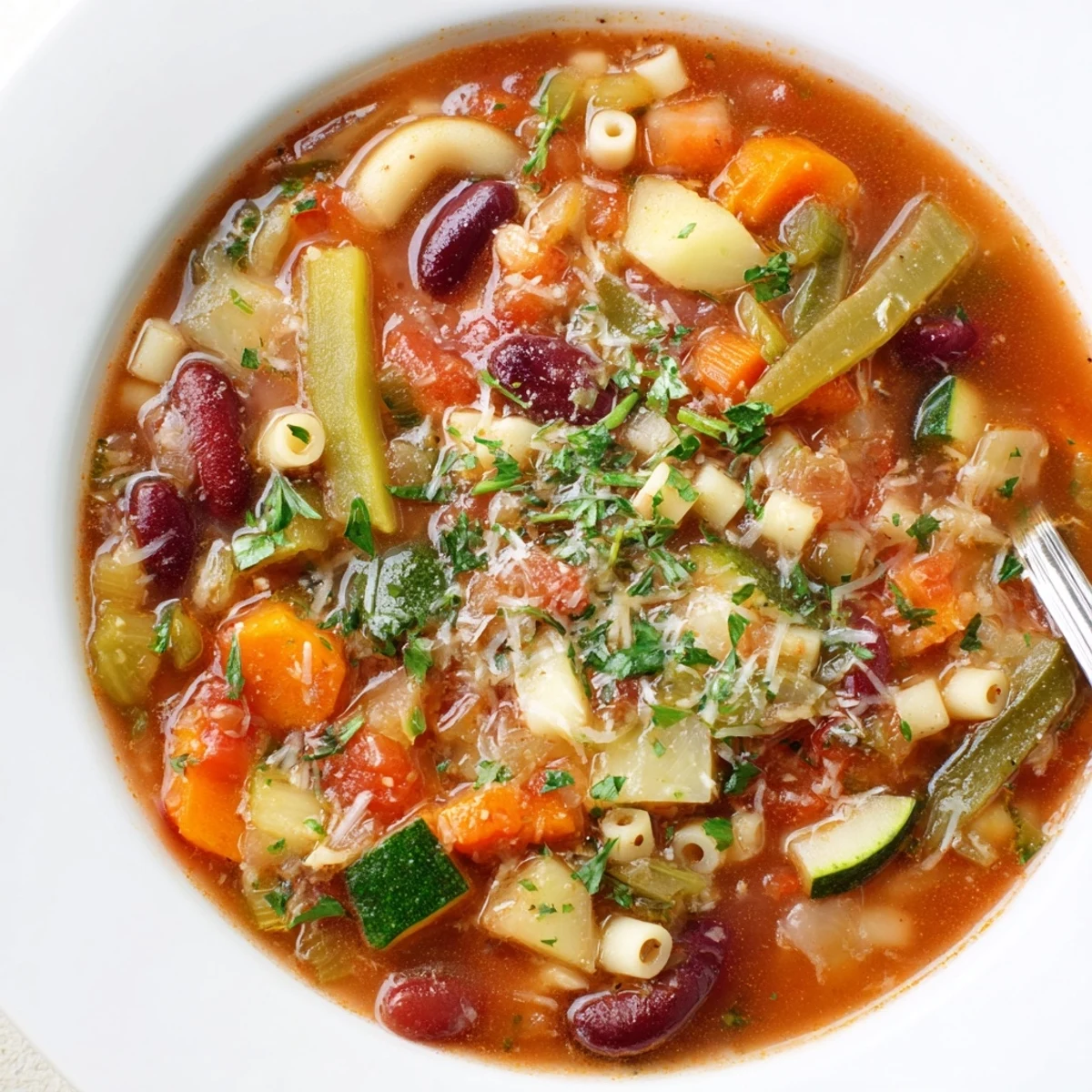
- Fish out that bay leaf and taste the broth, adjusting salt and pepper until it sings. Ladle into deep bowls and finish with fresh parsley and a generous cloud of grated Parmesan.
 Save to Pinterest
 There is something about a pot of minestrone simmering on the stove that turns an ordinary evening into a small event worth savoring.
Seasonal Swaps That Actually Work
In autumn I toss in handfuls of chopped kale or shredded cabbage during the last few minutes of cooking. Summer calls for fresh tomatoes and basil stirred in right at the end. The beauty of minestrone is that it adapts to whatever your farmers market offers that week.
Storing and Reheating Like a Pro
Let the soup cool completely before transferring it to airtight containers because condensation will water it down otherwise. It keeps in the refrigerator for up to four days and freezes beautifully for up to three months. When reheating, do it gently over low heat rather than a violent boil to preserve the texture of the vegetables.
Making It Your Own
Every cook who makes minestrone develops their own rhythm and preferences over time, and that is exactly how it should be.
- Try adding a parmesan rind to the broth while simmering for an extra layer of savory depth.
- A pinch of red pepper flakes transforms the whole character without overwhelming it.
- Always taste before serving because a final adjustment of salt can change everything.
 Save to Pinterest
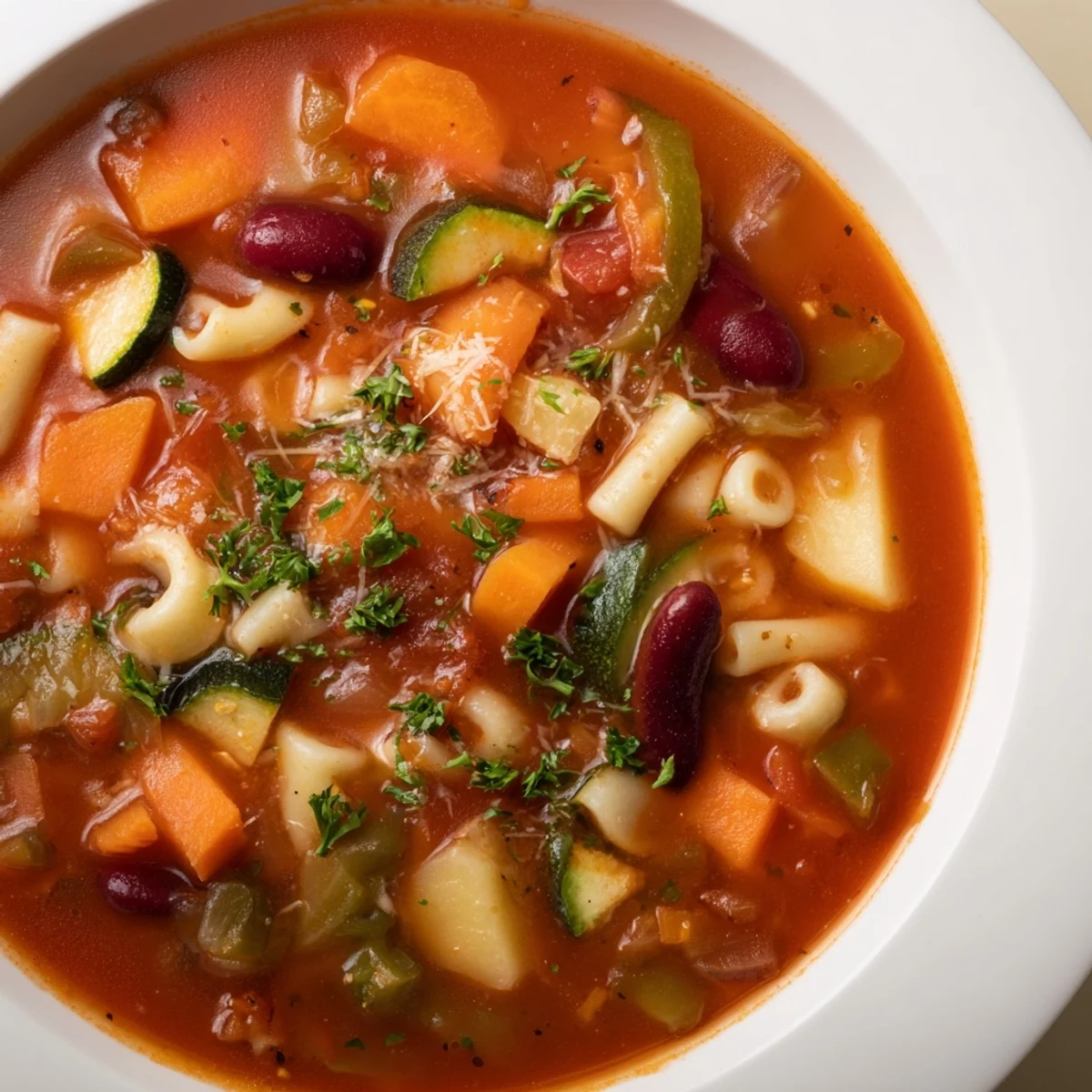
 A steaming bowl of this minestrone is proof that humble ingredients, treated with care, create something far greater than the sum of their parts. Share it generously.
Recipe Questions & Answers
- → Can I swap the beans for others?
-
Yes. Use white beans, chickpeas or a single variety if preferred; canned beans keep the stew creamy while cooking. Drain and rinse before adding to control saltiness.
- → How do I prevent the pasta from getting mushy?
-
Stir the pasta in only near the end of cooking and simmer until just tender. For firmer texture, cook pasta separately and add when serving.
- → Can I make this gluten-free?
-
Absolutely. Swap the small pasta for a gluten-free alternative, or leave it out and add extra diced vegetables or grains like quinoa after cooking.
- → How should I store and reheat leftovers?
-
Cool completely, refrigerate up to 3–4 days. Reheat gently on the stove, adding a splash of broth or water to loosen if thickened. Adjust seasoning before serving.
- → What’s a good vegan option for the cheese?
-
Omit the Parmesan or finish with a drizzle of olive oil and extra chopped parsley. Nutritional yeast or a plant-based grated cheese also adds savory depth.
- → Is it suitable for freezing?
-
Yes. Freeze before adding pasta for best texture; frozen soup keeps well for 2–3 months. Thaw overnight in the fridge and reheat slowly on the stove.