
 Save to Pinterest
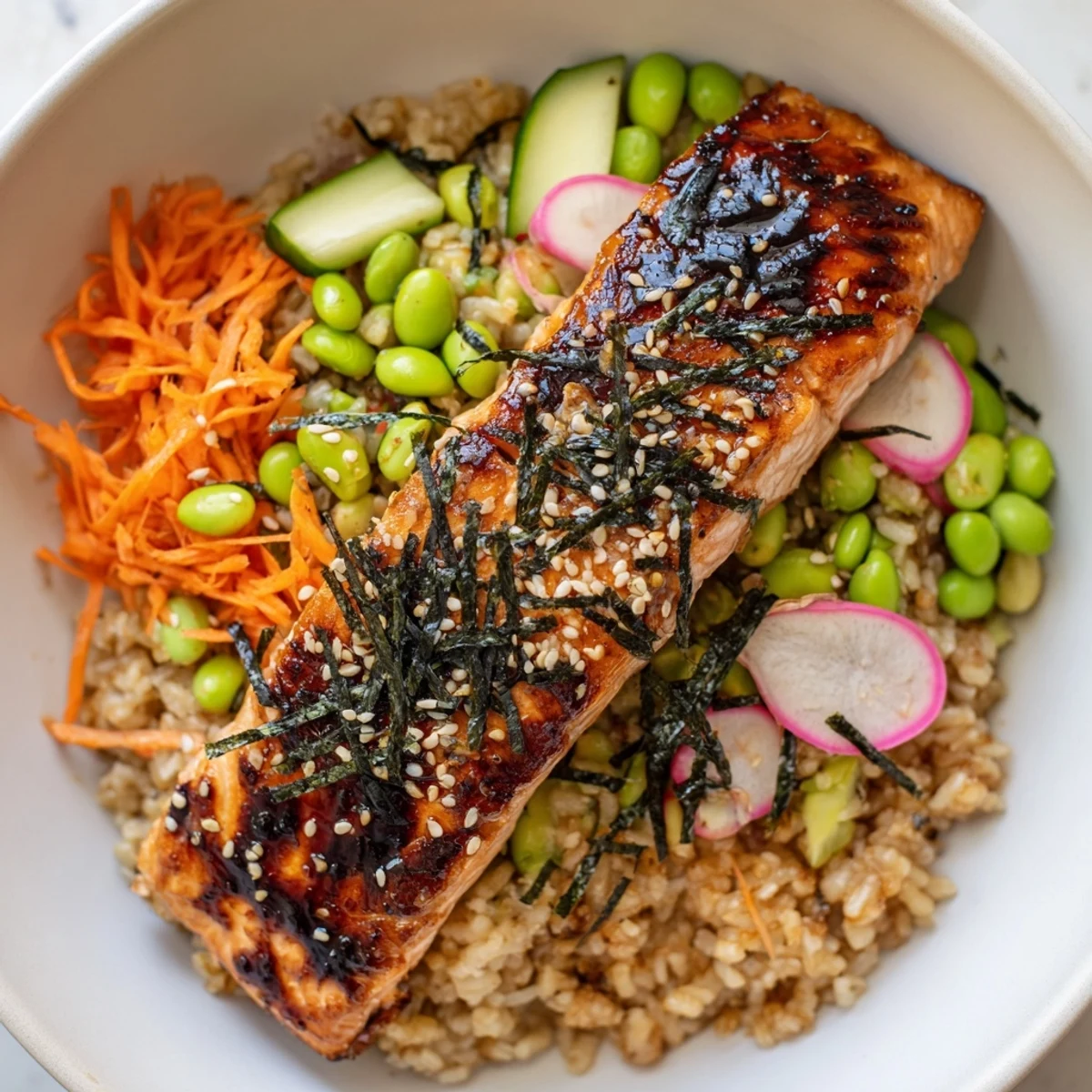
 This miso salmon grain bowl brings together oven-roasted salmon fillets coated in a savory white miso, soy, and ginger glaze, served over warm brown rice or your favorite grain blend.
Each bowl is loaded with colorful fresh vegetables including blanched edamame, shredded carrots, cool cucumber, creamy avocado, and crisp radishes, all tied together with a light rice vinegar and sesame dressing.
Ready in about 40 minutes from start to finish, it makes a satisfying weeknight dinner that balances protein, whole grains, and plenty of fresh produce in every bite.
The smell of miso caramelizing under a hot oven broiler is the kind of thing that makes neighbors knock on your door and ask what on earth you are cooking. I discovered this salmon bowl routine during a phase where I was obsessed with building meals that felt like they came from one of those trendy lunch spots downtown. It quickly became the dish I reach for when I want something beautiful without spending my entire evening at the stove.
One Tuesday my friend Lisa walked in right as I pulled the salmon from the oven, and she stood in the kitchen doorway just breathing it in before saying anything at all. We ate standing over the counter, bowls balanced on the edge of the sink, because setting the table felt like too much effort and the food was too good to wait.
Ingredients
- 4 salmon fillets, about 150 g each, skin removed: The skin blocks the glaze from really soaking in, so take it off for maximum flavor penetration.
- 2 tbsp white miso paste: White miso is milder and sweeter than red, which is exactly what you want here so it does not overpower the fish.
- 1 tbsp soy sauce: Adds salt and depth, and ties the whole glaze together with umami.
- 1 tbsp mirin: This Japanese sweet cooking wine gives the glaze a glossy finish and a gentle sweetness that balances the salty miso perfectly.
- 2 tsp sesame oil: Just a little goes a long way, adding a nutty aroma that makes everything taste more complex.
- 1 tsp honey: Helps the glaze caramelize and stick to the salmon, and you can swap maple syrup if you prefer.
- 1 tsp grated fresh ginger: Fresh ginger adds a warm zing that brightens the whole bowl and cuts through the richness of the fish.
- 2 cups cooked brown rice: Hearty and chewy, brown rice holds up well under all the toppings, but quinoa or farro work beautifully too.
- 1 cup shelled edamame, blanched: These bring protein and a satisfying pop of texture to every bite.
- 1 cup shredded carrots: For sweetness, crunch, and a bright hit of orange on the plate.
- 1 cup cucumber, thinly sliced: Cool and crisp, cucumber balances the warm savory elements of the bowl.
- 1 avocado, sliced: Creamy avocado ties all the textures together and makes the bowl feel indulgent.
- 4 radishes, thinly sliced: A peppery bite that surprises you in the best way.
- 2 scallions, thinly sliced: A fresh oniony finish that brightens every forkful.
- 1 tbsp toasted sesame seeds: Scatter these on top for a final layer of nutty crunch.
- 1 sheet nori, sliced into thin strips: Optional, but it adds a briny whisper of the sea that makes the whole thing sing.
- 2 tbsp rice vinegar, 1 tbsp soy sauce, 1 tsp sesame oil, 1 tsp honey for the dressing: A simple sharp dressing that wakes up the grains and vegetables.
Instructions
- Preheat and marinate:
- Heat your oven to 400°F. Whisk the miso paste, soy sauce, mirin, sesame oil, honey, and grated ginger into a smooth paste, then brush it generously over each salmon fillet and let them rest for ten minutes so the flavors sink in.
- Roast the salmon:
- Line a baking sheet with parchment paper and lay the fillets on top. Roast for twelve to fifteen minutes until the glaze turns golden and the fish flakes apart easily when you press it with a fork.
- Prep the bowls:
- While the salmon works its magic in the oven, get your grains warm and arrange all the vegetables in little piles so everything is ready to assemble the moment the fish comes out.
- Whisk the dressing:
- Stir together the rice vinegar, soy sauce, sesame oil, and honey in a small bowl until the honey dissolves, then taste it and adjust if you want it sharper or sweeter.
- Build and serve:
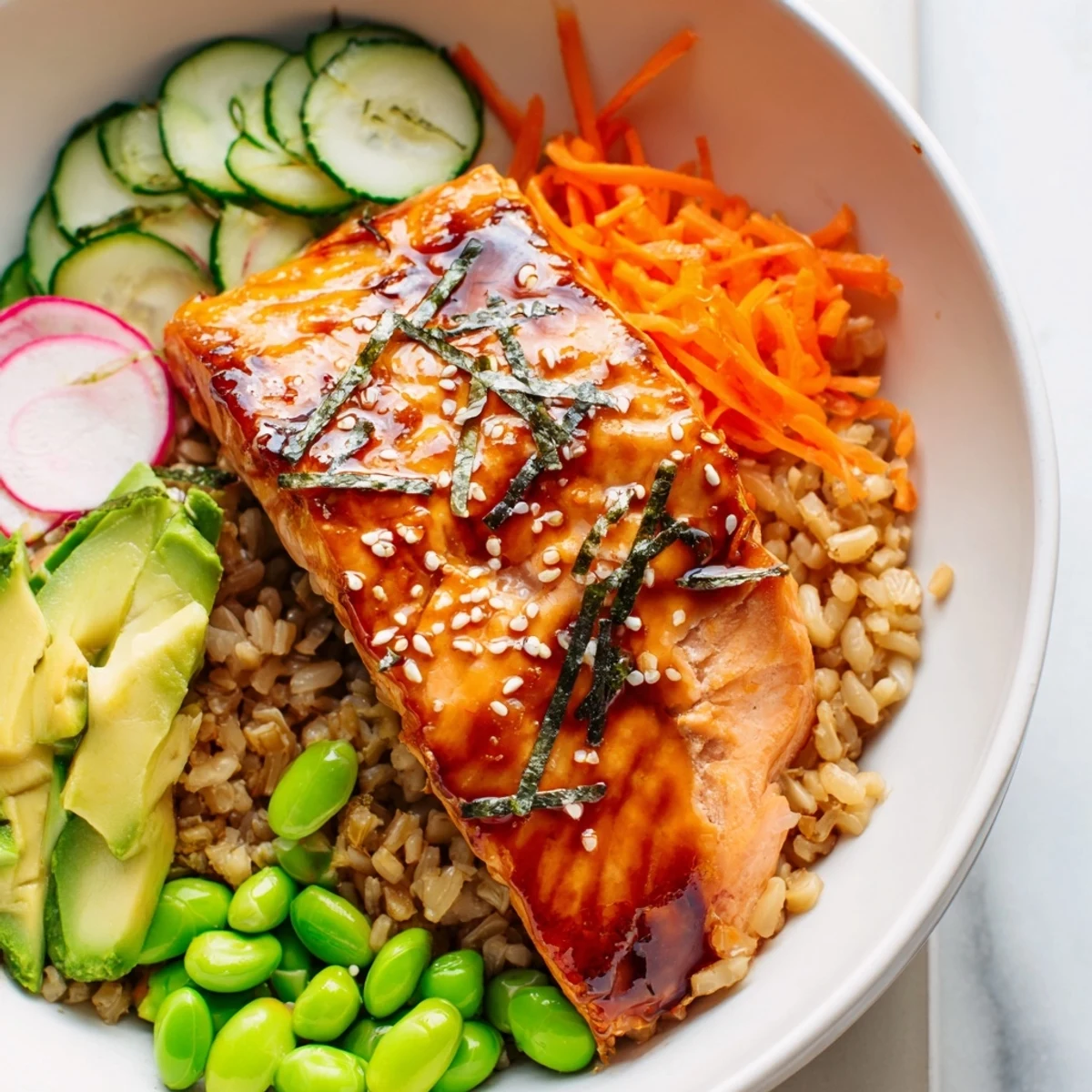
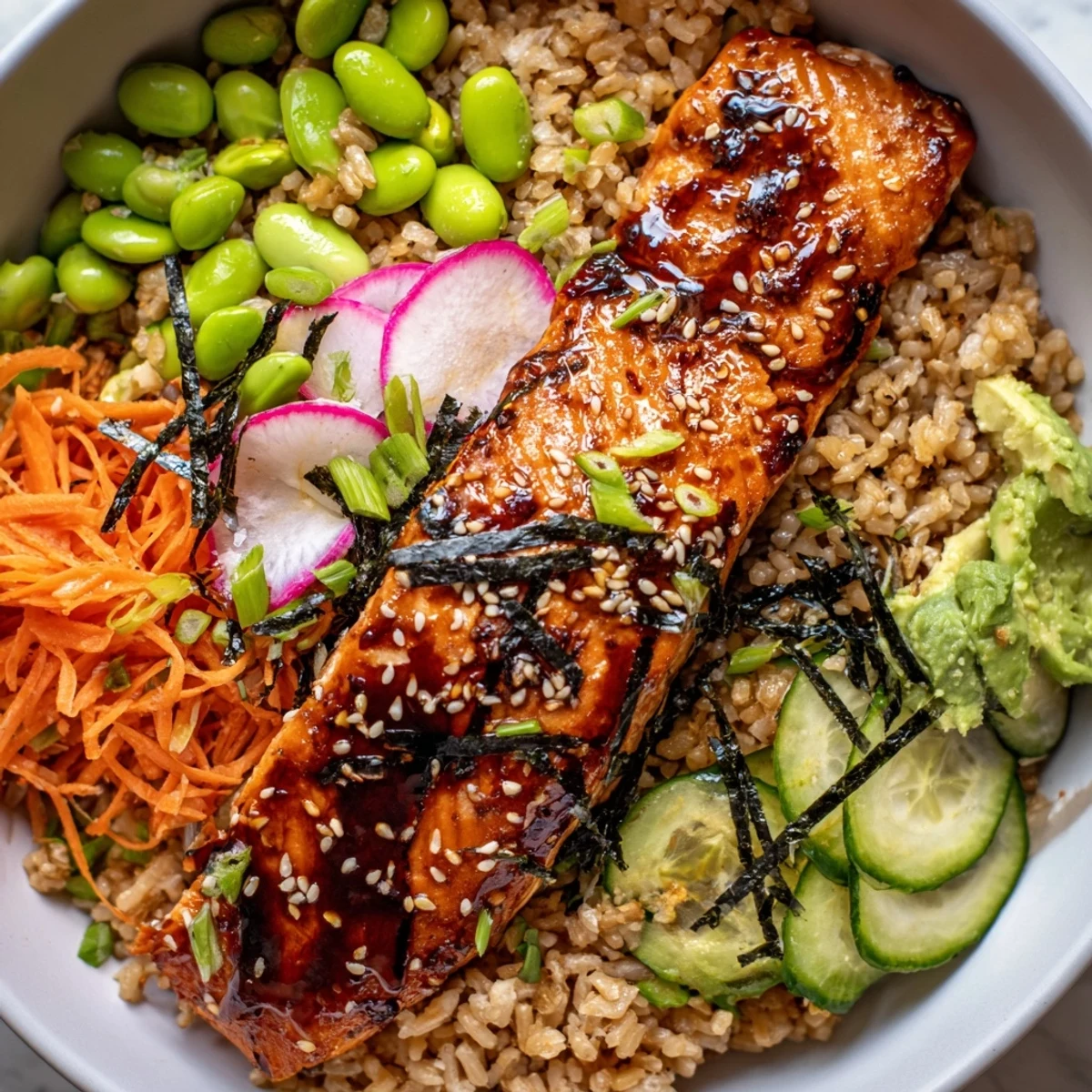
- Divide the grains among four bowls, arrange the edamame, carrots, cucumber, avocado, radishes, and scallions around each one, top with a hot salmon fillet, drizzle with dressing, and finish with sesame seeds and nori strips.
 Save to Pinterest
 There was a rainy Sunday when I made a triple batch of these bowls for a small gathering, and everyone ended up sitting on the living room floor because the table was covered in scattered toppings and extra dressing. Nobody minded at all.
Making It Your Own
The real beauty of a grain bowl is that nothing is mandatory. I have made this with roasted sweet potatoes instead of radishes, with pickled ginger piled on top, and once with a fried egg because I had no avocado and it was still wonderful.
Gluten Free and Dietary Swaps
If you need to avoid gluten, swap regular soy sauce for tamari and double check your miso brand since some include barley. For a fully plant based version, use maple syrup instead of honey and replace the salmon with thick slices of miso glazed tofu pressed firm and roasted the same way.
Storing and Reheating
The components keep well separately in the fridge for up to three days, which means you can prep everything ahead and assemble fresh bowls all week long.
- Store the salmon in its own container and reheat gently in a low oven so the glaze does not burn.
- Keep the dressing in a jar and shake it before each use because it separates as it sits.
- Always add the avocado right before eating so it stays green and creamy.
 Save to Pinterest
 This bowl is proof that eating well does not require complicated techniques or expensive ingredients, just a little miso and some good intentions. Make it once and it will become part of your regular rotation without even trying.
Recipe Questions & Answers
- → What type of miso paste works best for the salmon glaze?
-
White miso paste (shiro miso) is ideal because of its mild, slightly sweet flavor that complements salmon without overpowering it. Red miso can also be used, but it has a stronger, saltier profile that will give the fish a more robust, intense taste.
- → Can I use a different fish instead of salmon?
-
Yes, the miso glaze pairs beautifully with other rich fish like black cod, sea bass, or arctic char. Thicker fillets work best since they need to hold up to the marinade and oven roasting without drying out. Adjust cooking time based on the thickness of your fillets.
- → What grains work well as the base for this bowl?
-
Brown rice is the classic choice, but quinoa, farro, barley, or a mixed grain blend all work wonderfully. For a low-carb alternative, cauliflower rice is a great option. Cook the grains according to their package directions and keep them warm until serving.
- → How do I know when the salmon is properly cooked?
-
The salmon is done when it flakes easily when gently pressed with a fork, typically after 12 to 15 minutes in a 400°F oven. The internal temperature should reach 145°F. Avoid overcooking, as the fish will continue to cook slightly from residual heat after removal from the oven.
- → Can I prepare any components of this bowl ahead of time?
-
Absolutely. The miso marinade can be mixed up to three days in advance and stored in the refrigerator. You can also cook the grains, blanch the edamame, and slice the vegetables ahead of time. Marinate the salmon for up to 24 hours, then simply roast and assemble when ready to serve.
- → Is this dish gluten-free?
-
It can be made gluten-free with a few simple swaps. Use tamari instead of regular soy sauce in both the marinade and dressing, and choose a certified gluten-free miso paste. Always check the labels on your ingredients, as some brands of miso and soy sauce contain trace amounts of gluten.