
 Save to Pinterest
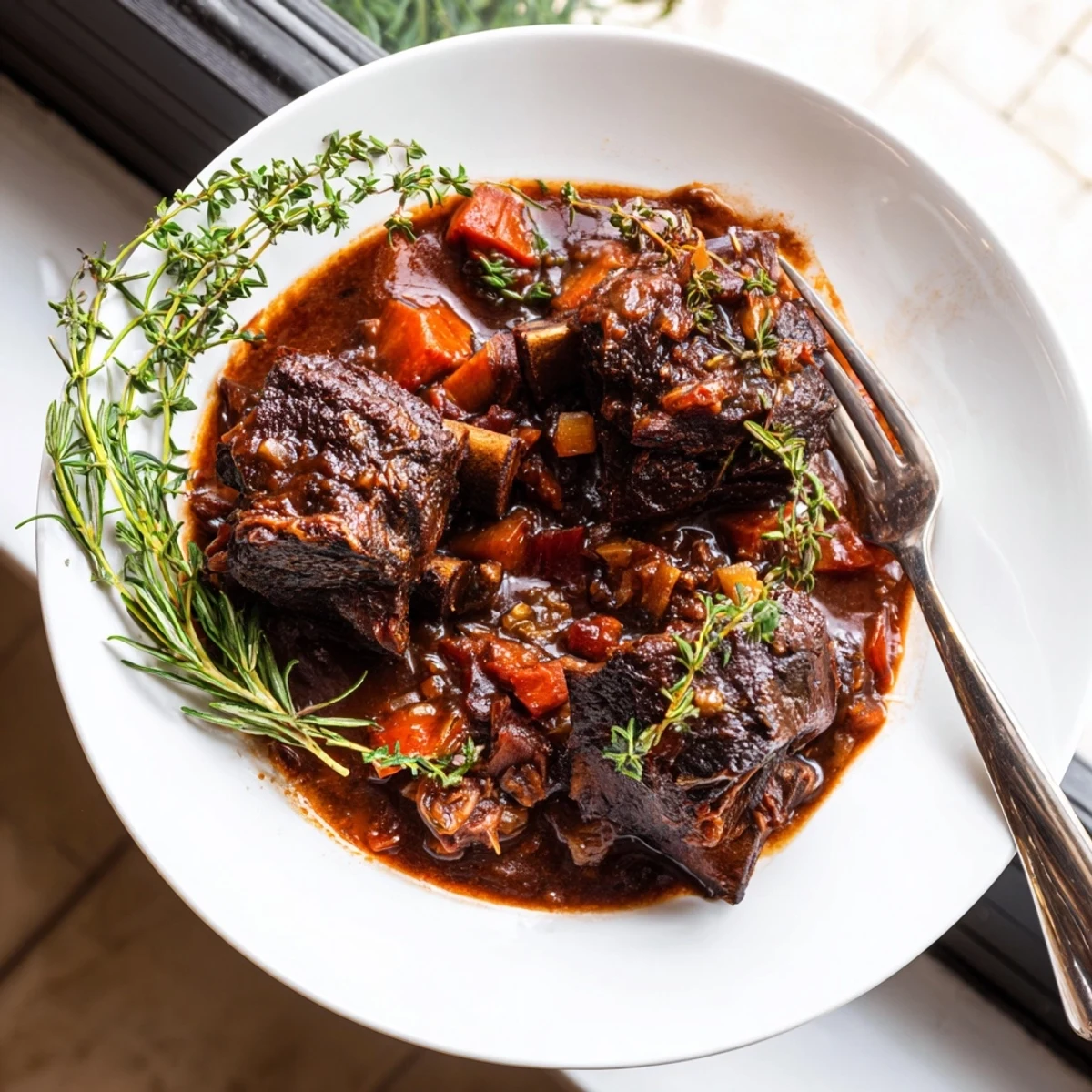
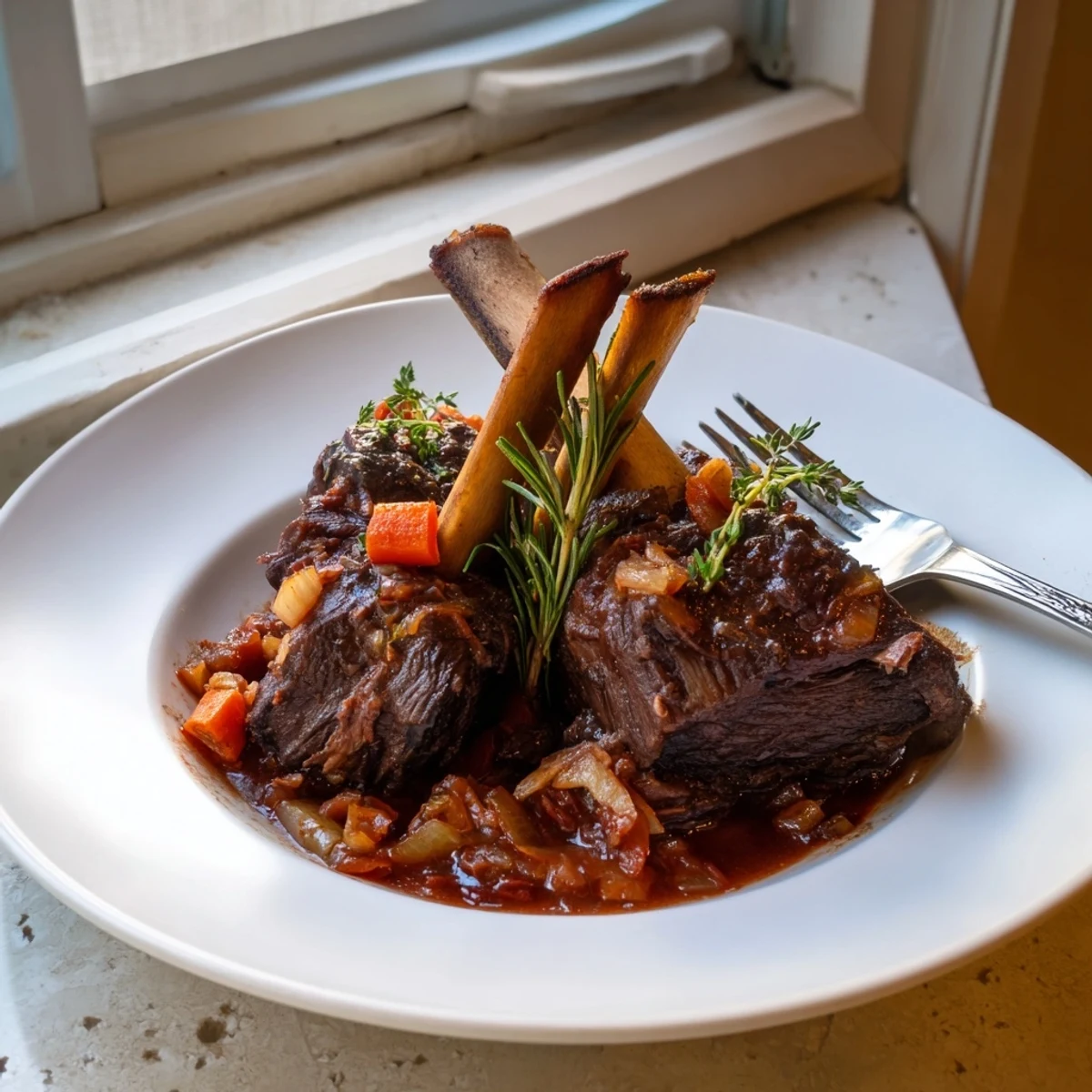
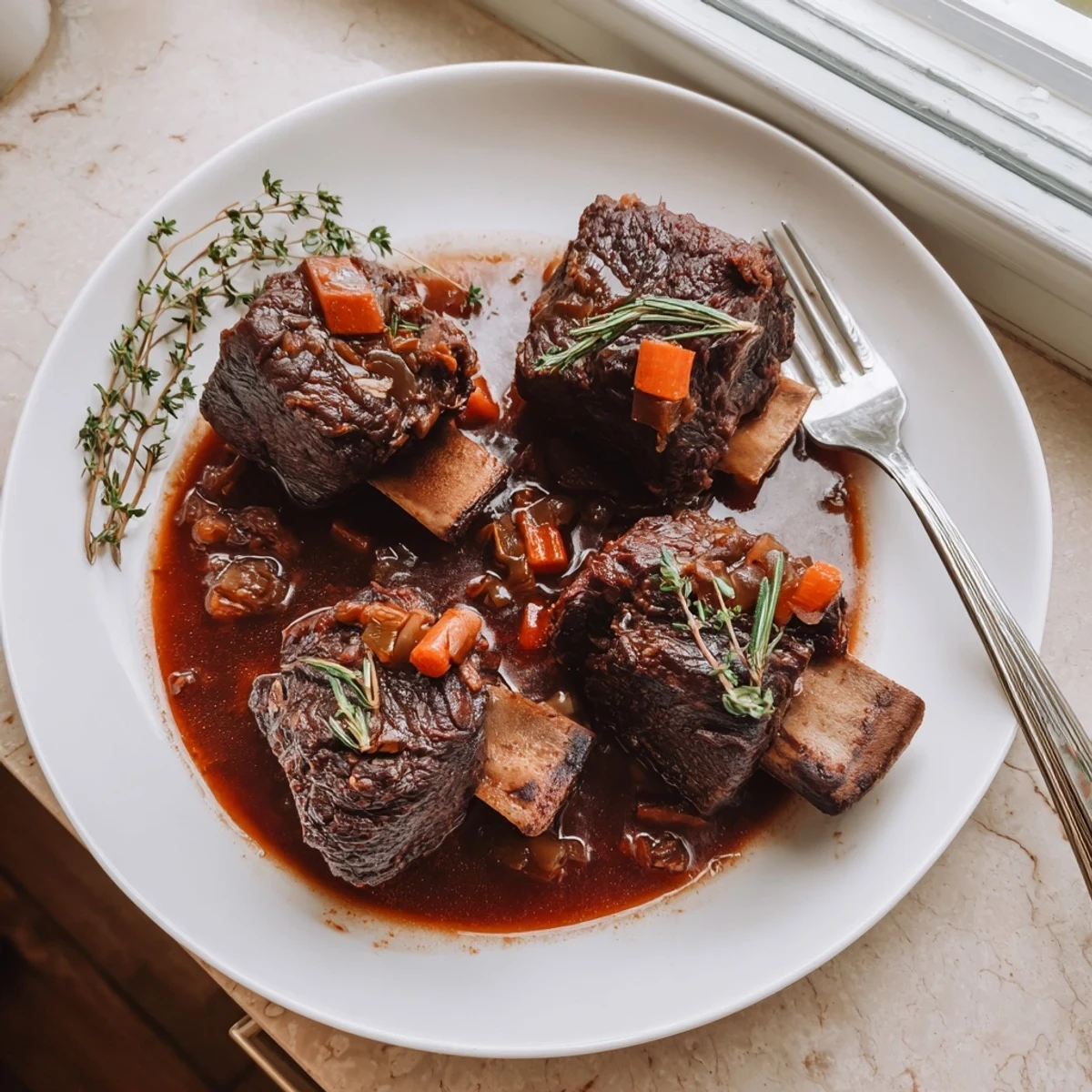
 These oven braised beef short ribs are seared to a deep golden crust, then slowly cooked in a rich red wine and beef broth sauce alongside onions, carrots, celery, and fresh herbs. After nearly three hours in the oven, the meat becomes incredibly tender and practically falls off the bone.
The braising liquid transforms into a silky, deeply flavored sauce that pairs beautifully with creamy mashed potatoes, polenta, or crusty bread. This classic French-inspired dish is perfect for special occasions or a cozy weekend dinner at home.
The smell of red wine hitting a hot pan is enough to make anyone stop what they are doing and wander into the kitchen. My first attempt at short ribs involved a cheap bottle of Merlot and a lot of wishful thinking, but even that imperfect batch convinced me this dish was worth mastering. There is something almost magical about transforming a tough, fatty cut of meat into something that trembles at the touch of a fork. This recipe is the result of many Sunday afternoons spent experimenting, adjusting, and tasting my way to a braise I genuinely love.
A friend once told me that short ribs taste like cold weather decided to be delicious. I made this batch during a rainstorm so relentless that the power flickered twice while the oven hummed along, completely unbothered, doing its slow and patient work.
Ingredients
- Bone-in beef short ribs (4 lbs / 1.8 kg): The bones contribute collagen and depth to the braise, so do not even think about going boneless here.
- Salt and freshly ground black pepper: Season the ribs more generously than you think you should, because a lot of flavor gets lost into the braising liquid.
- Olive oil (2 tbsp): A neutral oil works too, but olive oil adds a subtle fruitiness that rounds out the sear.
- Large onion, chopped: One large onion gives you a sweet, mellow base that melts into the sauce over the long cook.
- Carrots, chopped (2): They add natural sweetness that balances the acidity of the wine and tomato paste.
- Celery stalks, chopped (2): Celery works quietly in the background, providing an earthy backbone most people overlook until it is missing.
- Garlic cloves, minced (4): Four cloves sounds like a lot until you realize they mellow dramatically during the braise.
- Tomato paste (2 tbsp): This small amount concentrates the entire flavor profile and gives the sauce its deep, rust colored hue.
- Dry red wine (2 cups / 475 ml): Use something you would happily drink, because you will absolutely taste the difference.
- Beef broth (2 cups / 475 ml): Low sodium is best here so you can control the salt level yourself throughout cooking.
- Fresh thyme sprigs (2): Fresh thyme has a woodsy, lemony warmth that dried thyme simply cannot replicate in a slow braise.
- Fresh rosemary sprigs (2): Rosemary brings a piney resilience that stands up to hours of cooking without disappearing.
- Bay leaves (2): Do not skip these, and remember to fish them out before serving because nobody wants to bite into one.
Instructions
- Preheat and prepare the ribs:
- Set your oven to 325 degrees F (165 degrees C). Pat the short ribs thoroughly dry with paper towels, because moisture is the enemy of a good sear, then season all over with salt and pepper.
- Sear until deeply browned:
- Heat olive oil in a large Dutch oven over medium high heat until it shimmers. Sear the ribs on every side until a deep mahogany crust forms, roughly 3 to 4 minutes per side, then transfer them to a plate and resist the urge to sneak a bite.
- Build the vegetable base:
- Add onion, carrots, and celery to the same pot and sauté until softened and fragrant, about 5 minutes. Toss in the minced garlic and stir for one minute more until your kitchen smells absolutely incredible.
- Add tomato paste and deglaze:
- Stir in the tomato paste and let it cook for a minute to darken and sweeten. Pour in the red wine and scrape up every last browned bit from the bottom of the pot, because that fond is concentrated flavor you do not want to lose.
- Bring it all together:
- Return the seared ribs and any accumulated juices back to the pot. Pour in the beef broth and tuck in the thyme, rosemary, and bay leaves, ensuring the liquid comes up almost to the top of the ribs.
- Braise low and slow:
- Cover with a tight fitting lid and slide the pot into the oven. Braise for 2.5 to 3 hours, checking near the end by piercing the meat with a fork to see if it slides out with zero resistance.
- Finish the sauce and serve:
- Transfer the ribs and vegetables to a warm platter and discard the herb sprigs and bay leaves. Skim the surface fat from the braising liquid and reduce it on the stovetop if you want a thicker, more concentrated sauce before spooning it generously over the ribs.
 Save to Pinterest
 Serving these ribs to my neighbor who claimed she did not eat beef was a quiet triumph I will never forget. She went back for seconds without saying a word, and that plate of food said everything.
What to Serve Alongside
Creamy mashed potatoes are the classic answer because they soak up the sauce like edible luxury, but a soft polenta or a thick slice of crusty bread works just as well. I have also served them over egg noodles on nights when comfort took priority over elegance.
Making It Your Own
Adding a handful of sliced mushrooms to the vegetable base gives the braise an earthy depth that feels almost wild and forestlike. You can swap beef broth for chicken broth in a pinch, though the sauce will be slightly lighter in body.
Getting Ahead of the Clock
This dish actually tastes better on the second day because the sauce thickens and the flavors settle into something deeper and more cohesive. If you are cooking for a gathering, make it the night before, refrigerate it, then gently reheat on the stovetop while you enjoy your guests.
- Skim the solidified fat off the top before reheating for a cleaner, silkier sauce.
- Store leftovers in an airtight container in the refrigerator for up to three days.
- Always reheat gently over low heat to keep the meat from drying out or turning stringy.
 Save to Pinterest
 Some meals feed the body and some feed the people gathered around your table, and these short ribs manage to do both without asking much of you beyond patience. Let the oven do the work, pour yourself a glass of the wine you opened, and enjoy the quiet satisfaction of something truly worth waiting for.
Recipe Questions & Answers
- → What is the best cut of beef short ribs to use for braising?
-
Bone-in beef short ribs are ideal for braising because the bone adds richness and depth to the sauce while helping the meat retain its shape during the long cooking process. Look for thick, meaty ribs with good marbling for the most tender and flavorful results.
- → Can I braise short ribs without red wine?
-
Yes, you can substitute the red wine with additional beef broth combined with a tablespoon of balsamic vinegar or lemon juice to add acidity. The wine contributes both acidity and complex flavor, so while the dish will still be delicious without it, the sauce will have a slightly different character.
- → Why do my short ribs need to braise for so long?
-
Beef short ribs contain tough connective tissue and collagen that require low, slow heat to break down. The extended braising time of 2.5 to 3 hours at 325°F allows these tissues to melt into gelatin, transforming tough meat into melt-in-your-mouth tenderness while enriching the sauce.
- → Can I make braised short ribs ahead of time?
-
Absolutely. In fact, braised short ribs often taste better the next day because the flavors have time to meld and deepen. Refrigerate them in their sauce overnight, then reheat gently on the stovetop or in a 325°F oven until warmed through. The fat will also solidify on top, making it easy to remove before reheating.
- → What should I serve with braised beef short ribs?
-
Creamy mashed potatoes, polenta, or egg noodles are classic pairings that soak up the rich sauce wonderfully. Crusty bread is also excellent for sopping up every last bit. A simple green vegetable like roasted broccolini or a fresh side salad provides a nice contrast to the hearty main dish.
- → How do I get a thicker sauce for my short ribs?
-
After removing the ribs and vegetables, skim off excess fat from the braising liquid, then simmer the sauce on the stovetop over medium-high heat until it reduces and thickens to your liking. You can also create a slurry with a teaspoon of cornstarch and cold water, then stir it into the simmering sauce for quick thickening.