
 Save to Pinterest
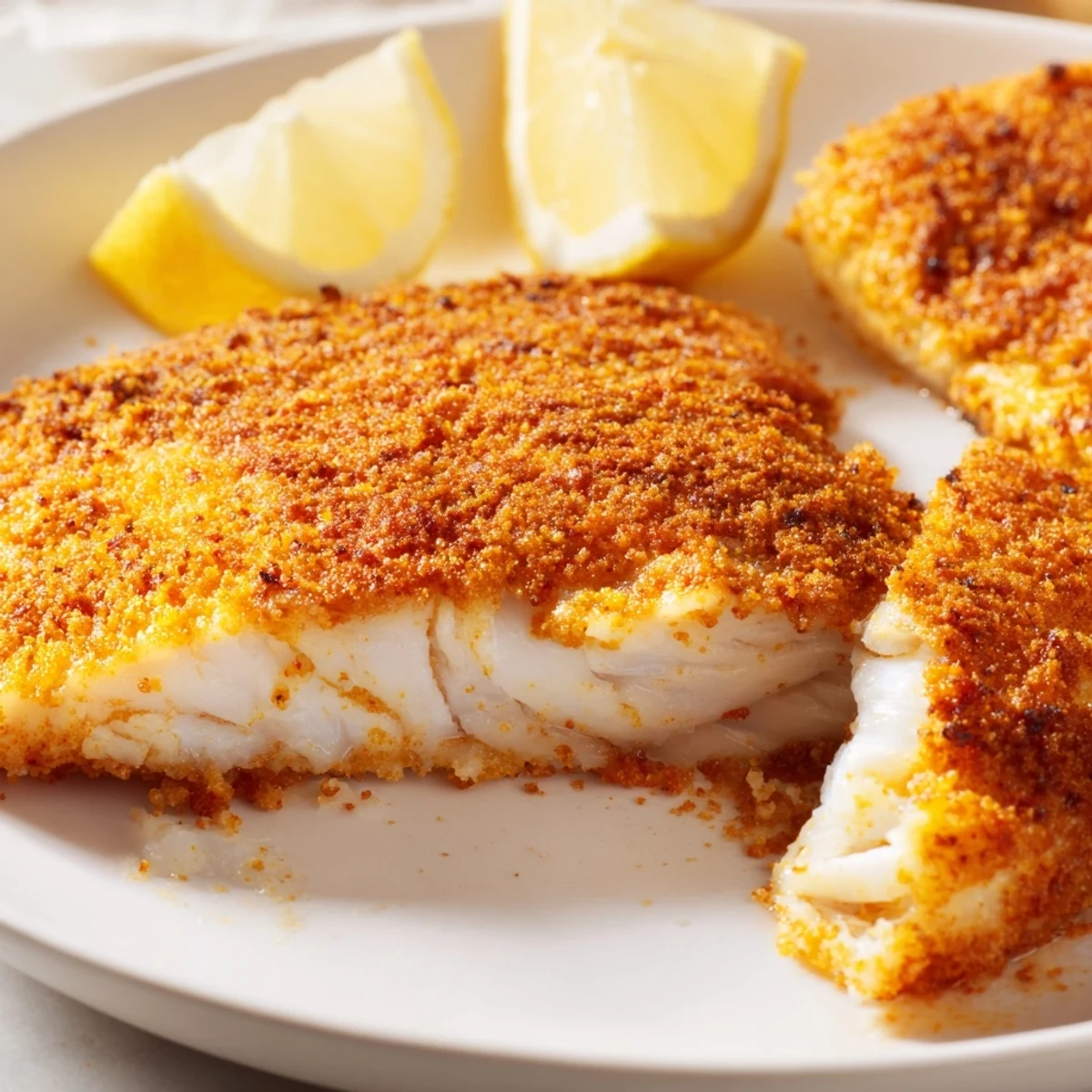
 This pan-fried tilapia delivers perfectly golden, crispy fillets in just 20 minutes from start to finish. The mild fish is coated in a flavorful blend of paprika, garlic powder, and onion powder, then seared in olive oil or butter until the outside is deliciously crisp while the inside stays tender and flaky.
With only 210 calories and 32g of protein per serving, it's an excellent choice for a healthy weeknight meal. The optional cornmeal coating adds extra crunch, and a squeeze of fresh lemon brightens every bite. Serve alongside steamed vegetables, a crisp salad, or fluffy rice for a complete dinner.
The sizzle of fish hitting a hot skillet is one of those sounds that instantly makes a kitchen feel alive, and tilapia is the fish that taught me that lesson on a random Tuesday when the fridge was nearly empty and dinner needed to happen fast.
I made this for my neighbor once when she stopped by unexpectedly around dinnertime, and she stood in my kitchen eating it straight off the spatula before I could even plate it properly.
Ingredients
- 4 tilapia fillets about 150g each: Pat them completely dry with paper towels because moisture is the enemy of a good sear and wet fish steams instead of crisping.
- 1 tsp salt: Seasoning the fish generously on both sides is what separates bland fish from something you actually crave.
- 1/2 tsp freshly ground black pepper: Freshly cracked makes a real difference here since the flavor lands right on the surface of the fish.
- 1/2 tsp paprika: This adds a subtle warmth and helps the fillets develop that appetizing golden color in the pan.
- 1/4 tsp garlic powder and 1/4 tsp onion powder: Together they create a savory backbone without burning like fresh garlic would in a hot skillet.
- 1/4 cup cornmeal or gluten free flour: This optional coating gives you an extra crunchy exterior that holds up beautifully.
- 2 tbsp olive oil or unsalted butter: Butter gives richness but olive oil handles higher heat better so choose based on your mood.
- 1 lemon cut into wedges: A squeeze of bright acid at the end pulls every flavor together and makes the dish sing.
Instructions
- Mix Your Seasoning:
- Stir the salt, pepper, paprika, garlic powder, and onion powder together in a small bowl until evenly blended, taking a moment to notice how warm and earthy the paprika smells.
- Season the Fillets:
- Sprinkle both sides of each tilapia fillet evenly with the spice mix, pressing gently so it adheres, and let them sit for a minute while the pan heats up.
- Add the Optional Coating:
- If you want extra crunch, lightly dredge each seasoned fillet in cornmeal or gluten free flour, then shake off the excess so you get a thin even layer.
- Heat the Pan:
- Warm the olive oil or butter in a large nonstick skillet over medium high heat until the fat shimmers and you can feel the heat radiating when you hold your hand above the surface.
- Sear the First Side:
- Lay the fillets in carefully without crowding the pan and let them cook undisturbed for three to four minutes until the edges turn golden and the fish releases naturally from the skillet.
- Flip and Finish:
- Flip gently with a fish spatula and cook another two to three minutes until the flesh is completely opaque and flakes easily when you press it with a fork.
- Serve Immediately:
- Transfer the fillets to plates right away and hand everyone a lemon wedge because this fish waits for no one.
 Save to Pinterest
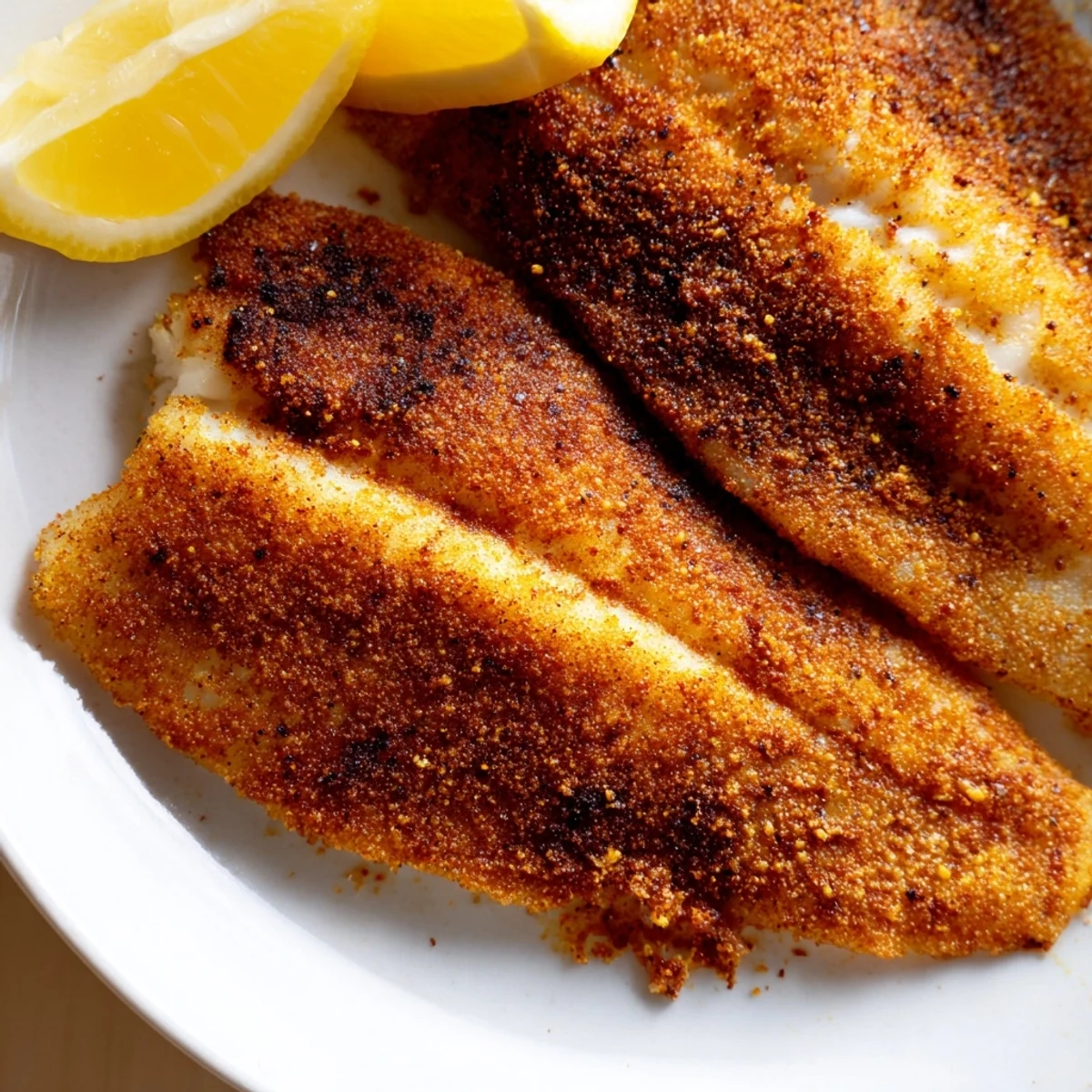
 There is something deeply satisfying about a piece of fish that crackles when you cut into it, especially on a weeknight when you expected nothing more exciting than scrambled eggs.
What to Serve Alongside
Steamed broccoli or a simple green salad with vinaigrette keeps things light and lets the fish stay the star, while a scoop of rice soaks up any extra seasoned butter from the plate.
Choosing Your Fish
Tilapia is mild and affordable which makes it perfect here, but cod, catfish, or sole all work beautifully with this same seasoning and method so use whatever looks freshest at the counter.
A Glass Alongside
A chilled Sauvignon Blanc or a dry Riesling pairs wonderfully with the golden crust and lemon squeeze.
- Chill your wine while you cook so it is ready the moment the fish comes off the stove.
- Keep a fish spatula handy because its thin blade slides under delicate fillets without tearing them.
- Always double check ingredient labels for allergens if you are cooking for someone with dietary restrictions.
 Save to Pinterest
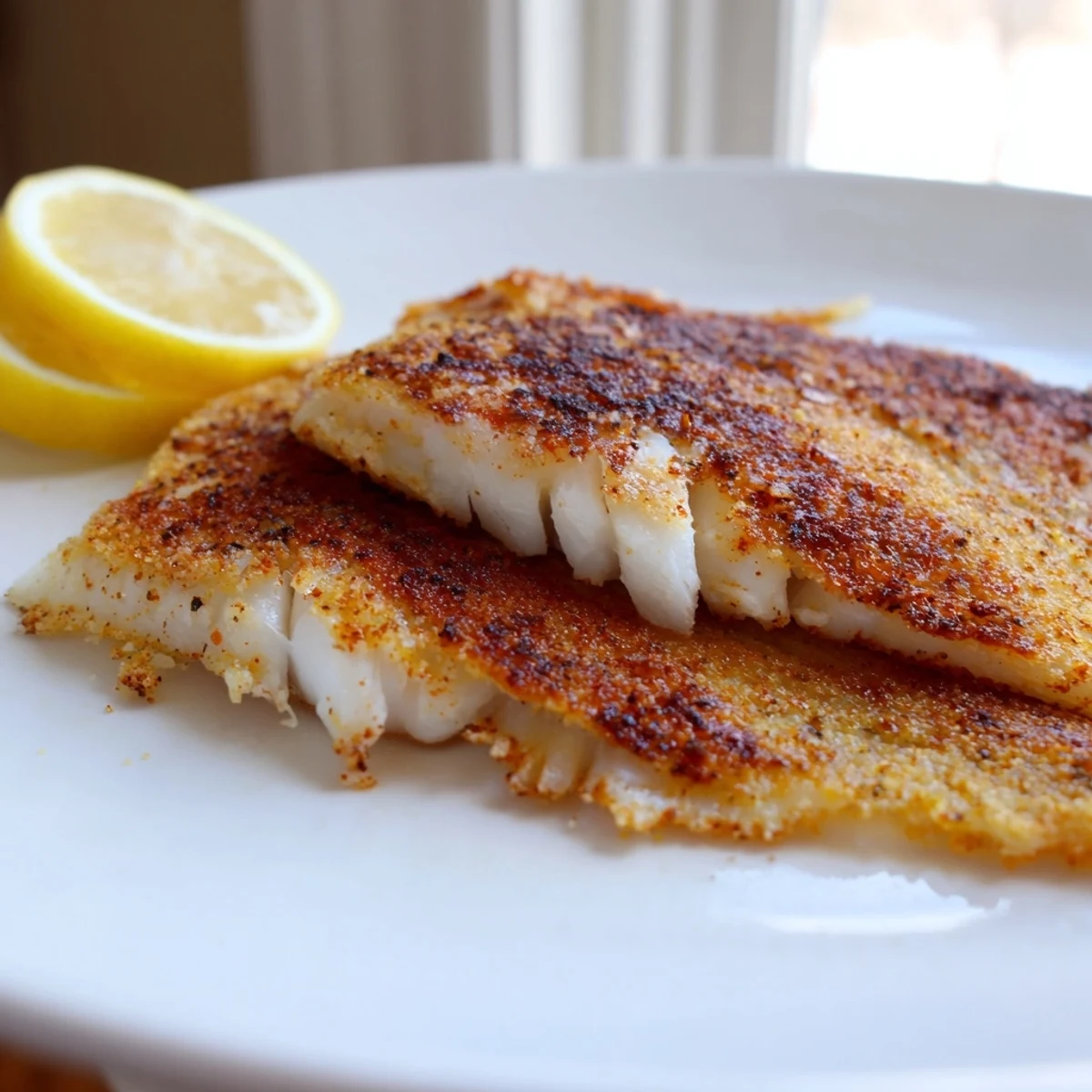
 This is the kind of humble recipe that reminds you great cooking does not require complexity, just good timing and a hot pan.
Recipe Questions & Answers
- → How do I know when pan-fried tilapia is fully cooked?
-
Tilapia is done when the flesh turns completely opaque and flakes easily with a fork. Typically, this takes 3–4 minutes on the first side and 2–3 minutes on the second side over medium-high heat. The internal temperature should reach 145°F (63°C).
- → Should I use cornmeal or flour for coating tilapia?
-
Both work well, but cornmeal gives a crunchier texture while flour creates a lighter coating. For a gluten-free option, use gluten-free flour or omit the coating entirely — the seasoning alone still produces a delicious golden crust.
- → Why is my tilapia sticking to the pan?
-
Fish typically sticks when the pan isn't hot enough or the fish hasn't been patted dry. Make sure your skillet is fully preheated over medium-high heat before adding oil, and always pat the fillets dry with paper towels. A nonstick skillet and fish spatula also help prevent sticking.
- → What can I substitute for tilapia?
-
Cod, catfish, sole, and flounder all work beautifully with this same cooking method and seasoning blend. Adjust cooking time slightly depending on the thickness of the fillets — thicker cuts like cod may need an extra minute per side.
- → What sides go well with pan-fried tilapia?
-
Steamed vegetables like broccoli or asparagus complement the fish perfectly. A fresh green salad, roasted potatoes, rice pilaf, or quinoa also pair wonderfully. For a low-carb option, try cauliflower rice or zucchini noodles.
- → Can I make pan-fried tilapia ahead of time?
-
Tilapia is best served immediately after cooking for optimal crispiness. However, you can prep the seasoning mix and pat the fillets dry in advance. If you have leftovers, store them in the refrigerator for up to 2 days and reheat gently in a skillet to restore some crispness.