
 Save to Pinterest
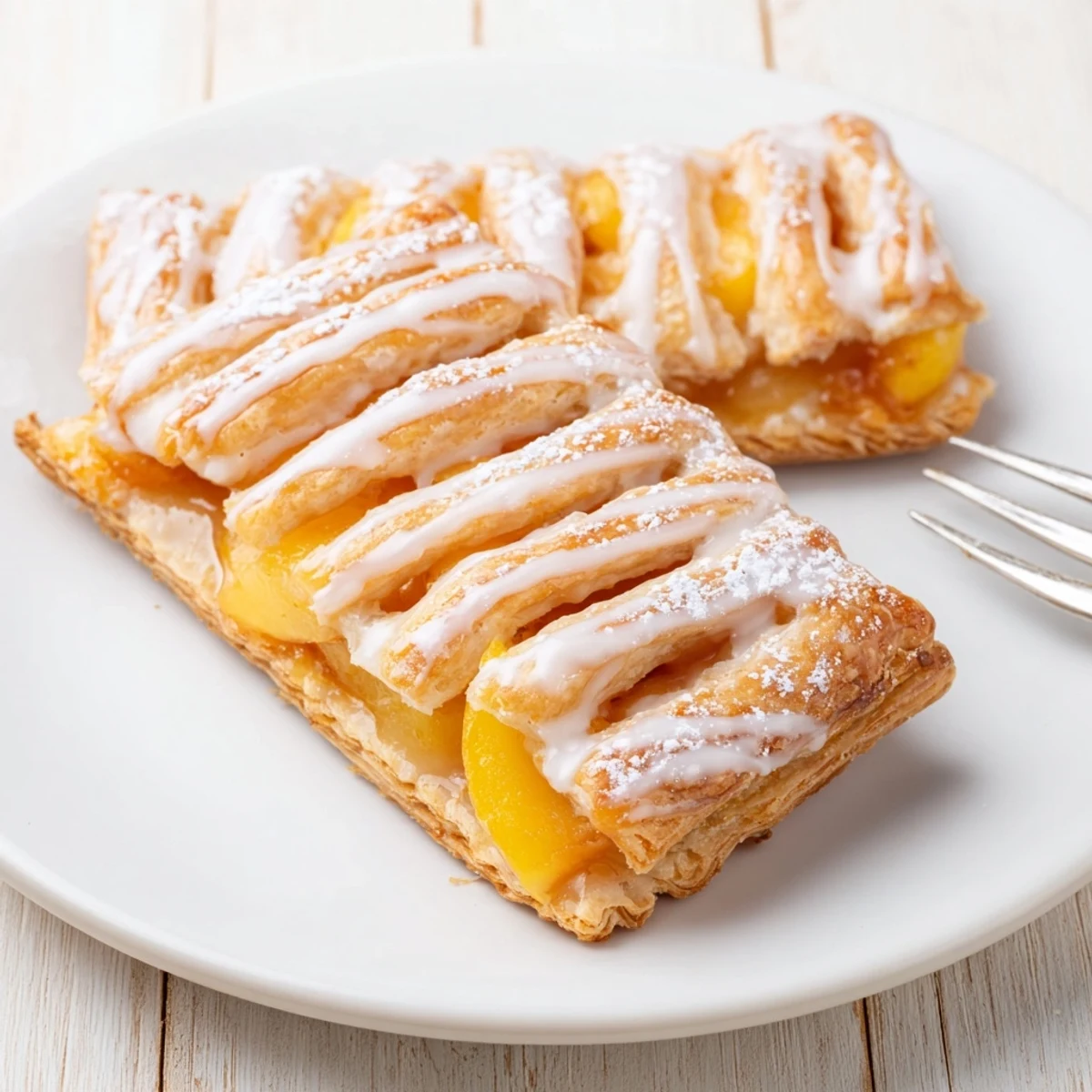
 Make a tender, flaky dough by cutting cold butter into flour, bring it together with ice water and chill. Simmer diced peaches with sugar, lemon and cornstarch until thickened, then cool. Roll dough thin, cut rectangles, spoon filling, seal and crimp. Brush with egg wash and bake until golden. Once cooled, drizzle a smooth powdered-sugar and vanilla glaze with a touch of peach for brightness. Store airtight or freeze for longer keeping.
My toaster oven had been sitting unused for months until a rainy Saturday pushed me toward the kind of kitchen project I usually scroll past. I had a bowl of peaches threatening to go soft and a stubborn belief that anything store bought could be improved with enough butter. Three hours later, flour dusted across my counter and my apartment smelling like a bakery, I was proven completely right.
I brought a plate of these to my neighbor Elena after she helped me carry groceries up four flights of stairs. She stood in the hallway eating one still warm from the oven, glaze dripping onto her wrist, and told me in no uncertain terms I was never allowed to buy the packaged kind again.
Ingredients
- All purpose flour: The backbone of a tender crust, and you want the standard stuff here, not bread flour, which will fight you with too much protein.
- Cold unsalted butter: Keep it refrigerator cold right up until you cut it in, because those solid bits of fat are what create the gorgeous flaky layers.
- Ice water: Add it gradually and stop the moment the dough holds together, since overworking leads to tough pastry.
- Fresh or canned peaches: Fresh peaches in season are extraordinary, but canned work surprisingly well if you drain them thoroughly and pat them dry.
- Cornstarch: This small addition transforms juicy peach pieces into a thick, spoonable filling that will not flood your pastry.
- Lemon juice: Brightens the peach flavor and keeps the filling from tasting flat or overly sweet.
- Ground cinnamon: Just a quarter teaspoon adds warmth without overpowering the fruit.
- Egg wash: Brushed on top for that deep golden color that makes everyone reach for one before they have even cooled.
- Powdered sugar, milk, and vanilla: Whisked together into a simple glaze that makes these look as good as they taste.
- Peach jam or puree: Optional but a clever trick to intensify the peach flavor in the glaze without extra effort.
Instructions
- Build the pastry dough:
- Whisk the flour, sugar, and salt together in a large bowl, then cut in the cold butter cubes until everything looks like coarse crumbs with some pea sized pieces remaining. Add ice water one tablespoon at a time, tossing gently with your hands, and stop as soon as the dough comes together when you squeeze it.
- Chill and rest:
- Divide the dough in half, press each portion into a flat disc, wrap tightly in plastic, and let it rest in the refrigerator for at least 30 minutes so the gluten relaxes and the butter firms back up.
- Simmer the peach filling:
- Toss the diced peaches, sugar, lemon juice, and cinnamon into a small saucepan and bring it to a gentle bubble over medium heat, stirring often so nothing sticks. Stir the cornstarch slurry into the hot peaches and watch it thicken into a glossy jam in just two or three minutes, then pull it off the heat and let it cool completely.
- Roll and cut:
- Preheat your oven to 375 degrees Fahrenheit and line a baking sheet with parchment paper. Roll each chilled dough disc on a well floured surface until it is an eighth of an inch thick, then cut out sixteen rectangles roughly three by four inches.
- Fill and seal:
- Lay eight rectangles on your prepared sheet and spoon a generous tablespoon of cooled filling onto each one, keeping the edges clear. Brush those bare borders with egg wash, lay the remaining rectangles on top, and press firmly with a fork to crimp them shut.
- Finish and bake:
- Brush the tops with more egg wash and poke a couple of small steam holes with your fork. Slide them into the oven for 18 to 22 minutes, until the tops are deeply golden and the edges have puffed slightly, then transfer to a wire rack to cool.
- Glaze and serve:
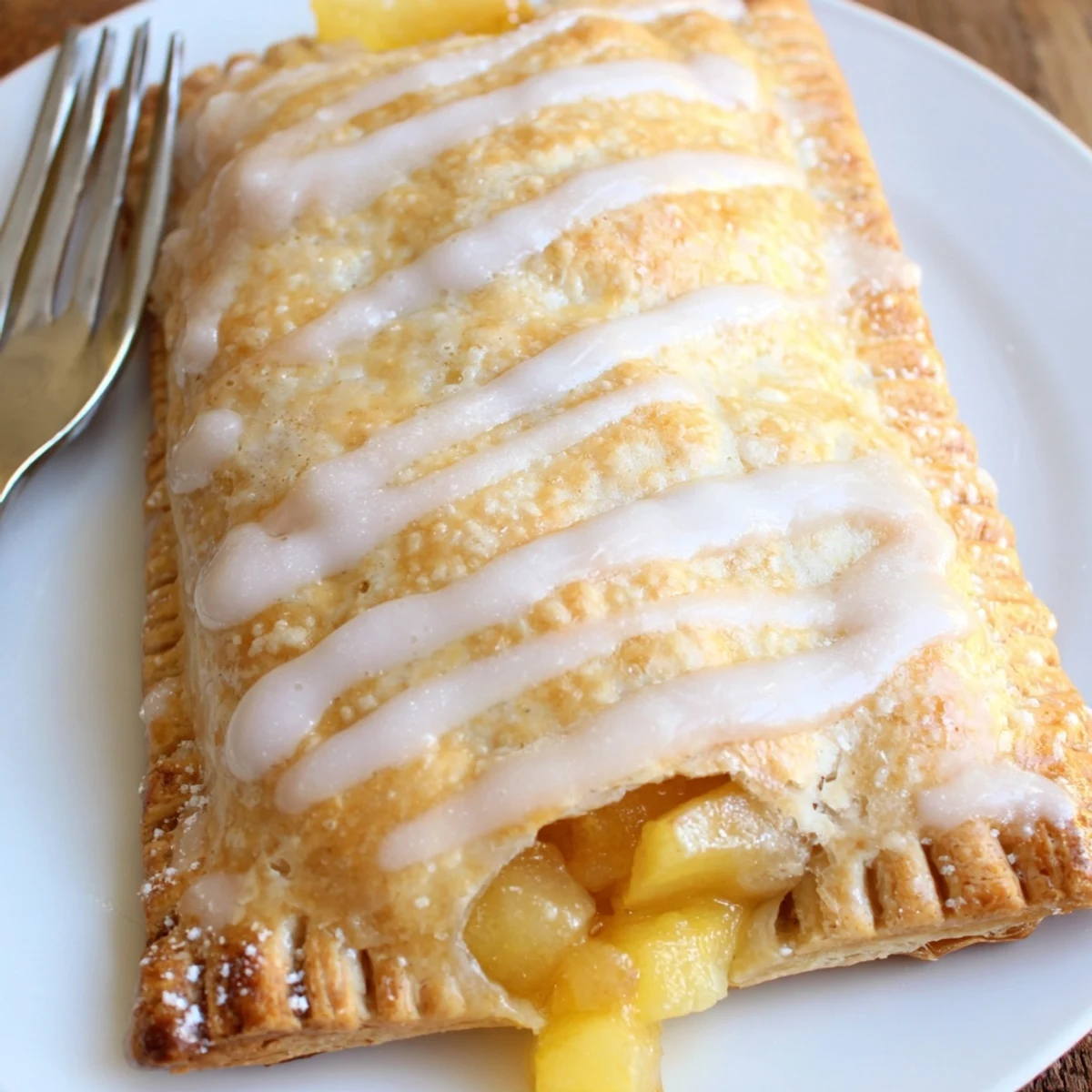
- Whisk the powdered sugar, milk, vanilla, and peach jam if you are using it until you have a smooth, pourable glaze. Drizzle it generously over the cooled pastries and give it time to set before you start eating.
 Save to Pinterest
 The moment I watched my friends childhood memory collide with something I had made from scratch, still warm and draped with glaze, I understood why homemade pastries are worth every minute of effort.
A Few Things I Learned the Hard Way
My first batch leaked peach juice all over the baking sheet because I got greedy with the filling. Less is genuinely more here, and a level tablespoon per tart gives you a generous center without risking a blowout. I also learned that crimping the edges twice with the fork, once pressing down and once pressing inward, creates a seal that actually holds through baking.
Storing and Freezing
These keep well at room temperature in an airtight container for about three days, though the glaze softens after day one. To freeze, arrange them in a single layer on a baking sheet until solid, then stack with parchment between layers in a freezer bag. Reheat straight from frozen in a 350 degree oven for about ten minutes and they taste almost as good as the day you made them.
Variations Worth Trying
Once you have the basic method down, this recipe becomes a canvas for whatever fruit is looking good at the market. A pinch of nutmeg in the filling adds a cozy warmth that pairs beautifully with peach, and mixing in a handful of raspberries or sliced strawberries creates a jammy, complex filling that tastes like summer in pastry form.
- Swap half the peaches for blueberries and add a grating of lemon zest to the filling for a bright, slightly tart twist.
- Try browning the butter before cutting it into the flour for a nuttier, deeper flavored crust that changes the whole character.
- Always taste your peaches before measuring the sugar, since peak season fruit needs far less sweetening than canned or out of season varieties.
 Save to Pinterest
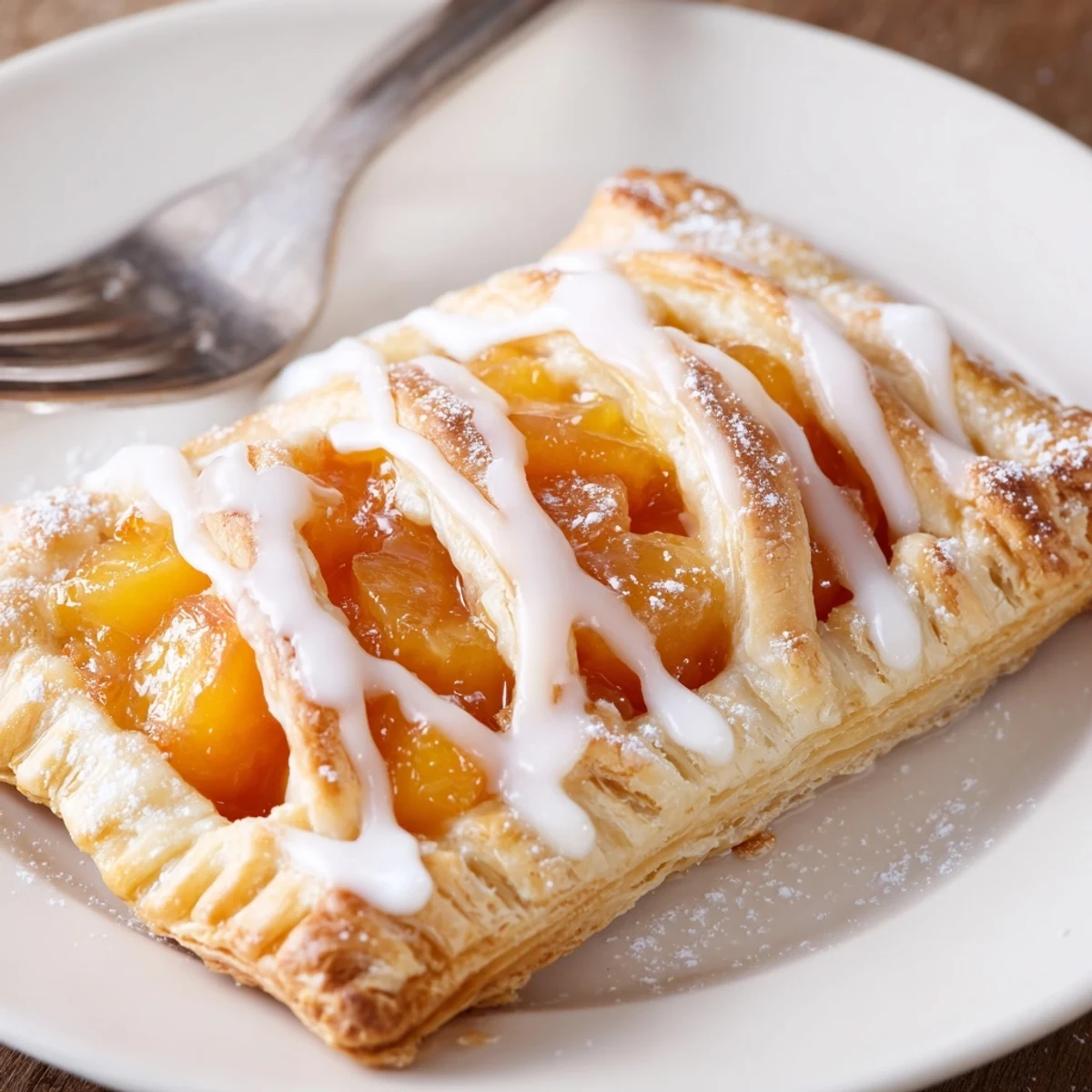
 There is something deeply satisfying about pulling a tray of golden, handmade pastries from the oven and knowing you built every layer yourself. Share them with someone who will appreciate the effort, or quietly eat two over the sink, because both are perfectly valid.
Recipe Questions & Answers
- → Can I use canned peaches instead of fresh?
-
Yes. Drain canned peaches well and pat dry before dicing. Reduce added sugar slightly if the peaches are packed in syrup, and simmer to thicken so the filling isn’t too wet.
- → How do I prevent a soggy bottom?
-
Cook the filling until thick and cool it completely before assembling. Brush the base pastry lightly with egg wash or a thin sugar glaze before adding filling to create a slight barrier.
- → What makes the crust flaky?
-
Cold, cubed butter and minimal handling are key. Keep ingredients cold, cut the butter into coarse crumbs, add ice water sparingly, and chill the dough before rolling.
- → How should I seal the edges to avoid leaks?
-
Leave a generous border around the filling, brush the edges with beaten egg, then press firmly and crimp with a fork to create a tight seal. Vent the tops so steam can escape.
- → Can these be frozen, and how do I reheat them?
-
Freeze baked and cooled pastries in an airtight container for up to a month. Reheat from frozen in a 350°F (175°C) oven for 8–12 minutes until warmed through and crisp.
- → How can I vary the filling for different flavors?
-
Swap half the peaches for berries, add a pinch of nutmeg or ginger, or fold in a spoonful of jam or puree for concentrated fruit flavor before thickening.