
 Save to Pinterest
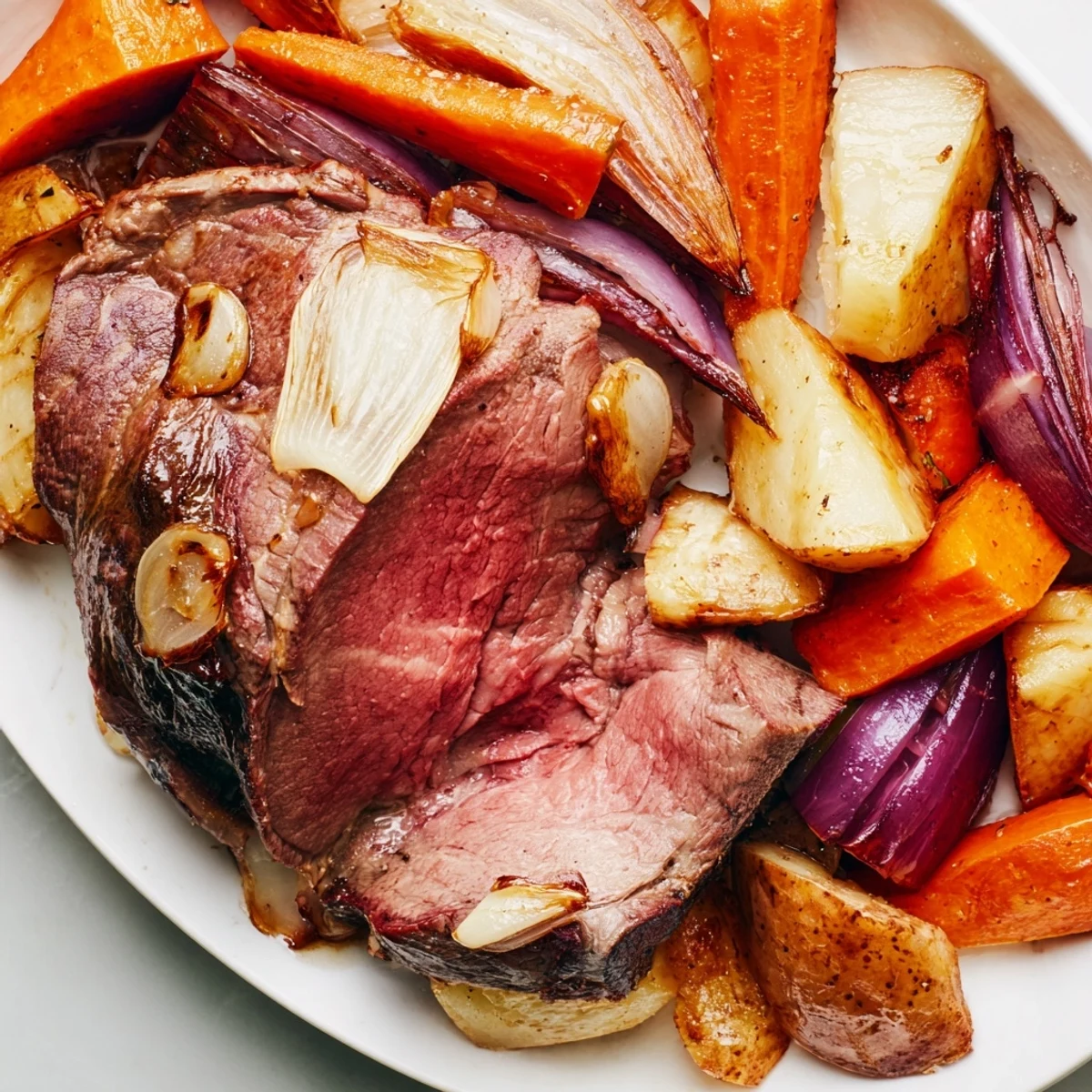
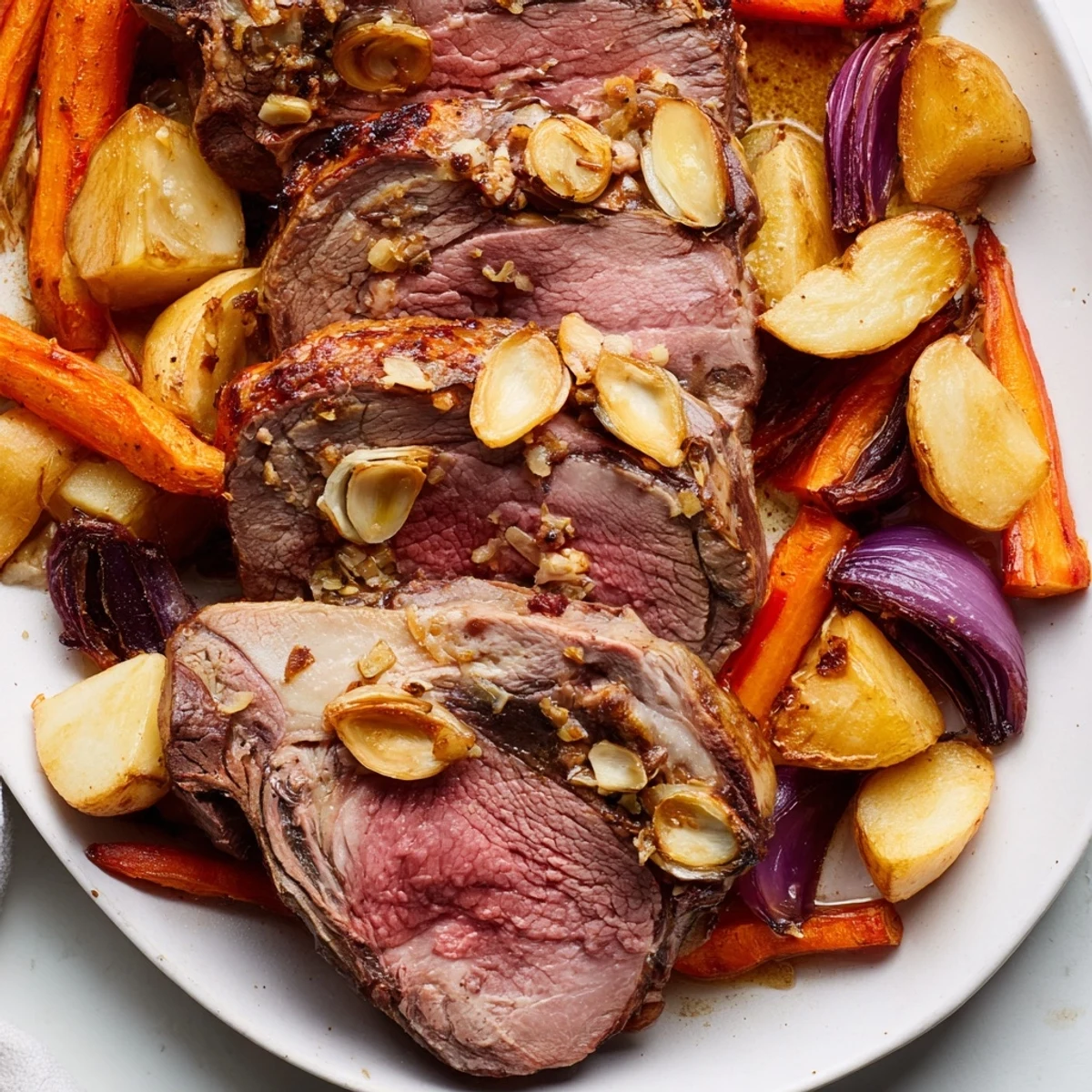
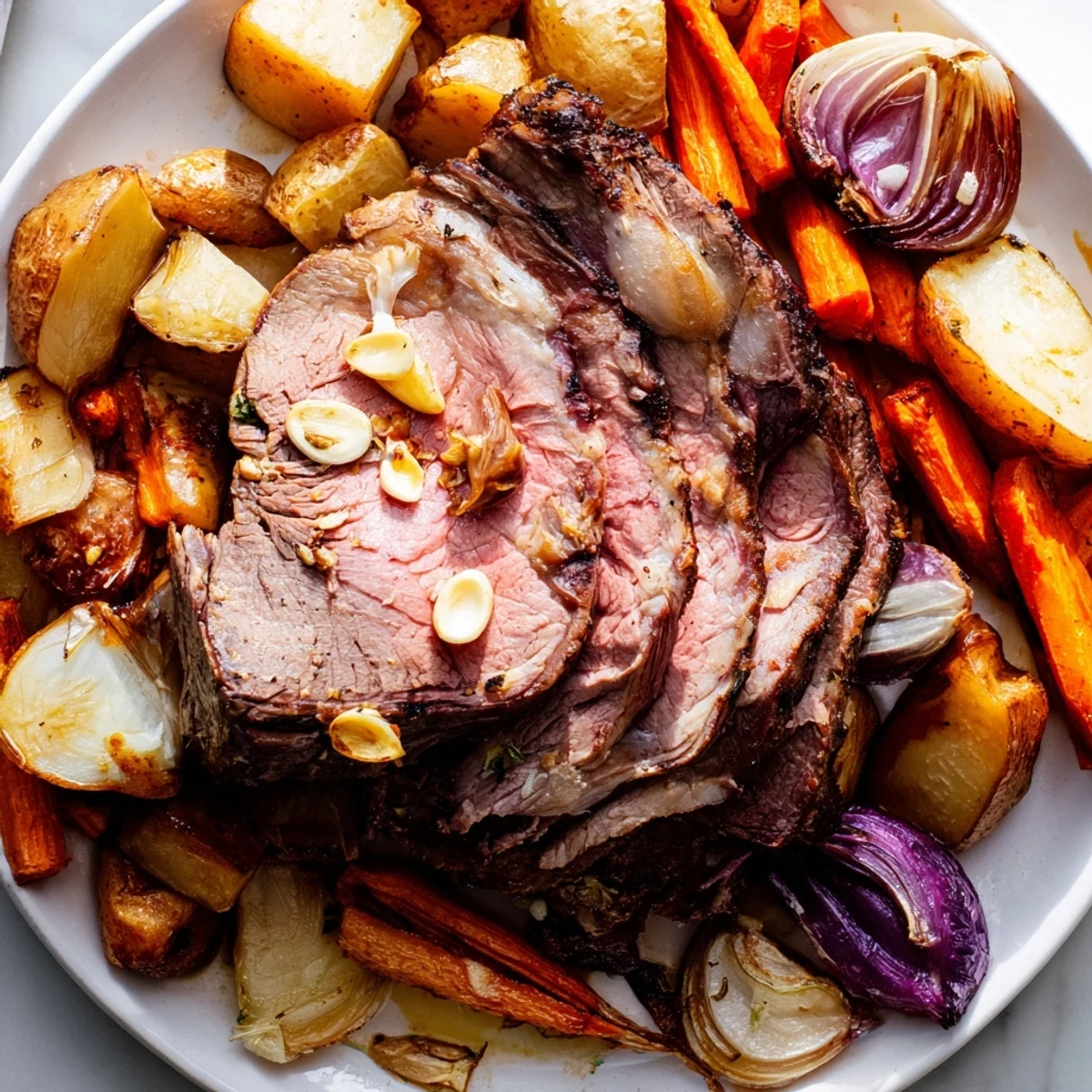
 This dish features a succulent bone-in leg of lamb, infused with garlic, rosemary, and thyme, slow-roasted to tender perfection. Root vegetables such as carrots, parsnips, turnips, potatoes, and onions are tossed in olive oil, salt, and pepper, then roasted alongside the meat to develop rich caramelized flavors. The lamb rests to retain its juiciness while the vegetables receive extra time in the oven for enhanced texture and sweetness. This hearty meal is ideal for family gatherings or special occasions and pairs beautifully with a full-bodied red wine.
The first time I made this roast, my tiny apartment filled with such incredible aromas that neighbors actually knocked on my door to ask what was cooking. I had invited my new in-laws over for dinner, and honestly, I was nervous about pulling off something so seemingly fancy. But there is something deeply comforting about the rhythm of preparing a leg of lamb, the way the garlic and herbs work their way into every crevice.
My grandmother taught me that patience is the secret ingredient in any good roast, and she was absolutely right. We served this at our first Christmas in our new home, watching snow fall outside while the oven did all the heavy lifting. Everyone gathered around the carving board, forks ready, while the lamb rested under its foil tent.
Ingredients
- 1.8 kg bone-in leg of lamb: The bone adds incredible depth to the pan juices and helps the meat cook evenly
- 4 cloves garlic: Fresh slices tucked into small incisions infuse the meat from within
- 2 tbsp fresh rosemary and thyme: Use fresh herbs only, dried ones lose their magic in long roasting
- 2 tbsp olive oil: Creates that beautiful golden crust and helps herbs cling to the meat
- 1 tbsp coarse sea salt: Kos salt or flaky salt gives you better seasoning coverage
- 1 tsp black pepper: Freshly cracked makes a noticeable difference
- 4 large carrots: They become candy sweet and absorb all those roasting juices
- 3 parsnips and 2 turnips: These earthy vegetables are classic partners for lamb
- 4 small potatoes: They soak up flavor and become crispy where they touch the pan
- 2 red onions: Wedges caramelize beautifully and add sweetness
- 250 ml broth: Creates steam and becomes the base for incredible pan juices
Instructions
- Prep your oven and lamb:
- Heat oven to 200°C (400°F) and pat the lamb completely dry with paper towels for better browning.
- Insert garlic pockets:
- Use a sharp knife to cut small slits all over the lamb and push garlic slices deep inside.
- Season generously:
- Rub olive oil over the entire surface, then press herbs, salt, and pepper into every nook and cranny.
- Prep the vegetables:
- Toss all root vegetables with olive oil, salt, and pepper until evenly coated.
- Arrange for roasting:
- Place lamb in a large roasting pan and scatter vegetables around it, not under it.
- Add the broth:
- Pour broth into the bottom of the pan, avoiding direct contact with the seasoned meat.
- First roasting phase:
- Roast for 1 hour, basting occasionally with pan juices to keep everything moist.
- Check and stir:
- After 1 hour, give vegetables a stir for even browning and check how things are progressing.
- Finish roasting:
- Continue for 30 minutes until lamb reaches 60°C (140°F) for medium-rare perfection.
- Rest the meat:
- Tent loosely with foil and let rest 15 minutes so juices redistribute throughout the meat.
- Optional vegetable boost:
- Crank heat to 220°C (430°F) and return vegetables for 10 minutes for extra caramelization.
- Carve and serve:
- Slice against the grain and serve with those roasted vegetables and a drizzle of pan juices.
 Save to Pinterest
 This recipe has become our Sunday tradition, the kind of meal that makes ordinary weekends feel like celebrations. There is something profoundly satisfying about serving a roast that looks impressive but requires mostly hands-off cooking time.
Choosing the Right Cut
I have learned that bone-in leg of lamb offers superior flavor and moisture, though it requires a bit more carving skill. Ask your butcher to trim excess fat while leaving enough for browning and juiciness. A semi-boneless option gives you easier carving without sacrificing too much flavor.
Timing Your Roast
Starting with room-temperature meat helps it cook more evenly, so take the lamb out about 30 minutes before seasoning. The vegetables can be prepped ahead and kept in cold water, but pat them dry before tossing with oil. This simple step prevents steaming and encourages proper roasting.
Building on the Basics
Once you have mastered the classic version, try adding anchovies to the garlic slits for umami depth without any fishy taste. A mustard and herb crust creates a beautiful exterior, while pomegranate molasses brushed on during the last 20 minutes adds gorgeous color and tangy sweetness.
- Rutabaga or sweet potatoes work beautifully as seasonal substitutions
- Fresh mint sauce on the side cuts through the rich meat perfectly
- Cabernet Sauvignon or Syrah pairs wonderfully with the robust flavors
 Save to Pinterest
 The best part about this recipe is how it brings people together around the table, sharing conversation while the roast finishes its journey in the oven.
Recipe Questions & Answers
- → What is the best cut of lamb for this dish?
-
A bone-in leg of lamb is preferred as it offers tenderness and flavor ideal for roasting with root vegetables.
- → Can I substitute different vegetables?
-
Yes, rutabagas or sweet potatoes can replace or complement the listed root vegetables for varied flavors.
- → How do I ensure the lamb stays juicy?
-
Make small garlic incisions in the lamb, rub with oil and herbs, and let it rest covered after roasting to preserve juices.
- → What temperature should the lamb reach when cooked?
-
For medium-rare, the internal temperature should be about 60°C (140°F) as measured by a meat thermometer.
- → Should broth be poured over the lamb or vegetables?
-
Pour the broth into the bottom of the pan, not over the lamb, to keep the meat’s seasoning intact while providing moisture.
- → How can I get the vegetables caramelized?
-
After the lamb rests, return the vegetables to a hotter oven for 10 minutes to enhance caramelization and flavor.