
 Save to Pinterest
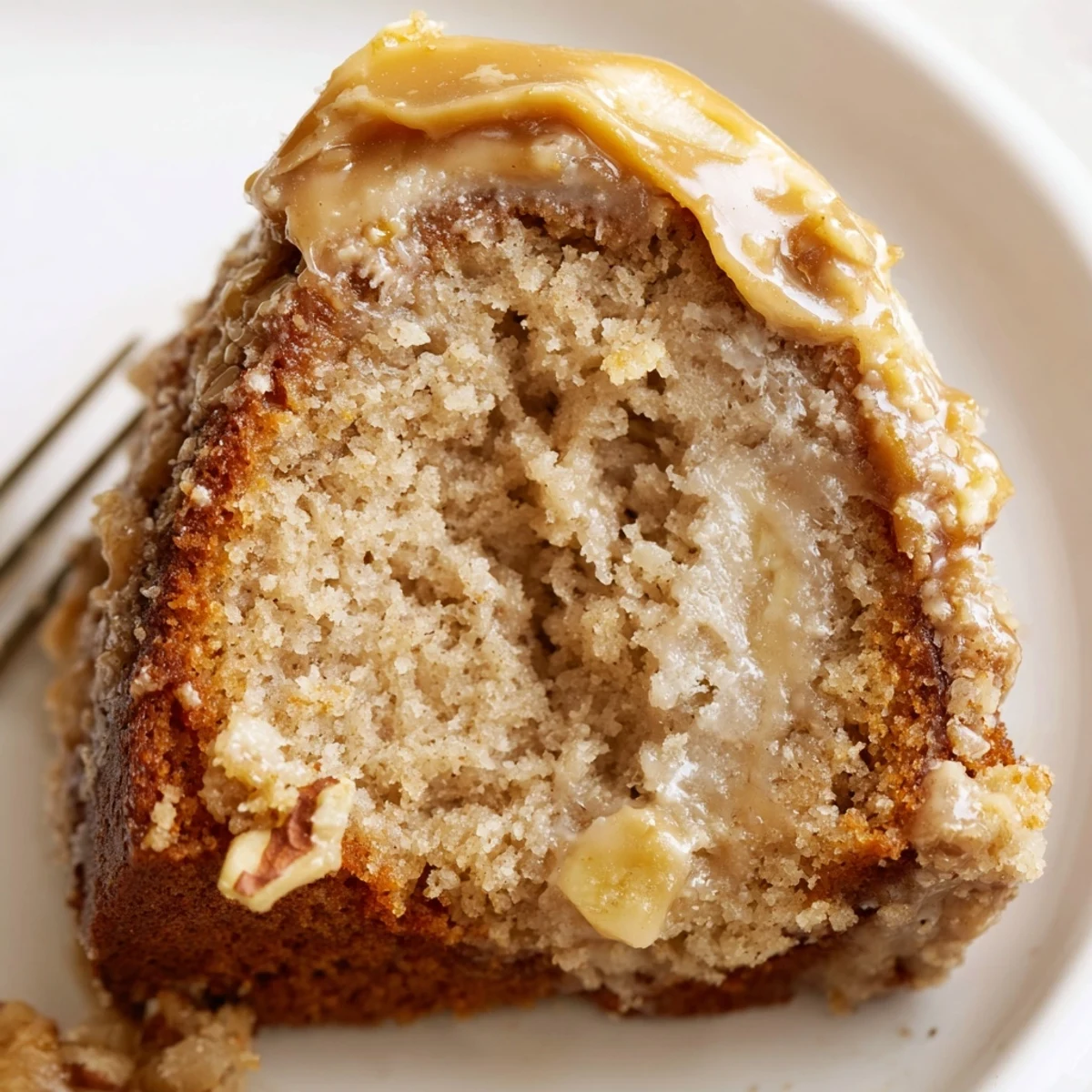
 This moist banana cake is enriched with nutty brown butter and a touch of sour cream for a tender crumb. Ripe mashed bananas and vanilla fold into browned butter-sweetened batter, baked in a 9-inch pan for 40–45 minutes. A stovetop salted caramel is cooked to amber, finished with cream and flaky sea salt, then drizzled or whipped into frosting. Cool completely before glazing; serves 10–12 and keeps 3 days at room temperature.
The first time browned butter sent its rich, nutty aroma curling through my kitchen, I stopped what I was doing and just breathed it in for a few seconds. Layer that with caramel bubbling away—sputtering softly, coaxing you closer with its sweet perfume—and you’ve got the beginning of something truly special. This Salted Caramel Brown Butter Banana Cake was born from a whim on a rainy afternoon, not out of nostalgia, but sheer curiosity about blending bold flavors. Balancing sweet and salty in each bite, this cake is my way of celebrating kitchen improvisation done right.
One particularly hilarious attempt had me nearly flinging caramel across the kitchen as it bubbled more furiously than expected—my best friend cackled from across the counter, scraping up the sugary trails I left behind. That mess aside, we ended up with a cake so good we ate it standing up, forks in hand, laughing while the storm rolled on outside. To this day, we joke that sticky countertops are an essential ingredient. There’s just something about sharing this dessert, with its gooey caramel and toasty edges, that’s meant for company.
Ingredients
- Unsalted butter: Browning the butter transforms its flavor—be patient and watch for golden flecks, but don’t let it burn or you’ll lose that deep aroma.
- All-purpose flour: I always sift mine for the fluffiest possible crumb, though it’s not make-or-break if you’re in a hurry.
- Baking soda & baking powder: The soda reacts with banana's acidity to help it rise just right; baking powder gives insurance for a tender crumb.
- Salt: Go for a fine sea salt in the cake itself and flaky sea salt for finishing—the distinction makes each bite pop.
- Granulated & light brown sugar: Combining these lets the banana flavor shine while giving hints of toffee richness.
- Eggs: Room temperature eggs help your batter come together without clumps (and make mixing by hand so much easier).
- Ripe bananas: Bananas with plenty of dark speckles create the moistest texture; sometimes I microwave underripe ones in a pinch.
- Pure vanilla extract: Use the good kind—synthetic stuff just doesn’t give the cake its heady, comforting fragrance.
- Sour cream: A little tang softens the sweetness and keeps things unbelievably moist, especially if making this ahead.
- Heavy cream (for caramel): Pour it in slowly—trust me, it bubbles up fast and dramatic, but that’s part of the magic.
- Powdered sugar (for frosting): Sifting saves you from pesky lumps, which is especially important if you’re trying to impress someone.
- Flaky sea salt: Don’t skip this step—sprinkling a bit on top at the end transforms the entire experience.
Instructions
- Prepare your pan and oven:
- Set your oven to 350°F (175°C) and line a 9-inch round pan with parchment so the cake comes out in one beautiful piece.
- Brown the butter:
- Melt the butter over medium heat, swirling the pan until you catch a whiff of toasted hazelnut and see amber flecks; let it cool just enough so it doesn’t cook the eggs in the batter.
- Mix dry ingredients:
- In one bowl, quickly whisk together flour, baking soda, baking powder, and salt—this prevents any one bit from tasting too salty or soapy later on.
- Build your batter:
- Combine the cooled brown butter with both sugars, adding the eggs one at a time, then mashed banana and vanilla; it’ll look almost glossy at this stage.
- Add dry to wet:
- Gently fold in your flour mixture, just until streaks disappear; aim for a few visible lumps rather than an overmixed, chewy cake.
- Incorporate sour cream:
- Swipe in the sour cream for extra moisture, and stir only until combined—it should feel effortlessly smooth on your spoon.
- Bake the cake:
- Pour the batter into your prepared pan, smoothing the top, and bake 40–45 minutes; it’s ready when a toothpick comes out slightly moist but with no sticky batter.
- Make the salted caramel:
- In a dry saucepan, cook the sugar until melted and amber, then whisk in butter (watch for sizzles) and slowly dribble in cream and sea salt; let it cool to a luscious, pourable consistency.
- Optional caramel frosting:
- Whip the butter until fluffy, add powdered sugar gradually, then blend in caramel sauce and milk for a cloud-like topping.
- Assemble and finish:
- Once completely cooled, either frost the cake generously or simply drizzle with caramel and finish with sea salt flakes for shimmer and crunch.
 Save to Pinterest
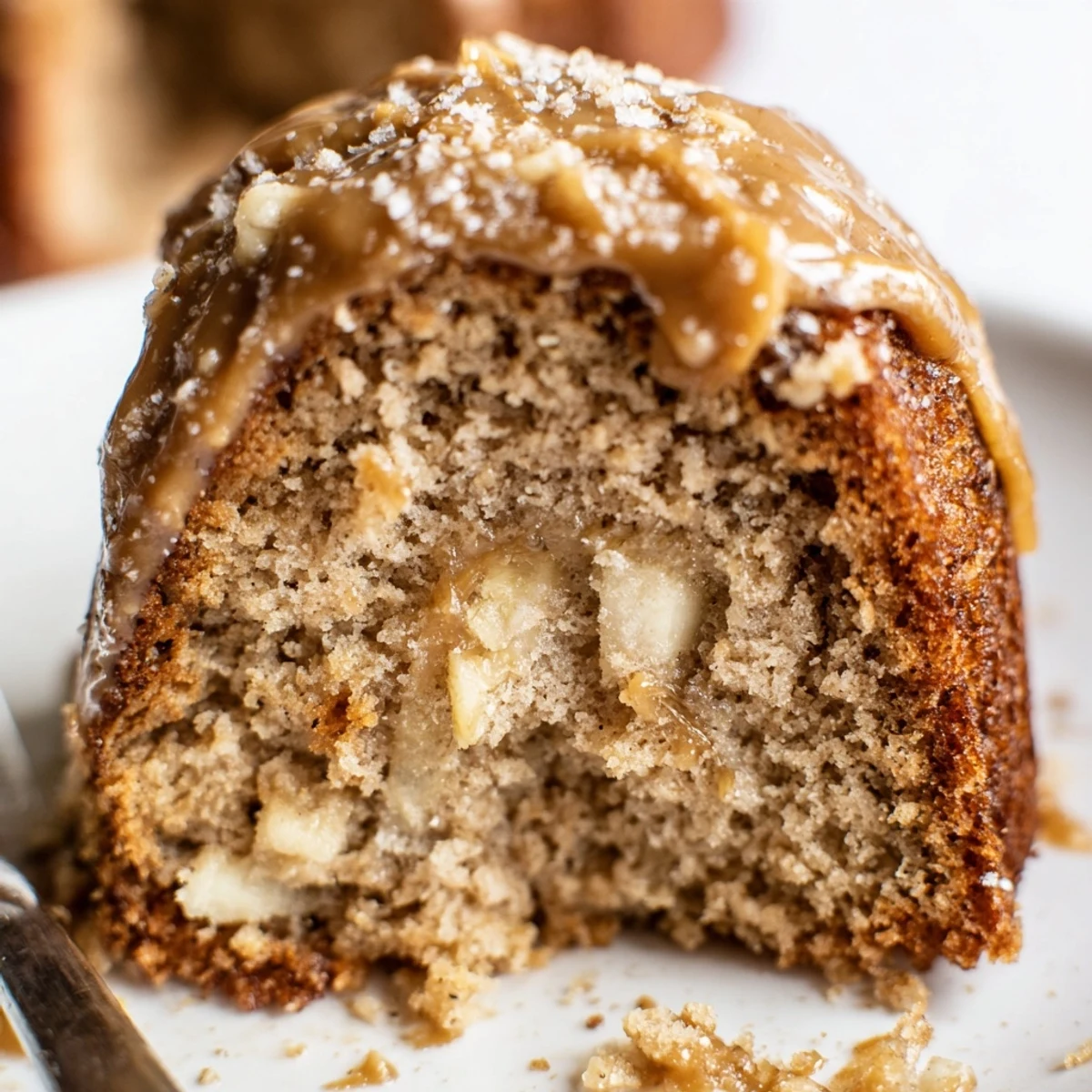
 The moment this cake became my celebratory standby was during a friend’s low-key birthday, when candles flickered and caramel dripped theatrically down the sides. We sat in a dim-lit room, forks clinking, every bite met with wide eyes and grins that said: okay, this is officially a tradition.
How to Salvage a Sticky Situation
If your caramel seizes (sadly, it happens!), don’t toss it—just stir in a splash of warm cream and keep whisking over low heat until it melts smooth again. Sometimes a cake edge browns too fast; a quick shield of foil does wonders. Things rarely go perfectly in my kitchen, but the best fixes always taste just as sweet.
Serving and Storing Suggestions
This cake is glorious warm or at room temperature—try serving with strong coffee or a scoop of vanilla bean ice cream for true decadence. Leftovers shine for up to three days in an airtight container. If you want layers, double the recipe and stack, slathering with caramel between each.
Make It Your Own—Easy Variations
I’ve swapped in toasted pecans, walnuts, even a sprinkle of chocolate chips atop the caramel, and each tweak wins raves in its own way. The recipe takes kindly to a loaf or bundt pan, with a slight adjustment to baking time or pan greasing. Every now and then, I sneak in a dash of cinnamon or espresso powder for an unexpected twist.
- If you run short on bananas, applesauce works as a backup for moisture.
- Try swirling extra caramel into the batter for gooier pockets.
- Always taste before adding more salt—you want balance, not a briny cake.
 Save to Pinterest
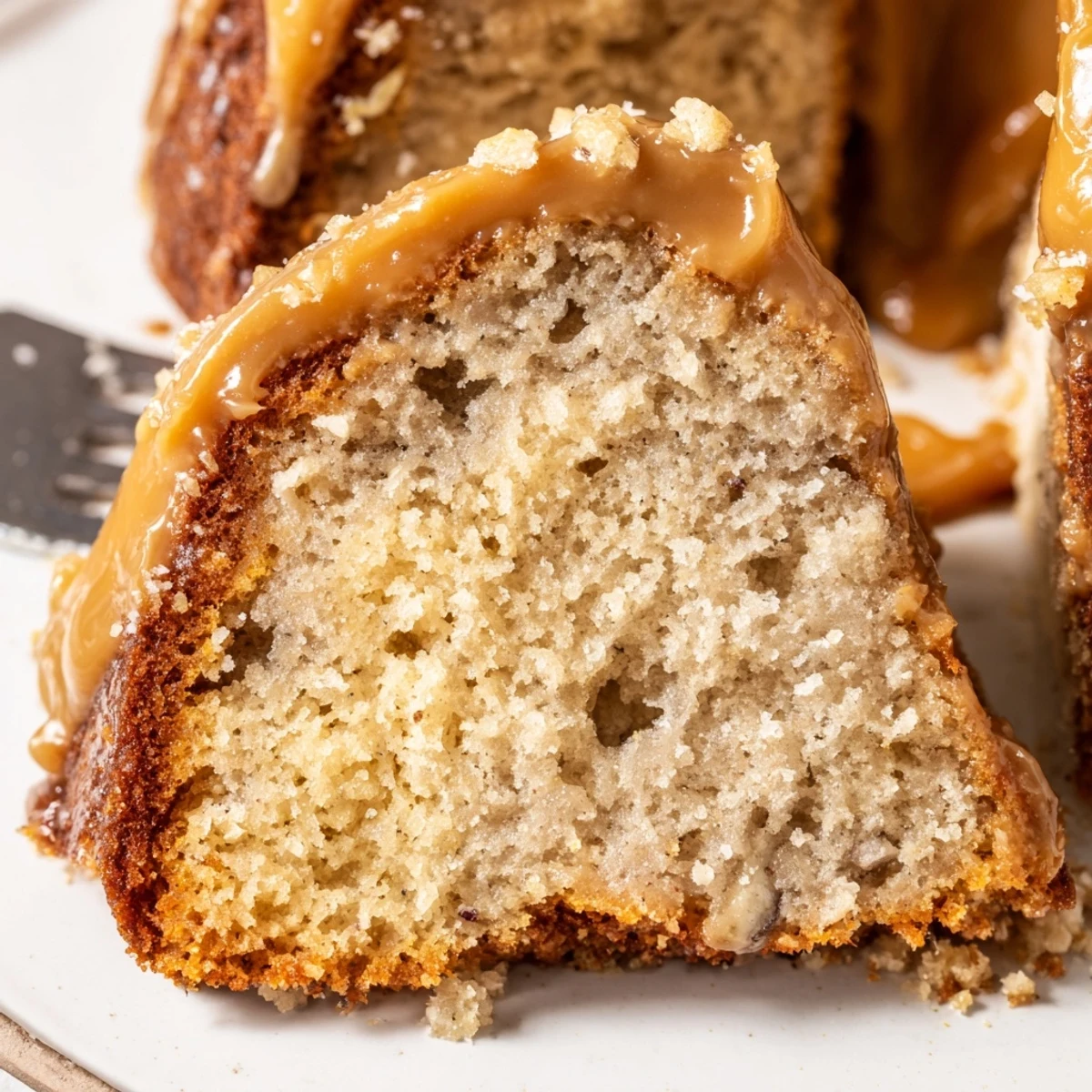
 Here’s to cakes with personality, a few messes, and moments worth lingering over at the counter. Share this one generously—it’s even better that way.
Recipe Questions & Answers
- → How do I brown butter without burning it?
-
Use a light-colored saucepan over medium heat and stir constantly. The butter will foam, then the milk solids will turn golden brown and give a nutty aroma. Remove from heat as soon as brown flecks appear and transfer to a cool bowl to stop cooking.
- → What ripeness should the bananas be?
-
Very ripe bananas with brown spots are best; they’re sweeter and mash more easily. Aim for about 1½ cups mashed (3–4 medium bananas) for this cake to keep it moist and flavorful.
- → How can I tell when the cake is done?
-
Bake until the top is golden and a toothpick inserted in the center comes out clean or with a few moist crumbs. The edges will pull slightly away from the pan and the center should spring back when lightly pressed.
- → Can I make the salted caramel ahead of time?
-
Yes. Make the caramel, cool to room temperature, then refrigerate in an airtight container up to 1 week. Warm gently before using; whisk in a splash of cream if it firms too much.
- → Any tips for frosting or glazing?
-
For a smooth finish, cool the cake completely before spreading frosting. If using caramel in frosting, ensure the caramel is cool to avoid melting the butter. Drizzling warm caramel creates a glossy finish but keep it slightly cooled to control run-off.
- → What pan alternatives and time adjustments work?
-
This batter also bakes well in a 9x5 loaf or a bundt pan; expect longer bake times (loaf ~50–60 minutes, bundt may vary). Use a toothpick to test doneness and tent with foil if the top browns too quickly.