
 Save to Pinterest
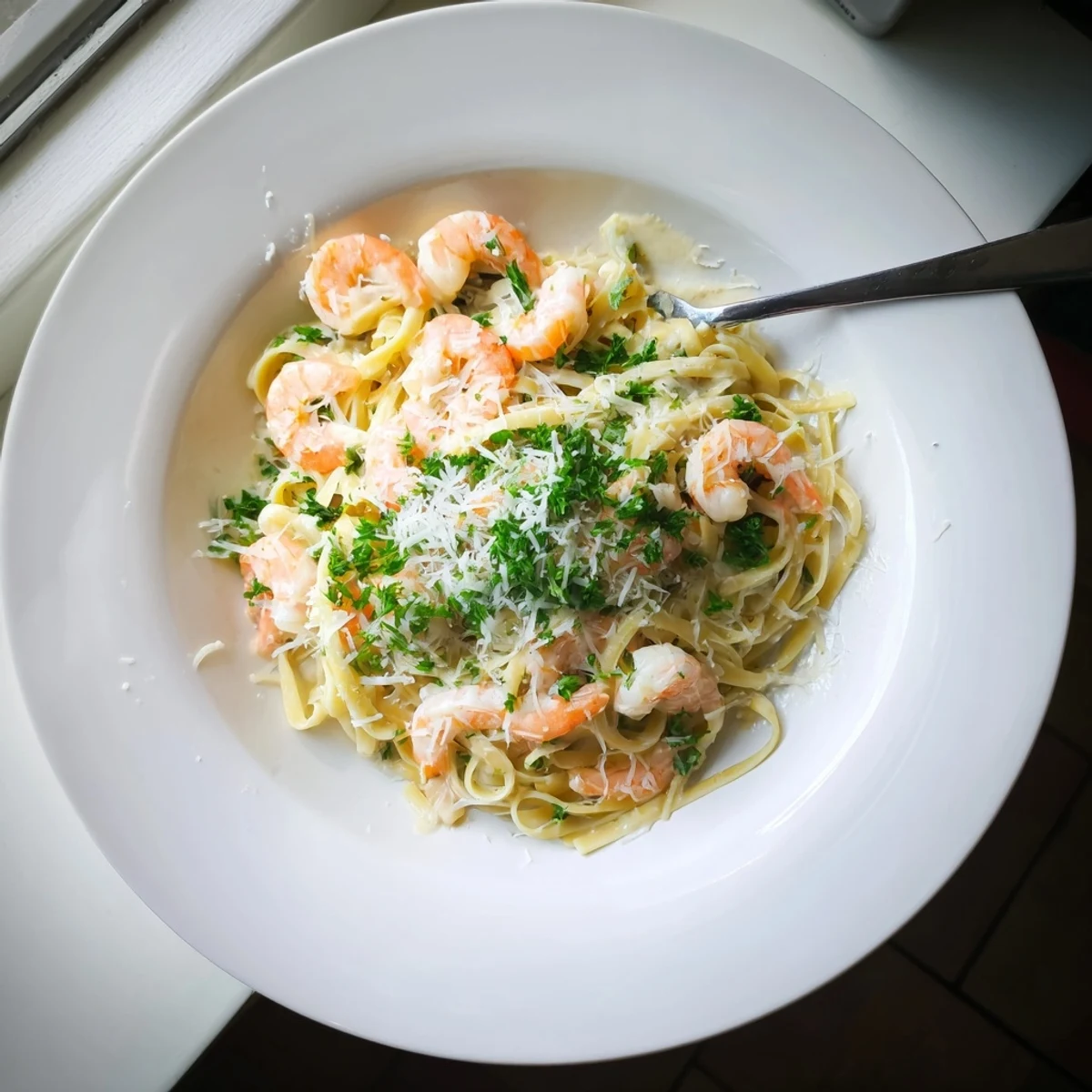
 This Italian-American classic combines tender linguine with plump, juicy shrimp in a velvety garlic cream sauce. The dish balances the richness of heavy cream and butter with bright notes from fresh lemon zest and white wine. Each strand of pasta gets coated in the silky sauce, while the shrimp remain perfectly tender. Red pepper flakes add subtle warmth, Parmesan brings umami depth, and fresh parsley provides a pop of color and freshness. The entire preparation comes together in just 35 minutes, making it ideal for weeknight dinners yet elegant enough for weekend entertaining.
The first time I made shrimp scampi with cream, I stood over the stove watching the sauce thicken and actually said out loud, "This is it." The way the garlic hit the hot butter, then the wine sizzled down, and finally that cream folded in like silk—it made me understand why restaurant pasta always tasted so impossibly good. Now this is the dinner I make when I want people to feel taken care of, no matter how tired I am.
Last February, during that terrible week when winter felt endless, my friend showed up at my door looking defeated. I put a pot of water on, opened some white wine we were saving for something special, and made this pasta while she sat at my counter telling me about her day. By the time we sat down with steaming bowls and that first twirl of cream coated noodles, the whole apartment smelled like garlic butter and possibility.
Ingredients
- 350 g linguine or spaghetti: Long strands catch the sauce beautifully, and the slight bite of al dente pasta holds up against the tender shrimp
- 450 g large shrimp, peeled and deveined: Go for large shrimp—they stay juicy and give each bite that satisfying sweet succulence
- 3 tbsp unsalted butter: Unsalted lets you control the seasoning, and butter creates that velvety base that makes restaurant sauces so good
- 2 tbsp olive oil: The oil prevents the butter from burning over higher heat while adding a subtle grassy note
- 5 cloves garlic, finely minced: Do not chop these too big or they will burn before they release all their aromatic oils
- 1 small shallot, finely diced: Shallots have this gentle sweetness that plays so nicely with white wine and cream
- 120 ml dry white wine: Use something you would actually drink—the alcohol evaporates, but the flavor stays behind
- 240 ml heavy cream: This is what makes the sauce cling to every strand of pasta in those gorgeous ribbons
- Zest and juice of 1 lemon: The zest brings perfume while the juice adds acid that cuts through all that richness
- 1/4 tsp crushed red pepper flakes: Just enough warmth to wake up your palate without overpowering the delicate shrimp
- 40 g freshly grated Parmesan cheese: Buy a wedge and grate it yourself—pre grated cheese has anti caking agents that make sauce grainy
- 2 tbsp fresh parsley, chopped: Fresh herbs at the end make everything taste bright and finished
- Salt and freshly ground black pepper: Taste as you go, especially since both the shrimp and Parmesan bring their own saltiness
- Lemon wedges: Passing extra lemon at the table lets everyone adjust the brightness exactly how they like it
Instructions
- Get your pasta water going first:
- Drop those noodles into salted boiling water and cook them until they are just al dente, then scoop out a half cup of the starchy water before draining—this liquid gold saves sauces that need loosening later.
- Sear the shrimp in hot butter and oil:
- Heat up one tablespoon each of butter and olive oil in your biggest skillet until it shimmers, then lay the shrimp in a single layer and let them sizzle for just a minute or two per side until they turn pink and opaque.
- Set aside your shrimp and build the aromatics:
- Pull the shrimp out onto a plate, then add that remaining butter and oil to the same pan, tossing in your diced shallot for two minutes before adding the garlic for just thirty seconds—do not let it brown or it will taste bitter.
- Deglaze with wine and let it bubble:
- Pour in that white wine while scraping up any browned bits from the bottom of the pan, then let it simmer for a few minutes until the alcohol smell disappears and the liquid reduces slightly.
- Build your cream sauce:
- Turn the heat down to medium low, pour in the heavy cream, then add your lemon zest and juice, red pepper flakes if you like a little heat, and the Parmesan, stirring until the cheese melts and everything becomes velvety smooth.
- Bring it all together:
- Slide those cooked shrimp back into the pan, add your drained pasta, and toss everything together until the sauce coats each strand, adding a splash of that pasta water if the sauce looks too thick.
- Finish with fresh herbs and serve:
- Fold in the chopped parsley, taste and adjust your seasoning, then pile into bowls and pass extra Parmesan, parsley, and those lemon wedges at the table.
 Save to Pinterest
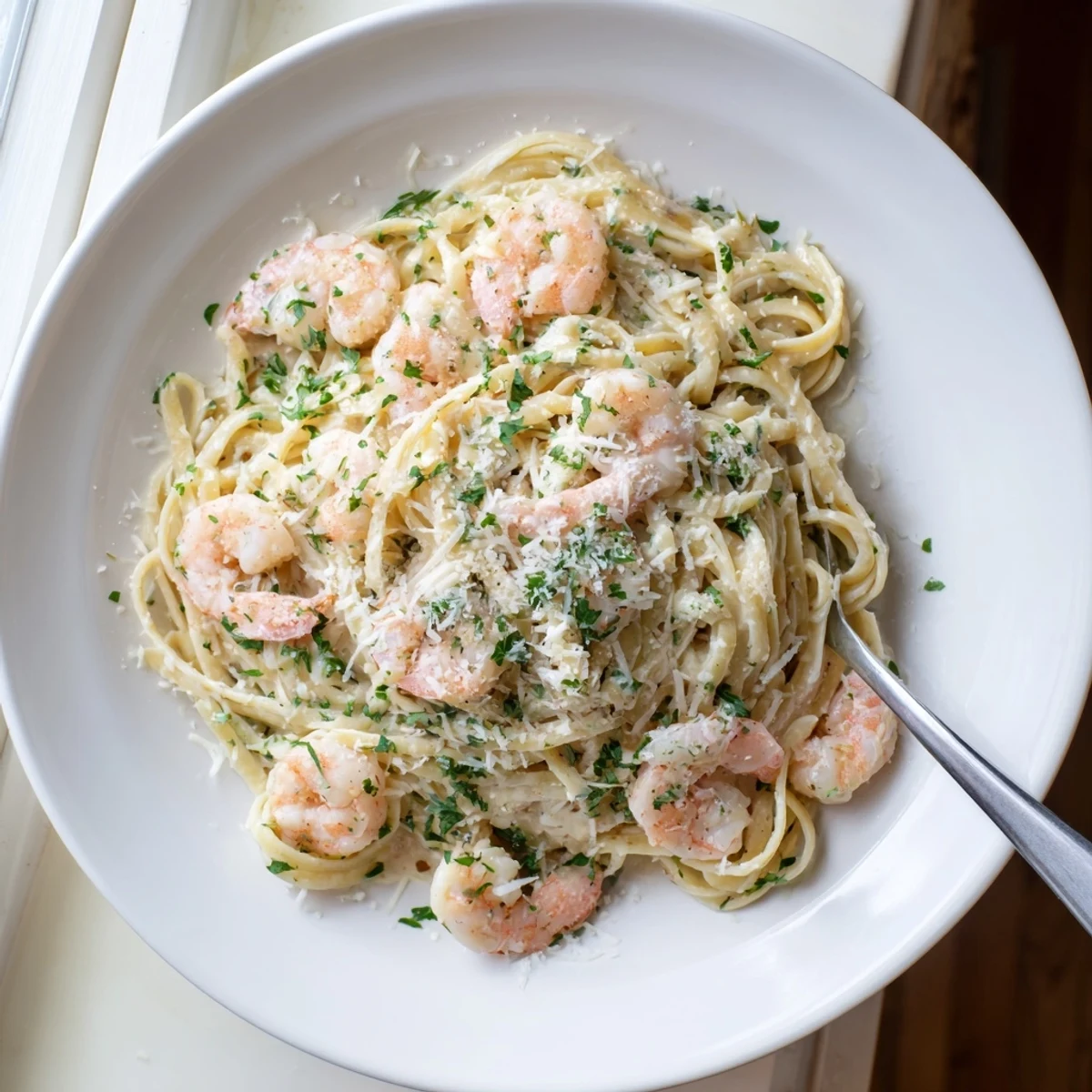
 This pasta became my anniversary dinner tradition after the year we were too broke to go out. I set the table with the good plates, lit a couple of candles, and honestly—the meal I made in twenty minutes felt more special than anything we could have ordered. Sometimes the best celebrations happen right in your own kitchen.
Choosing Your Wine
I used to think cooking wine was a legitimate category until a chef friend gently corrected me. The wine you cook with reduces down, concentrating whatever flavors are in the bottle, which is why I always grab something drinkable—a crisp Pinot Grigio or Sauvignon Blanc works beautifully here. Do not worry about spending a fortune, just avoid anything labeled cooking wine since it usually has salt and weird additives that will throw off your sauce.
Making It Lighter
On weeknights when I want the flavor without the full on richness, I swap half and half for the heavy cream and cut back slightly on the butter. The sauce will not be quite as thick or glossy, but you still get that luxurious scampi vibe. You can also toss in some spinach or arugula right at the end—it wilts in the residual heat and makes the whole meal feel a little less indulgent while adding fresh color.
Perfecting Your Pasta Game
After years of making this, I have learned that the little details make the biggest difference. Grate your own Parmesan, do not walk away from the garlic, and always reserve that pasta water before you dump the pot.
- Cold shrimp into hot oil sears better than room temperature shrimp
- Zest your lemon before juicing it—it is so much easier to handle
- Let everyone add their own red pepper flakes at the table so heat levels stay customizable
 Save to Pinterest
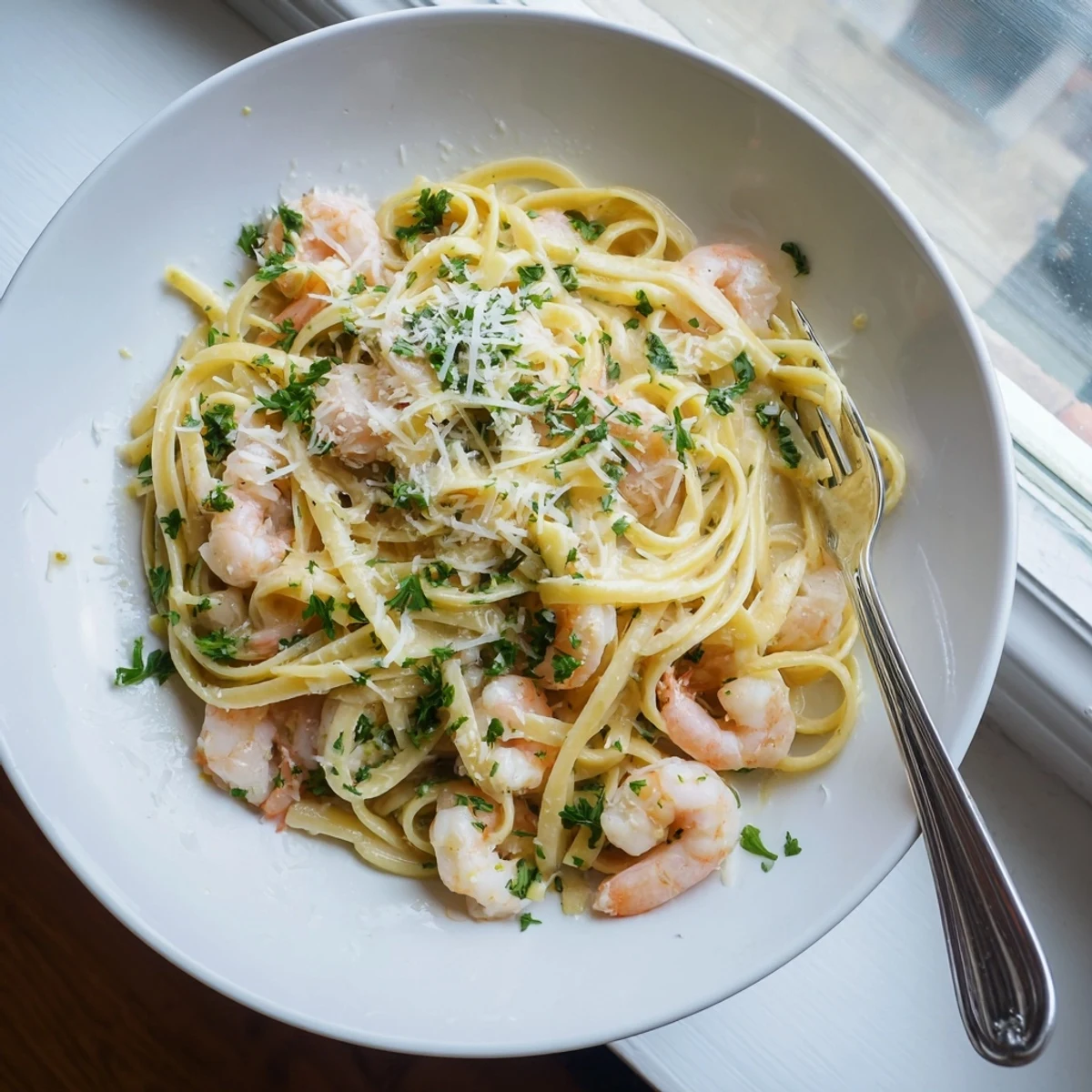
 There is something so satisfying about a pasta dish that comes together this quickly but tastes like it simmered all day. Grab some crusty bread for the sauce and enjoy.
Recipe Questions & Answers
- → Can I use different types of pasta?
-
Yes, linguine and spaghetti work best, but fettuccine, angel hair, or penne are excellent alternatives. The sauce clings beautifully to long pasta shapes, while shorter shapes capture the sauce in their tubes.
- → How do I prevent the shrimp from becoming rubbery?
-
Cook shrimp just until pink and opaque, about 1-2 minutes per side. Overcooking makes them tough and rubbery. Remove them from the skillet immediately once cooked through, then return them at the end to warm through.
- → Can I make this dish lighter?
-
Absolutely. Substitute half-and-half for heavy cream, reduce butter to 2 tablespoons total, and increase the white wine slightly. The result will be lighter while still maintaining creamy texture and rich flavor.
- → What wine pairs best with this pasta?
-
Crisp white wines like Pinot Grigio, Sauvignon Blanc, or dry Pinot Grigio complement the creamy sauce and seafood beautifully. The wine used in the sauce creates perfect harmony with your glass.
- → Can I prepare this in advance?
-
The sauce can be made ahead and refrigerated for up to 2 days. Reheat gently while cooking fresh pasta. Add a splash of pasta water to loosen the sauce, then toss with shrimp and freshly cooked pasta.
- → What can I substitute for white wine?
-
Seafood stock or vegetable broth work well as non-alcoholic alternatives. For depth without alcohol, add a splash of vermouth or extra lemon juice. The liquid provides necessary acidity to balance the cream.