
 Save to Pinterest
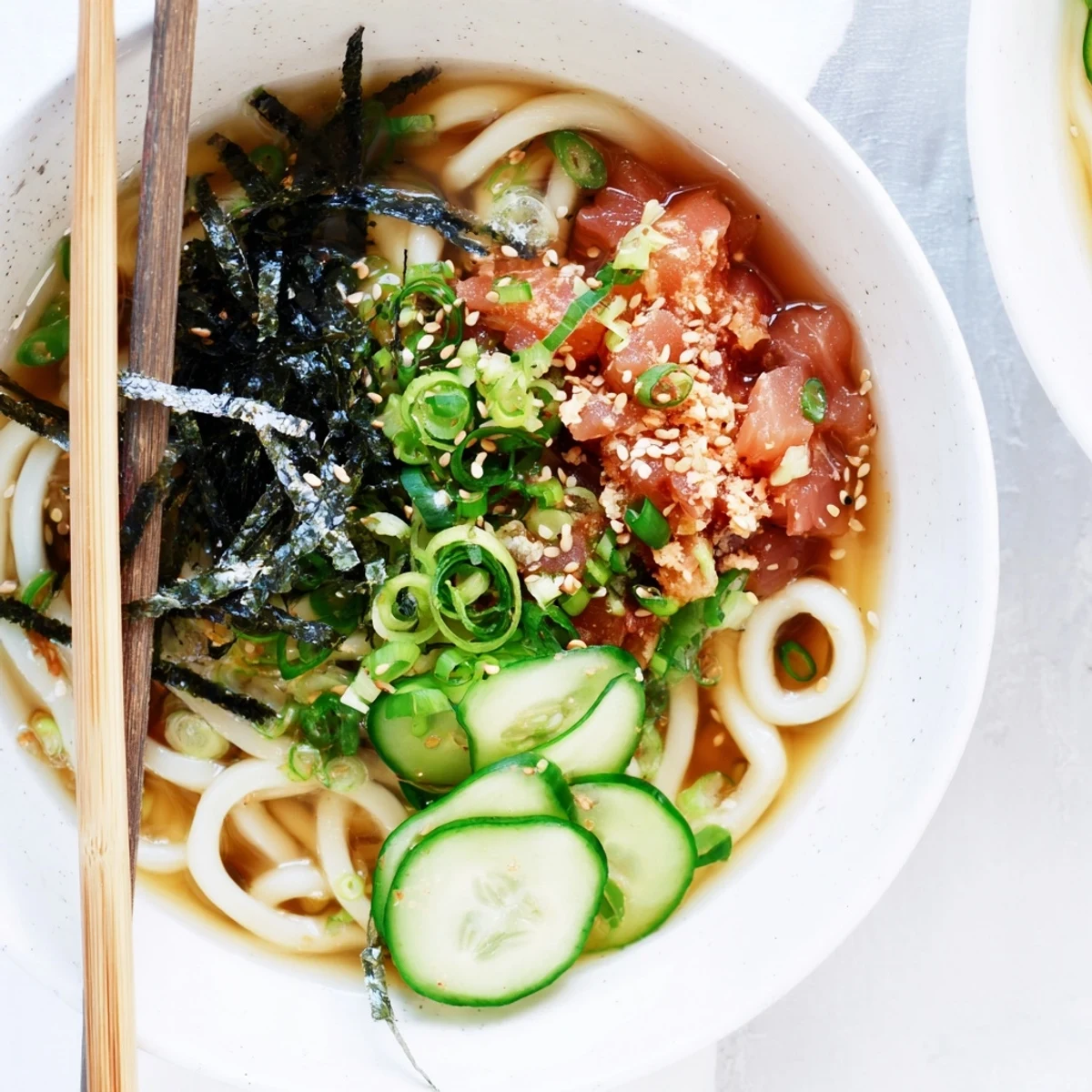
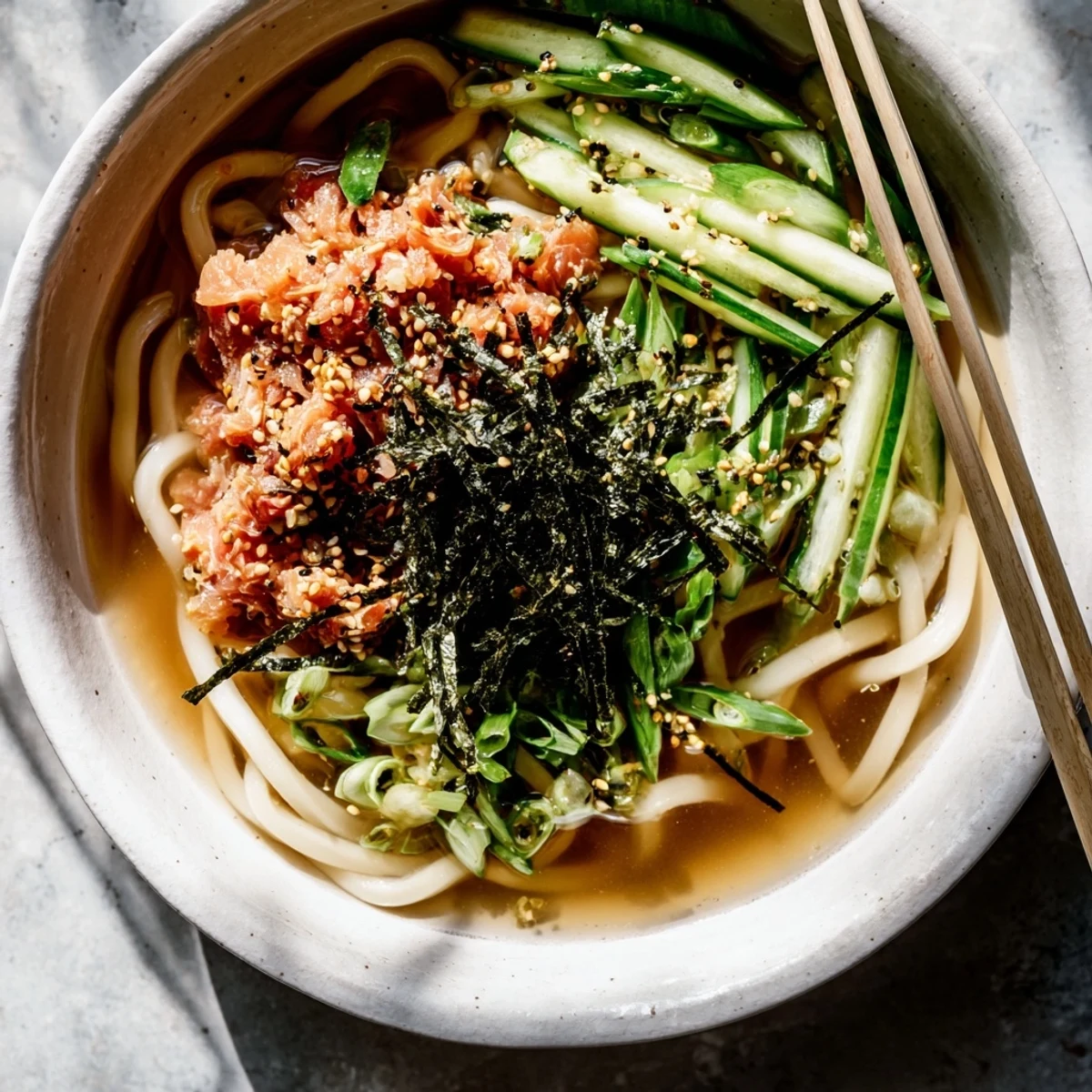
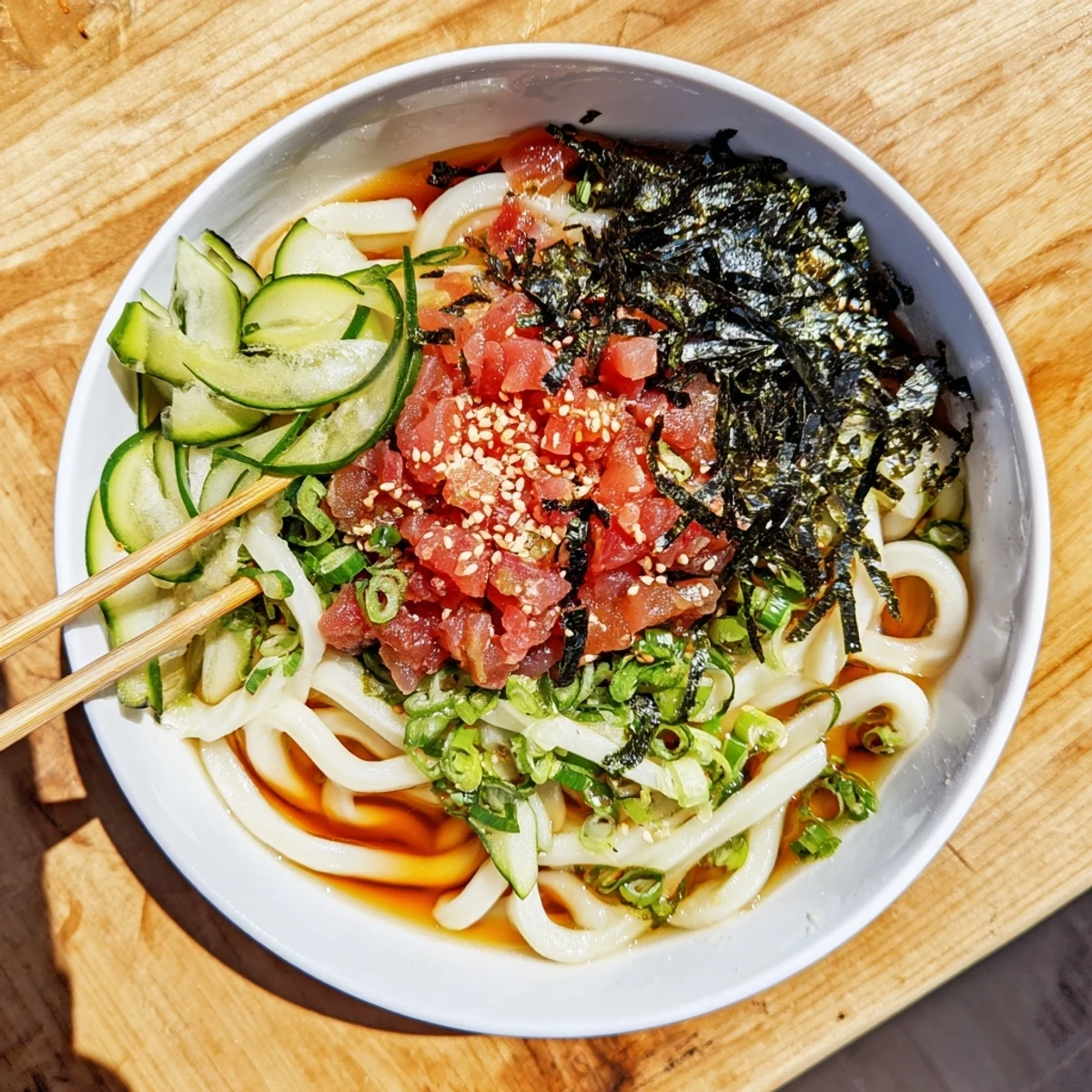
 This comforting Japanese noodle bowl combines thick, chewy udon noodles in a savory dashi broth with spicy marinated sushi-grade tuna. The tuna gets its kick from a creamy mayonnaise-based sauce featuring Sriracha and Asian seasonings.
Fresh toppings like sliced green onions, shredded nori, cucumber strips, and toasted sesame seeds add crunch and umami depth. The entire dish comes together in just 25 minutes, making it perfect for a satisfying weeknight dinner.
Adjust the spice level to your preference and pair with chilled sake or green tea for an authentic experience. The broth warms the soul while the cool marinated tuna provides a delightful temperature contrast.
The smell of dashi hitting a hot saucepan still transports me straight back to a tiny ramen stall in Osaka where steam fogged the windows and the cook moved with quiet, practiced speed. I had no idea udon could taste that deeply comforting until I slurped my first bowl standing at that counter, shoulder to shoulder with strangers. That moment sparked a small obsession with recreating something similar at home, and this spicy tuna version is the dish that finally scratched that itch. It is bold, warming, and surprisingly simple once you get the rhythm down.
One rainy Tuesday my roommate walked in while I was testing this recipe and stood in the kitchen doorway just breathing in the sesame and soy scent hanging in the air. She sat down, took one bite, and declared it the best thing I had ever made in that apartment. We ate in total silence after that, which is the highest compliment I know.
Ingredients
- Sushi-grade tuna (200 g, diced): Please do not skip the sushi-grade requirement here since the tuna is essentially raw and the texture and safety depend entirely on starting with the right fish.
- Japanese mayonnaise or Kewpie (2 tbsp): Kewpie has a richer yolk content and a tang that standard mayo lacks, and it binds the spicy tuna into something luxuriously creamy.
- Sriracha or Asian chili sauce (1 tbsp): This is your heat dial so adjust up or down depending on your tolerance and mood.
- Soy sauce (1 tsp for marinade, 1 tbsp for broth): Two separate applications here, one for depth in the tuna and one to season the broth.
- Sesame oil (1 tsp): A tiny amount goes a long way toward giving the tuna that unmistakable nutty aroma.
- Rice vinegar (1 tsp): It brightens the marinade and cuts through the richness of the mayonnaise beautifully.
- Udon noodles (400 g fresh or frozen): Fresh or frozen udon have that chewy, bouncy texture that dried noodles simply cannot replicate.
- Dashi broth (3 cups): This is the backbone of the whole dish and you can use chicken or vegetable broth in a pinch but dashi is worth seeking out for that smoky, umami depth.
- Mirin (1 tbsp): A touch of sweetness and gloss that rounds out the broth.
- Sugar (1 tsp): Just enough to balance the salt and acid.
- Green onions, shredded nori, sesame seeds, and julienned cucumber: These toppings provide crunch, color, and freshness that make each bowl feel complete.
- Optional chili oil and pickled ginger: For those who want an extra layer of heat and brightness on top.
Instructions
- Marinate the spicy tuna:
- Toss the diced tuna with mayonnaise, Sriracha, soy sauce, sesame oil, and rice vinegar in a bowl until every piece is evenly coated, then tuck it into the fridge for at least ten minutes so the flavors settle and meld.
- Cook the udon noodles:
- Boil the noodles according to the package directions until they are tender but still have some chew, then drain and give them a quick rinse under cold water to stop the cooking and keep them springy.
- Build the broth:
- In a separate saucepan, bring the dashi, soy sauce, mirin, and sugar to a gentle simmer, stirring until the sugar dissolves and the broth smells warm and savory.
- Assemble the bowls:
- Divide the noodles between two deep bowls and ladle the hot broth over them, then spoon the marinated tuna on top so it sits like a crown.
- Finish with toppings:
- Scatter green onions, nori, sesame seeds, and cucumber over each bowl, adding chili oil or pickled ginger if you are feeling bold, and serve immediately while the broth is still steaming.
 Save to Pinterest
 This bowl became my go-to meal after long days when cooking felt like a chore but I still wanted something that felt like care. There is something deeply restorative about holding a warm bowl in both hands and letting the steam hit your face before the first slurp. It stopped being just dinner and started being a small ritual I looked forward to.
Choosing the Right Tuna
Look for tuna that is labeled sushi-grade or sashimi-grade at a trusted fish counter, and ask when it was cut if you can. The flesh should look glossy and firm with no discoloration or strong fishy smell. If raw tuna is not available or you are not comfortable with it, seared tuna works as a halfway point that still tastes wonderful in this bowl.
Making Dashi from Scratch
Instant dashi powder dissolved in water is perfectly fine and what I use most weeknights, but if you want to go deeper, steeping kombu and bonito flakes in barely simmering water for ten minutes creates a broth with layers you cannot buy in a packet. Strain it through a fine mesh and use it right away for the best flavor.
Serving and Storing
This dish is best eaten immediately after assembly because the broth continues to cook the tuna slightly and the noodles soak up liquid as they sit. Leftovers can be stored in the fridge for one day but the texture will soften considerably.
- Keep the tuna marinade and broth separate if you plan to make ahead.
- Reheat the broth gently on the stove rather than in the microwave for more even warmth.
- Always taste the broth before serving since flavors can dull overnight.
 Save to Pinterest
 Every time I make this I think about that steamy stall in Osaka and how a simple bowl of noodles taught me that comfort food does not need to be complicated. I hope this one finds its way into your own rotation and becomes a small, warm constant in your kitchen too.
Recipe Questions & Answers
- → Can I use cooked tuna instead of raw?
-
Absolutely. While sushi-grade tuna delivers the best texture and flavor, you can substitute with seared or canned tuna. If using canned, drain thoroughly and fold into the spicy mayo mixture.
- → What type of noodles work best?
-
Thick Japanese udon noodles are traditional and provide the perfect chewy texture. Fresh or frozen udon both work well. If unavailable, thick wheat noodles like fettuccine can serve as an alternative.
- → How do I adjust the spice level?
-
Start with less Sriracha or chili sauce in the tuna marinade, then gradually increase to taste. You can also drizzle additional chili oil over the finished bowl for extra heat, or omit spicy elements entirely for a milder version.
- → Can I make this vegetarian?
-
Yes. Replace the tuna with firm tofu cubes or cooked edamame. Use vegetarian broth options and ensure your condiments are plant-based. The spicy mayo coating works wonderfully with tofu as well.
- → How should I store leftovers?
-
Store components separately for best results. Keep the broth refrigerated in an airtight container for up to 3 days. The marinated tuna is best consumed the same day but can be refrigerated overnight. Noodles should be stored separately and reheated in hot water or broth.