
 Save to Pinterest
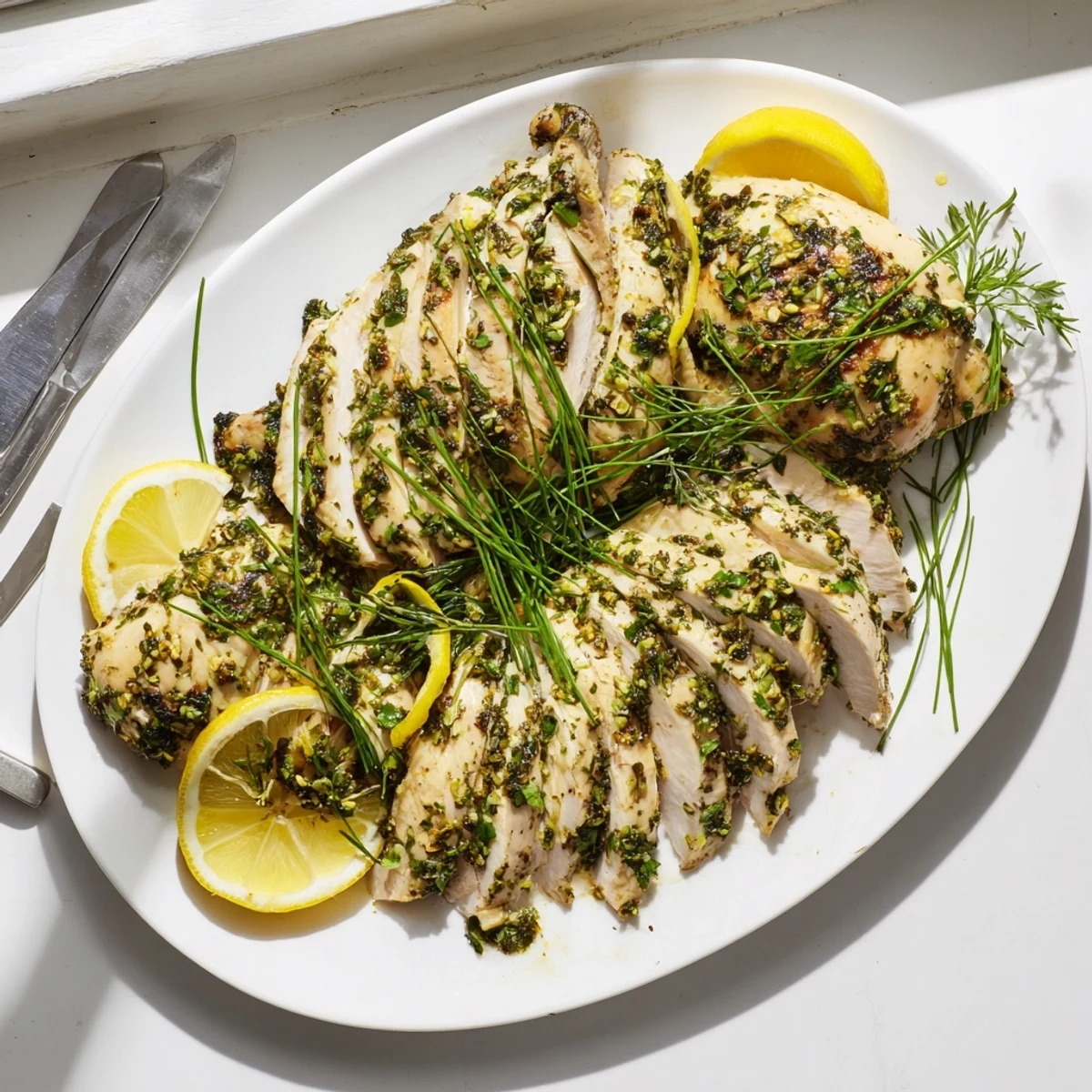
 This succulent chicken dish showcases the bright flavors of spring garlic combined with aromatic herbs like parsley, thyme, and rosemary. The citrusy lemon marinade infuses the meat with zesty brightness while keeping it incredibly moist during roasting. Perfect for weeknight dinners or elegant weekend entertaining, this versatile main pairs beautifully with roasted vegetables, potatoes, or a crisp salad.
There was this rainy Tuesday last April when my farmers market haul turned into something unexpected. I'd grabbed handfuls of spring garlic, still soft with that purple-tinged papery skin, not really knowing what I'd do with it. The chicken in my fridge seemed like the perfect canvas, so I started chopping and mixing right there on the counter. That impromptu dinner became the recipe I've made ten times since.
I served this at a small dinner party last month, just four of us around my tiny kitchen table. My friend Sarah, who swears she hates boring chicken breast, went back for seconds. There's something about the way the lemon and honey play against the rosemary that makes people lean in and ask what's different. It's become my go-to when I want to feed people something that feels special but doesn't require me to stress out.
Ingredients
- 4 boneless, skinless chicken breasts: Look for ones that are roughly the same size so they cook evenly, and pat them dry before marinating
- 2 tbsp olive oil: Use something decent since it's carrying all those flavors, but no need to break out your fanciest bottle
- 1 tsp kosher salt: This helps the chicken retain moisture, so don't skip it even if you usually go light on salt
- ½ tsp freshly ground black pepper: Grind it right before you mix everything in for the most punch
- 3 tbsp fresh spring garlic, minced: If you can't find it, regular garlic works but use less since it's more potent
- 2 tbsp fresh parsley, chopped: Flat-leaf gives you better flavor than curly, and it adds this fresh green note
- 1 tbsp fresh thyme leaves: Strip the tiny leaves off the woody stems by running your fingers backward
- 1 tbsp fresh rosemary, chopped: This is the strong herb here, so chop it fine so you don't get big piney chunks
- Zest and juice of 1 lemon: Zest first, then juice, and avoid the white pith which is bitter
- 1 tsp honey: This optional ingredient helps balance the acid and creates beautiful caramelization
- 2 tbsp fresh chives, finely chopped: Save these for the end as a bright fresh garnish that pops against the golden chicken
- Lemon wedges: An extra squeeze at the table wakes everything up
Instructions
- Mix the Marinade:
- Whisk together the olive oil, minced spring garlic, parsley, thyme, rosemary, lemon zest and juice, honey, salt, and pepper in a large bowl until everything's well combined. It should smell incredible already.
- Marinate the Chicken:
- Add the chicken breasts to the bowl, turning each piece to coat thoroughly, then cover and refrigerate for at least 30 minutes or up to 2 hours if you have time.
- Heat the Oven:
- Preheat to 400°F (200°C) while you let the chicken sit at room temperature for about 15 minutes, which helps it cook more evenly.
- Arrange for Roasting:
- Place the marinated chicken in a baking dish and pour any remaining marinade over the top so none of those flavors go to waste.
- Roast Until Perfect:
- Cook for 25 to 30 minutes, checking for an internal temperature of 165°F (74°C) and clear juices when pierced.
- Rest Before Serving:
- Let the chicken rest for 5 minutes out of the oven, which lets the juices redistribute so every bite stays juicy.
- Finish and Serve:
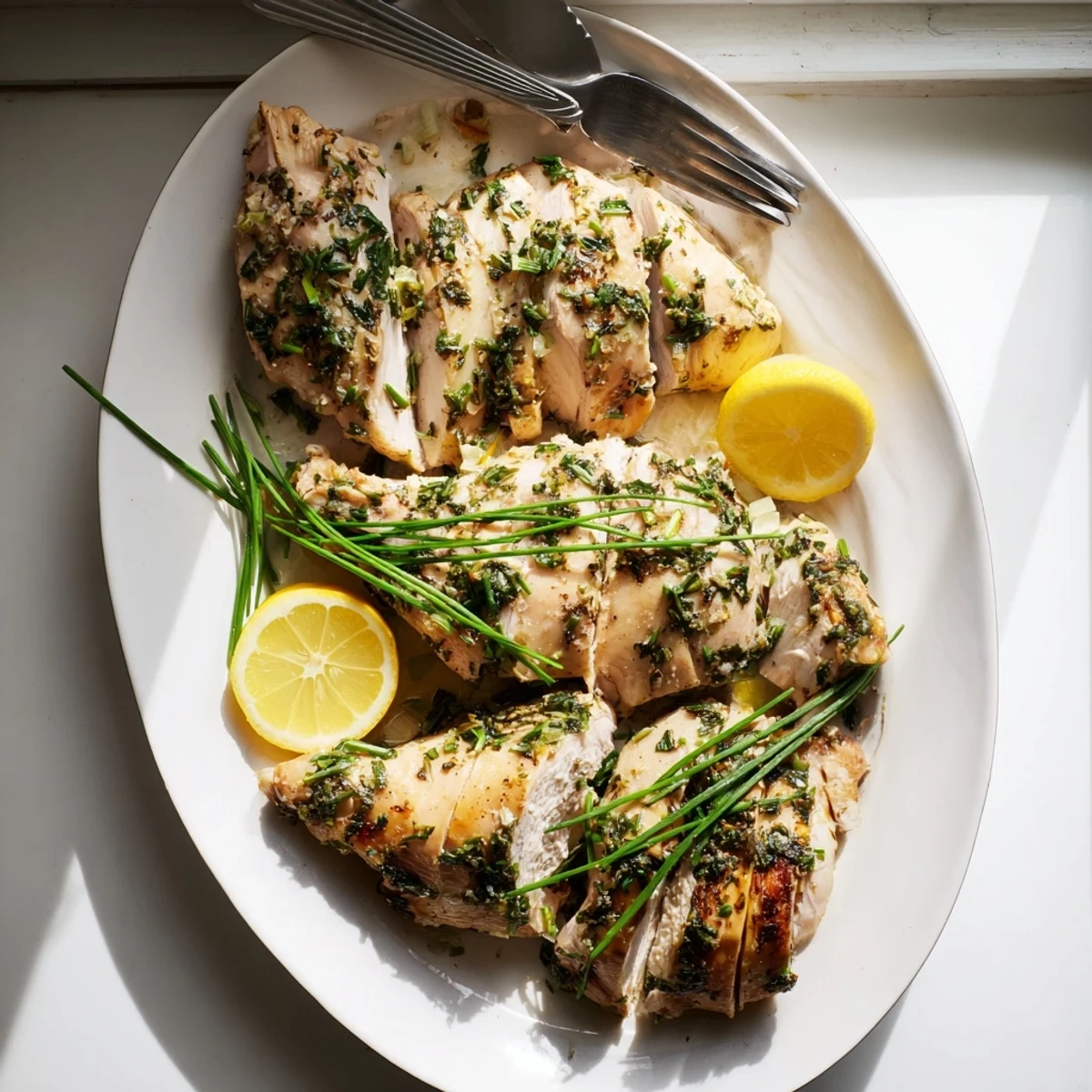
- Slice the chicken against the grain and scatter with fresh chives and lemon wedges for that final bright touch.
 Save to Pinterest
 This recipe has become my signature when friends come over and I want something that looks impressive but doesn't keep me in the kitchen all night. Last week, my sister asked for the recipe before she even finished her plate, which is basically the highest compliment I can imagine.
Swapping the Herbs
I've played around with different herb combinations based on what's growing or what I forgot to buy. Tarragon gives it this lovely anise note that's fantastic in spring, while dill makes it feel brighter and more summery. The key is keeping some rosemary for that piney backbone and not going too crazy with substitutions all at once.
Pairing Ideas
This chicken loves hanging out with roasted spring vegetables like asparagus, radishes, or baby carrots. I'll often toss them on the same sheet pan for the last 15 minutes of cooking. New potatoes roasted in the same marinade are also a revelation, soaking up all those lemony garlic juices.
Make It Yours
Sometimes I'll add a teaspoon of Dijon mustard to the marinade for extra depth, especially when I'm serving it with roasted vegetables. The recipe is forgiving enough that you can play with it and still end up with something delicious.
- Double the marinade and save half in the fridge for a quick chicken dinner later in the week
- Try this on chicken thighs if you prefer darker meat, just add 5 minutes to the cooking time
- Leftovers make incredible chicken sandwiches the next day, especially with some arugula and a swipe of aioli
 Save to Pinterest
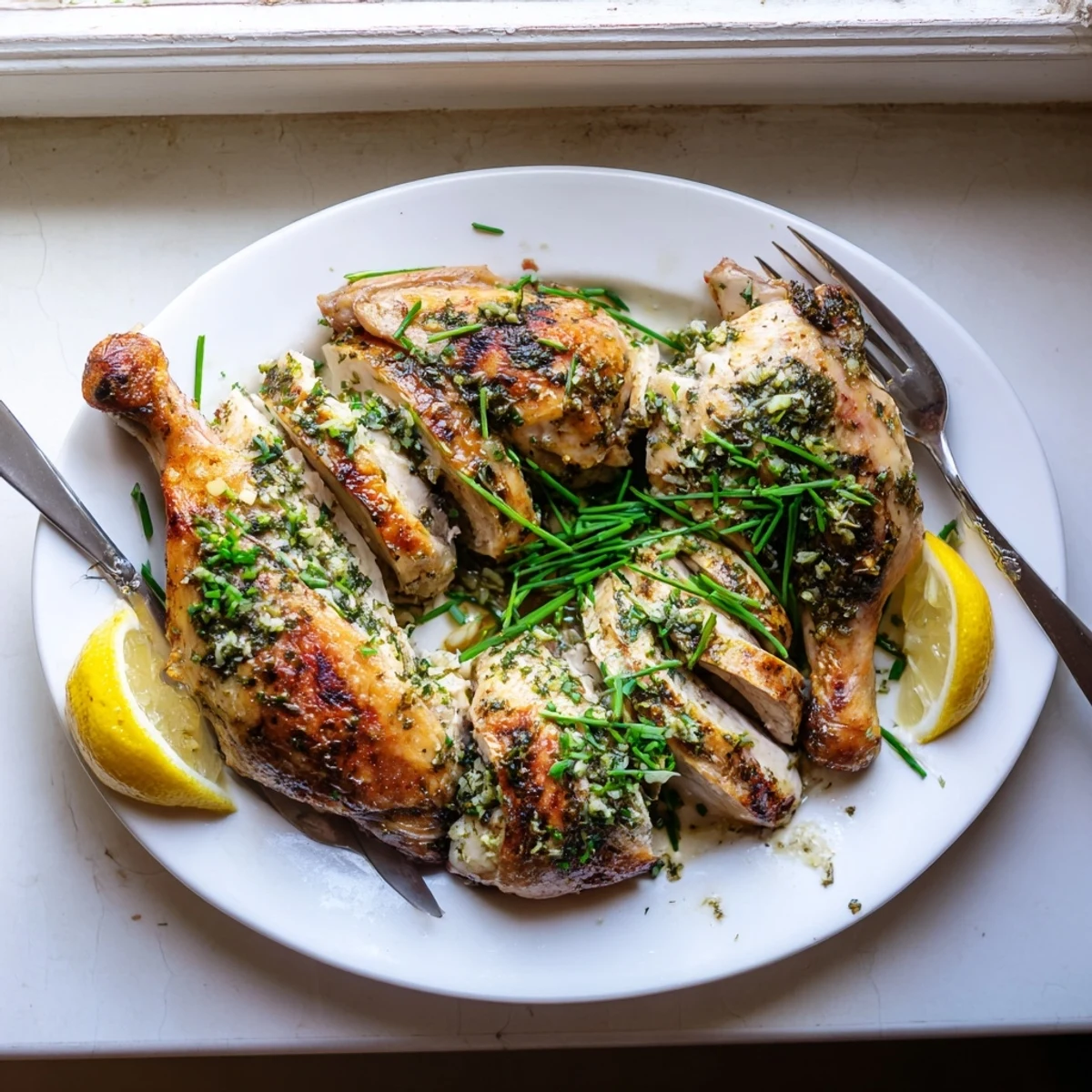
 Hope this brings as many easy, delicious dinners to your table as it has to mine. There's something so satisfying about a recipe that delivers big flavors with such little fuss.
Recipe Questions & Answers
- → What makes spring garlic different from regular garlic?
-
Spring garlic is young garlic harvested before the bulbs fully mature. It has a milder, sweeter flavor than cured garlic and can be used entirely—from the tender white stalk to the green leaves. If unavailable, regular minced garlic works perfectly as a substitute.
- → How long should I marinate the chicken?
-
Marinate for at least 30 minutes to infuse flavors, but up to 2 hours yields deeper taste penetration. Avoid marinating longer than 2 hours as the acid in lemon juice can begin to break down the chicken's texture excessively.
- → Can I use chicken thighs instead of breasts?
-
Absolutely. Bone-in, skin-on thighs work wonderfully and may require an additional 5-10 minutes of cooking time. Thighs are naturally more forgiving and remain juicy even if cooked slightly longer.
- → What temperature should the chicken reach?
-
The safe internal temperature is 165°F (74°C). Use an instant-read thermometer inserted into the thickest part of the meat to ensure doneness without overcooking. Letting the chicken rest for 5 minutes after roasting helps redistribute juices.
- → Can I prepare this ahead of time?
-
Yes. Marinate the chicken up to 24 hours in advance and keep refrigerated. You can also cook it ahead and serve cold sliced over salads, or reheat gently at 350°F for 10-15 minutes until warmed through.
- → What sides complement this dish?
-
Roasted spring vegetables like asparagus, carrots, or new potatoes make excellent accompaniments. A crisp green salad with vinaigrette balances the richness, or serve with crusty bread to soak up the flavorful juices.