
 Save to Pinterest
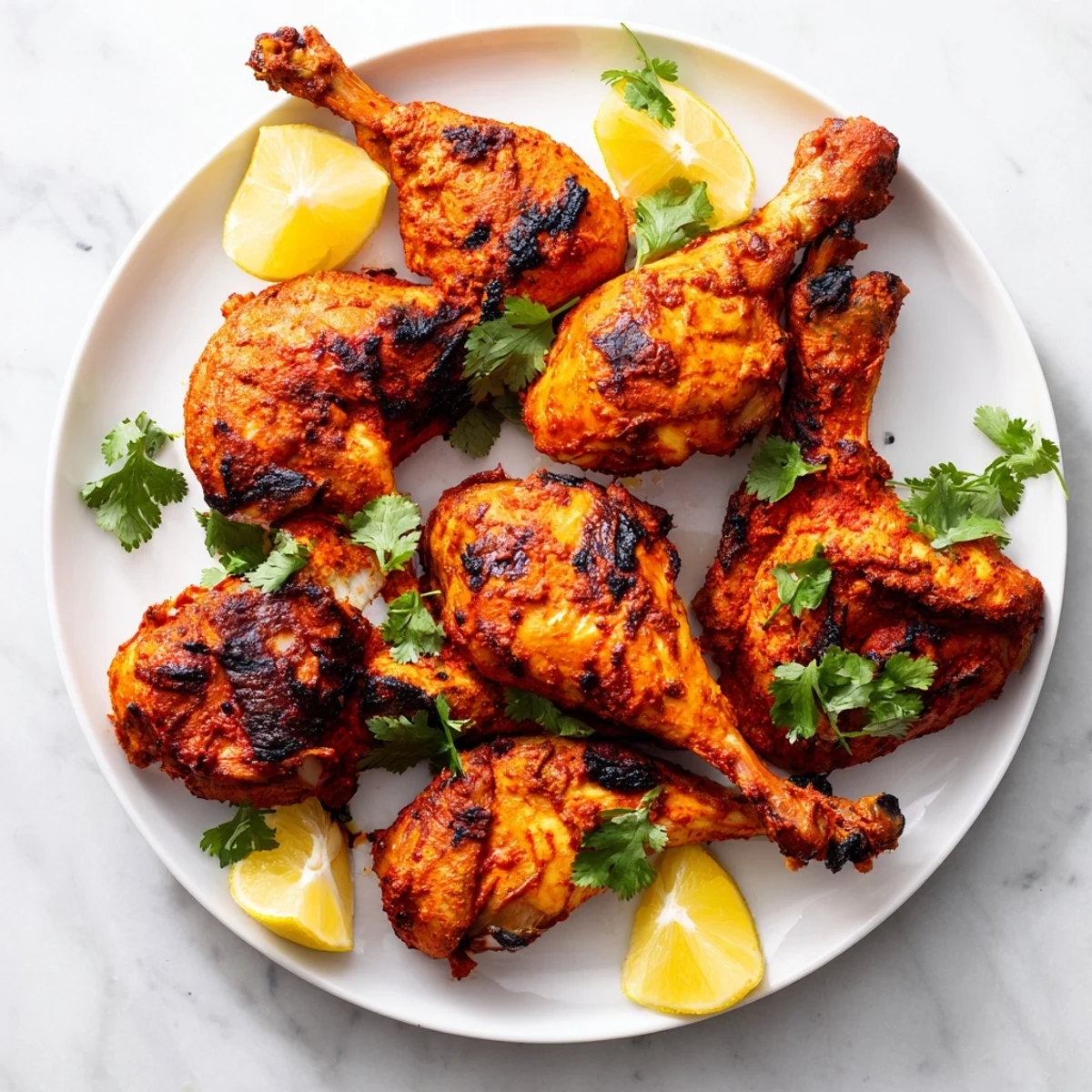
 This classic Indian preparation features bone-in chicken pieces immersed in a rich marinade of full-fat yogurt blended with aromatic spices including tandoori masala, cumin, coriander, and turmeric. After marinating for several hours, the chicken transforms into tender, flavorful meat with a signature smoky char. The high-heat roasting process creates those characteristic slightly blackened edges while keeping the interior juicy and succulent.
Perfect served alongside warm naan bread, fragrant basmati rice, or fresh cucumber salad. The vibrant red hue comes naturally from the spice blend, while the yogurt ensures every bite remains moist and infused with layers of complex Indian flavors.
The exhaust fan in my tiny apartment kitchen could barely keep up the night I first attempted tandoori chicken, and by midnight the entire hallway smelled like a spice market had exploded behind my door. My neighbor actually knocked not to complain but to ask what I was cooking because it smelled incredible. That messy, chaotic first attempt hooked me completely, and Ive been refining my technique ever since.
I made a massive batch of this for a friends backyard birthday party last summer, threading the chicken onto skewers and grilling it over charcoal while everyone gathered around with drinks. People kept wandering over to the grill, lifting the lid, and groaning at how good it smelled. Every single piece disappeared within fifteen minutes of being served.
Ingredients
- 1 kg chicken pieces (bone in, skinless): Thighs and drumsticks are your best friends here because they stay moist through the intense heat, and the bones carry so much extra flavor into the meat.
- 200 g plain full fat yogurt: Full fat is non negotiable because the richness is what carries the spices and creates that beautiful crust, and thick yogurt clings to the chicken better than a thin one ever will.
- 2 tbsp lemon juice: The acid works alongside the yogurt to break down proteins and it brightens every single spice in the marinade.
- 3 cloves garlic, minced: Fresh garlic only because the jarred stuff lacks the sharp bite that makes this marinade sing.
- 2 tsp fresh ginger, grated: Grate it directly into the marinade so the juices blend in, and use a microplane for the finest texture.
- 1 1/2 tbsp tandoori masala powder: This is the soul of the dish, giving you that signature red orange hue and deeply aromatic warmth that no other single spice can replicate.
- 1 tsp ground cumin: Adds an earthy, slightly smoky base note that rounds out the sharper spices beautifully.
- 1 tsp ground coriander: It brings a mild citrusy sweetness that balances the heat and ties the spice profile together.
- 1/2 tsp chili powder: Adjust this to your comfort level because you can always add more heat but you cannot take it away once its mixed in.
- 1/2 tsp ground turmeric: Just a touch adds warmth and a gorgeous golden undertone beneath the red of the tandoori masala.
- 1/2 tsp garam masala: Added for a final layer of sweet, warm spice that rounds everything out right before cooking.
- 1 1/2 tsp salt: Do not skimp here because the salt is what pulls all those complex flavors deep into the meat.
- 1 tbsp vegetable oil: Helps the spices bloom and keeps the chicken from sticking to your cooking surface.
- 1 tbsp melted butter (optional): Brushing it on at the end adds a silky richness that takes the finish from great to absolutely unforgettable.
- Fresh cilantro leaves and lemon wedges: The finishing touches that add brightness and make the dish look as vibrant as it tastes.
Instructions
- Build the marinade:
- In a large bowl, combine the yogurt, lemon juice, garlic, ginger, tandoori masala, cumin, coriander, chili powder, turmeric, garam masala, salt, and vegetable oil, stirring until you have a smooth, vibrantly colored paste. Taste it on your fingertip and it should be boldly seasoned, almost too salty on its own, because the chicken will dilute it.
- Score and soak the chicken:
- Use a sharp knife to make shallow cuts across each piece of chicken, about two or three slashes per piece, cutting just deep enough to reach the bone without slicing through. Toss every piece into the marinade and massage it in with your hands, really working it into every slash and crevice, then cover and refrigerate for at least four hours or ideally overnight.
- Set up for roasting:
- Preheat your oven to 220 degrees Celsius (430 degrees Fahrenheit) and line a baking tray with foil, then set a wire rack on top so the chicken cooks evenly from all sides and the excess marinade drips away. This setup is what gives you that charred, almost grilled texture without flipping the chicken in a pan.
- Roast until charred and juicy:
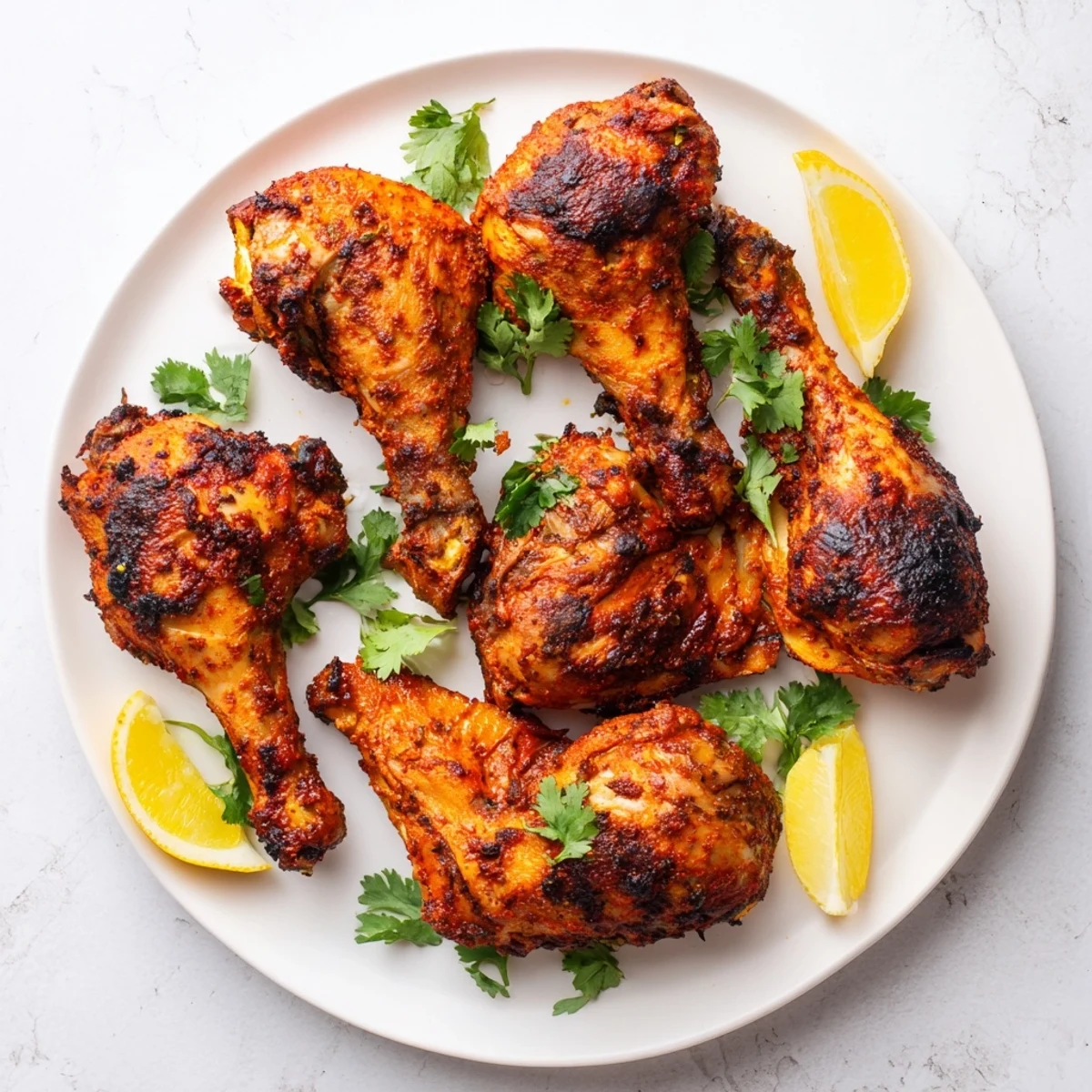
- Arrange the chicken pieces on the rack with space between each one so the hot air circulates, then bake for 25 to 30 minutes, flipping them halfway through, until the edges are darkened and lightly charred and the internal temperature reads 74 degrees Celsius (165 degrees Fahrenheit). Your kitchen will smell absolutely unreal at this point.
- Finish and serve:
- Pull the chicken from the oven and immediately brush with melted butter if using, letting it melt into every crevice, then scatter fresh cilantro over the top and serve with lemon wedges squeezed generously over each piece. Eat it while its still hot and the edges have that slight crispy chew.
 Save to Pinterest
 There is something deeply satisfying about pulling a tray of scarlet, charred chicken from the oven knowing you mixed every bit of that flavor by hand.
What to Serve Alongside
Plain basmati rice is the simplest companion and it soaks up every bit of juices and butter that drips off the chicken. Warm naan is even better for tearing and scooping, especially if you brush it with a little garlic butter. A simple cucumber and onion salad with a squeeze of lemon cuts through the richness and refreshes your palate between bites.
Handling the Heat
The beauty of making tandoori chicken at home is that you control every dimension of spice, especially the heat. If you are cooking for kids or spice sensitive friends, dial the chili powder back to a quarter teaspoon and the dish stays wonderfully flavorful without any burn. For those who crave fire, a pinch of cayenne or even diced fresh green chilies folded into the marinade will get you there.
Making It Your Own
Once you have the base marinade committed to memory, start playing with it because this recipe forgives experimentation beautifully. Try adding a tablespoon of finely chopped fresh mint for a cooling contrast, or a spoonful of tikka paste for even deeper color and intensity.
- If you cannot find tandoori masala, a blend of equal parts paprika and smoked paprika with a pinch of cinnamon gets you remarkably close.
- Chicken breasts work fine too but reduce the cooking time by about five minutes and watch them carefully to prevent drying out.
- Always let the cooked chicken rest for three to five minutes before serving so the juices redistribute through the meat.
 Save to Pinterest
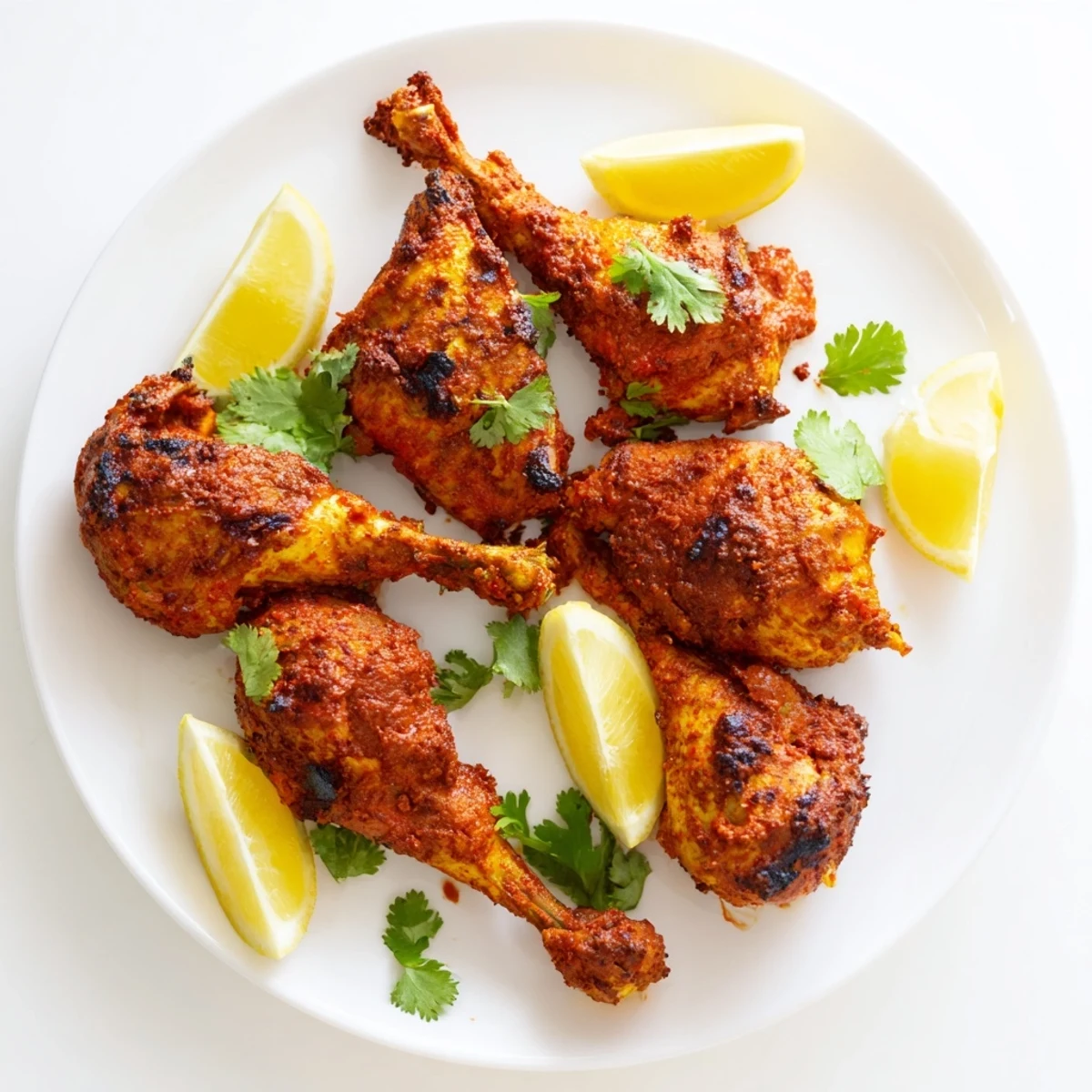
 Keep this recipe close because once you make it, everyone you serve it to will ask for it again. It is the kind of dish that turns an ordinary evening into something worth remembering.
Recipe Questions & Answers
- → What makes tandoori chicken red?
-
The signature red color comes from tandoori masala spice blend which contains red chili powder and paprika. No artificial food coloring is needed—the spices naturally create that vibrant hue during marinating.
- → Can I use boneless chicken?
-
Boneless chicken works but cooks faster and may dry out. Bone-in thighs or drumsticks provide better moisture retention and flavor. Reduce cooking time to 15-20 minutes if using boneless pieces.
- → How long should I marinate the chicken?
-
Minimum 4 hours for basic flavor penetration, but overnight marinating yields the most tender and aromatic results. The yogurt enzymes help break down proteins, creating that characteristic tender texture.
- → What can I substitute for tandoori masala?
-
Mix equal parts paprika, ground cumin, and smoked paprika with a pinch of cayenne. This combination provides similar color and smoky flavor, though authentic tandoori masala offers deeper complexity.
- → Is traditional tandoori cooking different from oven roasting?
-
Authentic tandoori cooks in a clay tandoor oven at extremely high temperatures, creating intense char. Oven roasting at 220°C approximates this effect well, especially using a rack to promote airflow and even charring.
- → Can I make this dairy-free?
-
Substitute full-fat coconut yogurt or cashew cream for dairy yogurt. The consistency and marinating properties remain similar, though the flavor profile shifts slightly with coconut undertones.