 Save to Pinterest
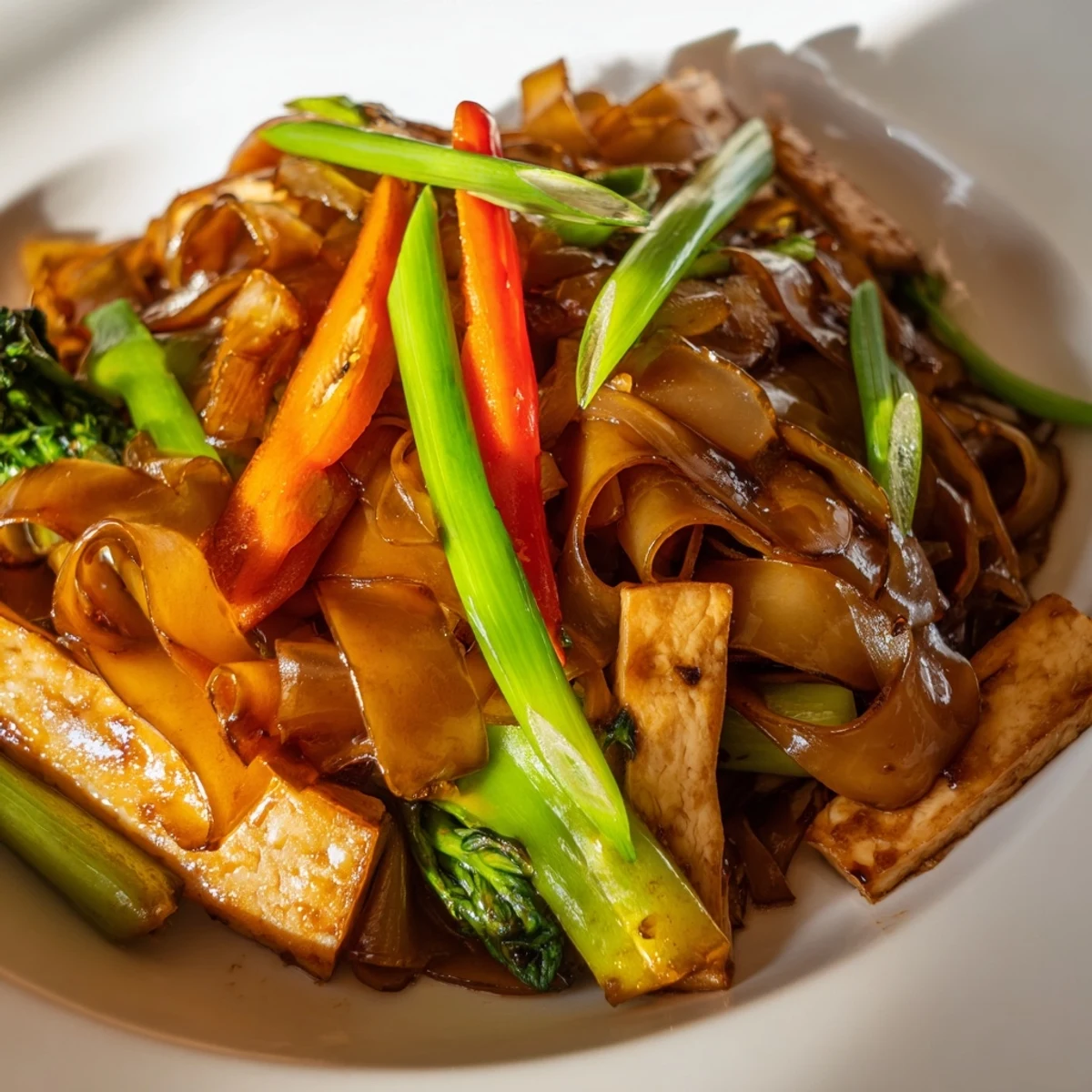
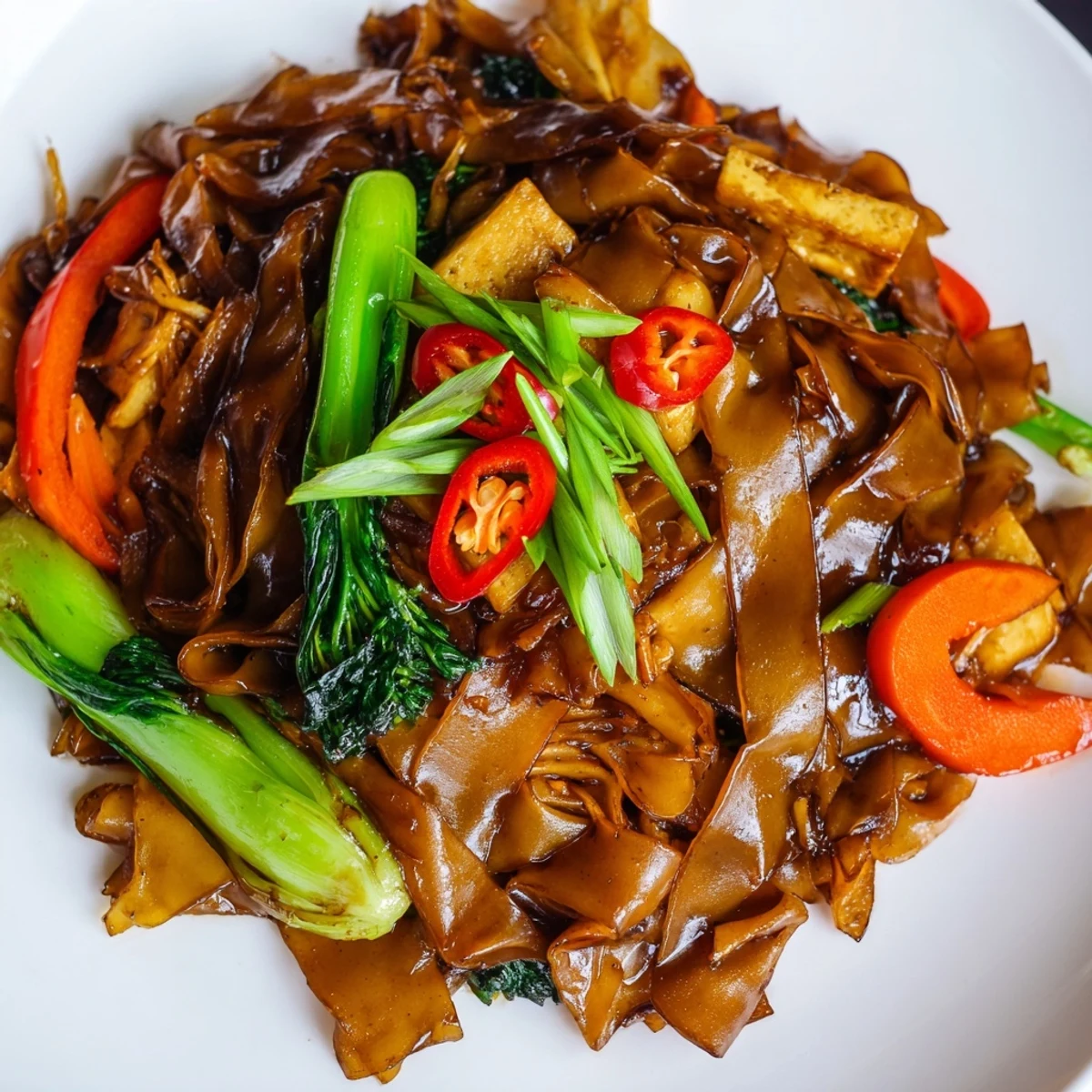
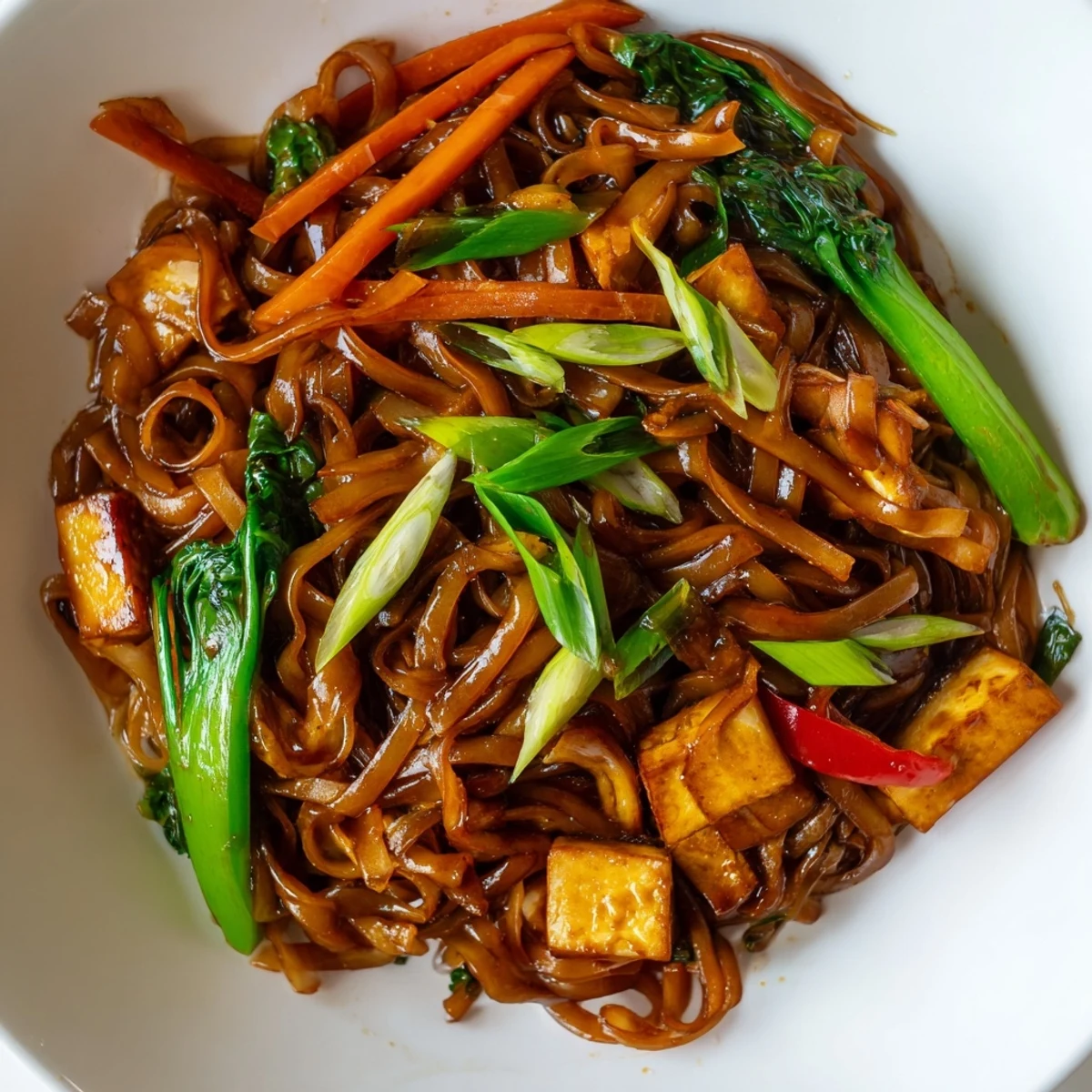
 This classic Thai street food features wide rice noodles wok-tossed with firm tofu, Chinese broccoli, carrots, and bell peppers in a deeply flavorful sauce made from light and dark soy sauces, vegan oyster sauce, and rice vinegar. The dish achieves restaurant-quality smokiness by cooking at high heat, allowing the noodles to lightly char while absorbing the savory-sweet glaze. Perfect for weeknight dinners, this customizable stir-fry comes together in just 30 minutes and serves two hungry people generously.
My tiny apartment kitchen was filled with the most incredible aroma as I recreated this dish after my first trip to Bangkok. I'd been craving those smoky, sweet, and savory noodles for months, watching countless videos and reading forums about getting that perfect wok hei. That first attempt was messy and my arms were sore from all the tossing, but one bite transported me right back to that bustling street corner where I first fell in love with Thai street food.
Last winter, my friend who swore she hated tofu came over for dinner. I made this recipe, and she literally stopped mid bite to ask what kind of meat I used. Watching her face light up when I told her it was plant based was one of those small kitchen victories that remind me why I love cooking so much. Now she requests this whenever she visits, and we've started experimenting with adding different vegetables based on whatever looks good at the market.
Ingredients
- Wide rice noodles: Fresh noodles give you that perfect chewy texture, but if you're using dried, soak them until pliable and they'll work beautifully too
- Firm tofu: Press it for 15 minutes before slicing to remove excess water, and you'll get those lovely golden edges that add so much texture
- Chinese broccoli: The stems add crunch while leaves wilt down into silky ribbons, though broccolini makes a fine substitute if you cant find gai lan
- Dark soy sauce: This is your secret weapon for that gorgeous mahogany color and deep caramel flavor that defines authentic pad see ew
- Vegan oyster sauce: Mushroom based versions deliver that rich umami punch without any seafood, creating layers of savory depth
Instructions
- Mix your sauce first:
- Whisk together the soy sauces, vegan oyster sauce, sugar, rice vinegar, and water until the sugar completely dissolves
- Prep your noodles:
- Cook fresh noodles briefly or soak dried ones until pliable, then drain and toss with a tiny bit of oil to keep them from clumping
- Heat your wok:
- Warm oil over medium high heat until it shimmers, then add garlic and let it sizzle for just 20 seconds until fragrant but not browned
- Crisp the tofu:
- Add tofu strips and cook undisturbed for 2 minutes before flipping, letting them develop a golden crust on both sides
- Add sturdy vegetables:
- Toss in broccoli stems, carrots, and bell pepper first, stir frying for 2 to 3 minutes until they start to soften but still retain crunch
- Combine everything:
- Add noodles and sauce, gently tossing with tongs or cooking chopsticks until every strand is coated in that glossy sauce
- Finish with greens:
- Throw in broccoli leaves last, cooking just 1 to 2 minutes until wilted but still vibrant
 Save to Pinterest
 This recipe has become my go to for introducing people to plant based cooking. Something about those smoky noodles and crisp vegetables just makes everyone happy, and I love seeing skeptics realize that vegan food can be incredibly satisfying and full of flavor.
Getting That Restaurant Style Char
The secret is cooking in smaller batches if your home stove isn't as powerful as a restaurant wok burner. Let the noodles sit undisturbed for a minute against the hot pan to develop those crispy, smoky edges that give pad see ew its characteristic wok hei flavor.
Making It Your Own
I love adding shiitake mushrooms for extra meatiness, or throwing in some snap peas for fresh crunch. You can also dial up the heat with more fresh chilies or add a drizzle of chili oil at the end for those who like it spicy.
Perfecting Your Sauce Balance
Taste your sauce before adding it to the wok and adjust as needed. Everyone's palate is different, and soy sauce brands vary in saltiness. Its easier to fix the balance in the bowl than once its coating the noodles.
- If your sauce seems too salty, add another pinch of sugar
- Too sweet? A splash more rice vinegar will brighten it right up
- Remember the sauce will concentrate slightly as it cooks with the noodles
 Save to Pinterest
 Theres something deeply satisfying about pulling this dish together, the way the sauce coats every strand of noodle and the vegetables retain that perfect crunch. Hope it becomes a staple in your kitchen like it has in mine.
Recipe Questions & Answers
- → What makes Pad See Ew different from other Thai noodle dishes?
-
Pad See Ew distinguishes itself through wide rice noodles stir-fried until slightly charred, creating a smoky flavor profile. The sauce combines light and dark soy sauces for depth, while the noodles maintain a chewy texture that absorbs the savory glaze beautifully.
- → Can I use dried rice noodles instead of fresh?
-
Absolutely. Soak dried wide rice noodles in warm water for 30-45 minutes until pliable, then boil briefly. Drain and toss with oil before adding to the wok. Fresh noodles offer the best texture, but properly prepared dried noodles work excellently.
- → What vegetables work best in this dish?
-
Chinese broccoli (gai lan) provides traditional bitterness and crunch, but broccolini, regular broccoli, bok choy, or baby kale make excellent substitutes. The key is separating stems from leaves, adding stems first for proper cooking time.
- → How do I achieve restaurant-style smokiness at home?
-
Heat your wok or skillet until smoking hot before adding ingredients. Allow the noodles to sit undisturbed for 30-45 seconds after adding to develop a slight char. This direct contact with hot metal creates the coveted wok hei flavor.
- → Is this dish gluten-free?
-
Yes, when using certified gluten-free soy sauce and vegan oyster sauce. Traditional soy sauce contains wheat, so look specifically for tamari or gluten-free varieties. Check all sauce labels carefully to ensure they meet your dietary needs.
- → Can I add more protein?
-
Definitely. Beyond tofu, consider adding shiitake mushrooms, edamame, or tempeh for additional plant-based protein. If not strictly vegan, sliced chicken, shrimp, or beef work wonderfully with the same sauce and technique.