
 Save to Pinterest
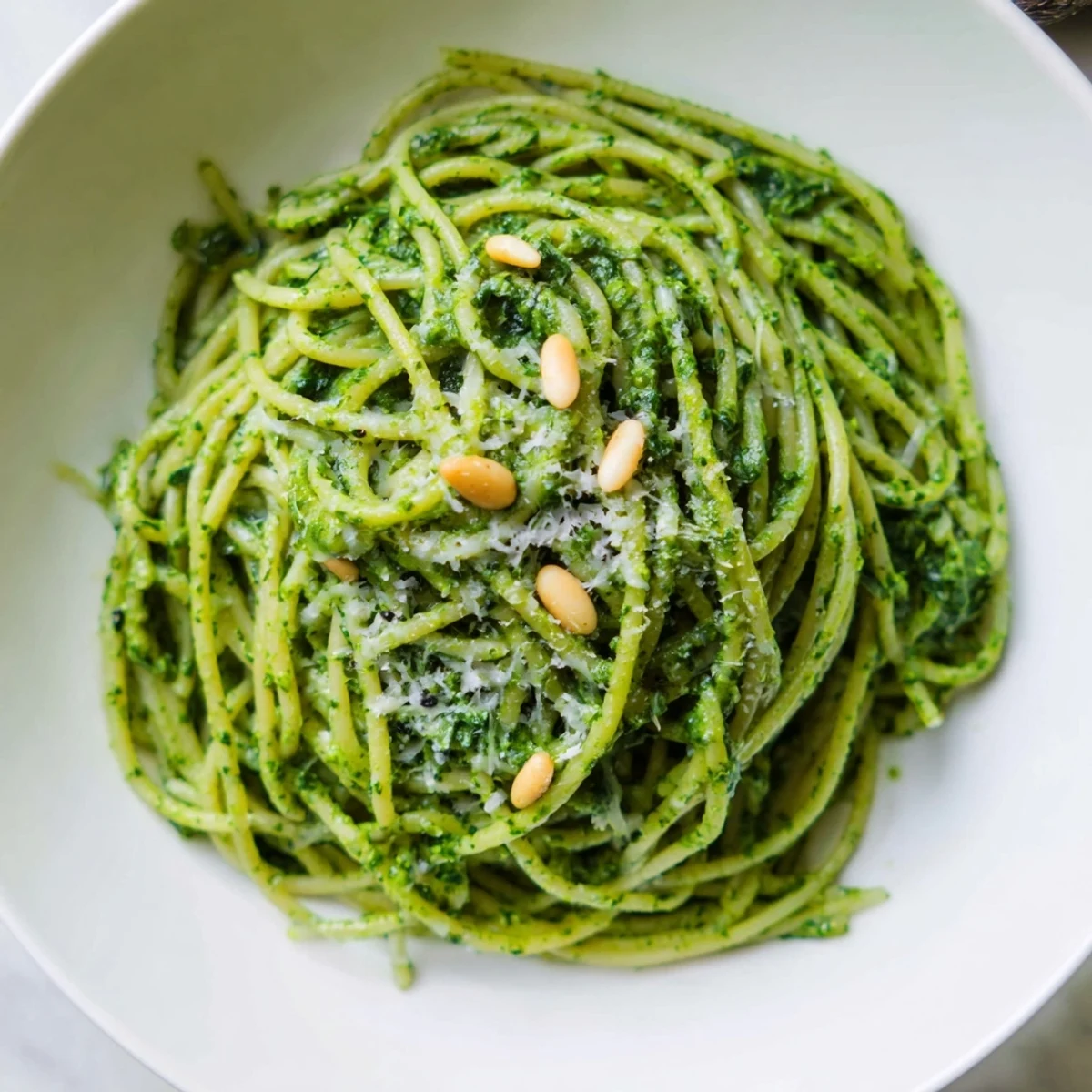
 This wild garlic pesto pasta brings the best of spring to your table in just 25 minutes. Fresh wild garlic leaves are blended with toasted pine nuts, Parmesan, and extra virgin olive oil into a vibrant green, fragrant pesto that coats every strand of pasta beautifully.
It's an easy, vegetarian dish perfect for busy weeknights or casual entertaining. A splash of lemon juice brightens the flavors, while reserved pasta water ensures a silky, restaurant-quality finish.
There is a short window in spring when wild garlic appears along riverbanks and woodland edges, and if you blink, you miss it. My neighbor Agata once showed up at my door with a grocery bag overflowing with the stuff, her hands still smelling like crushed green leaves and damp earth. We spent that entire afternoon blitzing batch after batch of pesto, staining every bowl in my kitchen a ridiculous shade of electric green. That spontaneous harvest dinner remains one of the best meals I have ever thrown together with almost no planning.
Agata and I laughed ourselves silly trying to photograph the finished pasta before it went cold, the light fading fast through my kitchen window while the fragrance of wild garlic filled every corner of the apartment.
Ingredients
- Wild garlic leaves (75 g): The star of the dish, rinse them thoroughly because they tend to hold onto grit from the forest floor.
- Toasted pine nuts (50 g): Walnuts work beautifully too, but pine nuts give a buttery sweetness that pairs perfectly with the greens.
- Freshly grated Parmesan (50 g): Grate it yourself rather than buying pre grated for better melting and sharper flavor.
- Garlic clove (1): Just one is enough since wild garlic already brings plenty of pungency.
- Extra virgin olive oil (100 ml): Use a decent one here because it is the body of the entire sauce.
- Lemon juice (half a lemon): A squeeze of acidity lifts everything and keeps the green color vivid.
- Salt and black pepper: Season gradually and taste as you go.
- Dried pasta (400 g): Spaghetti or linguine are ideal for coating with pesto, but penne works if that is what you have.
- Optional garnish: Extra Parmesan and cracked black pepper for finishing.
Instructions
- Boil the pasta:
- Bring a large pot of generously salted water to a rolling boil and cook the pasta according to the package until just al dente. Scoop out half a cup of that starchy water before draining because it is liquid gold for loosening the sauce later.
- Build the pesto base:
- Toss the wild garlic leaves, toasted pine nuts, Parmesan, and garlic clove into a food processor. Pulse until everything is roughly chopped and fragrant, scraping down the sides once or twice.
- Stream in the oil:
- With the motor running, pour the olive oil in a slow, steady stream through the feed tube until a smooth and vividly green paste forms. Add the lemon juice, season with salt and pepper, and give it a final pulse to bring it all together.
- Marry pasta and pesto:
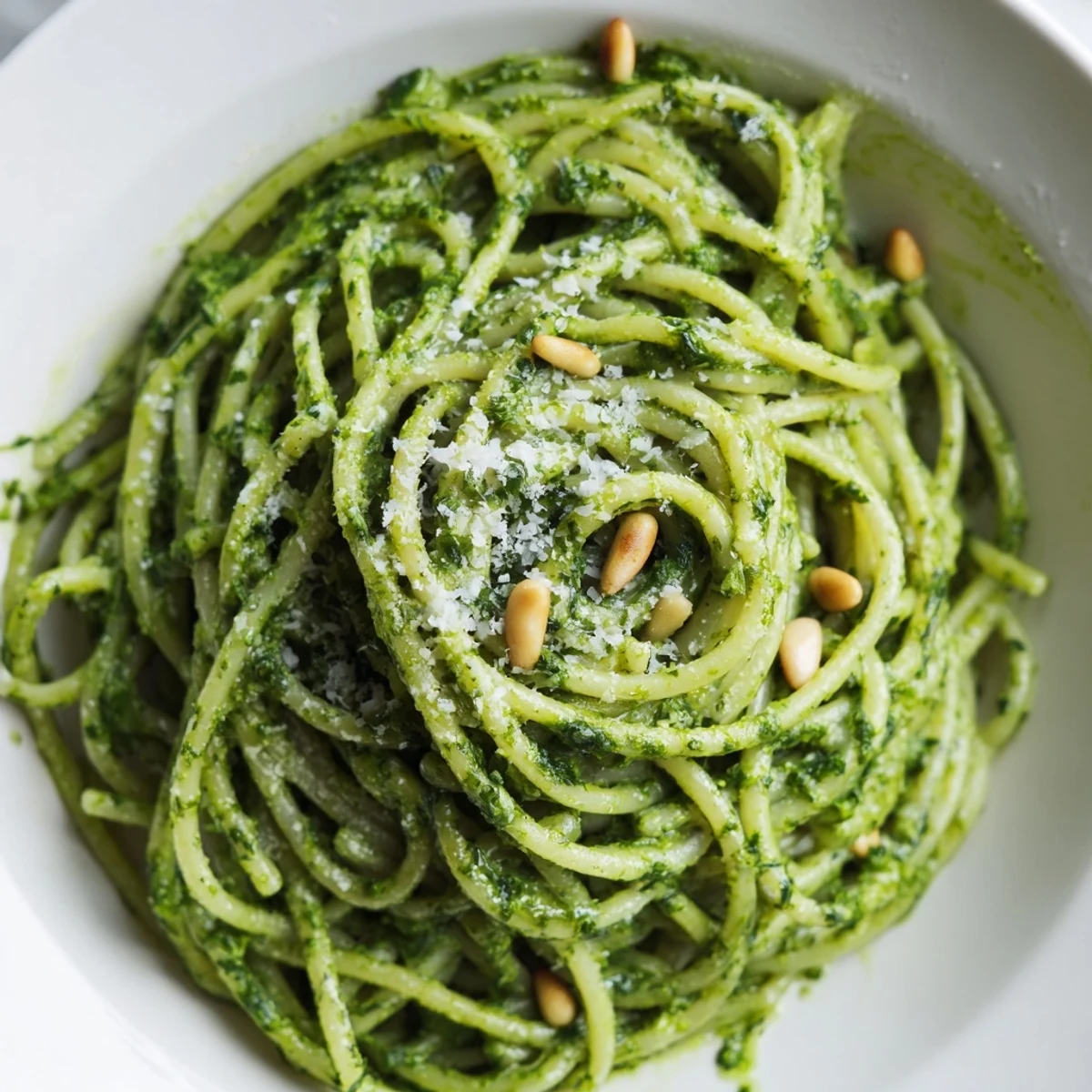
- Tumble the drained pasta back into the pot or a large bowl, spoon the pesto over it, and toss vigorously. Splash in reserved pasta water a little at a time until every strand is glossy and evenly coated.
- Plate and serve:
- Divide among bowls immediately and finish with extra grated Parmesan and a generous crack of black pepper if you like.
 Save to Pinterest
 That evening with Agata, we sat on my kitchen floor eating directly from the pot because the bowls were all used as props for the photographs we never got right.
What to Know About Wild Garlic
Wild garlic, also called ramps or bear leek depending on where you live, has a short season from late March through May. The leaves are the most versatile part and can be used raw or blitzed into sauces like this one. If foraging is not an option, check farmers markets or specialty grocers in spring, and as a last resort, a 50/50 mix of fresh basil and baby spinach with an extra garlic clove will get you close.
Making It Your Own
This recipe is wonderfully forgiving and invites improvisation. Toasted almonds or cashews are a budget friendly alternative to pine nuts and bring their own toasty warmth. For a vegan version, swap the Parmesan for nutritional yeast, which adds a surprisingly cheesy depth. You can also fold the pesto through roasted potatoes, spread it on crusty bread, or swirl it into a bowl of soup.
Getting the Texture Right
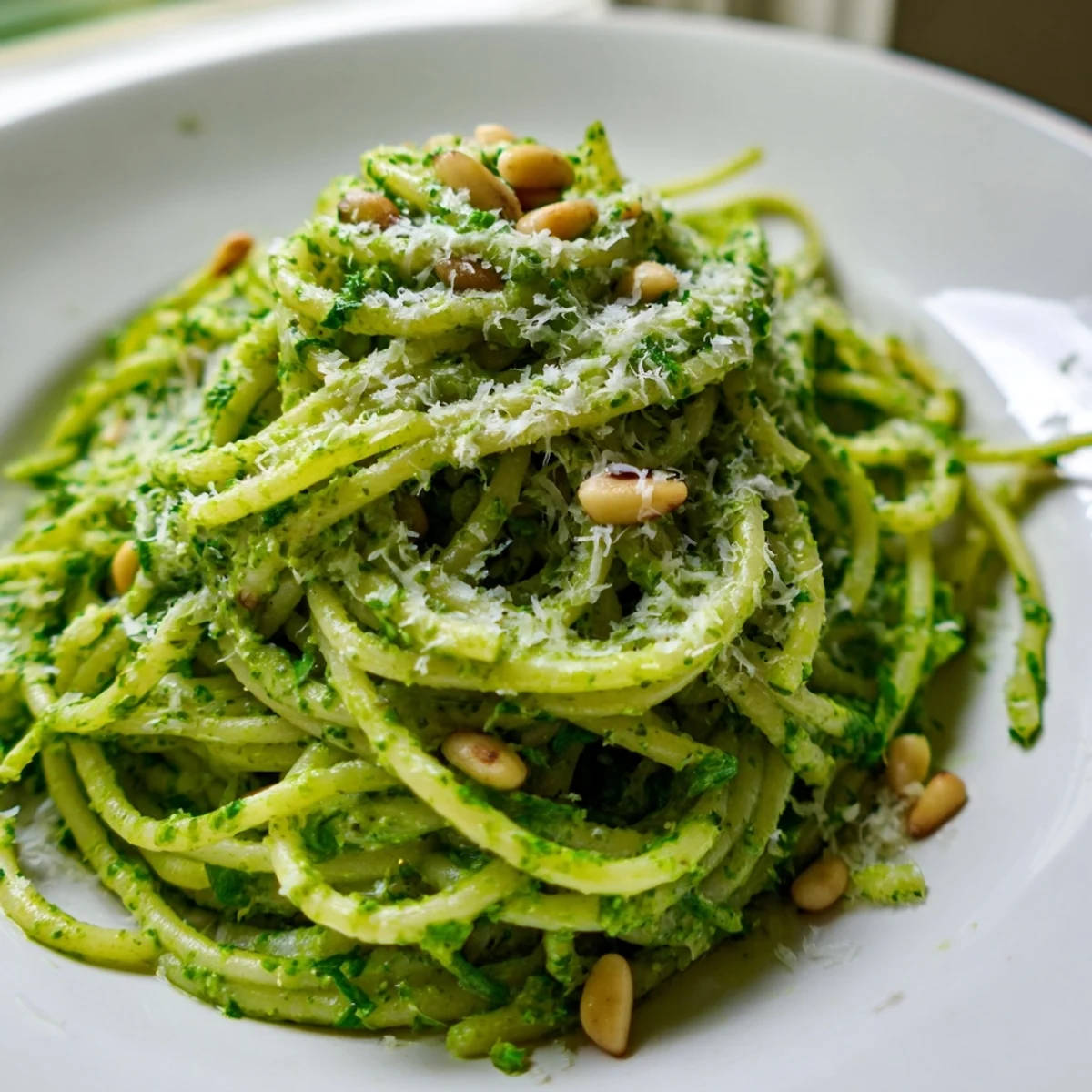
The consistency of your pesto is entirely a matter of preference, but I lean toward slightly rustic rather than completely smooth. A thicker pesto holds its own when tossed with hot pasta, while a looser one doubles beautifully as a dip or drizzle.
- Start with less oil than you think you need because you can always add more but cannot take it away.
- If the pesto feels too thick, a spoonful of pasta water will thin it perfectly without diluting flavor.
- Taste and adjust seasoning at the end because Parmesan is already salty and you may need less salt than expected.
 Save to Pinterest
 Every spring I make this at least twice, once for the freezer and once for dinner that night, and it always tastes like the season saying hello.
Recipe Questions & Answers
- → What does wild garlic taste like?
-
Wild garlic has a fresh, delicate garlic flavor with subtle onion and chive notes. It's milder and more nuanced than regular garlic, with a pleasant grassy sweetness that works beautifully in pesto.
- → Where can I find wild garlic leaves?
-
Wild garlic (also called ramsons) is in season from March to June. You can forage it in woodland areas, or find it at farmers' markets, specialty grocers, and some well-stocked supermarkets during spring.
- → Can I make the pesto ahead of time?
-
Yes, the pesto can be prepared up to 3 days in advance and stored in an airtight container in the refrigerator. Press a thin layer of olive oil on top to prevent oxidation and maintain its bright green color.
- → What pasta shapes work best with this pesto?
-
Long strands like spaghetti and linguine are classic choices that allow the pesto to coat evenly. Short shapes like penne or fusilli also work well, as their ridges and crevices catch and hold the pesto beautifully.
- → How do I keep the pesto from turning brown?
-
The lemon juice in the pesto helps preserve its vibrant green color. Additionally, storing it with a thin layer of olive oil on top and keeping it sealed from air will slow down oxidation significantly.
- → Can I freeze wild garlic pesto?
-
Absolutely. Freeze the pesto in ice cube trays for individual portions, then transfer to a freezer bag. It keeps well for up to 3 months. Thaw in the refrigerator before tossing with freshly cooked pasta.