
 Save to Pinterest
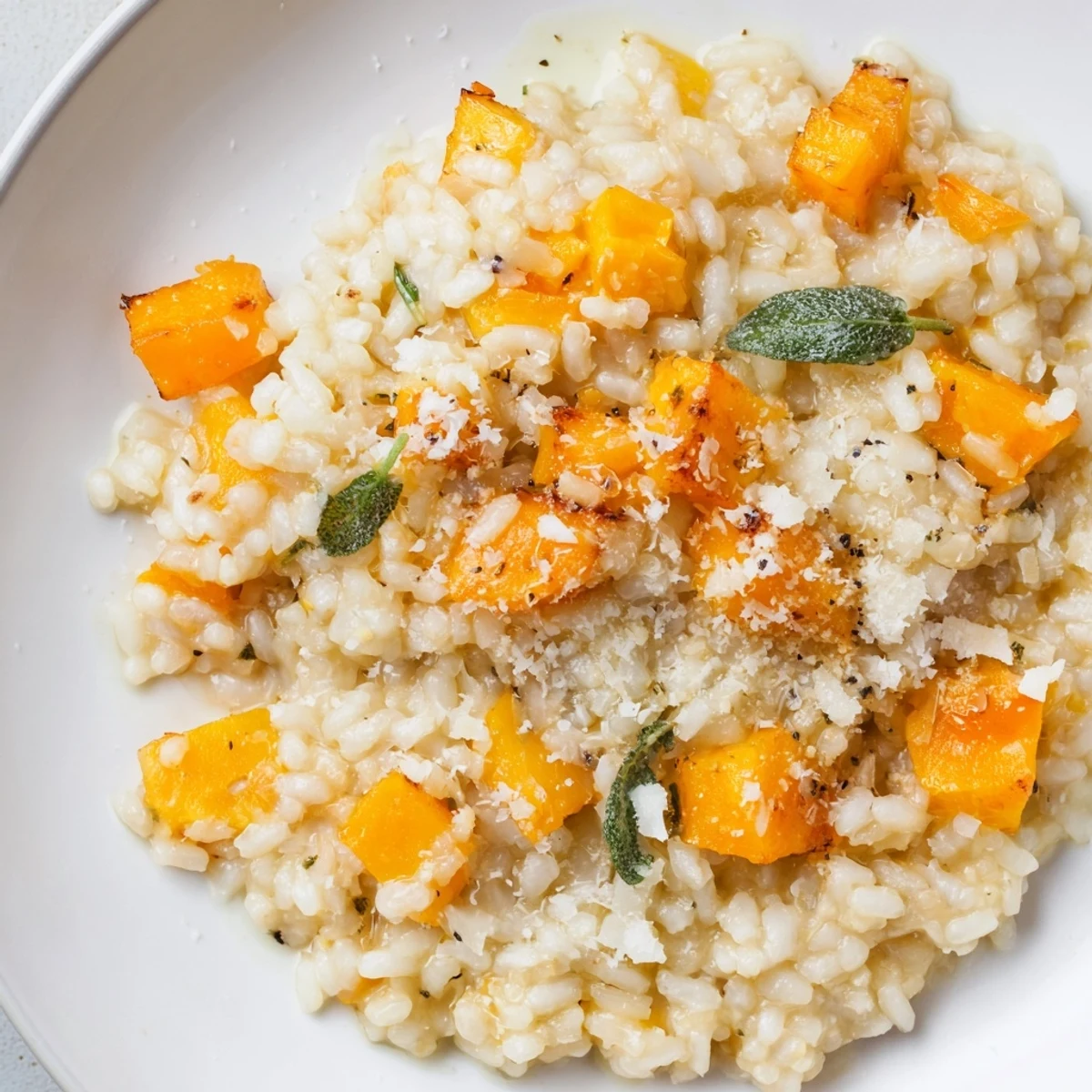
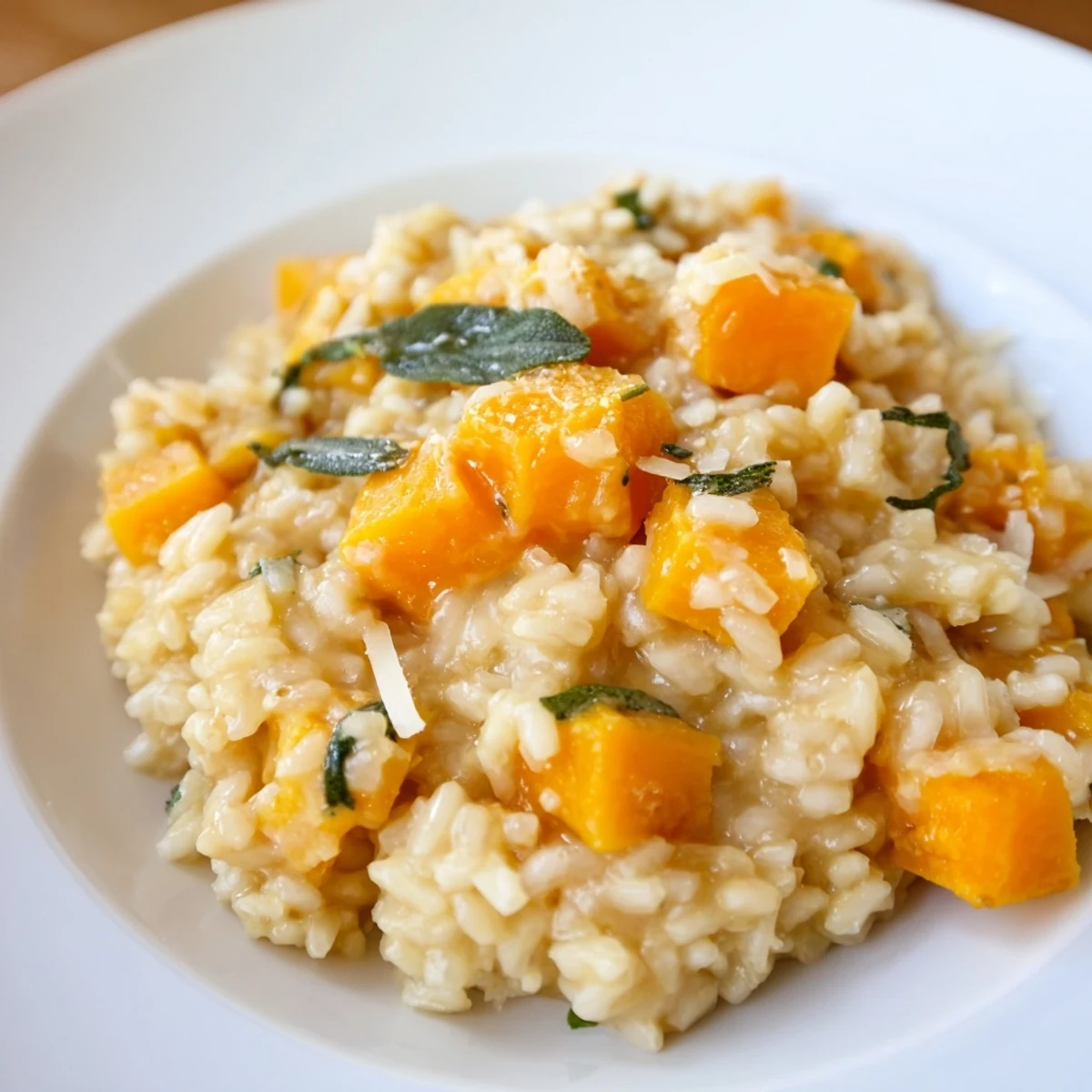
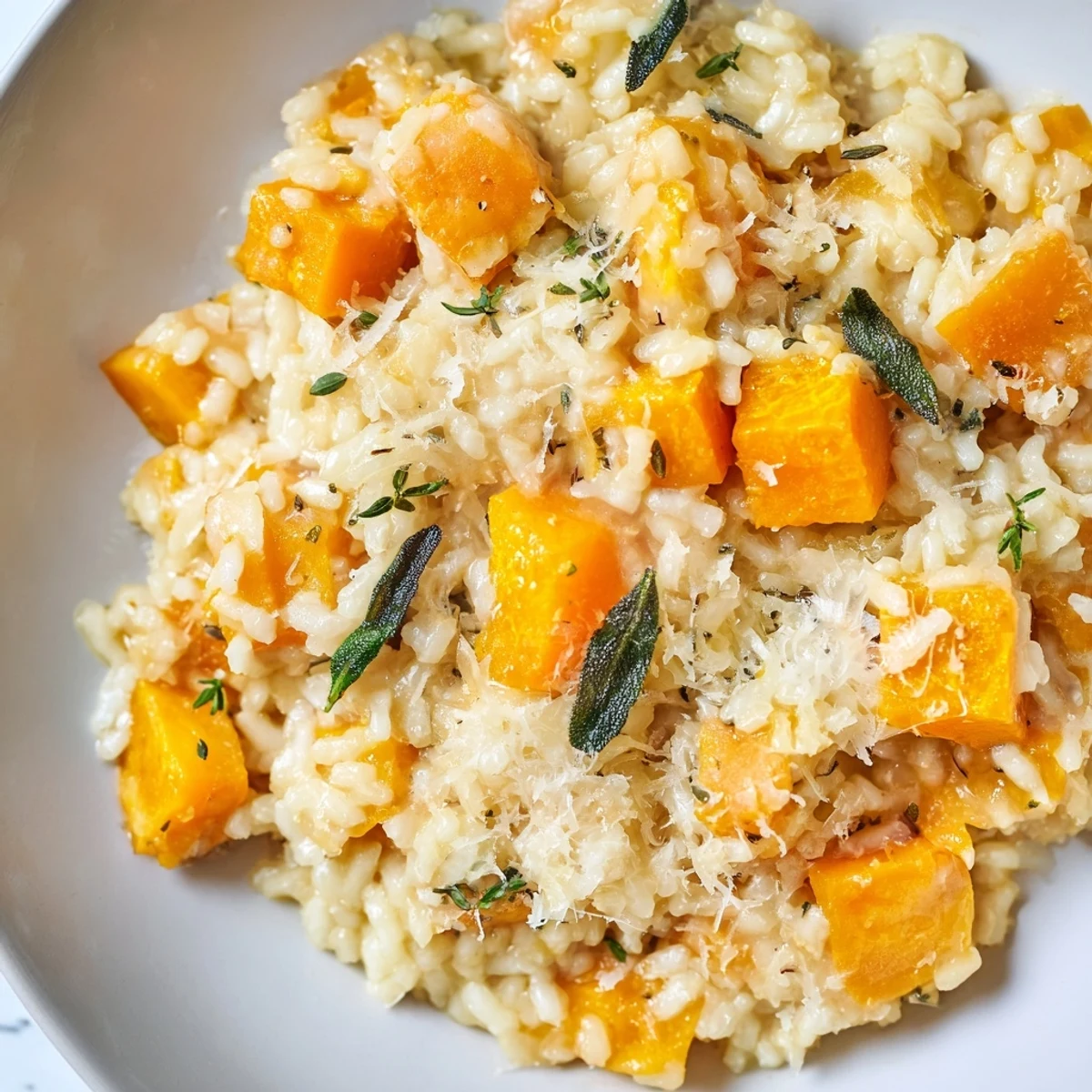
 This dish brings together tender winter squash and fragrant sage in a creamy Arborio rice base enhanced with Parmesan cheese. Slow cooking the rice in warm vegetable broth and white wine creates a rich, velvety texture. The balance of sweet squash and savory herbs makes it perfect for chilly days or comforting dinners. Butter and optional cream add depth, while garnishing with extra Parmesan and sage leaves elevates the flavors.
My tiny apartment kitchen was freezing that November, the old radiator clanking uselessly in the corner while I stirred a pot of something that smelled like autumn itself. I'd never made risotto before, but I'd watched my Italian neighbor do it through her open window countless times, her wooden spoon moving in that same steady, hypnotic rhythm. When my roommate walked in from the cold, she actually stopped dead in her tracks, saying 'please tell me that's for dinner.' The risotto was barely passable that first time, but the way the sage perfumed the whole space made me feel like I'd discovered something ancient and comforting.
Last year, my cousin showed up unexpectedly during a snowstorm with nothing but a bottle of wine and her appetite. We stood in the kitchen taking turns with the ladle, her jacket still damp from melting snowflakes, talking about everything and nothing while the risotto slowly came together. She still messages me every November asking when 'the squash risotto night' is happening, like it's become some kind of unofficial holiday between us.
Ingredients
- 1 small winter squash: I've learned that butternut gives the creamiest result, but acorn squash adds this lovely subtle sweetness that makes people ask 'what did you put in this'
- 1 small yellow onion: Finely chopped is key here because you want it to melt away into the rice rather than having distinct onion pieces
- 2 cloves garlic: Minced fresh, never jarred—the difference in flavor is worth the thirty seconds of chopping
- 1½ cups Arborio rice: Do not substitute with regular rice, I learned this the hard way and ended up with something closer to squash soup than risotto
- 5 cups vegetable broth: Keep it warm in a separate pot, which is one of those small annoying steps that actually makes a massive difference in how the rice absorbs the liquid
- ½ cup dry white wine: Something you'd actually drink, because the flavor really does come through in the final dish
- 3 tbsp unsalted butter: Divided use is crucial here—one tablespoon for the aromatics and the rest at the end for that glossy finish
- ½ cup freshly grated Parmesan cheese: Buy the wedge and grate it yourself, pre-grated has anti-caking agents that keep it from melting properly
- 2 tbsp heavy cream: Completely optional, but I've found it makes the texture restaurant-perfect
- 2 tbsp fresh sage leaves: Fresh matters so much here, dried sage has a totally different character that can taste a bit dusty
- 2 tbsp olive oil: For the initial cooking base, it helps prevent the butter from burning too quickly
Instructions
- Build your flavor foundation:
- Heat the olive oil and 1 tablespoon butter in a large heavy-bottomed saucepan over medium heat until the butter foams, then add the chopped onion and let it soften until it's completely translucent but not browned
- Add the aromatics and squash:
- Stir in the garlic and diced squash, cooking for about 5 minutes and stirring occasionally until the squash starts to soften and you can smell the garlic becoming fragrant
- Toast the rice:
- Add the Arborio rice and stir constantly for 2 minutes, watching the grains become slightly translucent at the edges and develop a nutty aroma
- Deglaze with wine:
- Pour in the white wine and keep stirring until it's mostly absorbed, scraping up any bits that might have stuck to the bottom
- The risotto ritual begins:
- Add the warm broth one ladleful at a time, stirring frequently and waiting until most liquid is absorbed before adding more, continuing until the rice is creamy with a slight bite and the squash is very tender
- The grand finish:
- Stir in the chopped sage, remaining butter, Parmesan cheese, and heavy cream if using, then season generously with salt and pepper until everything tastes perfectly balanced
- Let it rest:
- Remove from heat, cover, and let it sit for 2 minutes, which helps everything settle and become even creamier
- Serve with love:
- Plate it hot with extra Parmesan shaved on top and a couple of fresh sage leaves so it looks as good as it tastes
 Save to Pinterest
 Something happened the third or fourth time I made this risotto, where it finally clicked and I stopped thinking so hard about the technique and started actually enjoying the process. Now making risotto has become this meditative thing I do when I need to decompress, the rhythm of stirring and smelling and tasting until everything feels right.
The Roasting Secret
I discovered by accident one day when I had extra roasted squash from another recipe that adding roasted cubes instead of raw creates this incredible depth of flavor. The squash develops these caramelized edges that add a sweetness you just cannot get from the raw method, and now I often roast my squash ahead of time even though it's an extra step.
Choosing Your Squash
After years of experimentation, I've settled on butternut for reliability and delicata for when I'm feeling fancy and want edible skins. Butternut wins on texture every single time, becoming practically velvety as it cooks, while acorn squash holds its shape better if you prefer distinct squash pieces throughout.
Wine Selection Wisdom
Through some truly regrettable batches, I've learned that the wine you cook with matters more than most recipes let on. A wine you wouldn't enjoy drinking will not magically transform into something delicious in your risotto.
- Pinot Grigio is my reliable go-to for its clean, bright profile that doesn't compete with the sage
- Sauvignon Blanc works beautifully if you want something with a bit more grassy brightness
- Avoid oaky Chardonnays—the wood flavors can taste strange and jarring against the delicate sweetness of the squash
 Save to Pinterest
 This risotto has become my answer to practically every comfort food craving, and I hope it finds its way into your regular rotation too.
Recipe Questions & Answers
- → What type of squash works best?
-
Butternut or acorn squash are ideal due to their sweetness and texture, but kabocha or delicata can also be used.
- → Can I roast the squash first?
-
Roasting the squash before mixing it in enhances its sweetness and adds a deeper flavor.
- → How do I achieve a creamy texture?
-
Slowly adding warm broth to Arborio rice and stirring constantly helps release starches, creating a creamy consistency.
- → What role does the white wine play?
-
White wine adds acidity and complexity, balancing the richness of butter and Parmesan.
- → Are there vegan alternatives?
-
Use plant-based butter and cheese substitutes and omit cream for a vegan-friendly version.
- → How to properly season the dish?
-
Season with salt and freshly ground black pepper to taste after adding all ingredients for balanced flavor.