
 Save to Pinterest
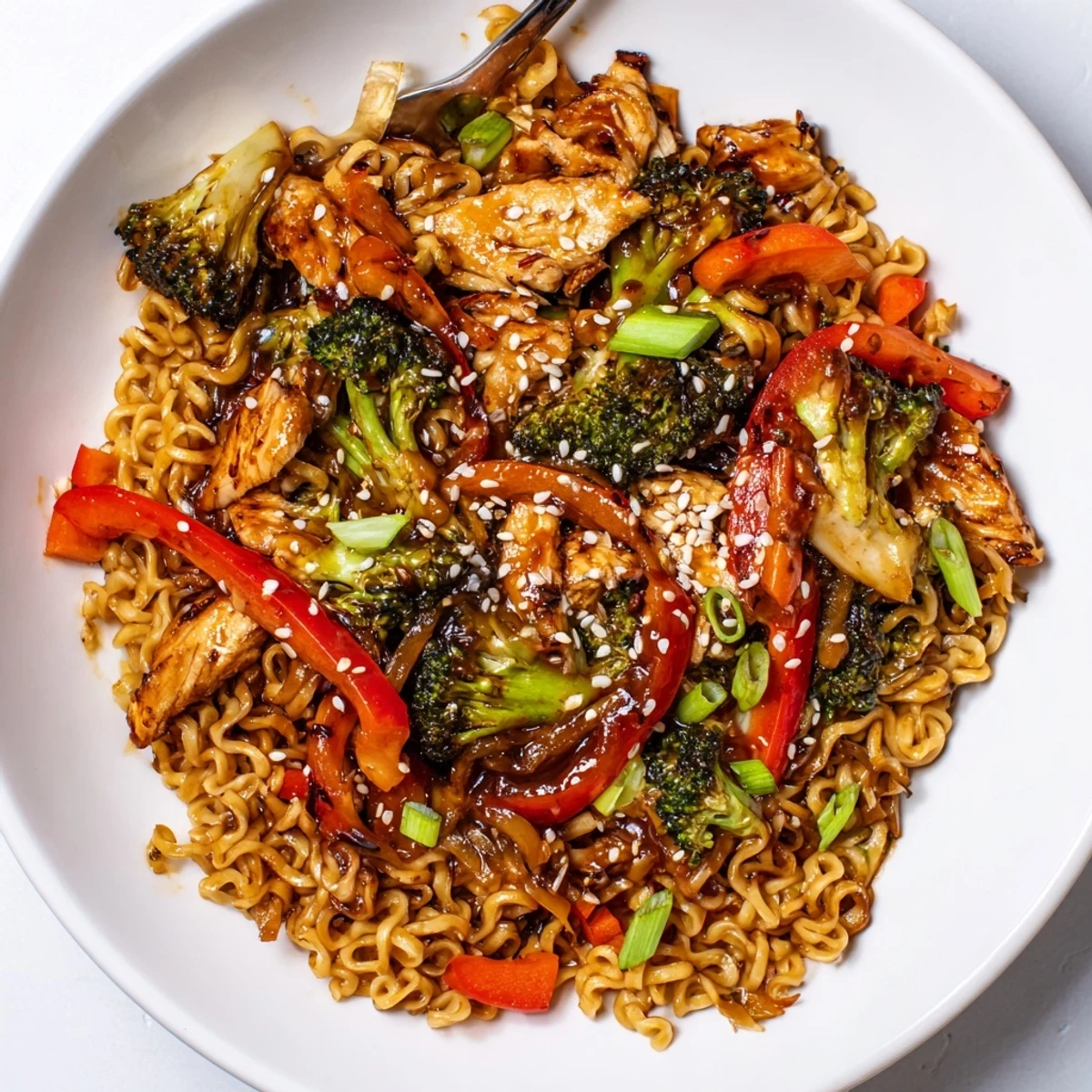
 Start by whisking soy, oyster, hoisin, honey and sesame oil into a glossy sauce, then par-cook ramen and chill to stop cooking. Heat oil in a large skillet or wok and sear thin chicken slices until browned; set aside. Stir-fry garlic, bell pepper, broccoli and carrot until crisp-tender, return the chicken and noodles, add green onions and sauce, and toss over high heat until evenly coated. Finish with toasted sesame seeds and a squeeze of lime or a pinch of chili flakes to brighten flavors. Use tofu or shrimp for a protein swap and gluten-free noodles with tamari if needed.
My wok has seen better days, seasoned through years of chaotic weeknight dinners and one particularly memorable attempt at flipping noodles that ended with ramen stuck to my kitchen ceiling. This chicken ramen stir fry was born on a Tuesday when the fridge offered half a bell pepper, some aging broccoli, and a packet of instant ramen I had been ignoring for weeks. Thirty minutes later I was eating something genuinely exciting off a chipped plate, wondering why I ever bother with takeout.
I made this for my neighbor Dave once when his power went out and he wandered over looking pitiful with a bag of groceries he had no way to cook. We stood in my kitchen eating straight from the wok with chopsticks, leaning against the counter, barely talking because our mouths were full. He now texts me roughly every ten days asking when I am making that noodle thing again.
Ingredients
- 2 boneless skinless chicken breasts thinly sliced: Slice against the grain on a slight bias for maximum tenderness, and do not skip the thin part because thick chunks will not brown properly in a stir fry.
- 1 red bell pepper thinly sliced: Red specifically because it brings a sweetness and vivid color that green or yellow simply cannot match here.
- 1 cup broccoli florets: Cut them small so they cook through in the quick sauté without turning to mush.
- 1 carrot julienned: A sharp knife and steady patience give you those satisfying thin strips that cook evenly and look beautiful tangled in the noodles.
- 3 green onions sliced: Save a handful of the dark green ends for garnish because eating with your eyes matters even on a random Wednesday.
- 2 cloves garlic minced: Fresh garlic only, the jarred stuff tastes flat and dusty by comparison.
- 2 packs instant ramen noodles discard seasoning packets: Those little foil seasoning pouches go straight in the trash because the real sauce handles all the flavor work.
- 1/4 cup low-sodium soy sauce: Low-sodium lets you control the salt level without accidentally creating a sodium bomb.
- 2 tablespoons oyster sauce: This is the ingredient that makes people close their eyes and ask what is in this, so do not leave it out.
- 1 tablespoon hoisin sauce: Adds a gentle sweetness and body that rounds out the sharper soy and oyster notes.
- 1 tablespoon honey: Helps the sauce cling to every noodle and gives a subtle caramelized edge during the final toss.
- 1 teaspoon sesame oil: A little goes a long way and it perfumes the entire dish with that unmistakable toasty aroma.
- 2 tablespoons vegetable oil: Divided between cooking the chicken and the vegetables so nothing sticks and everything gets a proper sear.
- 1 tablespoon sesame seeds optional for garnish: Toast them in a dry pan for sixty seconds and you will never go back to raw sesame seeds again.
Instructions
- Build Your Sauce:
- Whisk together the soy sauce, oyster sauce, hoisin, honey, and sesame oil in a small bowl until the honey dissolves completely, then set it aside and resist the urge to taste it seventeen times.
- Boil the Noodles:
- Cook the ramen according to package directions but pull them one minute early because they will finish cooking in the wok and nobody wants gummy noodles. Drain and rinse under cold water to halt the cooking and wash off excess starch.
- Sear the Chicken:
- Heat one tablespoon of vegetable oil in your wok or large skillet over medium-high heat until it shimmers, then add the sliced chicken in a single layer and let it sit undisturbed for a minute so it actually browns. Cook four to five minutes total, turning once, then remove to a plate.
- Sauté the Vegetables:
- Add the remaining oil to the same pan and toss in the garlic, bell pepper, broccoli, and carrot, stirring constantly for three to four minutes until the vegetables are just tender with a slight bite remaining. You want vivid color and crunch, not a sad wilted mess.
- Bring It All Together:
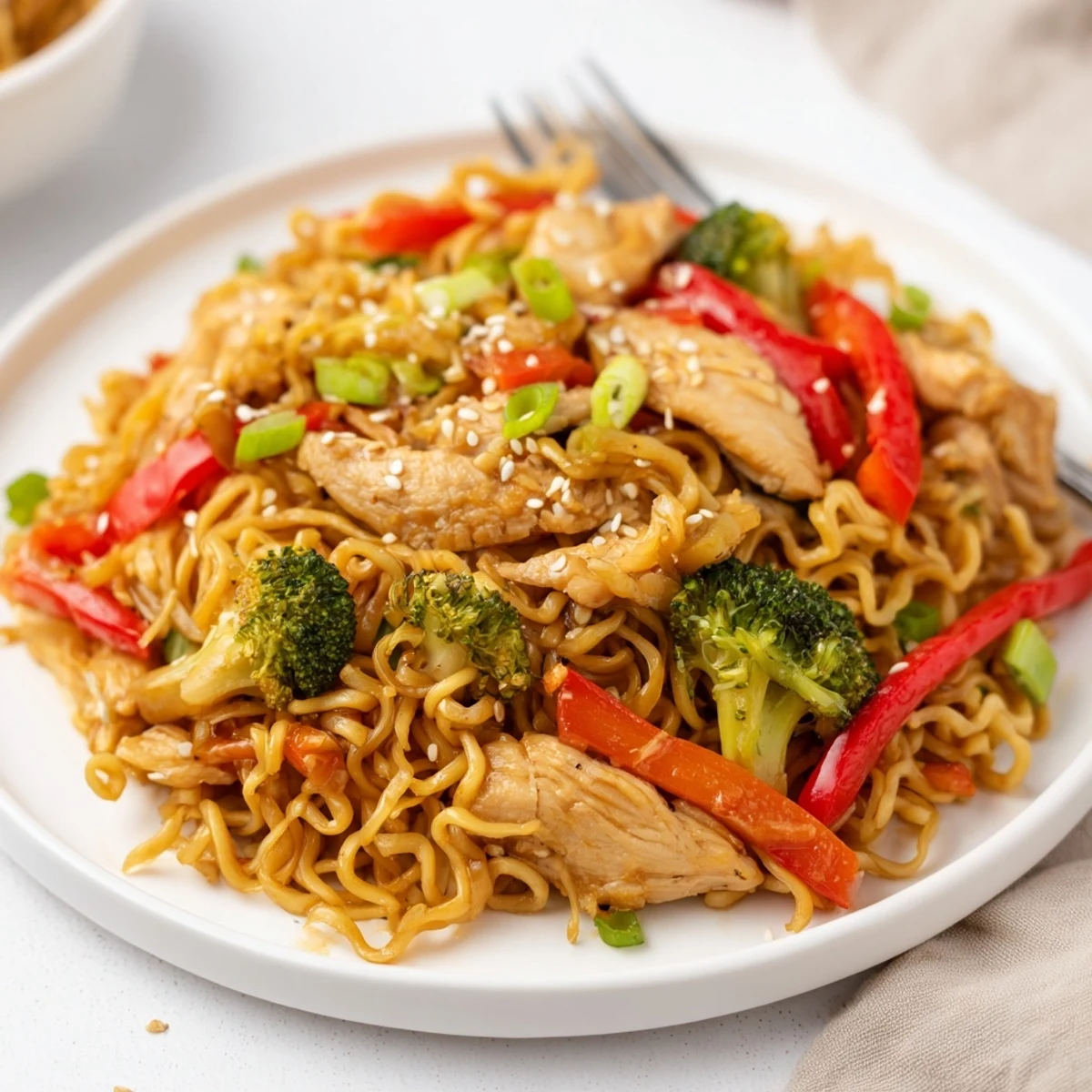
- Return the chicken to the pan, add the drained noodles, sliced green onions, and pour the sauce over everything, then toss aggressively with tongs for two to three minutes until every strand and every piece wears a glossy coat of sauce and the whole kitchen smells incredible.
- Serve and Finish:
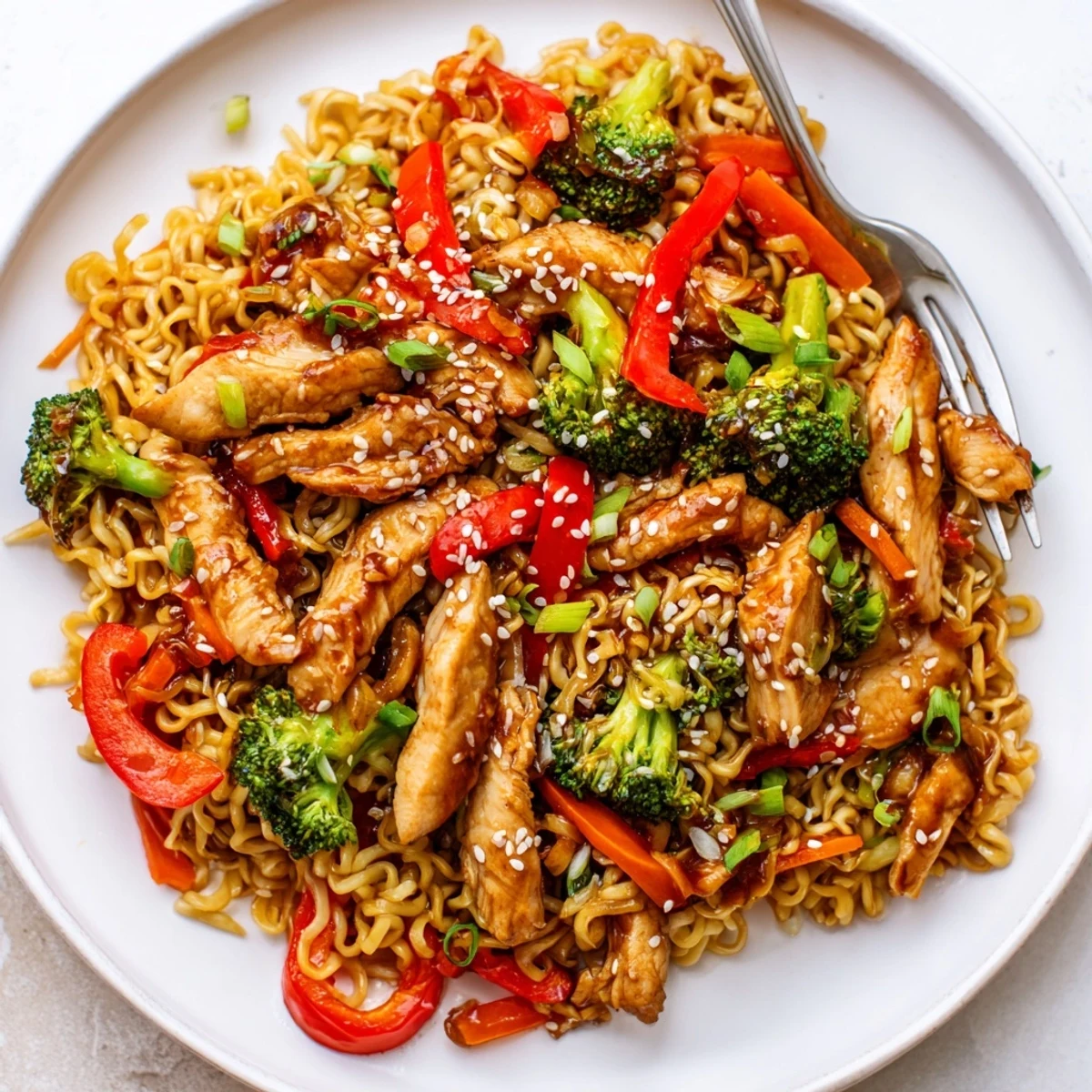
- Plate immediately and shower with toasted sesame seeds if you are feeling fancy, because this dish waits for no one and the textures are best the moment it leaves the pan.
 Save to Pinterest
 There is something quietly powerful about a meal that costs next to nothing and makes everyone at the table go quiet with appreciation. This stir fry has become my answer to the question of what to cook when I am tired, broke, or both, and it has never once let me down.
Making It Your Own
The beauty of this recipe is how forgiving it is when you start substituting based on whatever needs to be used up in your crisper drawer. I have thrown in snap peas, sliced mushrooms, shredded cabbage, and even handfuls of baby spinach at the last second with excellent results. The sauce is sturdy enough to handle variation, so treat the vegetable list as a suggestion rather than a law.
What to Pour Alongside
A cold crisp Riesling cuts through the richness of the sauce beautifully, and a light lager works just as well if beer is more your speed. I once served this with an overly ambitious IPA and the bitterness fought with the hoisin in a way that taught me to stick with cleaner, simpler drinks alongside bold Asian flavors.
Leftovers and Reheating
This reheats surprisingly well if you store the noodles and sauce separately from the vegetables, though honestly in my house there are rarely leftovers to worry about. A quick splash of water and a minute in a hot skillet brings day-old ramen stir fry back to life without turning it into a sticky clump.
- Add a squeeze of fresh lime juice at the end to brighten everything up.
- A soft fried egg on top turns leftovers into an entirely new meal worth being excited about.
- Remember that the textures are best fresh, so cook only what you plan to eat that day.
 Save to Pinterest
 Keep this recipe in your back pocket for the nights when cooking feels like a chore but you still want something genuinely good to eat. It rewards minimal effort with outsized flavor, and that is the best kind of cooking I know.
Recipe Questions & Answers
- → Can I swap the chicken for another protein?
-
Yes. Firm tofu works well if pressed and pan-seared; shrimp can be added near the end to avoid overcooking. Adjust sear times so proteins stay tender and flavorful.
- → How do I keep the noodles from getting soggy?
-
Par-cook the noodles and rinse under cold water to stop cooking. Toss briefly in hot oil or the sauce over high heat just before serving to reheat without breaking down texture.
- → How can I reduce the saltiness of the sauce?
-
Use low-sodium soy sauce and taste as you go. Add a touch more honey or a splash of water to mellow intensity, or increase vegetables and noodles to balance the seasoning.
- → Which vegetables cook best for this stir-fry?
-
Quick-cooking, firm vegetables like bell pepper, broccoli florets, carrots and snap peas work best. Cut pieces thin and uniform so everything reaches crisp-tender at the same time.
- → Can this be made ahead and reheated?
-
Prep sauce, chop vegetables and cook noodles ahead, storing separately. Reheat quickly in a hot skillet or wok, adding ingredients just long enough to heat through to avoid limp vegetables.
- → What about allergens and gluten-free swaps?
-
Oyster sauce and soy contain shellfish and wheat. Use gluten-free noodles and tamari, and swap oyster sauce for a mushroom-based or coconut aminos blend to avoid shellfish.