
 Save to Pinterest
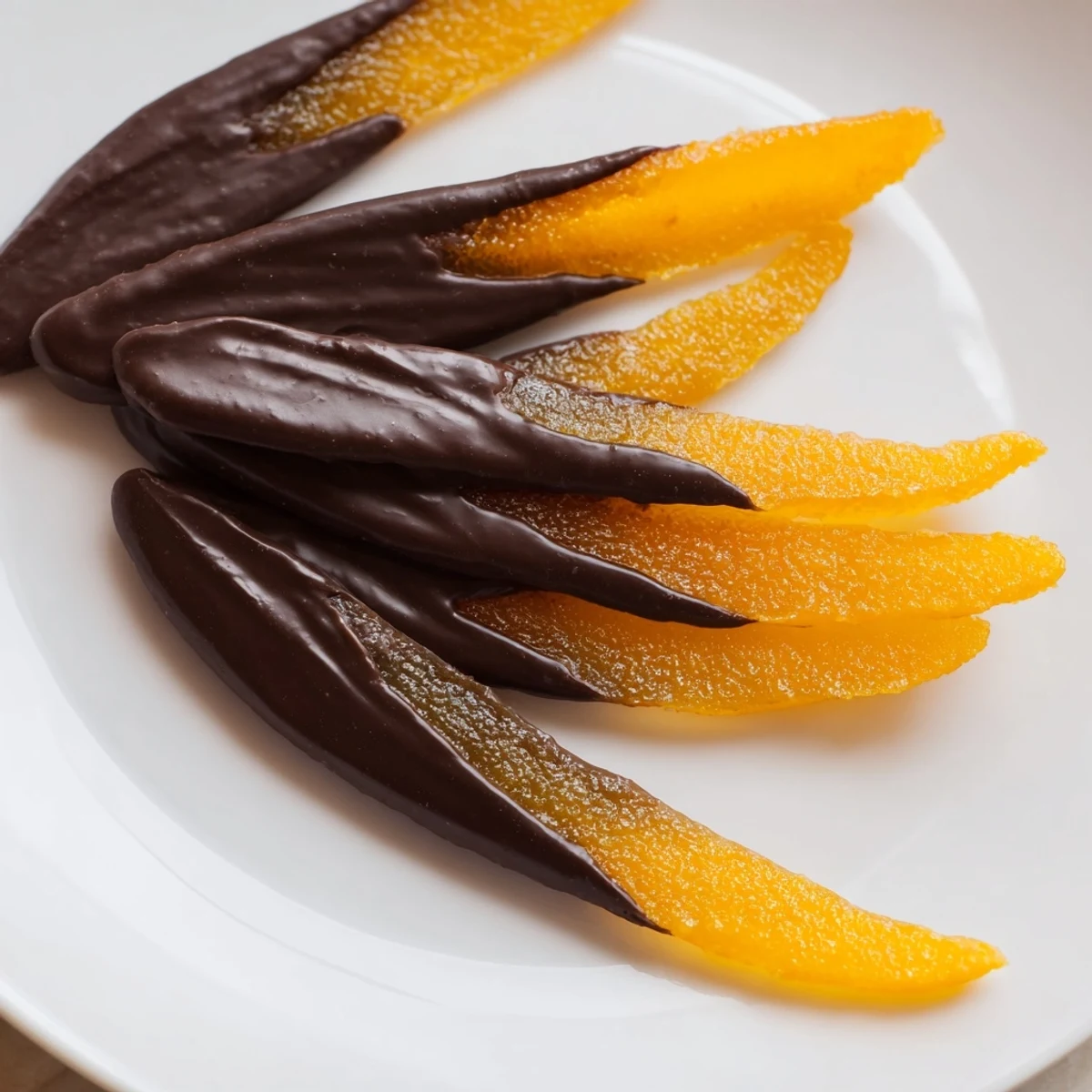
 These chocolate covered orange peels transform simple citrus into an elegant confection. Fresh orange peels are blanched multiple times to remove bitterness, then slowly simmered in sugar syrup until translucent and tender.
Once dried, each candied strip is dipped halfway into melted dark chocolate and left to set. The result is a beautiful balance of sweet, tangy citrus and rich, slightly bitter chocolate.
A classic European treat that requires patience but minimal skill, perfect for holiday gifting, dessert platters, or pairing with espresso and dessert wine.
The smell of oranges simmering in sugar syrup is the kind of thing that makes neighbors knock on your door and ask what on earth you are making. I stumbled into candying orange peels one winter when a recipe called for just the juice and I could not bear to throw away those beautiful, fragrant skins. Three batches later, I had covered every strip in dark chocolate and eaten most of them before anyone else got home. It has been a cold season ritual ever since.
I brought a tin of these to a holiday potluck expecting them to disappear into the dessert table crowd, but they were the first plate emptied. Someone actually hid a few in their coat pocket for later, which felt like the highest compliment I have ever received for something made from garbage-bound orange peels.
Ingredients
- 3 large oranges, preferably organic: You need thick skinned oranges with a lot of aromatic oil in the peel. Organic matters here because you are literally eating the exterior.
- 2 cups (400 g) granulated sugar: Standard white sugar creates a clear, clean syrup that lets the orange flavor shine without muddying it.
- 1 cup (240 ml) water: Just enough to dissolve the sugar and give the peels room to swim and soften evenly.
- 200 g dark chocolate (60 to 70 percent cocoa), chopped: This percentage range balances bitterness against the sweetness of the candied peel perfectly.
Instructions
- Prepare the peels:
- Wash each orange thoroughly under warm water, scrubbing gently. Slice off the top and bottom so the fruit sits flat, then score the skin into four vertical sections and peel them away, keeping a thin layer of white pith attached because it adds that chewy texture you want.
- Cut into strips:
- Lay each peel section flat on your board and slice it into uniform strips about half a centimeter wide. Consistent width means even cooking, so take your time with this part.
- Blanch three times:
- Pile the strips into a saucepan, cover them with cold water, and bring everything to a rolling boil before draining completely. Repeat this two more times and you will notice the sharp bitterness mellowing with each round, leaving pure orange fragrance behind.
- Candy in syrup:
- In a clean saucepan, stir the sugar and water over medium heat until the sugar fully dissolves and the liquid runs clear. Slide in the blanched peels, drop the heat to a gentle simmer, and let them cook uncovered for 45 to 60 minutes, stirring occasionally, until they look glassy and translucent.
- Dry the peels:
- Lift each strip out with tongs and arrange them on a wire rack so air can circulate all the way around. Leave them at room temperature for at least two hours, though overnight drying gives you the best texture for dipping.
- Melt the chocolate:
- Set a heatproof bowl over a pot of barely simmering water, making sure the bottom of the bowl never touches the water surface. Add the chopped chocolate and stir occasionally until it melts into a glossy, smooth pool with no lumps remaining.
- Dip and finish:
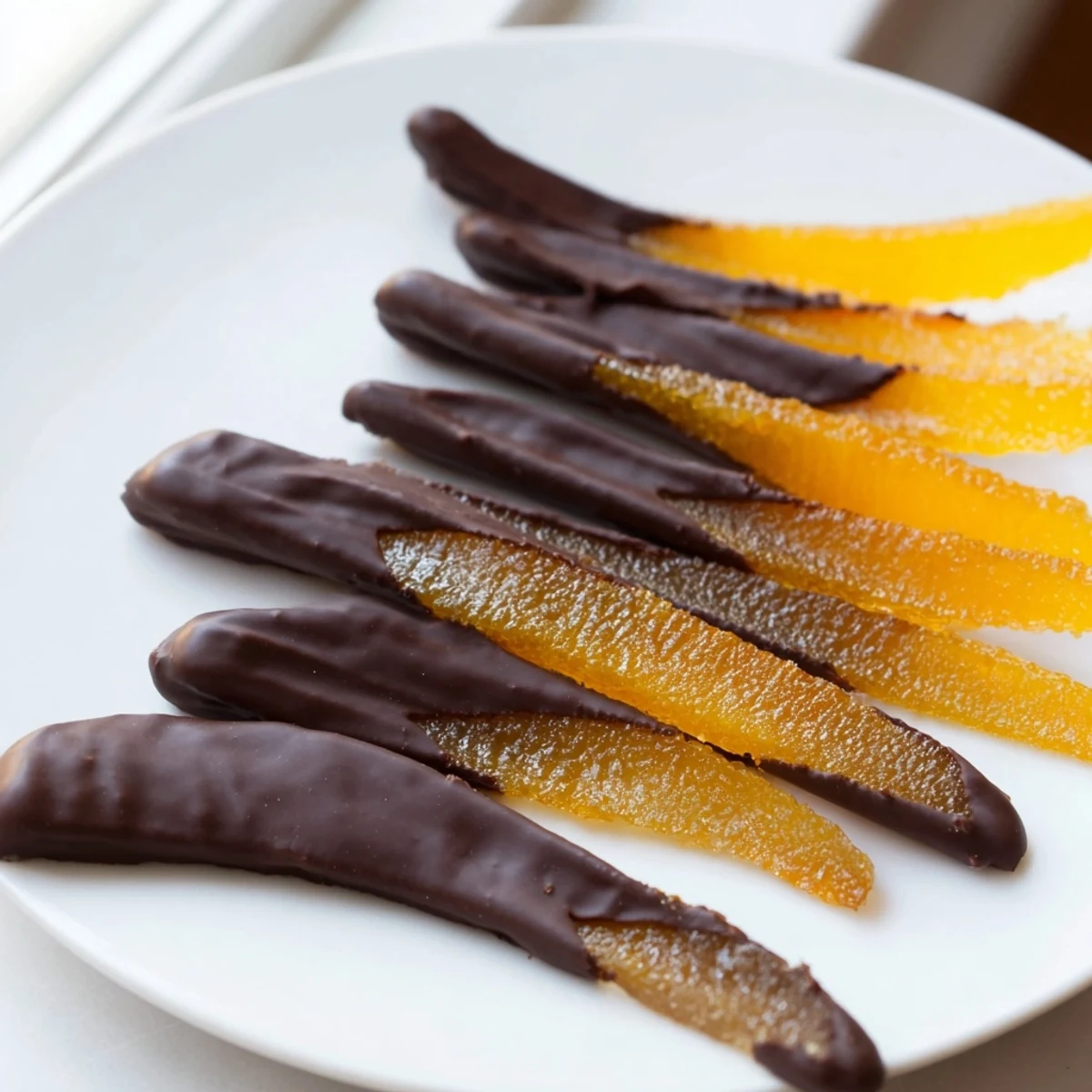
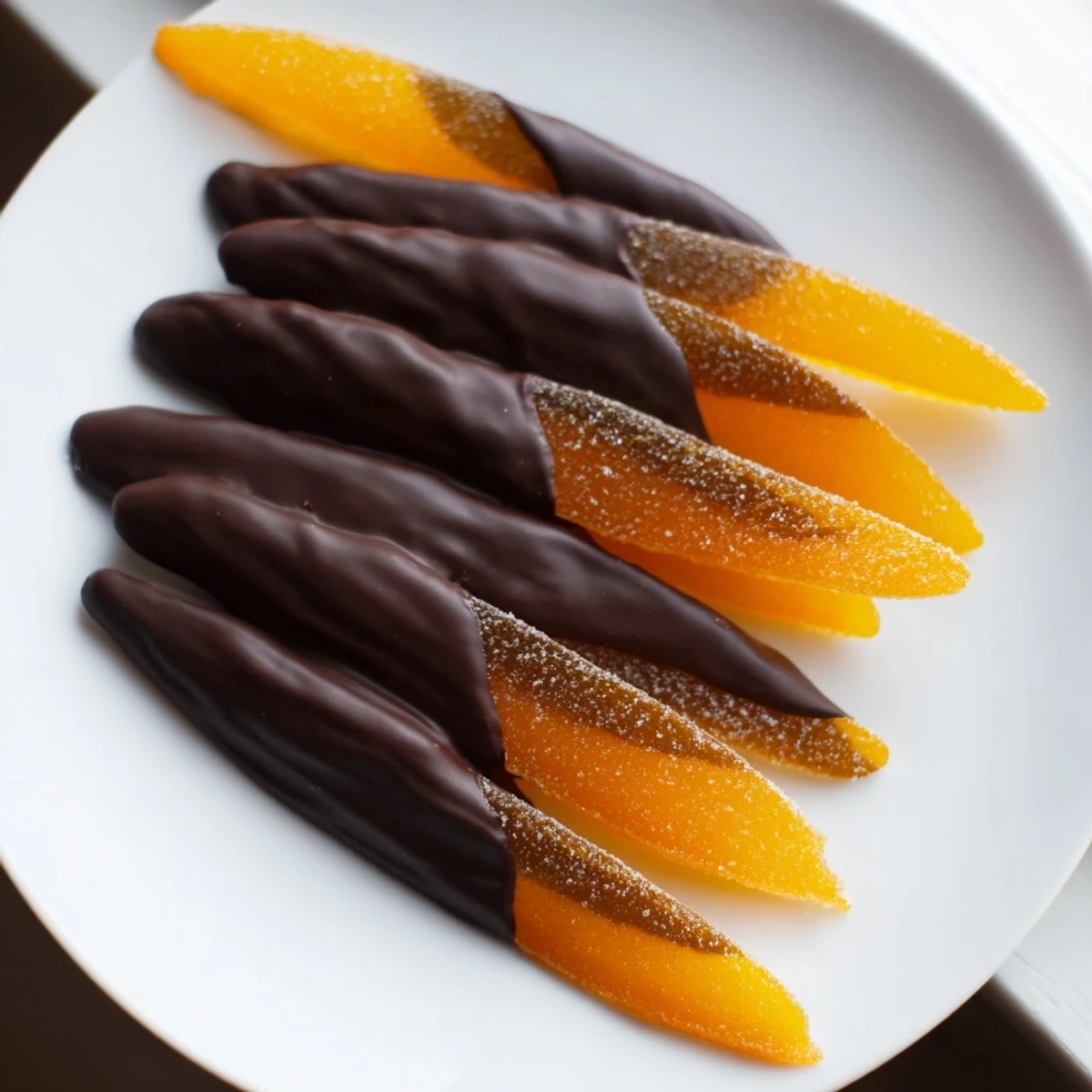
- Take each dried peel strip and dip it halfway into the chocolate, letting the excess drip back into the bowl before placing it gently on a parchment lined tray. Let them set at room temperature or pop the tray into the fridge if you are impatient like me.
 Save to Pinterest
 There is something deeply satisfying about transforming something most people throw away into a genuinely luxurious treat. Every time I catch the scent of orange oil on my fingers after peeling, I remember why this recipe felt like a small revelation in my kitchen.
Choosing the Right Chocolate
Not all dark chocolate behaves the same way when melted and used as a coating. I learned the hard way that cheap chocolate with added oils and fillers seizes, streaks, and refuses to snap properly when it sets. Spend a little more on a bar with just cocoa mass, cocoa butter, sugar, and maybe a touch of vanilla, and the results will speak for themselves.
Getting the Texture Right
The difference between a pleasant candied peel and a truly great one comes down to how long you simmer and how patiently you dry. Undercooked peels stay tough and fibrous, while overcooked ones turn to mush before the chocolate even touches them. That translucent, jelly like appearance in the pot is your visual cue that the transformation is complete.
Storing and Gifting
Layer the finished peels between sheets of parchment inside an airtight container and keep them somewhere cool and dry, where they will stay perfect for up to two weeks. They also make wonderful gifts when tucked into small cellophane bags tied with kitchen twine. A few simple touches turn homemade into something people genuinely treasure.
- Roll candied peels in extra sugar before dipping for added sparkle and sweetness.
- Try a drizzle of white chocolate over the dark for a striking visual contrast.
- Always label gifts with allergen information, especially for chocolate containing soy lecithin.
 Save to Pinterest
 Few things in cooking reward patience quite like these little jewels of citrus and chocolate. Make them once and you will start saving every orange peel that crosses your counter.
Recipe Questions & Answers
- → Do I need to remove all the white pith from the orange peels?
-
No, leaving a thin layer of white pith is actually desirable. It adds a pleasant texture and slight bitterness that balances the sweetness of the syrup and chocolate. Just avoid thick, spongy portions of pith.
- → Why do I need to blanch the peels three times?
-
Multiple blanching rounds are essential for removing the harsh bitterness from the orange peels. Each boil-and-drain cycle draws out bitter compounds, resulting in a sweeter, more pleasant candied peel.
- → Can I use milk or white chocolate instead of dark chocolate?
-
Yes, milk or white chocolate works well if you prefer a sweeter, milder flavor. Keep in mind that white chocolate is more temperamental when melting, so stir gently and avoid overheating.
- → How long do chocolate covered orange peels stay fresh?
-
Stored in an airtight container in a cool, dry place, they will keep for up to two weeks. You can also refrigerate them, but allow them to come to room temperature before serving for the best texture and flavor.
- → What type of oranges work best for candied peels?
-
Large, thick-skinned oranges are ideal since they yield more peel and are easier to handle. Organic oranges are recommended because you are using the outer skin, which is typically exposed to pesticides on conventionally grown fruit.
- → Can I skip the overnight drying step?
-
While a minimum of two hours of drying is required, overnight drying produces the best results. The peels need to be completely non-sticky before dipping in chocolate, otherwise the coating will not adhere properly or set well.