
 Save to Pinterest
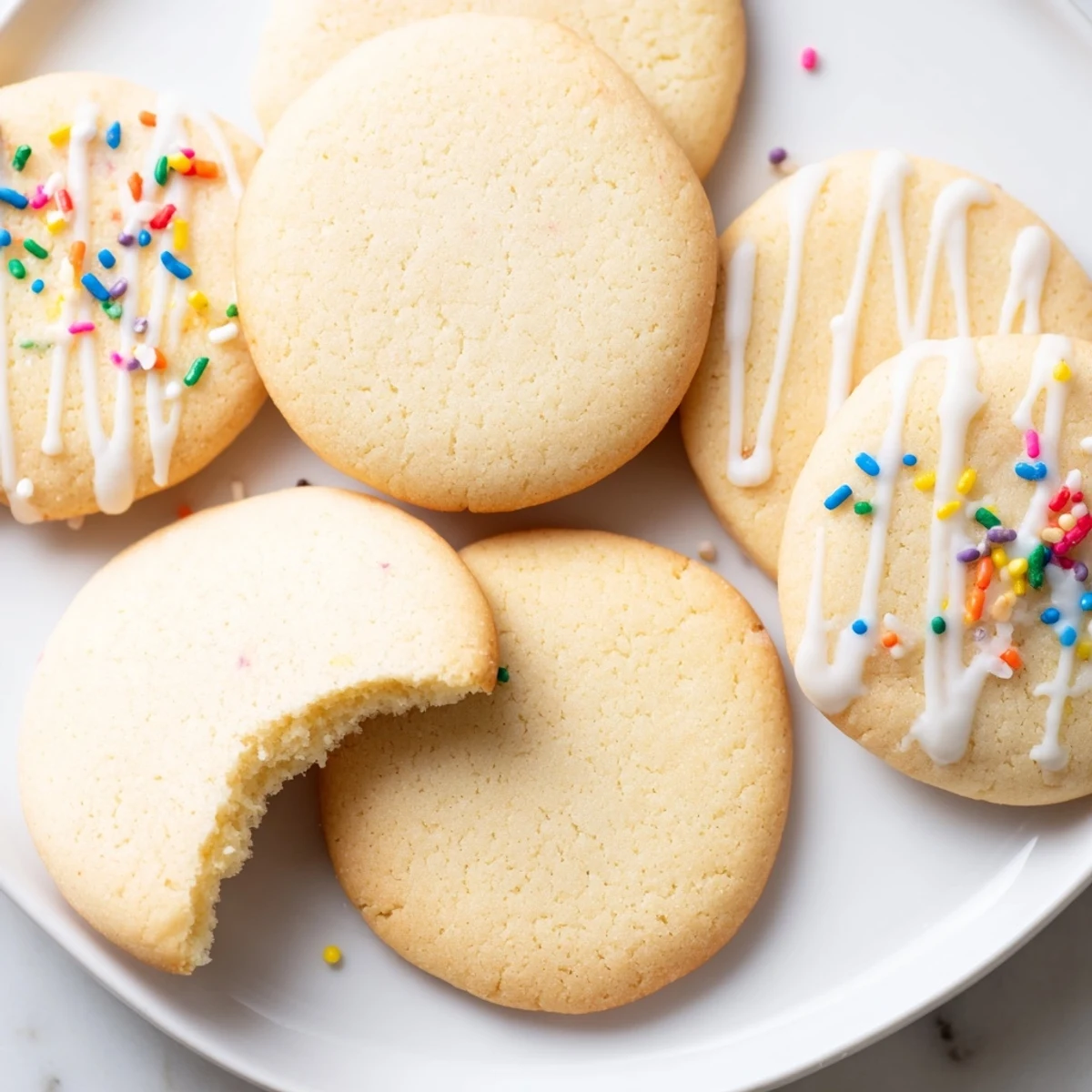
 These classic sugar cookies deliver the perfect balance of crisp golden edges and soft, tender centers. Made with simple pantry staples like butter, sugar, flour, and vanilla, the dough comes together quickly and chills for just one hour before rolling and cutting.
Roll the dough to a consistent quarter-inch thickness and bake until the edges barely begin to turn golden. Customize with cookie cutters for any holiday or occasion, then finish with a simple powdered sugar glaze, sprinkles, or enjoy them unadorned.
The dough freezes beautifully for up to three months, making it easy to have freshly baked cookies whenever the craving strikes.
My kitchen smelled like a bakery in December the afternoon I stumbled on the perfect sugar cookie ratio after three failed batches that spread into unrecognizable puddles on the sheet pan. I had been trying to recreate the thick buttery cookies from a shop down the street that closed years ago and nobody believed me when I said the secret was just giving the dough enough time to rest in the fridge. That one detail changed everything about how I approach baking.
One snowy Saturday my niece sat on the counter in her socks and we cut out stars and mittens for two hours straight while the radio played something old and crackly. She ate more raw dough than she decorated but the ones she did frost were lopsided and perfect and her parents still keep one of her lopsided snowmen in the freezer wrapped in wax paper. That is what this cookie does.
Ingredients
- All purpose flour (2 and 1/2 cups or 315 g): Measure by spooning into the cup and leveling off with a knife because packed flour will make these tough and dry.
- Granulated sugar (1 cup or 200 g): Regular white sugar is all you need here and it creams into the butter to create those tiny air pockets that give the cookie its lift.
- Unsalted butter softened (1 cup or 225 g): Pull it out an hour ahead because cold butter will not cream properly and you will end up with greasy streaks in your dough.
- Large egg (1): One is plenty for binding and adding richness without making the dough too wet to roll.
- Pure vanilla extract (2 teaspoons): Use the real stuff if you can because imitation vanilla leaves a flat chemical aftertaste that comes through especially in a simple cookie like this.
- Almond extract optional (1/2 teaspoon): Just a tiny amount adds a bakery style depth but skip it entirely if anyone has nut sensitivities.
- Baking powder (1/2 teaspoon): You want a gentle lift here not a puffy cakey cookie so go easy on the leavening.
- Salt (1/2 teaspoon): This is not negotiable because salt wakes up the butter and balances the sweetness in a way you will absolutely notice if you forget it.
- Powdered sugar (1/2 cup or 70 g for icing optional): Sift it before mixing to avoid lumps in your glaze.
- Milk or water (1 to 2 tablespoons for icing optional): Add slowly because a little liquid goes a long way and you can always thin it more but you cannot undo a runny icing.
- Food coloring sprinkles colored sugar (optional): Gel food coloring gives you brighter results without watering down the icing.
Instructions
- Cream the butter and sugar:
- Beat the softened butter and granulated sugar together on medium speed until the mixture turns pale and looks almost whipped with a light fluffy texture that takes about three minutes.
- Add the wet ingredients:
- Drop in the egg vanilla and almond extract if you are using it and beat until everything is smooth and homogeneous with no streaks of egg visible.
- Whisk the dry ingredients:
- In a separate bowl whisk the flour baking powder and salt together so the leavening and salt are evenly distributed before they hit the wet mixture.
- Bring the dough together:
- Add the dry ingredients to the wet in two or three additions mixing on low just until the dough clumps and pulls away from the sides of the bowl because overmixing builds gluten and makes the cookies tough.
- Chill the dough:
- Divide into two flat discs wrap them tightly in plastic and slide them into the fridge for at least one hour or up to overnight because cold dough rolls without sticking and holds its shape in the oven.
- Preheat and prepare:
- Set your oven to 350 degrees F or 175 degrees C and line your baking sheets with parchment paper so the bottoms bake evenly and release without sticking.
- Roll and cut:
- On a lightly floured surface roll one disc to a quarter inch thick and cut your shapes dipping the cutter in flour between cuts if it starts to stick then arrange them on the sheet with about an inch of space between each one.
- Bake:
- Slide the trays into the oven for 8 to 10 minutes watching for the moment the edges just begin to take on color because these cookies go from perfect to overbaked in the span of about sixty seconds.
- Cool completely:
- Let them rest on the hot baking sheet for five minutes to firm up then transfer to a wire rack because if you move them too soon they will bend and break.
- Mix the icing and decorate:
- Stir the powdered sugar with milk or water a little at a time until you reach a consistency that spreads easily but does not run off the edges then tint color and decorate as you like and let the icing set uncovered until it dries to a matte finish.
 Save to Pinterest
 I brought a tin of these to a neighbor who had just come home from the hospital and she called me that night to say they were the first thing that tasted right in weeks. Sometimes a simple butter cookie is all somebody needs.
Getting the Texture Right
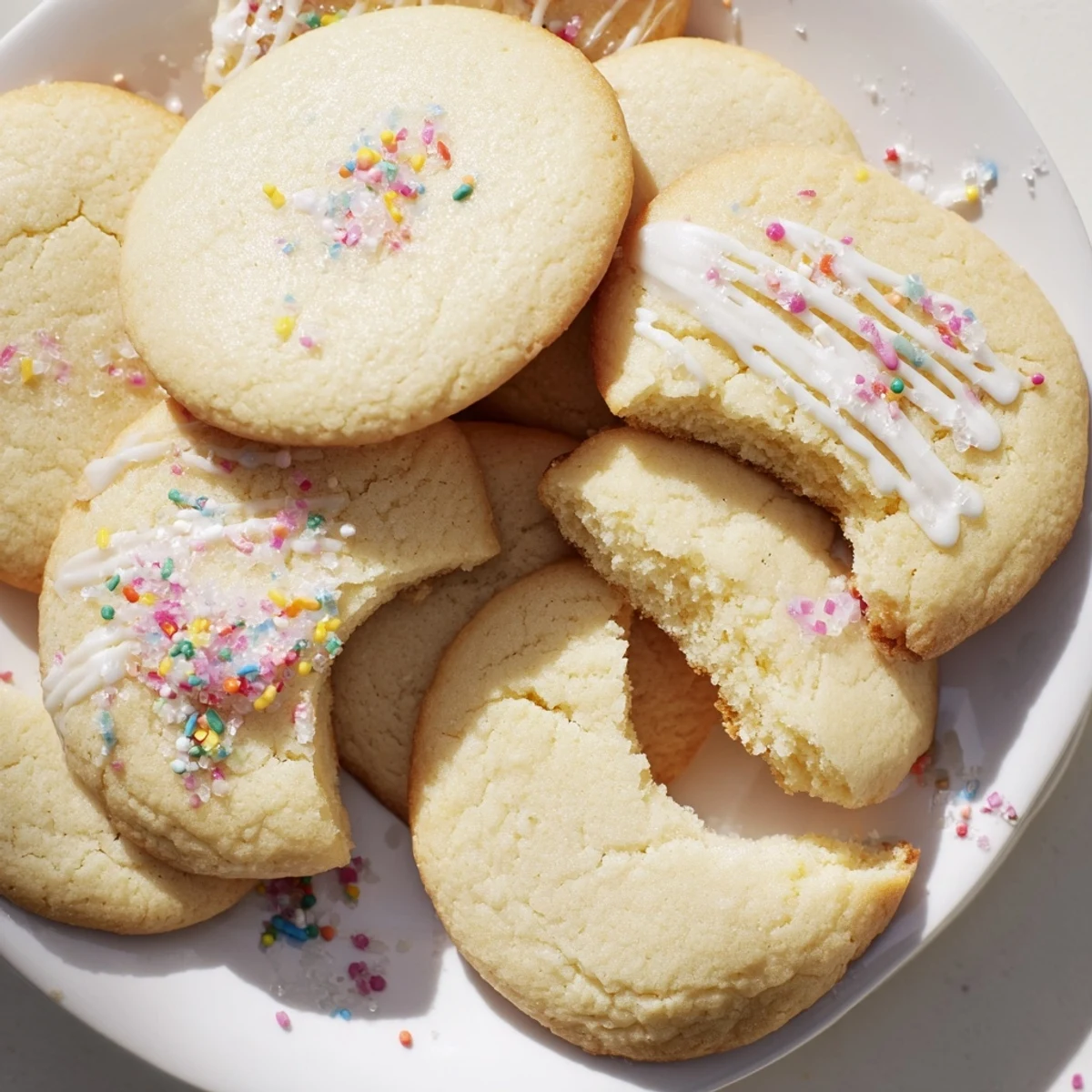
The difference between a sugar cookie that shatters and one that bends gently when you break it comes down to bake time and dough thickness. I always roll to a consistent quarter inch because anything thicker turns cakey and anything thinner burns before the center sets. If you want them extra soft pull them at eight minutes and if you want that satisfying snap go closer to ten. Your oven runs differently than mine so watch the first batch like a hawk and adjust from there.
Flavor Variations Worth Trying
A tablespoon of lemon zest rubbed into the sugar before creaming brightens the whole cookie without overpowering it and I do this constantly in spring. Orange zest with a half teaspoon of cinnamon is a warmer version that feels right around the holidays when you want something a little more complex on the plate. You can also swap the vanilla for maple extract which gives the dough a deeply autumnal flavor that pairs beautifully with a simple powdered sugar glaze.
Storing and Freezing
Baked cookies keep beautifully in an airtight container at room temperature for up to a week and the texture stays remarkably consistent if you layer them between sheets of parchment. The dough freezes for three months which means you can keep a disc ready in the freezer for whenever the need for fresh cookies arrives suddenly and without warning.
- Freeze shaped cutouts on a tray first then transfer to a bag so they do not stick together.
- Thaw frozen dough in the fridge overnight rather than on the counter for easier rolling.
- Always store decorated cookies in a single layer until the icing is fully set to prevent smudging.
 Save to Pinterest
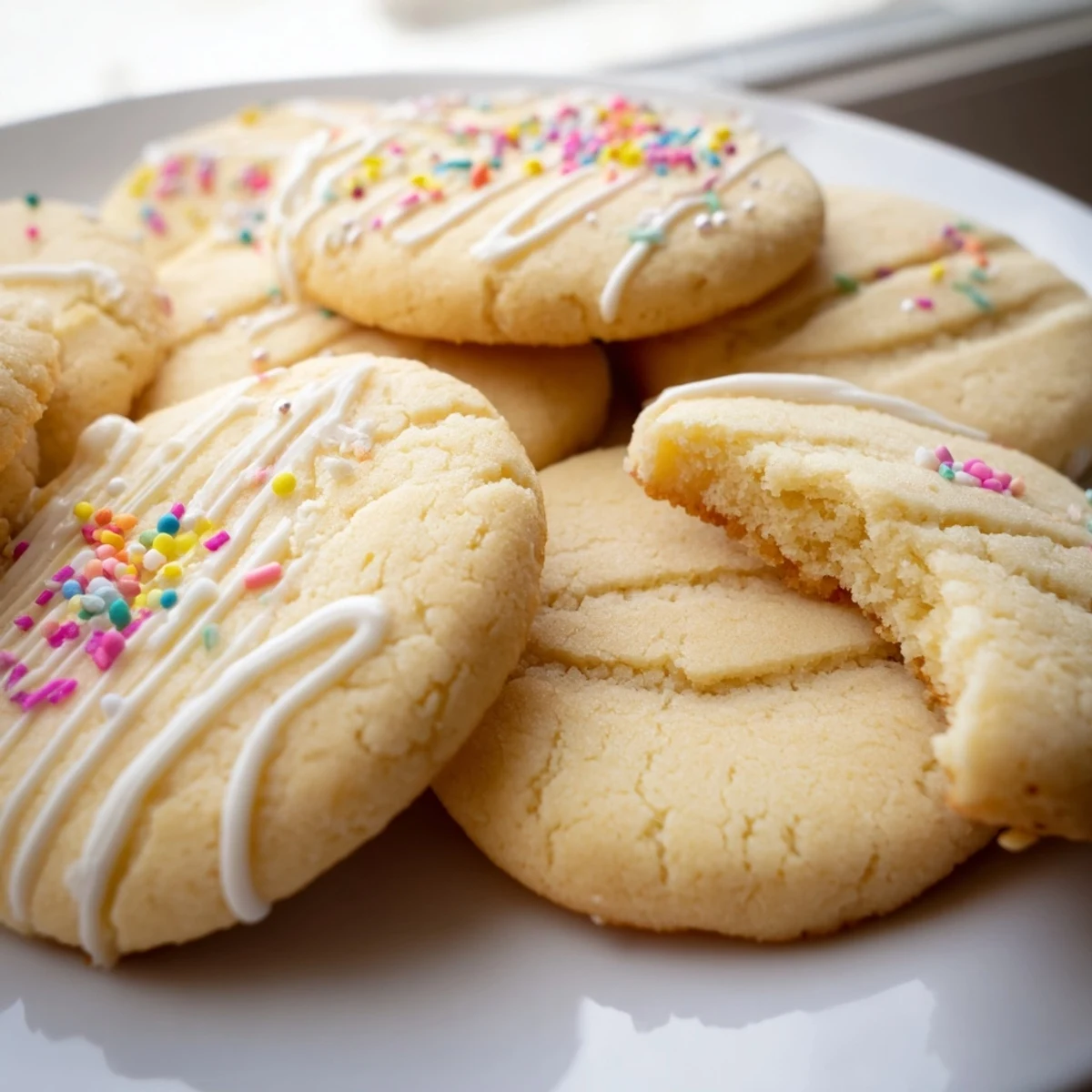
 Make a double batch because these disappear faster than you expect and having dough ready in the freezer feels like a gift to your future self. They are simple honest and exactly what a sugar cookie should be.
Recipe Questions & Answers
- → Why does the dough need to chill before rolling?
-
Chilling firms up the butter in the dough, making it much easier to roll out and cut into shapes without sticking or spreading. It also allows the flour to fully hydrate, which improves the texture and flavor of the baked cookies.
- → Can I freeze sugar cookie dough?
-
Yes, the dough freezes exceptionally well. Wrap the discs tightly in plastic wrap, then place them in a freezer bag. Freeze for up to three months. Thaw overnight in the refrigerator before rolling and baking.
- → How do I get softer cookies versus crunchier ones?
-
For softer cookies, bake closer to 8 minutes and remove them from the oven when the centers still look slightly underdone. For a crunchier texture, bake up to 10 minutes until the edges are a deeper golden brown.
- → What can I add to the dough for extra flavor?
-
Lemon or orange zest adds a bright, fragrant note to the dough. You can also use almond extract alongside or in place of vanilla for a deeper, nuttier flavor. A pinch of cardamom or nutmeg also works beautifully.
- → How should I store baked sugar cookies?
-
Store cooled cookies in an airtight container at room temperature for up to one week. If decorated with icing, allow the icing to set completely before stacking with parchment paper between layers. Baked cookies can also be frozen for up to three months.
- → Why did my cookies spread too much during baking?
-
Spreading usually happens when the dough is too warm. Make sure the cut-out cookies go into the oven while still cool. If your kitchen is warm, try placing the baking sheet in the refrigerator for a few minutes before baking.