
 Save to Pinterest
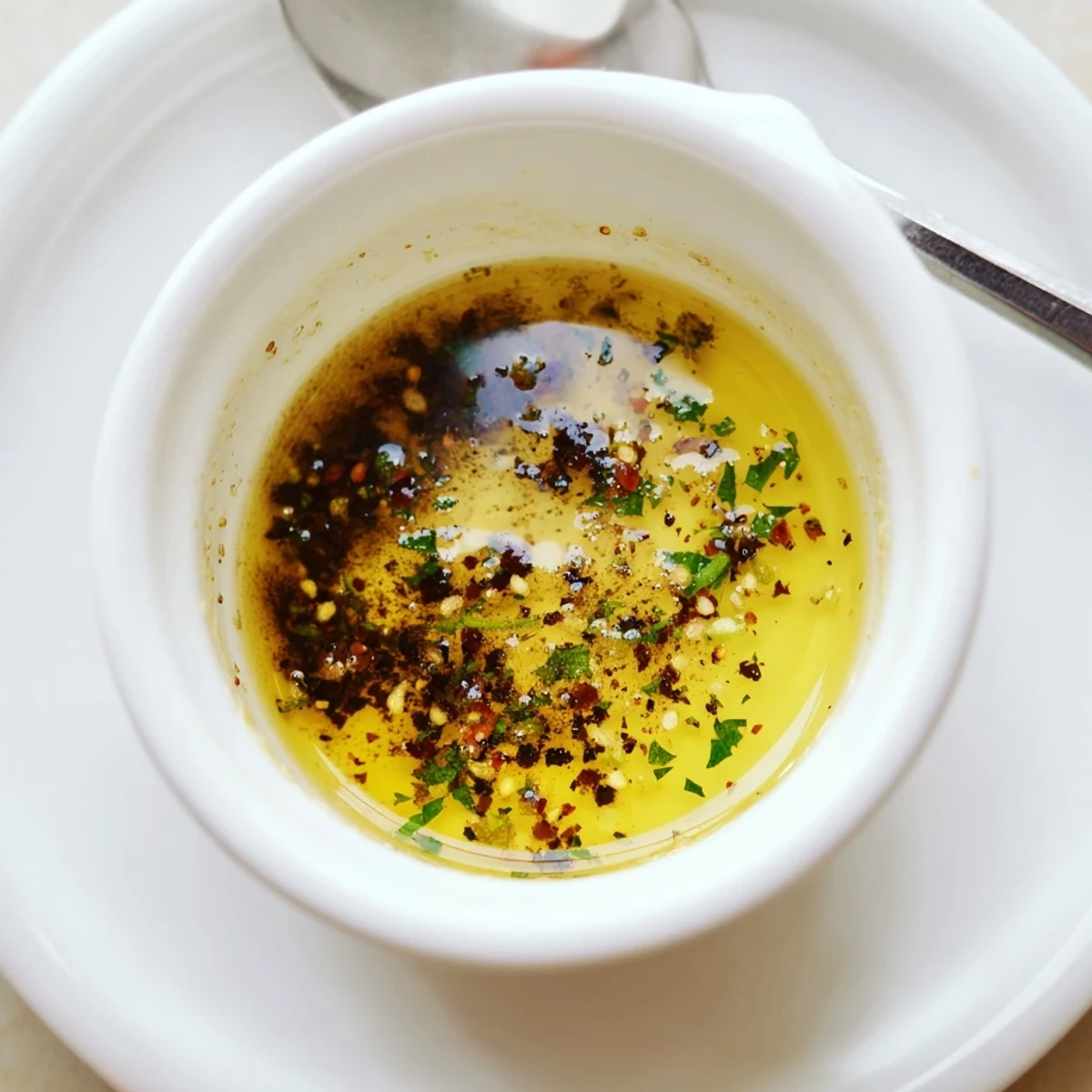
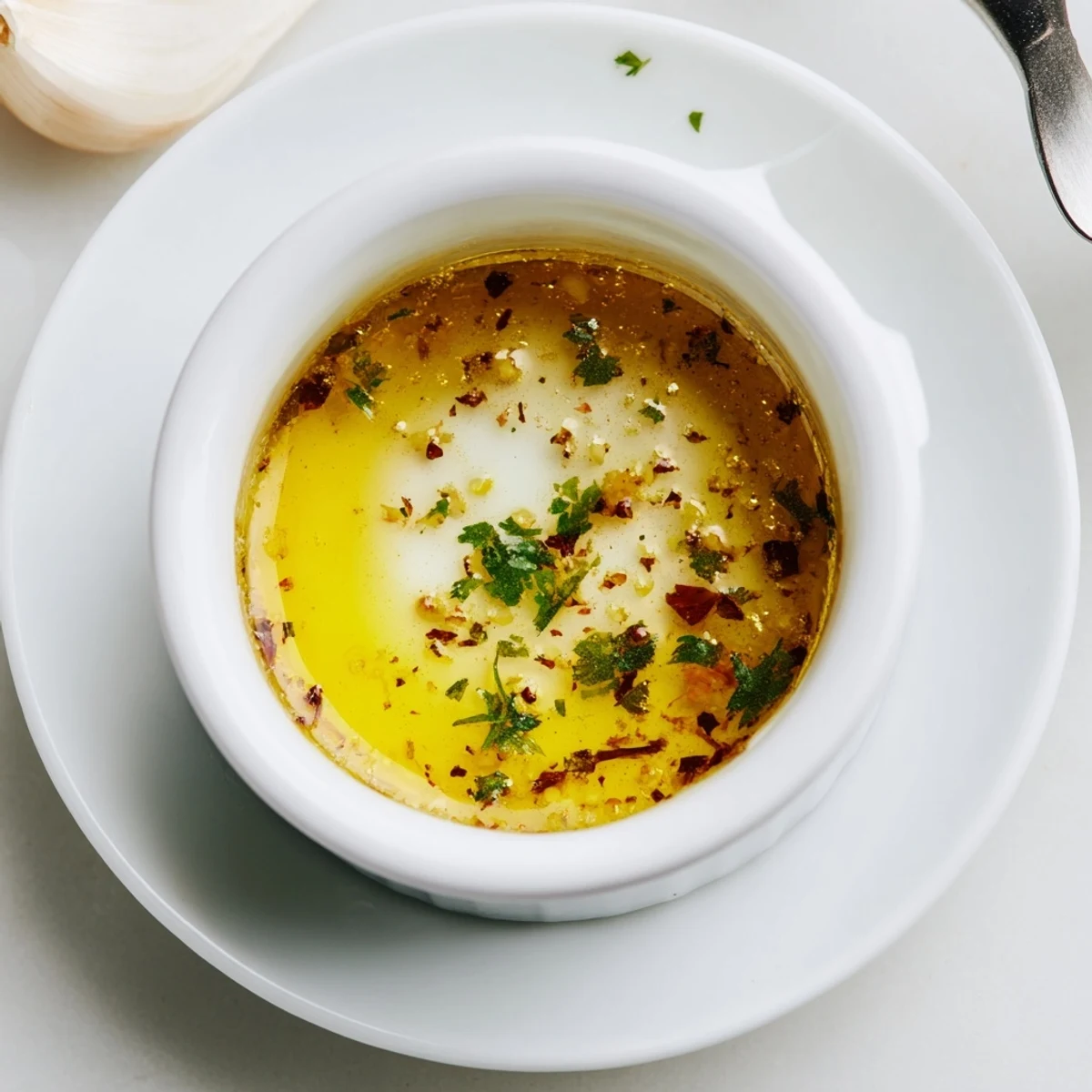
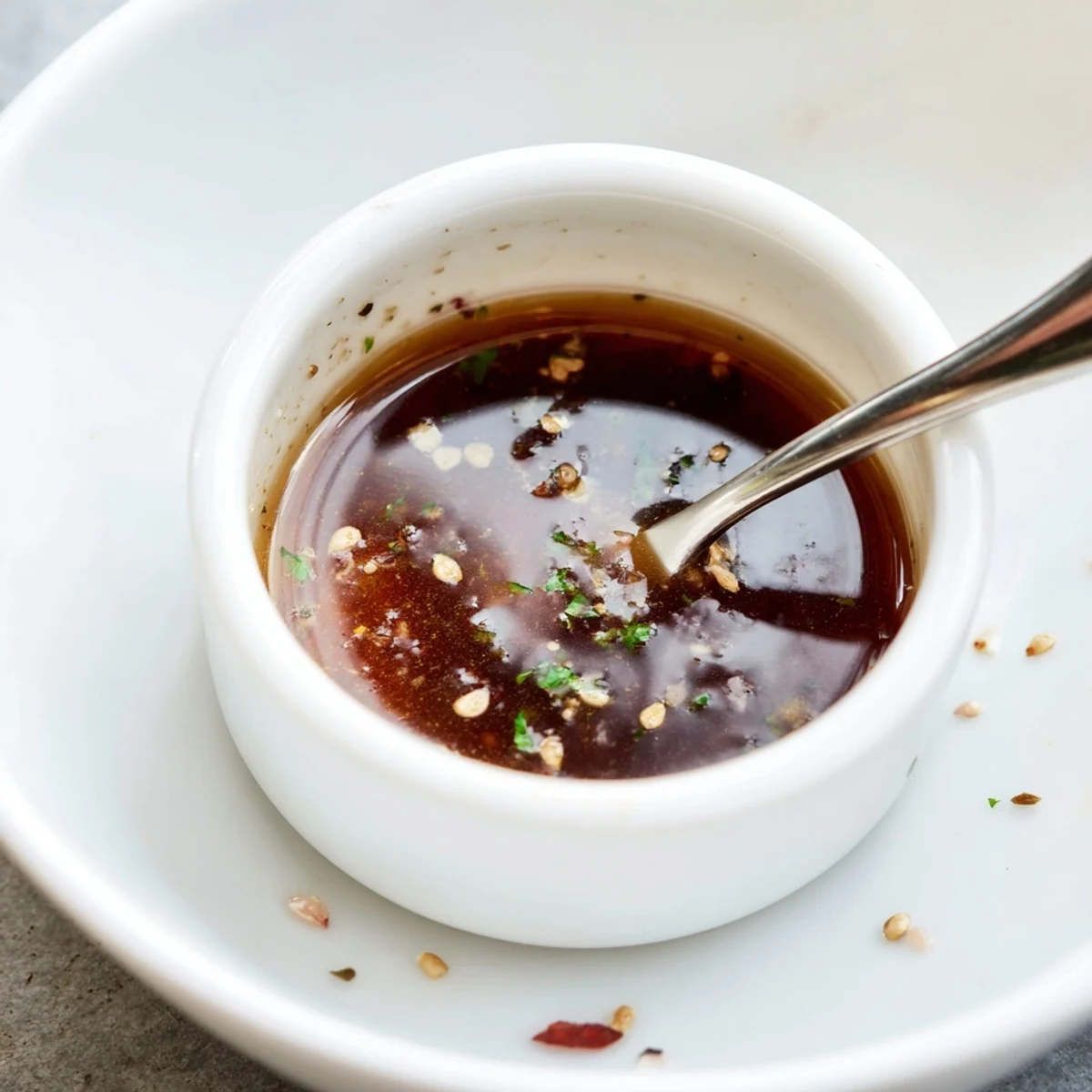
 A bright French vinaigrette made by whisking red wine vinegar with Dijon mustard and a little honey, then slowly streaming in extra virgin olive oil until emulsified. Add minced garlic or fresh herbs to vary the flavor. Ready in five minutes, it keeps in a sealed container in the fridge up to one week. Use to dress crisp greens, roasted vegetables, or as a light marinade for grilled proteins.
My kitchen window was open on a Tuesday evening when I realized the sad truth about bottled salad dressing: it had been letting me down for years. I had a bowl of crisp greens from the farmers market and nothing in the pantry that felt worthy of them. So I grabbed a fork, a chipped cereal bowl, and three ingredients I always have on hand, and everything changed in about ninety seconds flat.
I brought a jar of this to a potluck dinner at my neighbors house last spring, fully expecting it to sit ignored next to the hummus and chips. Three people asked for the recipe before the salad bowl was even empty, and one friend now makes it every single night with dinner.
Ingredients
- Extra virgin olive oil (3 tbsp): Use the good stuff here because there are so few ingredients, and a grassy fruity oil makes all the difference.
- Red wine vinegar (1 tbsp): White wine vinegar works too, but red wine vinegar brings a warmth and depth that I keep coming back to.
- Dijon mustard (1 tsp): This is the secret emulsifier that holds everything together, so do not skip it even if you are not a mustard fan.
- Honey or maple syrup (1 tsp, optional): A tiny touch of sweetness rounds out the sharp edges and makes the whole thing feel balanced.
- Garlic clove, finely minced (1 small, optional): One clove is enough to add personality without taking over, and rubbing the bowl with it first is an old trick worth trying.
- Salt: Season gradually and taste as you go because oversalted dressing is hard to fix.
- Freshly ground black pepper: Always grind it fresh for the most fragrant result.
Instructions
- Build the base:
- In a small bowl, whisk together the vinegar, Dijon mustard, honey if you are using it, and the minced garlic until the mixture looks smooth and unified. You will notice it start to smell sharp and bright right away, which is exactly what you want.
- Emulsify the oil:
- Slowly drizzle in the olive oil while whisking continuously and with purpose, watching as the dressing transforms from separated puddles into something creamy and thick. This slow pouring is the whole trick, so resist the urge to dump it all in at once.
- Season to taste:
- Add salt and pepper in small pinches, stirring and tasting after each one until it sings on your tongue. The dressing should taste vibrant and slightly tart, not dull or flat.
- Serve or store:
- Pour it immediately over your salad and toss well, or spoon it into a sealed jar and keep it in the refrigerator for up to a week. Give it a good shake before using if it has been sitting for a day or two.
 Save to Pinterest
 There is something quietly powerful about mastering a condiment from scratch, as if you have reclaimed a tiny piece of your kitchen independence.
Simple Ways to Switch It Up
A handful of fresh chopped herbs folded in at the end turns this into something that tastes almost celebratory, and a squeeze of lemon juice in place of the vinegar gives it a lighter summer personality. I have stirred in a spoonful of Greek yogurt on nights when I wanted something creamier, and it worked beautifully without losing the bright edge.
What to Serve It With
Beyond the obvious green salad, this vinaigrette is brilliant drizzled over roasted vegetables, spooned onto a grain bowl, or used as a quick marinade for chicken or fish before grilling. I even know someone who dips crusty bread straight into the jar, and honestly I cannot argue with that logic.
Keeping It Fresh and Ready
A small mason jar with a tight lid is my favorite vessel because you can shake it right at the table and store any leftovers without dirtying another container. The flavors actually improve after a few hours in the fridge as the garlic and mustard settle in together.
- Always label the jar with the date so you remember to use it within a week.
- Take it out of the fridge about fifteen minutes before serving so the oil loosens up.
- Trust your taste buds over the recipe amounts because every vinegar and oil behaves a little differently.
 Save to Pinterest
 Once you start making vinaigrette from scratch, you will wonder why you ever settled for anything less. Keep it simple, taste as you go, and let a good bottle of olive oil do most of the talking.
Recipe Questions & Answers
- → What's the best oil to use?
-
Extra virgin olive oil offers a fruity, peppery finish that complements vinegar and Dijon. For a milder taste, use a lighter olive oil or a neutral oil like grapeseed.
- → How do I get a stable emulsion?
-
Whisk the vinegar, mustard and sweetener together first, then drizzle the oil in very slowly while whisking vigorously. Mustard acts as an emulsifier; using a jar and shaking vigorously also works.
- → Can I swap the vinegar for citrus?
-
Yes. Lemon juice gives a brighter, fresher acidity. Use the same proportions but taste and adjust, as citrus can be slightly less sharp than wine vinegar.
- → How long will it keep in the fridge?
-
Stored in a sealed container, the vinaigrette will keep up to one week. Oil may solidify slightly when chilled—bring to room temperature and shake or whisk before using.
- → How can I vary the flavor?
-
Add chopped fresh herbs (parsley, tarragon, chives), a minced garlic clove, or a spoonful of Greek yogurt for creaminess. Swap honey for maple syrup to change the sweet note.
- → Is this good as a marinade?
-
Yes. The acid and oil make a light marinade for chicken, fish or vegetables; marinate briefly (30–60 minutes) to avoid over-tenderizing delicate proteins.