
 Save to Pinterest
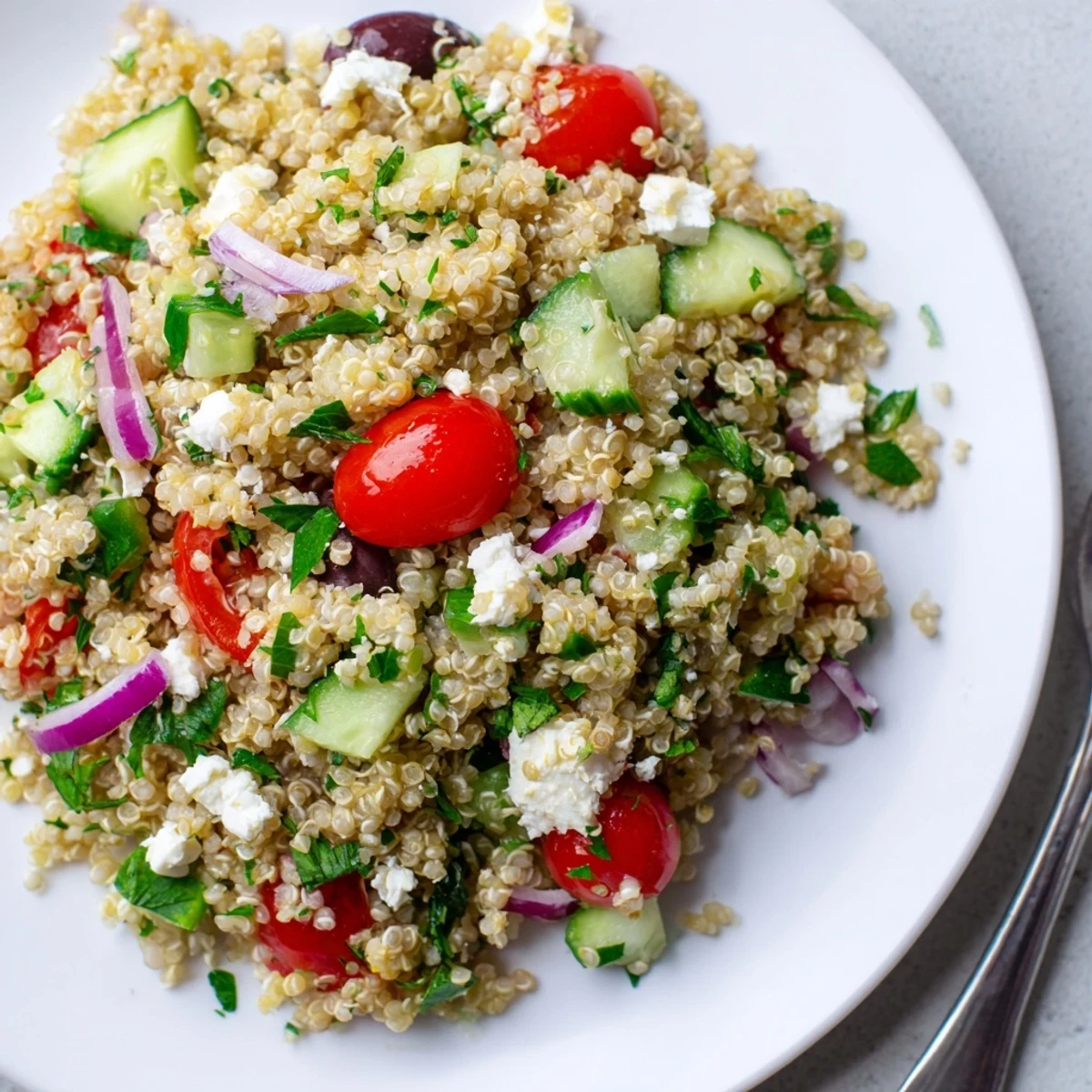
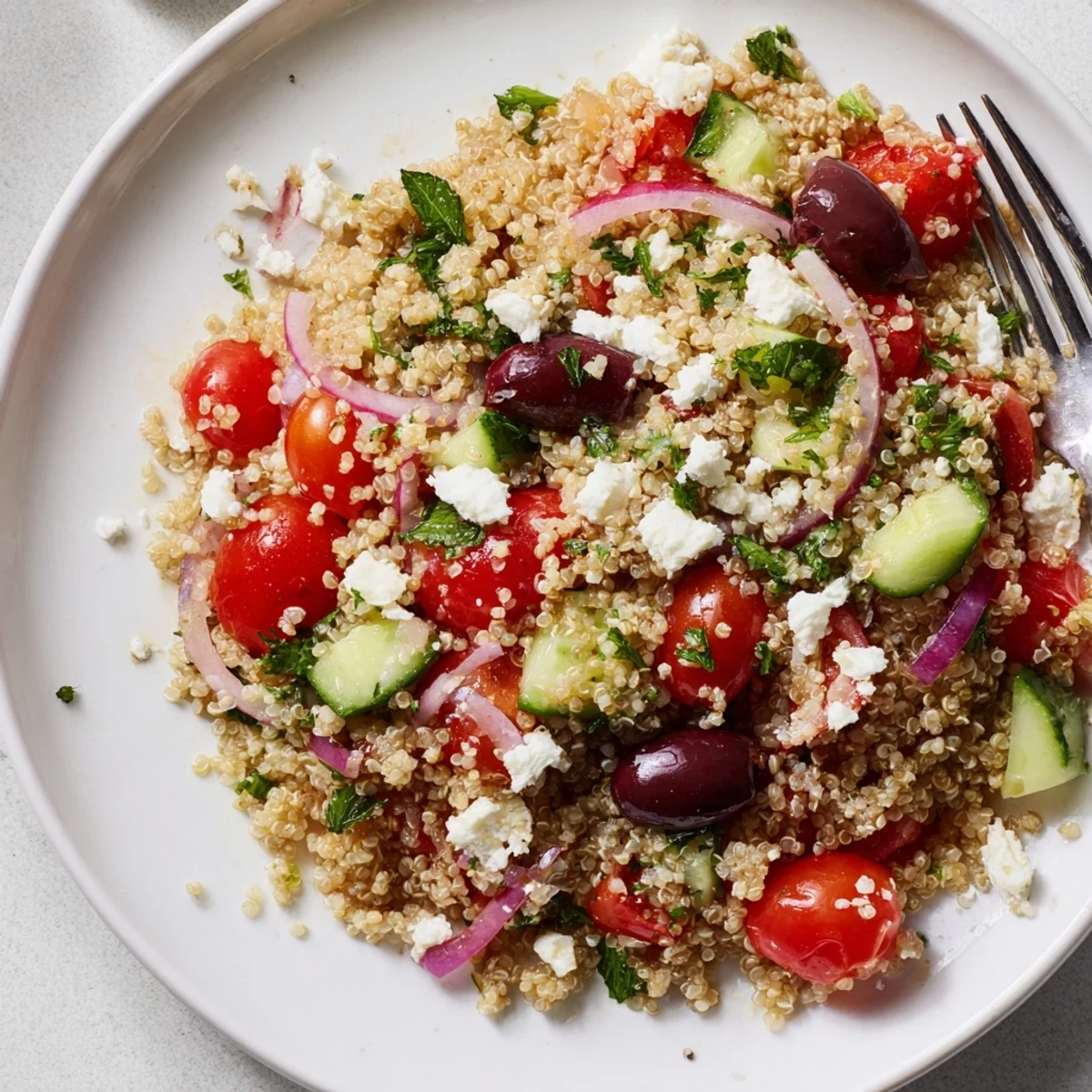
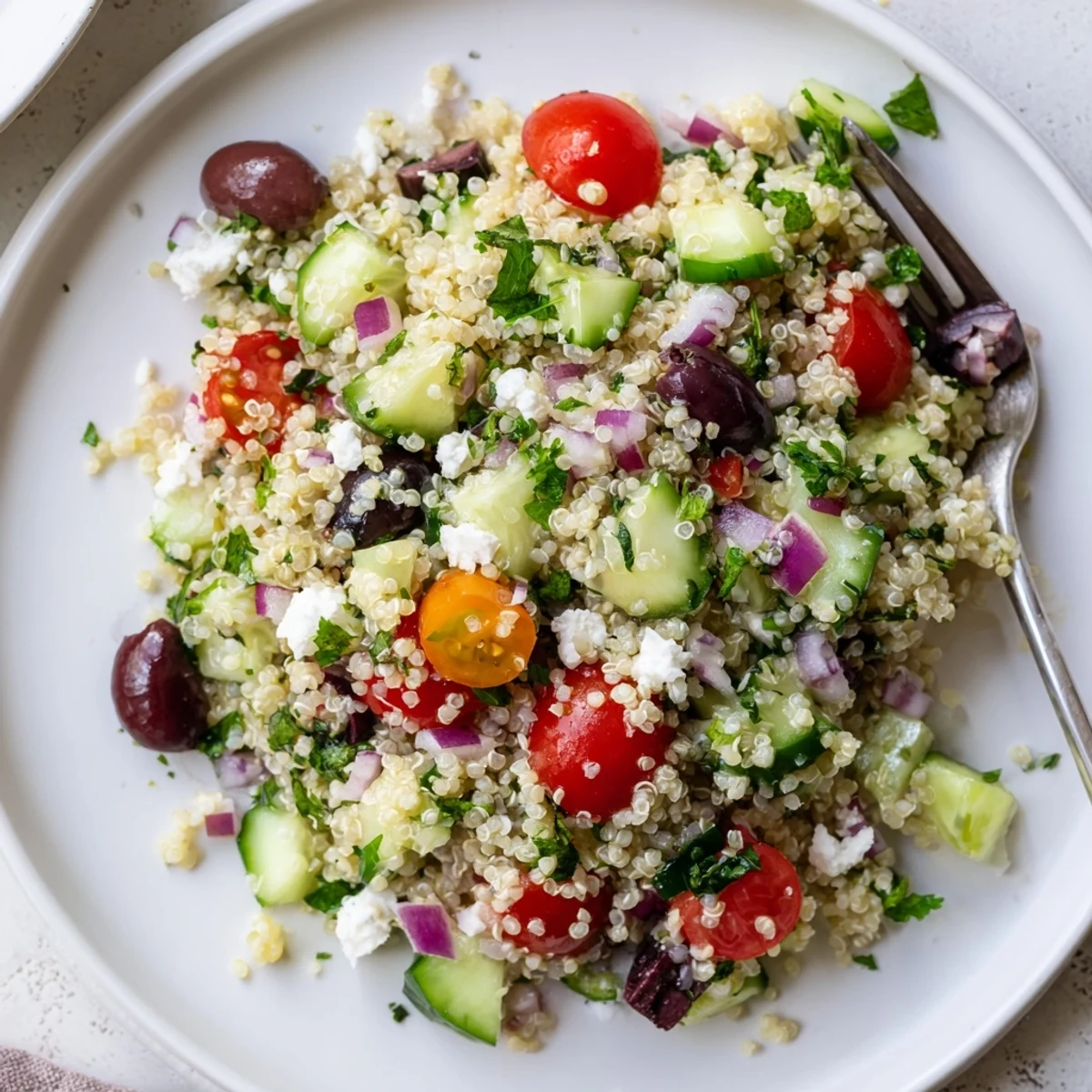
 This Greek quinoa salad pairs fluffy quinoa with cherry tomatoes, cucumber, red pepper, red onion, Kalamata olives and crumbled feta. Cook quinoa, cool, then combine with chopped vegetables and herbs. Whisk olive oil, lemon juice, red wine vinegar, garlic and oregano; toss and chill at least 15 minutes to meld flavors. Serve cold or at room temperature; add chickpeas for extra protein.
The screen door slammed shut behind me as I carried a bowl of this Greek quinoa salad out to the back porch, the lemon dressing still warm from being whisked seconds before. A friend grabbed a forkful before I even set it down and declared it the only salad worth making all summer. That endorsement stuck with me, and now this dish shows up at nearly every gathering I host.
I brought a massive batch of this to a potluck once and watched a woman who swore she hated quinoa go back for thirds. She cornered me by the dessert table demanding the recipe, and we ended up talking about her grandmother's village near Thessaloniki for twenty minutes. Food does that, connects strangers over something as simple as olives and lemon.
Ingredients
- Quinoa (1 cup, uncooked): Rinse it thoroughly under cold water to remove the natural coating called saponin, which can taste bitter if you skip this step.
- Water (2 cups): The standard ratio works perfectly here, though you can swap in vegetable broth for a deeper flavor base.
- Cherry tomatoes (1 cup, halved): Cherry or grape varieties hold their shape better than larger tomatoes, which can turn watery and mushy.
- Cucumber (1 cup, diced): English cucumbers are ideal because you avoid the seedy, watery center that dilutes the dressing.
- Red bell pepper (1/2 cup, diced): The sweetness balances the briny olives and tangy feta in a way that green or yellow peppers simply do not.
- Red onion (1/3 cup, finely chopped): Soak the pieces in cold water for five minutes if you find raw onion too sharp, it tames the bite without losing crunch.
- Kalamata olives (1/2 cup, pitted and halved): Real Kalamata olives from Greece have a fruitier, less harsh saltiness than generic canned black olives.
- Feta cheese (1/2 cup, crumbled): Block feta crumbled by hand has a creamier, more irregular texture than the pre-crumbled kind in tubs.
- Fresh parsley (1/4 cup, chopped): Flat leaf parsley adds a bright, clean note that dried parsley cannot replicate.
- Fresh mint (1/4 cup, chopped, optional): Mint gives the salad an unexpected freshness that makes people pause and try to guess the secret ingredient.
- Extra virgin olive oil (1/4 cup): Use the good stuff here since the dressing is raw and the oil flavor really shines through.
- Fresh lemon juice (2 tbsp): Roll the lemon on the counter before juicing to extract the maximum amount of liquid.
- Red wine vinegar (1 tbsp): Combined with the lemon juice, it creates a layered acidity that neither could achieve alone.
- Garlic (1 clove, minced): One clove is enough to be present without overpowering the other flavors.
- Dried oregano (1 tsp): The quintessential Greek herb, and dried actually works better than fresh here because it infuses the dressing more evenly.
- Salt and freshly ground black pepper (to taste): Season gradually since the feta and olives already contribute significant saltiness.
Instructions
- Rinse and cook the quinoa:
- Run the quinoa under cold water in a fine mesh strainer for about thirty seconds, rubbing it with your fingers. Transfer it to a saucepan with the water, bring it to a boil, then drop the heat to low, cover it, and let it simmer for fifteen minutes until the water disappears completely. Fluff it with a fork and spread it on a plate to cool faster.
- Build the salad base:
- Once the quinoa reaches room temperature, tumble it into a large bowl with the tomatoes, cucumber, bell pepper, red onion, olives, feta, parsley, and mint. Fold gently with a spatula so the feta stays in recognizable crumbles rather than turning into a paste.
- Whisk the dressing:
- In a small bowl or a jar with a tight lid, combine the olive oil, lemon juice, vinegar, garlic, oregano, and a generous pinch each of salt and pepper. Shake or whisk until the mixture looks cloudy and unified, then taste it on a cucumber slice to check the balance.
- Dress and toss:
- Pour the dressing over the salad and use a large spoon to fold everything together gently. Take your time here so every grain of quinoa gets coated without crushing the vegetables.
- Chill before serving:
- Cover the bowl and refrigerate for at least fifteen minutes, though an hour is even better if you can wait. The flavors deepen and settle into something far more satisfying than when it is freshly mixed.
 Save to Pinterest
 One July evening I packed this salad in mason jars for a sunset picnic on the lake shore, and we ate it with our fingers straight from the glass while fireflies started blinking along the tree line. Nobody talked much between bites, which is honestly the highest compliment a meal can receive.
Getting the Texture Right
The biggest complaint people have about grain salads is sogginess, and the culprit is almost always excess moisture hiding in the vegetables. Pat the cucumber dry with a towel after dicing it, and make sure the quinoa is completely cooled before anything else goes into the bowl. These two small habits change the entire eating experience from watery disappointment to something that tastes intentionally crafted.
Making It Your Own
This recipe is a framework more than a rigid set of rules, and some of my favorite versions came from whatever needed using up in the fridge. Roasted red peppers work in place of raw, chickpeas add a satisfying heft that turns a side dish into lunch, and a pinch of sumac sprinkled on top right before serving makes everything taste suddenly exotic. Let the season guide you and you will rarely go wrong.
Storing and Serving Leftovers
Leftovers keep beautifully for up to three days in an airtight container in the refrigerator, making this one of those rare salads that actually improves overnight. The quinoa continues absorbing dressing, so a quick drizzle of olive oil and a squeeze of lemon can revive day three leftovers to near original glory.
- Stir gently before serving since some dressing will have settled to the bottom.
- Bring it to room temperature for twenty minutes if serving guests, since cold dulls the flavor.
- Avoid freezing it, as the cucumber and tomatoes will turn unpleasantly mushy upon thawing.
 Save to Pinterest
 A bowl of this salad sitting in the fridge on a busy weekday feels like a gift you gave yourself in advance. Simple, nourishing, and bursting with the kind of brightness that makes even a Tuesday feel worth celebrating.
Recipe Questions & Answers
- → How should I cook quinoa for best texture?
-
Rinse quinoa under cold water to remove bitterness. Simmer one part quinoa to two parts water, cover and cook over low heat until water is absorbed, then fluff with a fork and let cool before combining with other ingredients.
- → How can I prevent soggy salad?
-
Allow the quinoa to cool completely before adding vegetables and dressing. Toss gently and chill so excess moisture is absorbed; if using watery tomatoes or cucumber, drain or seed them first.
- → What can I use instead of feta for a dairy-free option?
-
Use a firm tofu crumble marinated in lemon and olive oil, a store-bought vegan feta, or simply omit the cheese and boost herbs and olives for savory depth.
- → Can this be made ahead of time?
-
Yes. Assemble and chill for up to 24 hours; add delicate herbs and any avocado just before serving. If planning for longer storage, keep dressing separate and toss just prior to serving.
- → How can I add more protein to the dish?
-
Fold in cooked chickpeas, grilled chicken, or flaked salmon. Roasted nuts or seeds also add texture and a protein boost while keeping the salad vegetarian-friendly.
- → What herbs and dressings complement the flavors?
-
Fresh parsley and mint brighten the salad; a lemon-olive oil vinaigrette with red wine vinegar, garlic and dried oregano complements the Mediterranean ingredients nicely.