 Save to Pinterest
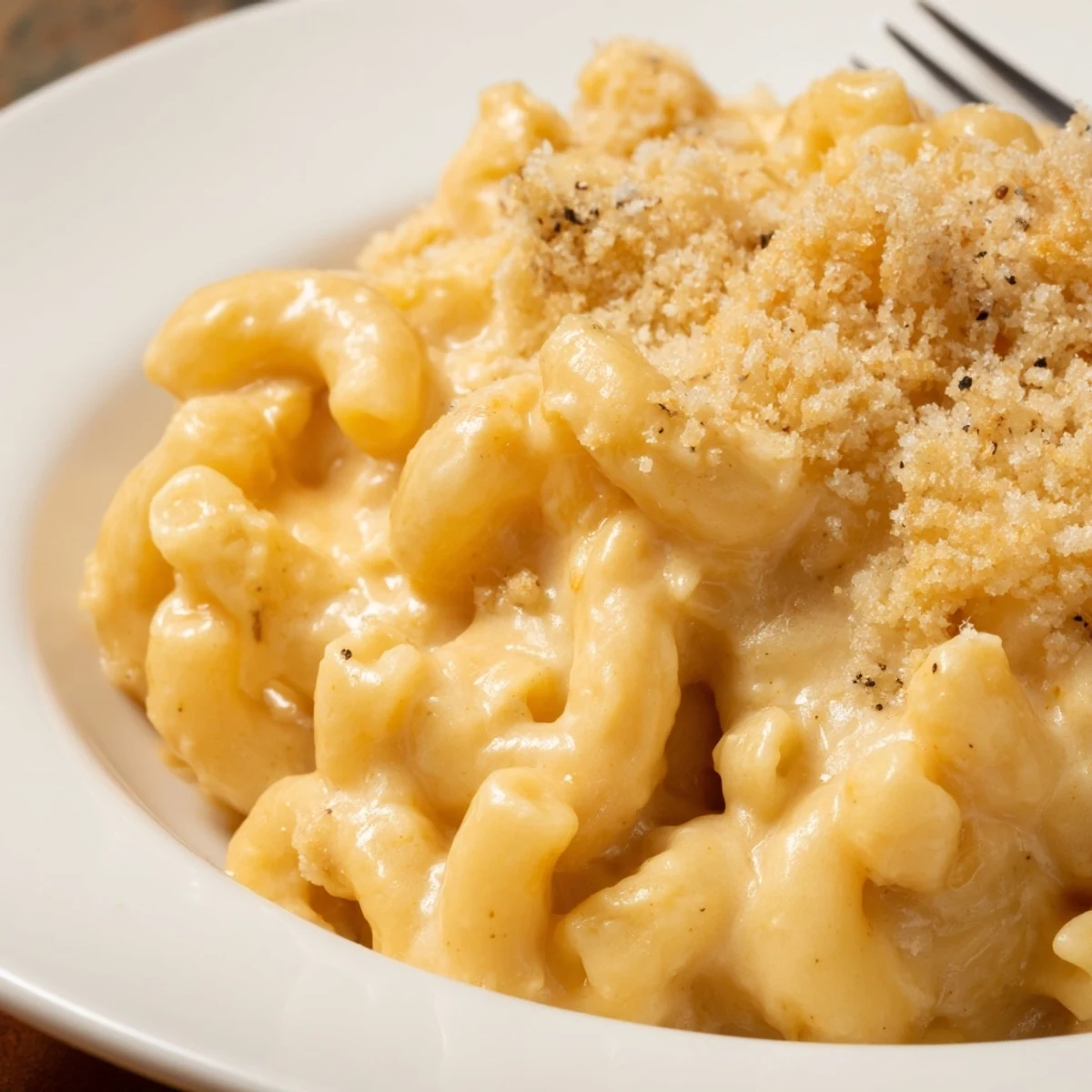
 Start with al dente elbow macaroni while making a smooth roux: melt butter, whisk in flour, then slowly add milk and simmer until thickened. Stir in sharp and mild cheddar with a touch of Dijon, season, and fold in the pasta. For a crisp finish, top with buttered breadcrumbs and bake until golden. Serve hot; try bacon, sauteed onions, or Gruyere for variation. Gluten-free swaps available.
The sound of rain hitting the kitchen window while a pot of macaroni bubbles away is honestly one of life's most underrated comforts. My roommate in college used to make boxed mac and cheese every single rainy Tuesday, and while I teased her endlessly for it, I secretly looked forward to that bright orange bowl every week. Years later I finally learned to make it from scratch, and the first time that real cheese sauce hit hot pasta I understood why she never bothered upgrading. Some things are worth doing properly though, and this version is the one that converted me forever.
I made this for my niece's birthday dinner last spring, fully expecting the kids to ignore it in favor of pizza. Turns out it was the first bowl emptied, and my brother in law quietly asked me for the recipe while everyone was cleaning up.
Ingredients
- Elbow macaroni (300 g): The classic shape holds sauce in every little curve, but any short pasta works in a pinch.
- Whole milk (2 cups): Whole milk makes the creamiest sauce, and skimping here really does show in the final texture.
- Unsalted butter (2 tbsp): Gives the roux its toasty backbone and keeps you in control of the salt level.
- All purpose flour (2 tbsp): The thickening power behind a sauce that clings instead of pooling at the bottom.
- Sharp cheddar (1 cup grated): Brings the tang and personality, so do not skip this one for a milder cheese alone.
- Mild cheddar (1 cup grated): Balances the sharp cheddar with creamy meltability and a gentler flavor.
- Dijon mustard (1/2 tsp): A tiny amount that does not make it taste like mustard at all, just makes the cheese taste more like itself.
- Salt and black pepper: Season gradually and taste as you go because cheese saltiness varies wildly by brand.
- Breadcrumbs (1/4 cup, optional): For that golden baked crust that turns comfort food into something that feels like an event.
- Melted butter (1 tbsp, optional): Tossed with breadcrumbs for maximum crunch and richness on top.
- Parmesan cheese (2 tbsp grated, optional): Adds a savory depth to the topping that plain breadcrumbs alone cannot quite reach.
Instructions
- Get your oven ready:
- If you are going the baked route, preheat to 180C (350F) now so it is waiting for you, not the other way around.
- Cook the pasta:
- Boil the macaroni in well salted water until just al dente because it will cook a little more in the sauce later and nobody wants mushy pasta.
- Start the roux:
- Melt the butter in a saucepan over medium heat, then whisk in the flour and let it cook for about a minute until it smells faintly toasted and looks like wet sand.
- Build the sauce:
- Pour the milk in slowly, whisking the whole time to keep lumps from forming, then let it simmer gently until it thickens enough to coat the back of a spoon, about 4 to 5 minutes.
- Add the cheese:
- Turn the heat down low and stir in both cheddars and the Dijon mustard, keeping the stirring gentle and patient until everything melts into one smooth, glossy sauce.
- Bring it together:
- Fold the cooked macaroni into the sauce, making sure every piece gets coated, and at this point you could absolutely just eat it straight from the pot.
- Bake if you want crunch:
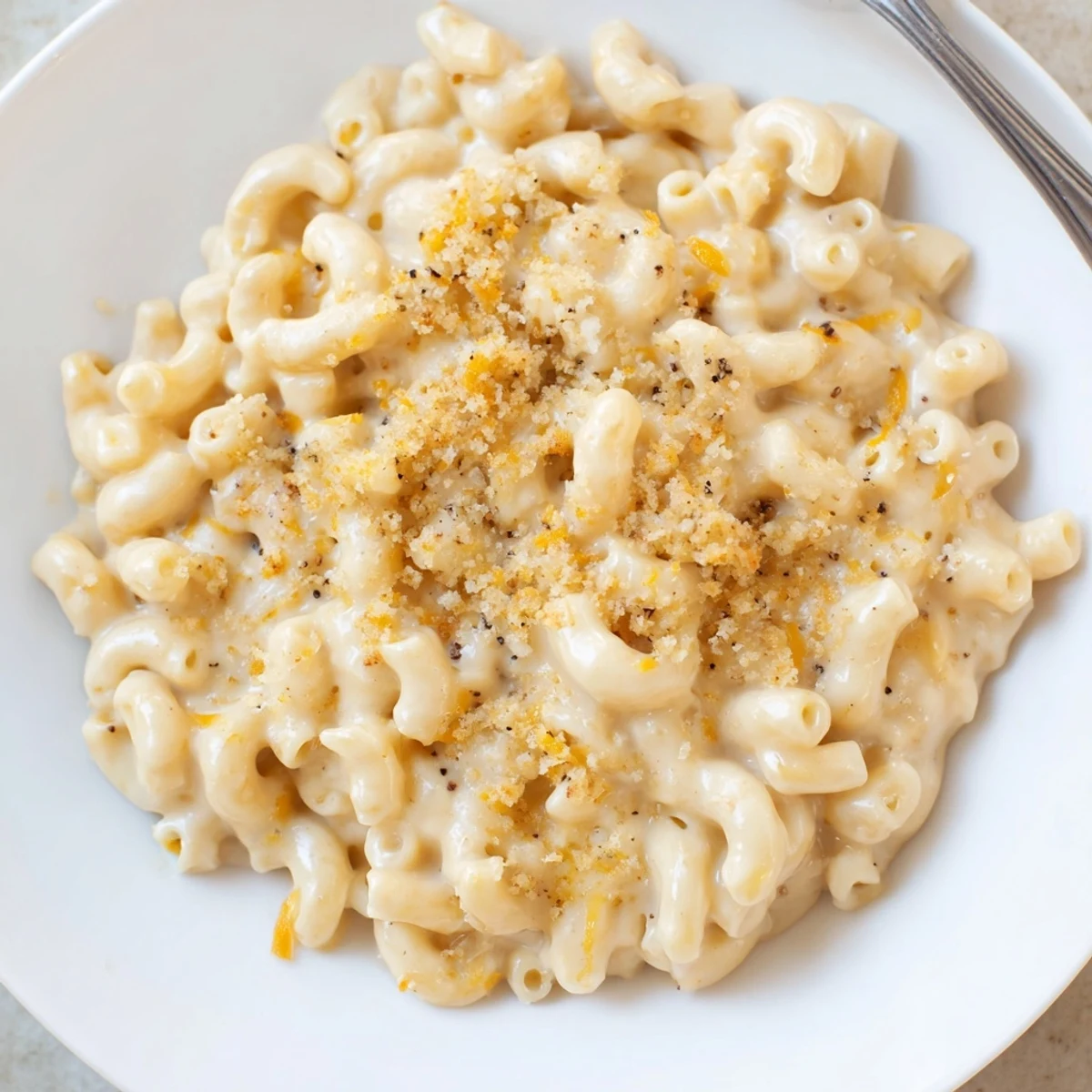
- For the baked version, spread the mixture into a greased dish, scatter the breadcrumb butter parmesan mixture over the top, and bake for 15 to 20 minutes until the edges bubble and the top turns golden.
 Save to Pinterest
 There is something about carrying a bubbling dish of mac and cheese to the table that makes everyone sit up a little straighter and the conversation pause just long enough for seconds to be implied.
Making It Your Own
This recipe is a canvas more than a rulebook. Try folding in crispy bacon bits, caramelized onions, or a few dashes of hot sauce at the end. Swapping in Gruyere or Monterey Jack for some of the cheddar changes the whole personality of the dish in a wonderful way.
Gluten Free Adjustments
Use your favorite gluten free pasta and swap the all purpose flour for a one to one gluten free blend. The sauce thickens slightly differently so just be patient and give it an extra minute to come together.
What to Serve Alongside
A simple green salad with a bright vinaigrette is all you need to cut through the richness and make it feel like a complete meal. Roasted broccoli or steamed green beans also play beautifully alongside.
- A crisp pickle spear on the plate adds a snappy contrast that most people do not expect but always love.
- Garlic bread is technically redundant here but nobody has ever complained about too much comfort on one plate.
- Leftovers reheat beautifully with a splash of milk stirred in over low heat.
 Save to Pinterest
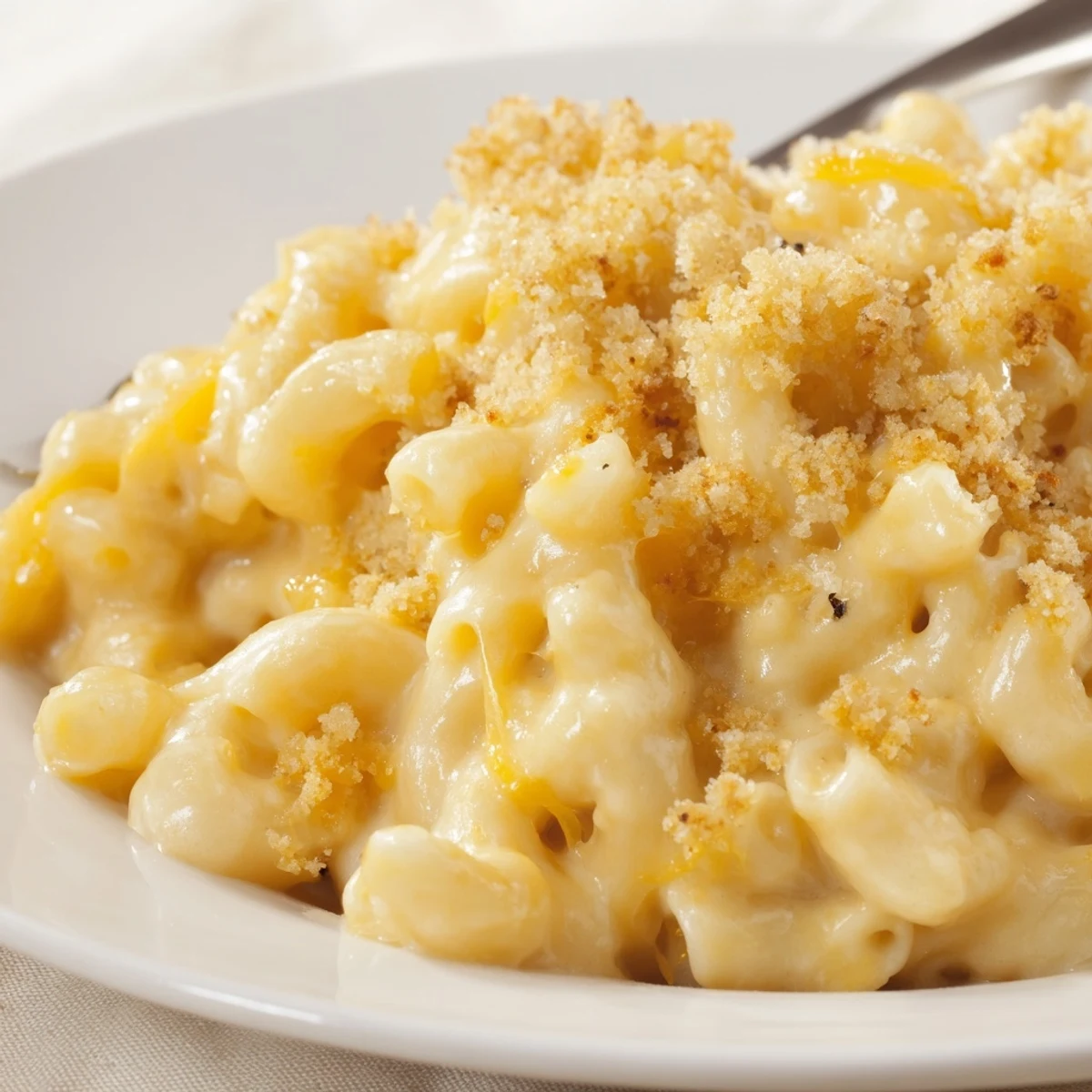
 However you make it and whoever you share it with, this mac and cheese has a way of turning an ordinary evening into something worth remembering. Keep it in your back pocket and it will never let you down.
Recipe Questions & Answers
- → Can I use a different pasta shape?
-
Elbow macaroni is classic, but shells, cavatappi or penne work well—choose shapes that trap sauce and adjust cooking time to reach al dente.
- → How do I prevent a grainy sauce?
-
Build a smooth roux, add milk gradually while whisking, keep the heat moderate, and melt cheese off the heat to avoid separation and graininess.
- → Can I make this ahead and reheat?
-
Yes—assemble and chill, then reheat gently with a splash of milk, stirring occasionally. Baked versions reheat nicely in a 180°C oven until warmed through.
- → What cheeses give the best melt and flavor?
-
A blend of sharp and mild cheddar balances tang and creaminess. Gruyere, Monterey Jack or fontina can be added for extra melt and depth.
- → How do I get a crunchy breadcrumb topping?
-
Toss breadcrumbs with melted butter and grated parmesan, sprinkle evenly, and bake until golden. Panko yields a lighter, crunchier finish.
- → How can I adapt this for dietary needs?
-
Use gluten-free pasta and a gluten-free flour for the roux, swap to lower-fat or plant-based milk for lighter versions, and add vegetables for extra nutrition.