
 Save to Pinterest
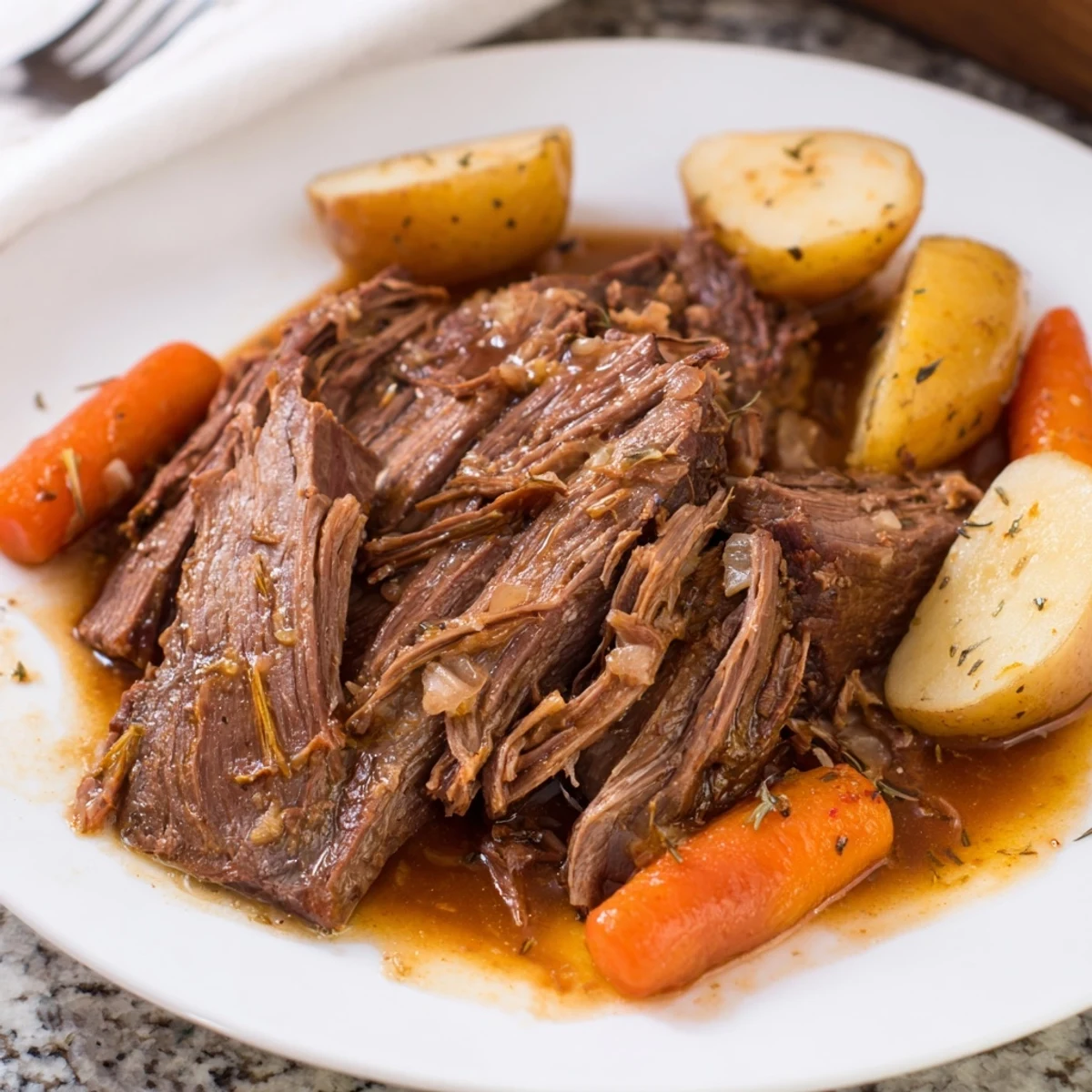
 This classic pot roast features a seasoned beef chuck roast seared to perfection, then slow-cooked for nearly three hours alongside carrots, potatoes, celery, and onions in a rich broth infused with thyme, rosemary, and red wine.
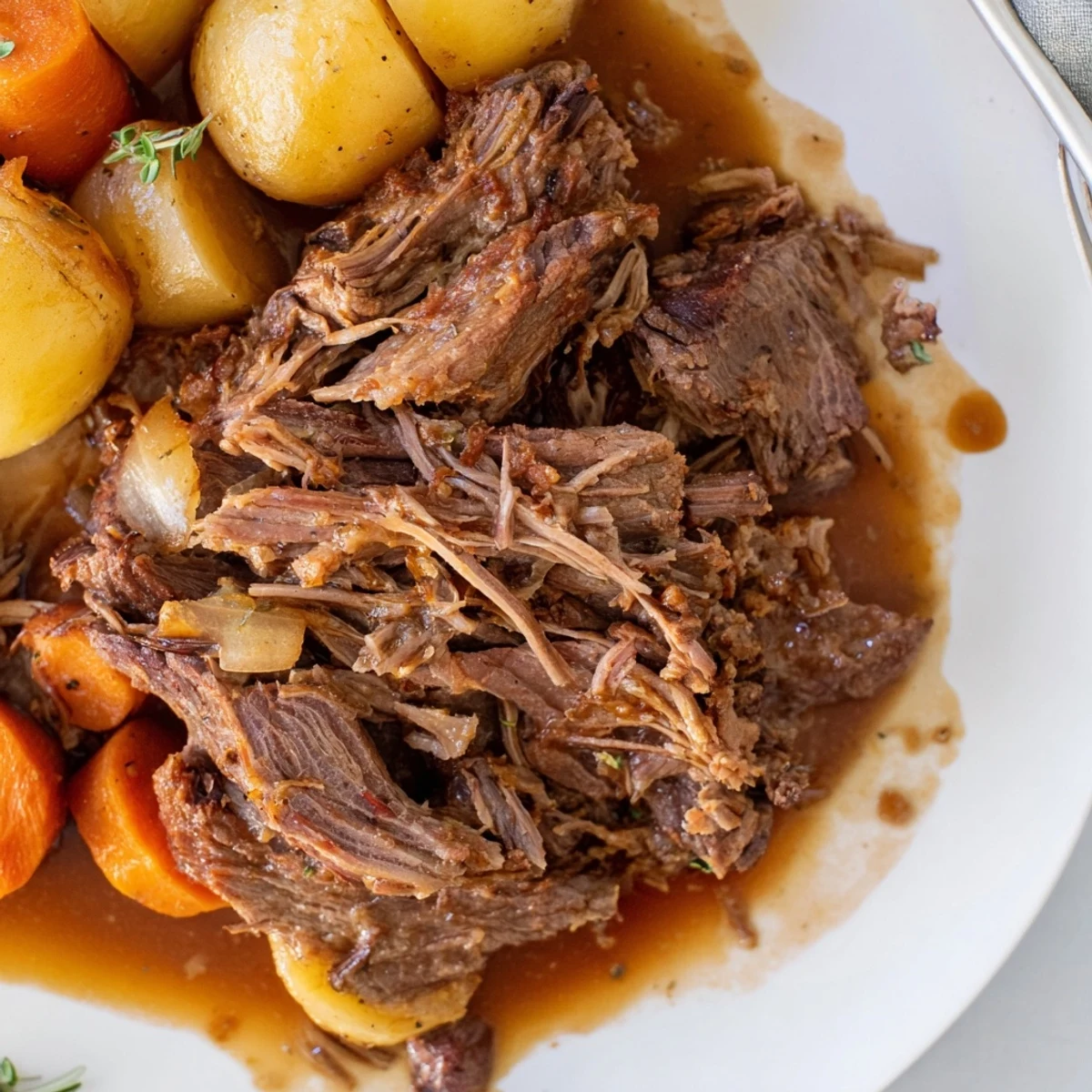
The low-and-slow oven method transforms the tough chuck into fork-tender, melt-in-your-mouth beef that practically shreds itself. The vegetables absorb all those savory pan juices, becoming deeply flavorful and comforting.
Serve this hearty dish with the reduced pan juices spooned over top for a satisfying meal that feeds six and fills your home with incredible aromas.
The rain was hammering against the kitchen window the afternoon I finally got pot roast right after three failed attempts that shall remain nameless. Something about the way the house filled with thyme and slow braising beef made every other concern dissolve into the steam curling off the Dutch oven. That particular Sunday taught me patience is not just a virtue but an actual ingredient in recipes like this one.
My neighbor Dave knocked on my door that evening holding a bottle of Cabernet and asking what on earth I was cooking because the smell had drifted into his hallway. We ended up eating at my kitchen counter, standing up, tearing pieces of beef with forks and dunking crusty bread into the juices. He brought wine every Sunday after that until he moved to Portland, and I still think of those evenings whenever I lift the lid on a finished roast.
Ingredients
- Beef chuck roast, 3 to 4 pounds: Chuck has the right marbling of fat and connective tissue that breaks down into silk over a long braise. Do not substitute a lean cut like round or you will be chewing leather.
- Carrots, 3 large: Cut them thick so they hold their shape through hours of cooking without dissolving into the sauce.
- Yukon gold potatoes, 4 medium: Yukon Golds strike the perfect balance between waxy and starchy, staying intact while absorbing flavor. Quarter them so every piece gets a caramelized edge during searing.
- Celery stalks, 2: Celery disappears into the broth and adds a savory depth you will miss if you skip it.
- Yellow onion, 1 large: Thick slices create natural sweetness as they break down and mingle with the wine.
- Garlic, 4 cloves smashed: Smashing rather than mincing keeps the garlic from burning during the saute step and lets you fish it out easily if you want.
- Beef broth, 2 cups: Check the label for gluten if that matters to you, since some brands sneak wheat into the base.
- Dry red wine, 1 cup: Use something you would drink, and if you skip it entirely just add an extra cup of broth plus a splash of balsamic vinegar for depth.
- Tomato paste, 2 tablespoons: This tiny amount does heavy lifting, adding umami and a slight sweetness that rounds out the whole pot.
- Kosher salt, 2 teaspoons, and black pepper, 1 teaspoon: Season generously on all sides before searing to build a crust with actual flavor.
- Dried thyme, 1 teaspoon, and dried rosemary, 1 teaspoon: Dried herbs work beautifully here because the long cooking time rehydrates them fully and releases their oils.
- Bay leaves, 2: Remember to discard these before serving unless you enjoy a surprise leathery leaf on your plate.
- Olive oil, 2 tablespoons: Just enough to get a good sear without smoking up the kitchen.
Instructions
- Preheat and season:
- Set your oven to 325 degrees Fahrenheit and pat the roast completely dry with paper towels. Season every exposed surface with the salt and pepper, pressing it in with your hands so it adheres.
- Sear the meat:
- Heat olive oil in your Dutch oven over medium high until it shimmers and just starts to smoke. Lay the roast in gently away from you and let it sit undisturbed for three to four minutes per side until you get a deep golden crust, then remove it to a plate.
- Build the vegetable base:
- Toss the onions, carrots, and celery into the same pot with all those gorgeous browned bits still clinging to the bottom. Stir them around for five minutes until they soften and pick up color, then add the smashed garlic and tomato paste, cooking one more minute until fragrant.
- Deglaze with wine:
- Pour in the red wine and use a wooden spoon to scrape up every last bit of fond from the bottom of the pot. Let it bubble and reduce by half, about two to three minutes, so the harsh alcohol smell cooks off and leaves behind richness.
- Bring it all together:
- Settle the roast back into the pot and tuck the quartered potatoes, thyme, rosemary, and bay leaves around it. Pour the broth in so it comes halfway up the sides of the meat, then bring everything to a gentle simmer on the stovetop.
- Braise low and slow:
- Put the lid on tight and slide the whole pot into your preheated oven. Set a timer for two and a half hours and resist every urge to peek, because every time you lift that lid you let moisture and heat escape.
- Rest and serve:
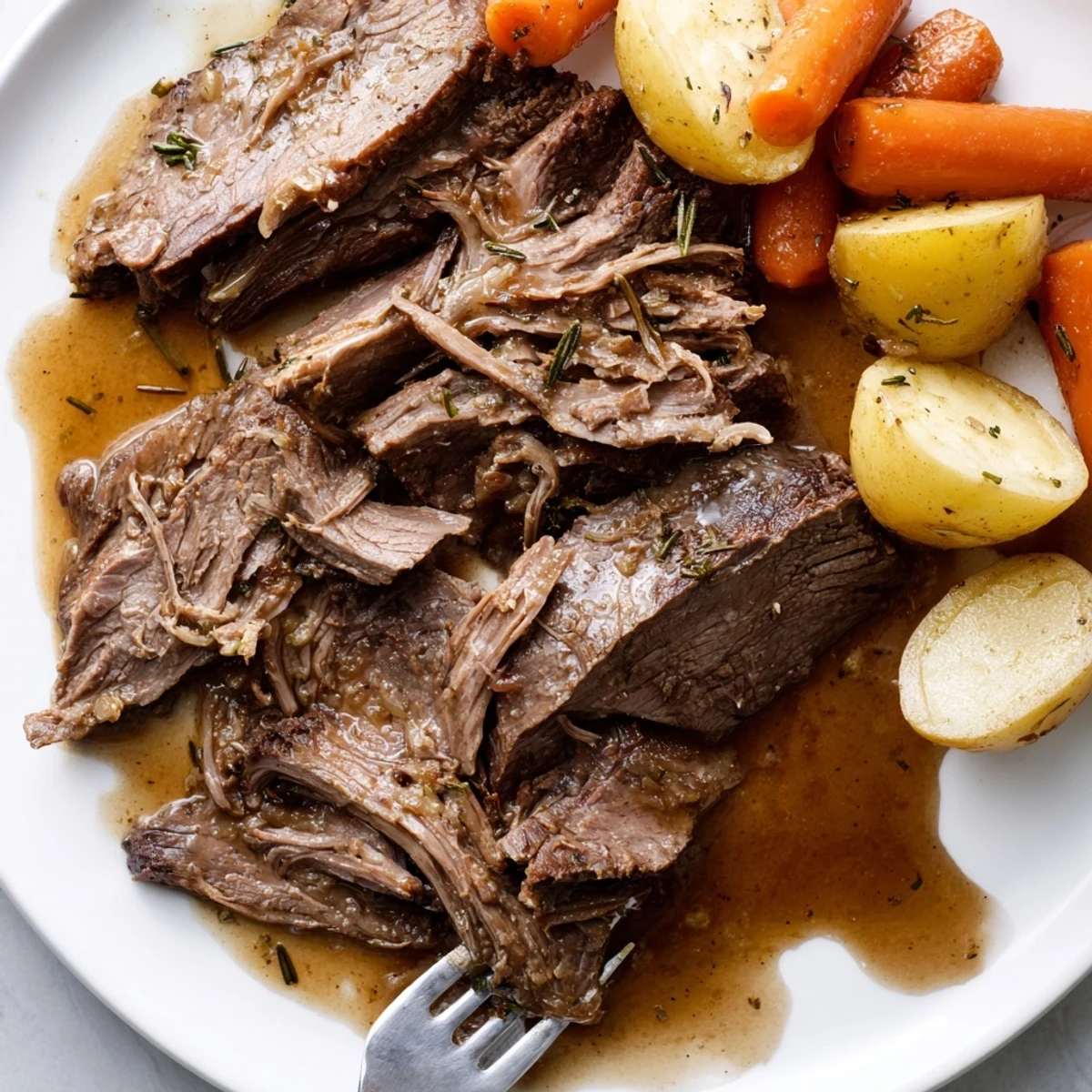
- Pull the pot out and carefully transfer the roast and vegetables to a serving platter, discarding the bay leaves. Skim the surface fat from the remaining juices if you like, then either slice or shred the beef and spoon everything generously with the pan sauce.
 Save to Pinterest
 Somewhere between the second and third hour of braising, the kitchen becomes the warmest room in the house and everyone drifts toward it without meaning to. I have caught friends leaning over the pot inhaling deeply, family members opening the oven light just to check on it, and my dog parked three feet from the stove with unwavering dedication. Pot roast is less a recipe than it is a reason for people to gather and stay awhile.
Choosing the Right Cut of Beef
Walk past the filet mignon and go straight for the chuck, which sits in the shoulder area and works hard enough to develop the collagen that makes slow cooked beef magical. Round roast looks similar but lacks the fat and connective tissue, resulting in dry stringy meat no matter how long you cook it. Ask your butcher for a well marbled piece with some fat cap still attached, and do not trim it off before cooking because that bastes the meat from the outside.
What to Serve Alongside
Crusty bread is nonnegotiable in my house because someone needs to mop up every last drop of those pan juices and a spoon feels too formal for this kind of meal. A simple bitter green salad with vinaigrette cuts through the richness beautifully and adds crunch that the soft braised vegetables lack. If you want to lean fully into comfort territory, serve it over buttered egg noodles or creamy polenta so nothing escapes the plate.
Making It Your Own
This recipe is a framework that welcomes improvisation based on what is wilting in your crisper drawer or what looked good at the farmers market. Once you master the basic technique of sear, deglaze, and braise, you can swap ingredients endlessly without fear of failure.
- Mushrooms and parsnips are stellar additions that bring earthy sweetness to the pot.
- A tablespoon of soy sauce or Worcestershire stirred into the broth adds a sneaky depth that guests can never quite identify.
- Leftover roast shredded into the remaining sauce makes the most incredible next day sandwiches on toasted sourdough.
 Save to Pinterest
 There is a particular kind of quiet that settles over a table when everyone is too busy eating to talk, and this pot roast has reliably produced that silence for me for years. Keep the recipe, pass it on, and let someone else discover how three hours of patience tastes like love served on a plate.
Recipe Questions & Answers
- → What cut of beef works best for pot roast?
-
Beef chuck roast is the ideal choice because its connective tissue breaks down beautifully during the long cooking process, resulting in tender, flavorful meat that shreds easily with a fork.
- → Can I make pot roast without red wine?
-
Absolutely. Simply substitute the wine with an equal amount of additional beef broth. The dish will still develop deep, rich flavors from the tomato paste, herbs, and slow braising process.
- → How do I know when the roast is done cooking?
-
The roast is ready when it's fork-tender, meaning a fork slides in and out with almost no resistance. This typically takes 2.5 to 3 hours at 325°F. The internal temperature should reach around 200°F for optimal tenderness.
- → Can I add other vegetables to the pot?
-
Yes, mushrooms and parsnips are excellent additions that complement the classic root vegetables. Add them at the same time as the potatoes so they cook evenly throughout the braising process.
- → How can I thicken the pan juices into a gravy?
-
After removing the roast and vegetables, skim excess fat from the liquid. Simmer the juices on the stovetop and whisk in a slurry of 1 tablespoon cornstarch mixed with 2 tablespoons cold water until it reaches your desired consistency.
- → Can I prepare this in a slow cooker instead of the oven?
-
Yes. After searing the roast and sautéing the vegetables on the stove, transfer everything to a slow cooker. Cook on low for 8 to 10 hours or on high for 4 to 5 hours until the beef is fork-tender.